

Learn what dehydrated fruits are, how they’re made, their nutritional benefits and downsides, and tips for choosing and storing them. A complete, expert-informed guide.
Introduction
Fruits are nature’s sweet gift — rich in vitamins, fiber, antioxidants. But fresh fruit has one Achilles’ heel: perishability. Dehydrated fruits (also often called “dried fruits”) bring the best of both worlds: fruit flavor, concentrated nutrients, and shelf stability. In this article, we’ll explore what dehydrated fruits are, how they are made, their pros and cons, nutritional considerations, and how to use & store them wisely .
1. What Are Dehydrated Fruits?
Simply put, dehydrated fruits are fruits from which most of the water content has been removed. This preserves them and concentrates their nutrients, flavors, and sugars. In food science, this is a form of drying or dehydration, which inhibits microbial growth (bacteria, yeast, mold) by reducing moisture that supports spoilage.
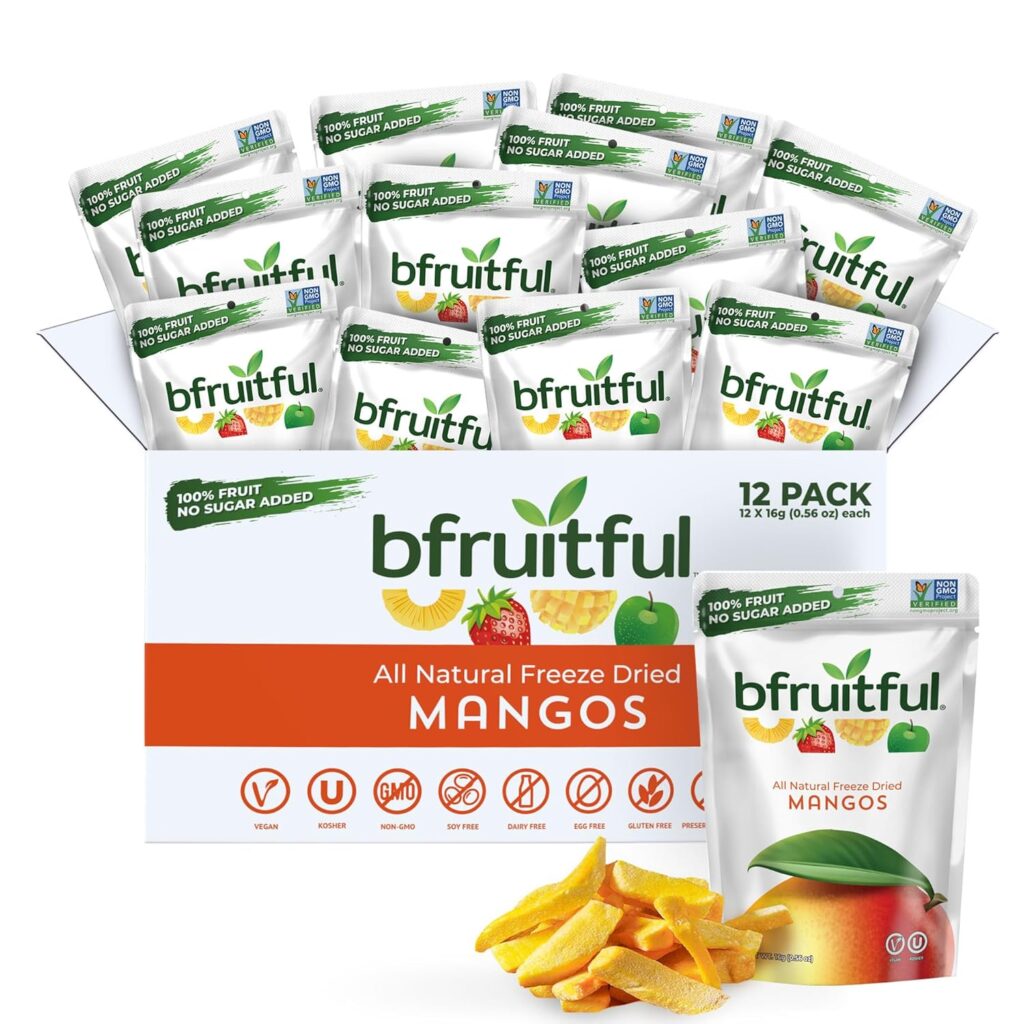
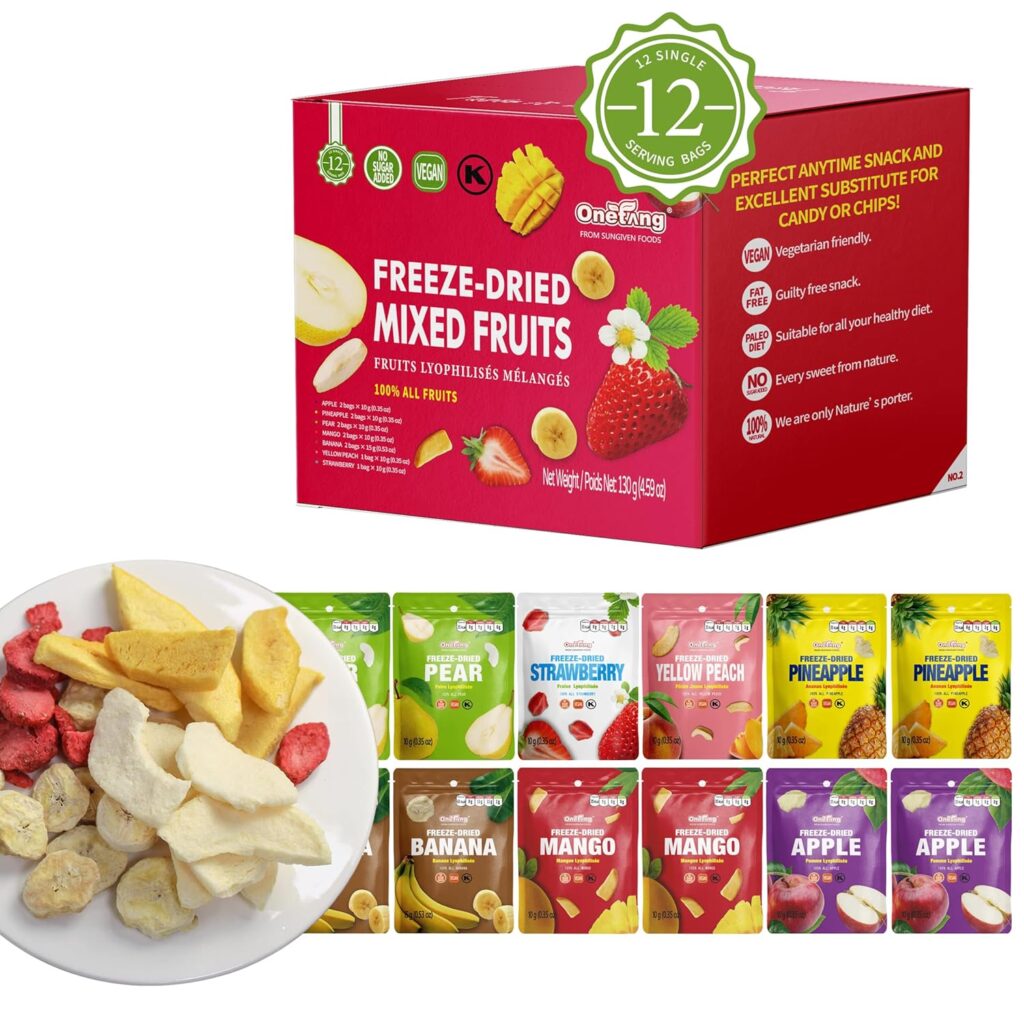
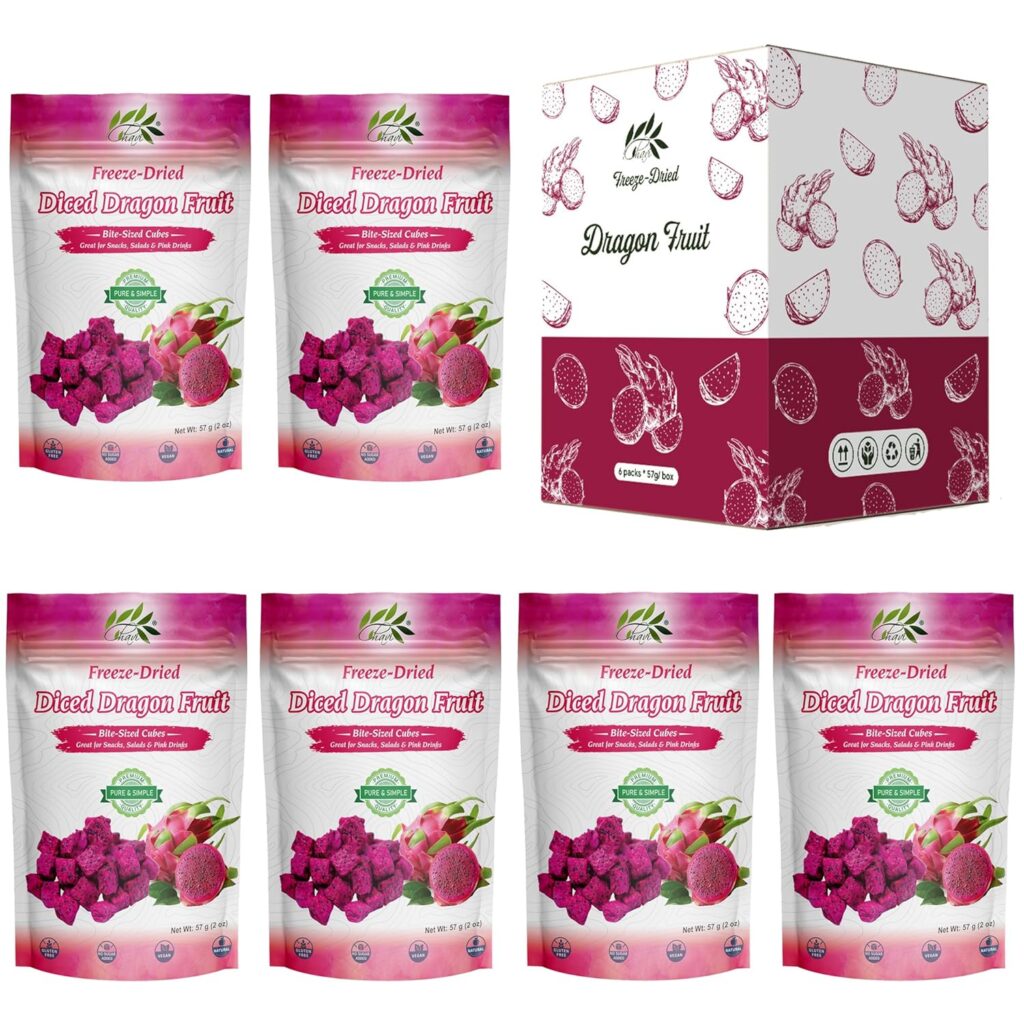
Dried fruit is one of the most common forms — raisins (dried grapes), prunes (dried plums), dried apricots, dried figs, date, etc. Some dried fruits are chewy (retain some moisture); others, like freeze-dried, end up crispier and lighter
So when we say “dehydrated fruits,” we typically include fruits dried by sun, air, oven, commercial dehydrators, or freeze-drying methods.
2. How Are Dehydrated Fruits Made?
Understanding the methods gives insight into their texture, shelf life, and nutrient retention.

2.1 Pre-treatment
Before drying, many fruits are washed, peeled (if needed), cored, sliced, or halved. This makes drying more uniform. Some fruits are dipped in an acid solution (citric acid / ascorbic acid) or sulfur dioxide to prevent browning (oxidation) and microbial spoilage.
2.2 Drying / Dehydration Methods
Here are the common methods:
- Sun drying / solar drying / air drying
The oldest method: the fruit is laid under the sun or in warm, dry air to evaporate moisture.
Pros: low cost, simple; Cons: weather dependent, slower, possible contamination.
As heat is applied, moisture migrates from the interior to the surface and then evaporates. Over time, the fruit loses water until it reaches a moisture content low enough to resist spoilage.
Using a conventional oven in low-heat mode. Similar to tray drying but less optimized.
Freeze drying (lyophilization)
Fruit is first frozen, then placed under vacuum, so ice sublimates (turns from solid to vapor). The result: extremely lightweight, crisp, better retention of flavor and structure.
Drying times depend on:
- Thickness / size of slices
- Fruit type and juiciness
- Temperature, humidity, air circulation
- Pretreatments (which can alter drying rate)
For example, apples sliced 1/8 to 1/4 inch may take 8–12 hours in a dehydrator.
After drying, fruits are usually conditioned: placed (loosely) in airtight containers for a few days so residual moisture equilibrates. If condensation appears, further drying is needed.
To ensure food safety, sometimes dried fruit is heat treated (e.g. at 160 °F for 30 minutes) or cooled/freezed to kill insect eggs.
Then store in airtight, moisture-proof containers in cool, dark, dry places to maintain quality and prevent spoilage.
3. Nutritional Benefits & Trade-Offs of Dehydrated Fruits
3.1 Benefits & What They Retain
- Nutrient concentration
Because water is removed, vitamins, minerals, fiber, and antioxidants get concentrated per gram. Many micronutrients remain fairly well preserved (though some losses occur). - Dietary fiber & phytochemicals
Dehydrated fruits are rich in fiber and beneficial phytochemicals (polyphenols, flavonoids) that help with digestion, gut health, anti-oxidation, and overall wellness. - Shelf stability & convenience
Dried fruits last much longer than fresh without refrigeration. They are portable, lightweight, and good for snacking or use in recipes. - Potential health associations
Observational studies suggest dried fruit intake might be linked to better diet quality, lower BMI, smaller waist circumference, and reduced risk factors for chronic disease — though causality is not certain.
3.2 Trade-Offs, Limitations & Risks
- Higher sugar & calorie density
Because water is gone, the same weight gives more sugar and calories. It’s easier to overeat. - Loss of heat-sensitive nutrients
Some vitamins, especially vitamin C, are sensitive to heat or oxidation and may degrade. - Added sugars, preservatives
Commercial dried fruits sometimes have added sugar or preservatives (e.g. sulfites) to retain color or flavor. These additives can reduce the “pure fruit” benefit. - Dental issues
Sticky dried fruits can cling to teeth, increasing cavity risk if dental hygiene is poor. - Glycemic impact
Dried fruit can cause sharper rises in blood sugar compared to fresh, especially when eaten in large amounts or in isolation. - Potential for infestation / spoilage
If not dried properly, residual moisture can allow mold or insects. Proper conditioning and storage are essential.
4. How to Use Dehydrated Fruits — Tips & Ideas
Here are practical ways to include dehydrated fruits intelligently:
- Snacking — A handful (small portion) as a portable snack. Pair with nuts or protein to balance sugars.
- Trail mixes / granola / muesli — chunks of dried apple, apricot, raisins, etc.
- Baking & cooking — Use in muffins, breads, pancakes, compotes. You may rehydrate by soaking in warm water or juice.
- Smoothies / oats / cereal — Pulverize or soak before blending.
- Salads / toppings — Thin slices of dehydrated fruit can add chew and flavor.
- Fruit leather / fruit strips — Pureed, spread, and dried again.
- Rehydration — For cooking, soak dried fruits to plump them up and reduce chewiness.
5. Tips for Choosing & Storing Dehydrated Fruits5. Tips for Choosing & Storing Dehydrated Fruits
To get maximum benefit (and minimize risks), here are best practices:
Rotate stock
Use older batches first, avoid very long-term storage.
Choose unsweetened / no added sugar / no preservatives
Read labels; prefer pure fruit without syrups or sulfites (if sensitive).
Check moisture level & texture
Good dried fruit should be pliable (not soggy or too brittle).
Condition after drying
As described earlier: allow residual moisture to equalize in sealed container for a few days.
Store properly
Airtight jars or vacuum bags. Keep in a cool, dark, dry place. Avoid heat, humidity, light.
Use in moderation
Because of concentration, a small portion goes a long way.
Rehydrate if needed
Soak in water, juice, or warm liquid before using in soft recipes.
6. Conclusion
Dehydrated fruits offer a delicious, nutrient-dense, shelf-stable way to enjoy fruit flavors year-round. When processed and stored properly, they retain much of their fiber and beneficial compounds. But it’s important to consider portion control, label reading, and mindful usage so you don’t un-do the benefits by overconsuming sugars or preservatives.
By understanding what dehydrated fruits are, how they’re made, and how to use them intelligently, you can harness their potential as a healthy snack, recipe ingredient, or on-the-go nutritional boost.
****************************************************************************************
****************************************************************************************
Disclaimer:Dr. Mohammed Abdul Azeem Siddiqui, MBBS
Registered Medical Practitioner (Reg. No. 39739)
With over 30 years of dedicated clinical experience, Dr. Siddiqui has built his career around one clear mission: making quality healthcare affordable, preventive, and accessible.
He is deeply passionate about:
- Early disease diagnosis – empowering patients with timely detection and reducing complications.
- Preventive healthcare – guiding individuals and families towards healthier, longer lives through lifestyle interventions and screenings.
- Affordable treatments – ensuring cost-effective, evidence-based medical solutions that reach people from all walks of life.
Through his blog, Dr. Siddiqui shares practical health insights, early warning signs, and preventive strategies that readers can trust. Every article is rooted in evidence-based medicine and enriched by decades of hands-on clinical practice.
Contact us on: powerofprevention@outlook.com
📌 Disclaimer: The content in this blog is for educational purposes only and should not replace personalized medical consultation. For specific health concerns, please consult your physician.
**********This post contains affiliate links. If you purchase through them, I may earn a small commission at no extra cost to you. Thanks for supporting the blog!***************************************************************