
Why Most Diseases Are Missed for Years
Most chronic diseases do not begin when symptoms appear. They begin silently — at the cellular level — often 10 to 20 years before diagnosis.
During this long silent phase, inflammation, oxidative damage, insulin resistance, and microscopic tissue scarring gradually weaken organs. Unfortunately, routine blood panels are designed to detect organ failure, not early organ stress. That is why millions of people receive “normal” lab results and later develop heart disease, diabetes, liver disease, autoimmune disorders, and cognitive decline.
The good news is that modern laboratory science has introduced advanced preventive biomarkers that detect disease pathways long before conventional screening begins.
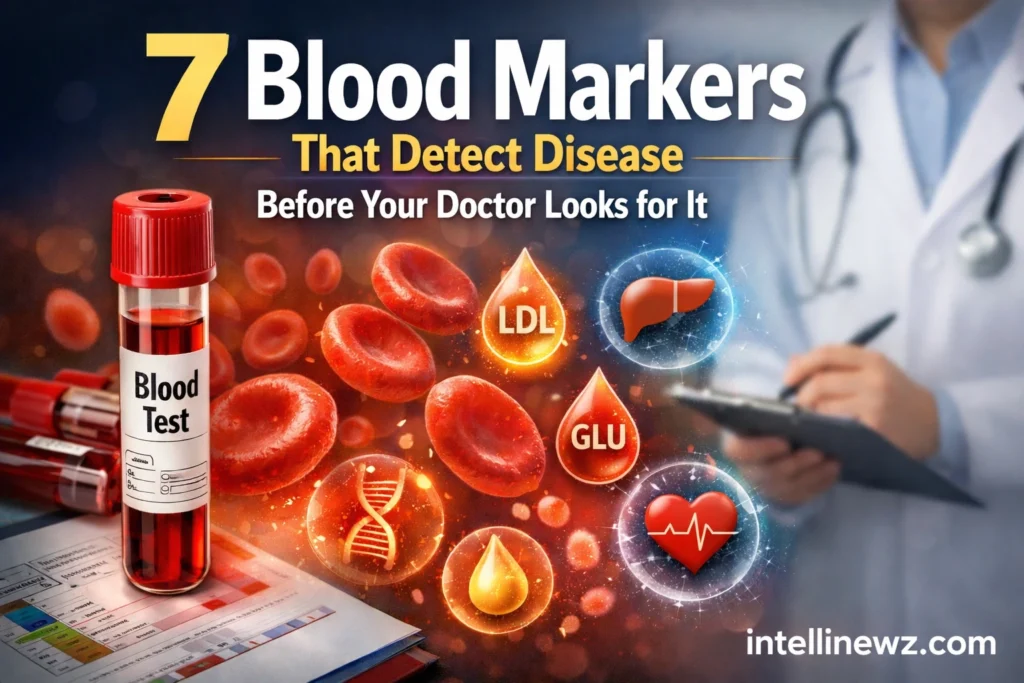
Here are seven of the most powerful blood markers used in early-detection medicine today.
1. GlycA – The Silent Inflammation Predictor
What it detects: Chronic systemic inflammation
Organs affected: Heart, blood vessels, immune system, joints, brain
GlycA is one of the most predictive inflammation biomarkers available. Unlike CRP, it reflects long-term inflammatory burden — not temporary infections. Elevated GlycA levels predict heart disease, autoimmune disorders, insulin resistance, and early mortality years before symptoms appear.
Early detection allows inflammation-lowering interventions that dramatically reduce future cardiovascular and metabolic risk.
2. suPAR – The Whole-Body Risk Marker
What it detects: Multi-organ cellular stress
Organs affected: Heart, kidneys, brain, immune system
suPAR identifies systemic immune activation and cellular injury. High levels strongly predict kidney disease, cardiovascular events, diabetes, and overall mortality — even when all other labs are normal.
It is considered one of the strongest early mortality risk biomarkers available today.
3. TyG Index – Early Insulin Resistance Detector
What it detects: Insulin resistance before diabetes
Organs affected: Liver, pancreas, blood vessels
The TyG index (Triglyceride-Glucose Index) reveals metabolic dysfunction years before fasting glucose or HbA1c rise. It predicts fatty liver disease, heart disease, and type 2 diabetes long before diagnosis.
Early intervention can reverse insulin resistance completely.
4. ELF Score – Liver Scarring Before Liver Disease
What it detects: Early liver fibrosis
Organs affected: Liver
The ELF (Enhanced Liver Fibrosis) score detects microscopic scarring in liver tissue — often 10–15 years before cirrhosis. This allows fatty liver disease to be reversed before irreversible damage occurs.
This test has transformed liver disease prevention.
5. Neurofilament Light (NfL) – Brain Cell Injury Marker
What it detects: Early neuron damage
Organs affected: Brain
NfL identifies neuronal injury years before cognitive decline begins. Elevated levels are associated with Alzheimer’s disease, Parkinson’s, multiple sclerosis, and vascular dementia.
Early lifestyle and vascular correction can preserve cognitive function.
6. Klotho – Biological Aging Marker
What it detects: Accelerated biological aging
Organs affected: Whole body
Klotho reflects longevity pathways, kidney health, cardiovascular aging, and cognitive decline. Low Klotho levels indicate faster aging and higher disease risk — even when routine labs are normal.
Restoring metabolic health improves Klotho expression.
7. 8-OHdG – DNA Damage Marker
What it detects: Oxidative DNA injury
Organs affected: Cellular DNA
8-OHdG reveals cellular oxidative stress — one of the earliest drivers of cancer, autoimmune disease, and accelerated aging. It identifies DNA injury long before tumors form.
Why These Markers Matter
Together, these seven markers detect:
• Chronic inflammation
• Early metabolic failure
• Organ scarring
• Brain cell loss
• Accelerated aging
• DNA damage
They represent the future of preventive healthcare.
Who Should Consider Preventive Biomarker Screening?
• Adults over 30
• Anyone with family history of chronic disease
• People with unexplained fatigue, brain fog, weight gain
• Individuals seeking affordable long-term health protection
How These Tests Change Outcomes
Early detection allows disease reversal — not just management.
Lifestyle correction, nutrition, sleep optimization, inflammation reduction, and metabolic repair can restore normal cellular function before symptoms appear.
Conclusion
Most chronic diseases begin long before your doctor looks for them. These seven biomarkers give you access to the silent phase — the window where disease can still be prevented.
Early detection changes everything.
Medical Disclaimer
This content is for educational purposes only and does not replace medical advice. Always consult a healthcare professional before testing.