
Discover the best foods to support brain health and memory in Frontotemporal Dementia. Learn how omega-3 rich fish, berries, nuts, and leafy greens can slow decline and boost cognitive function naturally.”
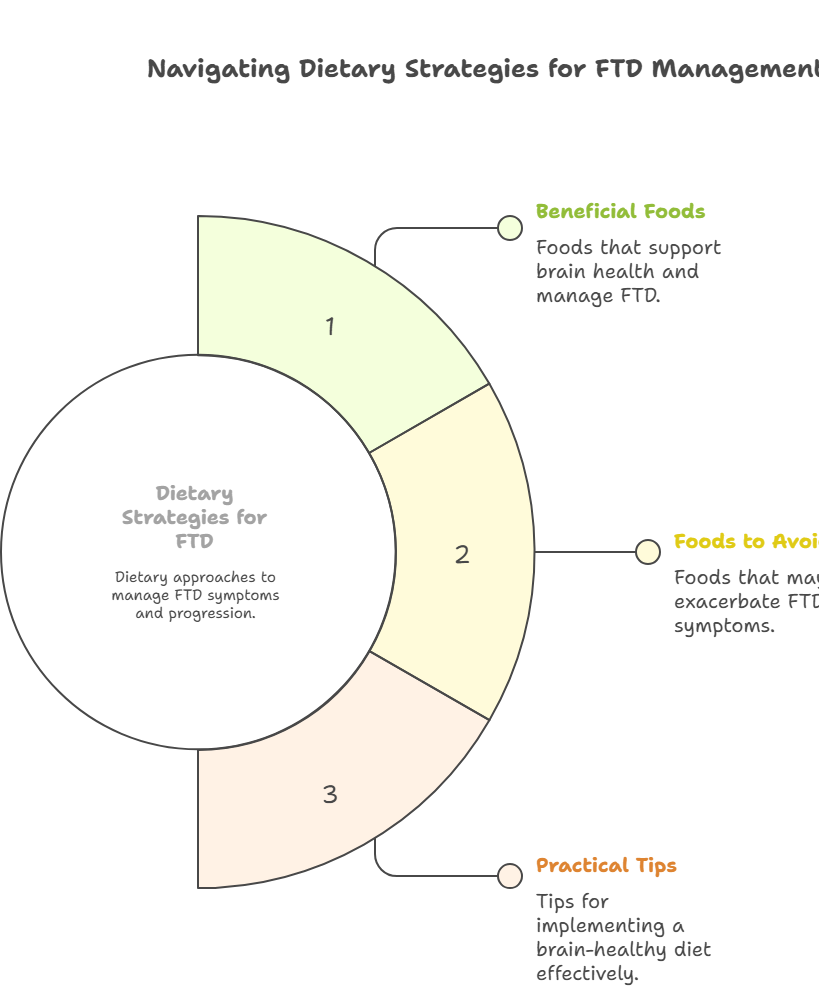
This document explores the crucial role of nutrition in managing Frontotemporal Dementia (FTD) and offers a guide to the best foods that can support brain health and memory in individuals affected by this condition. While there is no cure for FTD, dietary interventions can significantly impact symptom management, overall well-being, and potentially slow down the progression of the disease. This guide provides practical advice and evidence-based recommendations for incorporating brain-boosting foods into the diet of individuals with FTD.
Understanding Frontotemporal Dementia (FTD) and its Nutritional Challenges
Frontotemporal Dementia (FTD) is a group of brain disorders that primarily affect the frontal and temporal lobes of the brain. These areas are responsible for personality, behavior, language, and executive functions. Unlike Alzheimer’s disease, which mainly affects memory in the early stages, FTD often presents with changes in personality, social behavior, and language skills.
Nutritional challenges in FTD are multifaceted:
- Behavioral Changes: Individuals with FTD may exhibit impulsive eating habits, cravings for sweet or carbohydrate-rich foods, and a decreased awareness of hunger or satiety.
- Executive Dysfunction: Difficulties with planning, organizing, and preparing meals can lead to poor dietary choices and malnutrition.
- Language Impairment: Communication difficulties can make it challenging to express food preferences or report problems with swallowing.
- Swallowing Difficulties (Dysphagia): As FTD progresses, some individuals may develop dysphagia, increasing the risk of aspiration and malnutrition.
Key Nutrients for Brain Health in FTD
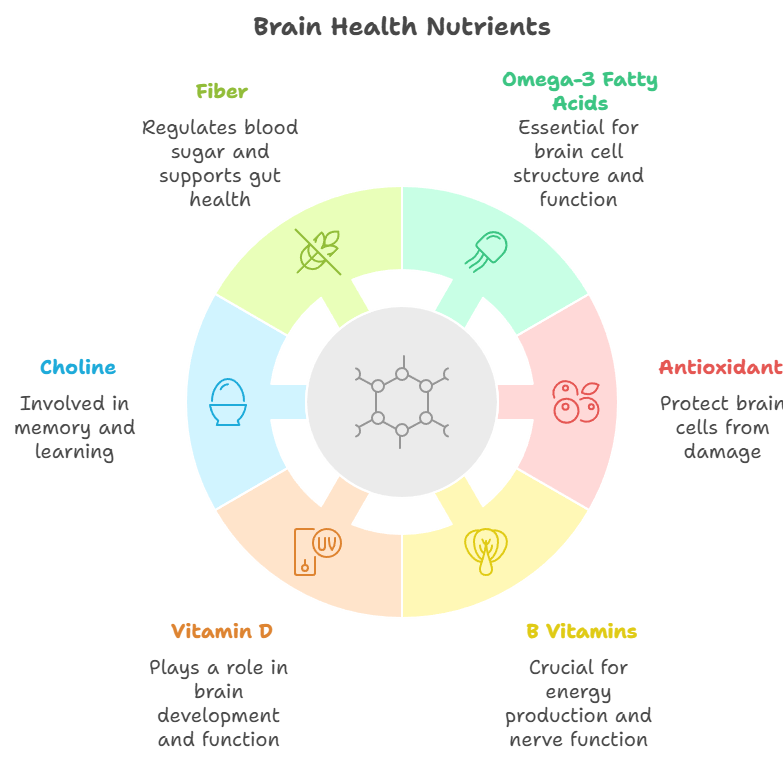
Several nutrients play a vital role in supporting brain health and cognitive function. Ensuring adequate intake of these nutrients is crucial for individuals with FTD:
- Omega-3 Fatty Acids: These essential fats are critical for brain structure and function. They have anti-inflammatory properties and may help protect against cognitive decline.
- Antioxidants: Antioxidants protect brain cells from damage caused by free radicals. They are abundant in fruits, vegetables, and other plant-based foods.
- B Vitamins: B vitamins, particularly B12, B6, and folate, are essential for nerve function and neurotransmitter production. Deficiencies in these vitamins can contribute to cognitive impairment.
- Vitamin D: Vitamin D plays a role in brain development and function. Low levels of vitamin D have been linked to cognitive decline.
- Choline: Choline is a nutrient that is important for brain health. It is a precursor to acetylcholine, a neurotransmitter involved in memory and learning.
Best Foods to Support Brain Health and Memory
Here’s a list of foods that are particularly beneficial for brain health and memory in individuals with FTD:
- Fatty Fish: Salmon, mackerel, sardines, and tuna are excellent sources of omega-3 fatty acids. Aim for at least two servings per week.
- Berries: Blueberries, strawberries, raspberries, and blackberries are rich in antioxidants, which can help protect brain cells from damage.
- Leafy Green Vegetables: Spinach, kale, collard greens, and other leafy greens are packed with vitamins, minerals, and antioxidants.
- Nuts and Seeds: Almonds, walnuts, flaxseeds, and chia seeds are good sources of omega-3 fatty acids, vitamin E, and other nutrients that support brain health.
- Avocados: Avocados are a source of healthy monounsaturated fats, which promote healthy blood flow to the brain.
- Eggs: Eggs are a good source of choline, a nutrient that is important for memory and learning.
- Whole Grains: Whole grains like brown rice, quinoa, and oats provide a steady source of energy for the brain and are rich in B vitamins.
- Dark Chocolate: Dark chocolate (with at least 70% cocoa) contains flavonoids, which have antioxidant and anti-inflammatory properties.
- Turmeric: This spice contains curcumin, a compound with potent anti-inflammatory and antioxidant effects.
- Olive Oil: Extra virgin olive oil is a source of healthy monounsaturated fats and antioxidants.
Practical Dietary Strategies for Individuals with FTD
Implementing dietary changes for individuals with FTD requires a thoughtful and patient approach. Here are some practical strategies:
- Simplify Meal Preparation: Choose simple recipes with minimal steps to reduce the burden of meal preparation.
- Offer Finger Foods: Finger foods like cut-up fruits, vegetables, cheese cubes, and whole-grain crackers can be easier to manage for individuals with impaired motor skills or difficulty using utensils.
- Provide Frequent, Small Meals: Instead of three large meals, offer smaller, more frequent meals and snacks throughout the day to maintain energy levels and prevent overeating.
- Monitor Swallowing: If swallowing difficulties are present, consult with a speech therapist to determine appropriate food textures and strategies to prevent aspiration.
- Hydration: Ensure adequate fluid intake by offering water, juice, or other beverages throughout the day.
- Address Behavioral Issues: If impulsive eating or cravings are a problem, try to redirect attention or offer healthier alternatives.
- Create a Pleasant Eating Environment: Minimize distractions and create a calm, comfortable environment during mealtimes.
- Involve Caregivers: Caregivers play a crucial role in supporting dietary changes. Educate them about the importance of nutrition and provide them with resources and support.
- Consult with a Registered Dietitian: A registered dietitian can provide personalized dietary recommendations based on the individual’s specific needs and preferences.
Sample Meal Plan for Individuals with FTD
Here’s a sample meal plan that incorporates brain-boosting foods:
- Breakfast: Oatmeal with berries and nuts, scrambled eggs.
- Lunch: Salad with grilled salmon, avocado, and olive oil dressing.
- Dinner: Baked chicken with roasted vegetables (broccoli, carrots, sweet potatoes).
- Snacks: Greek yogurt with fruit, whole-grain crackers with cheese, a handful of almonds.
Conclusion
Nutrition plays a vital role in managing Frontotemporal Dementia and supporting brain health. By incorporating brain-boosting foods into the diet and implementing practical dietary strategies, caregivers can help improve the quality of life for individuals with FTD and potentially slow down the progression of the disease. Remember to consult with healthcare professionals, including a registered dietitian and speech therapist, to develop a personalized plan that meets the individual’s specific needs and preferences.