
Discover the powerful antioxidants and fiber in fruit seeds & peels—from apple peel benefits to papaya seeds—plus easy tips to add them to your diet.
FAQs on Fruit Seed and Peel Nutrition
1. Are fruit peels safe to eat?
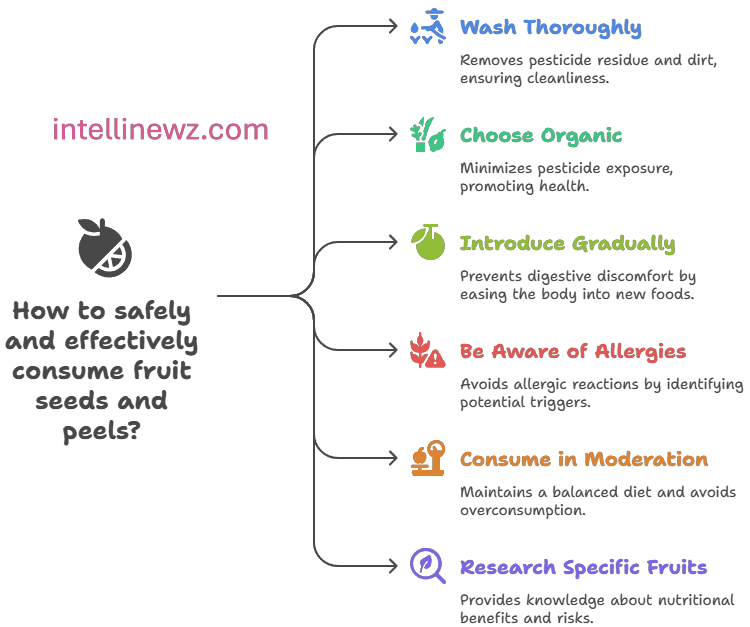
Yes—most fruit peels (like apples, pears, and kiwis) are edible and packed with antioxidants and fiber. Wash them thoroughly or choose organic fruits to minimize pesticide residues.
2. Which fruit seeds are edible?
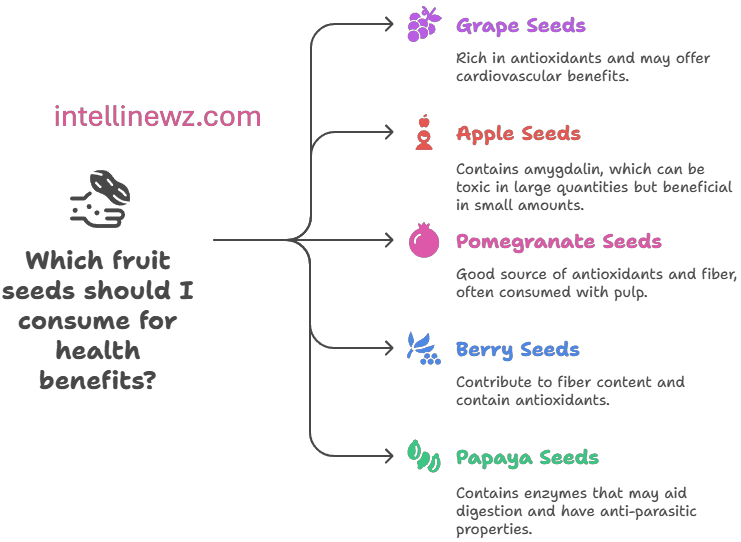
Seeds from papaya, watermelon, pumpkin, and pomegranate are nutrient-rich and safe to eat when prepared properly. Avoid stone fruit pits (peach, cherry, apricot) because they contain compounds that release cyanide.
3. How can I add fruit peels to my diet?
- Blend whole fruits into smoothies.
- Dry and grind citrus peels for natural zest powder.
- Bake or roast peels like apple chips for a fiber-rich snack.
4. What nutrients are in fruit peels?
Peels often contain vitamin C, polyphenols, flavonoids, and dietary fiber, which help combat oxidative stress and support gut health.
5. Do fruit peels help with weight management?
Yes—high fiber in peels helps you feel full longer, which may aid healthy weight control when paired with a balanced diet.
6. Can fruit seeds and peels cause allergies?
It’s rare, but some people may have sensitivities. Introduce new peels or seeds slowly and consult a doctor if you have known allergies or digestive issues.
7. Are there ready-to-use peel powders or seed snacks?
Absolutely. Try organic apple peel powder for smoothies or roasted watermelon seeds for a crunchy snack.
Fruit Seed and Peel Nutrition: The Superfood You’re Throwing Away
Most of us enjoy the juicy flesh of fruits and toss the rest. But science shows that the seeds and peels of fruits are nutrient powerhouses packed with antioxidants, fiber, and healthy oils—often more than the pulp itself.
Why You Shouldn’t Trash Those Peels and Seeds
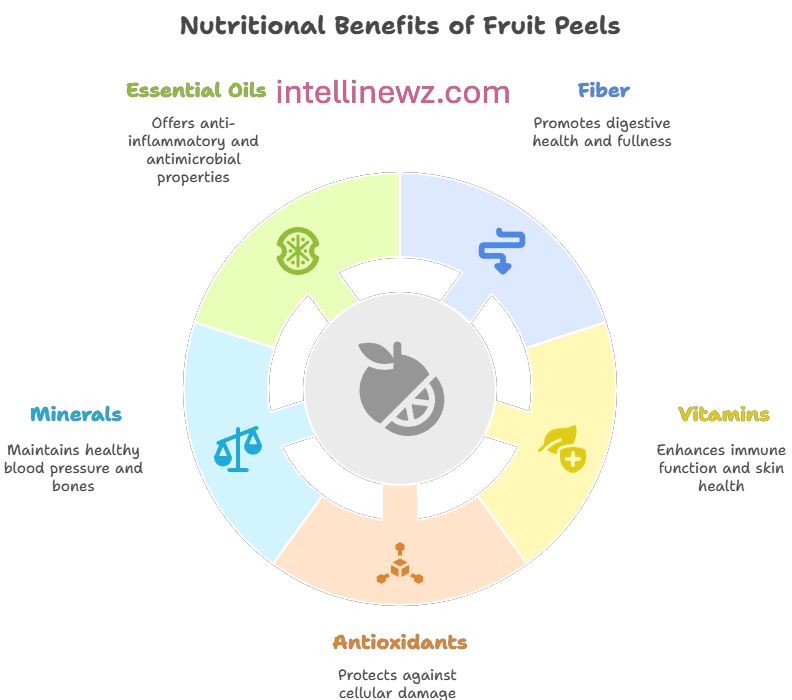
- Concentrated Antioxidants: Fruit peels—like apple peel benefits or orange peel nutrition—are rich in polyphenols and vitamin C that combat free radicals and support healthy aging.
- Plant-Based Fiber: The skin of pears, mangoes, and kiwis provides insoluble fiber to improve gut health and help maintain healthy cholesterol levels.
- Minerals and Healthy Fats: Pumpkin seeds, papaya seeds, and watermelon seeds are excellent sources of magnesium, zinc, and omega-3 fatty acids.
Top Fruits With Edible Seeds & Peels
| Fruit | Edible Part | Key Nutrients |
|---|---|---|
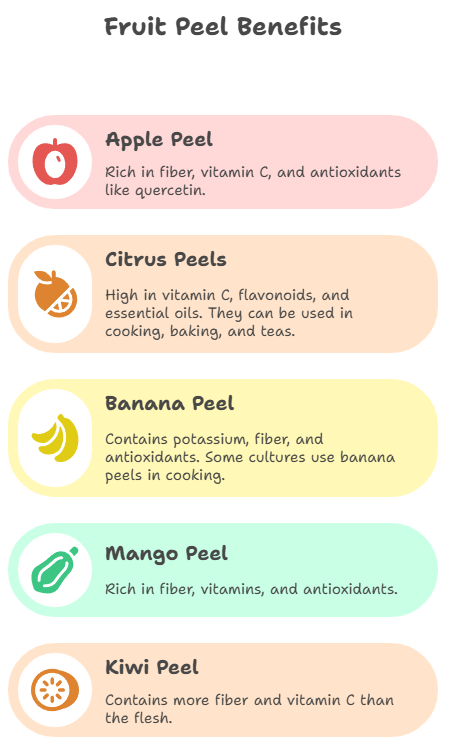
| Apple | Peel | Quercetin, vitamin C |
| Orange | Peel zest | Vitamin C, flavonoids |
| Papaya | Seeds | Enzymes for digestion, antibacterial compounds |
| Watermelon | Seeds | Protein, magnesium, healthy fats |
| Kiwi | Skin | Fiber, vitamin E |
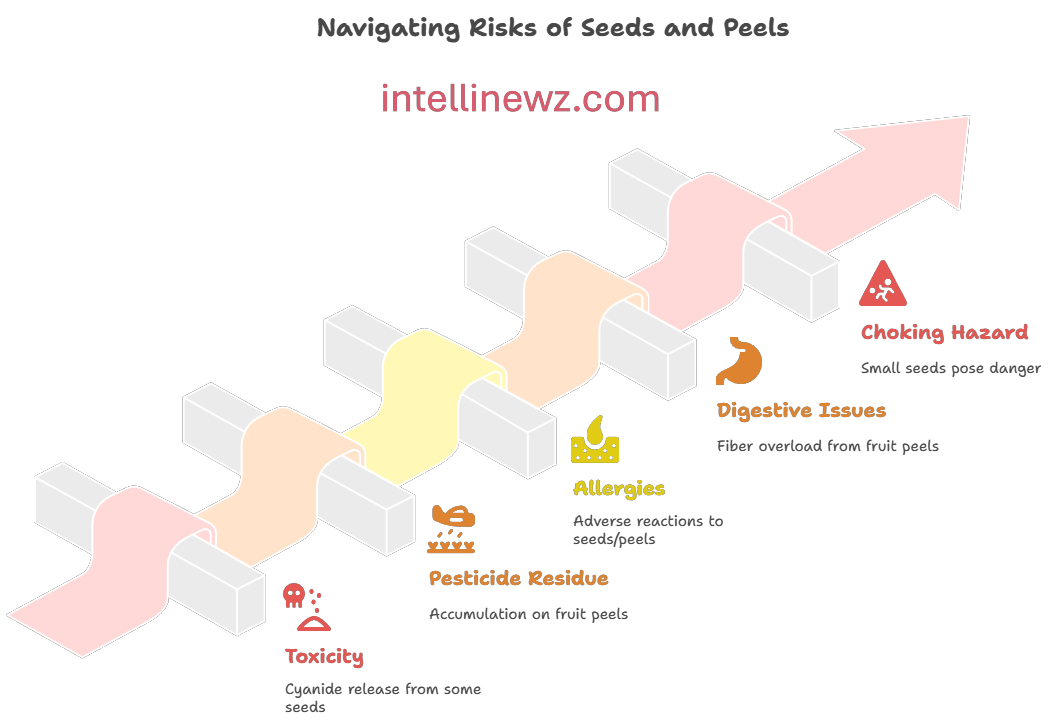
💡 Tip: Wash fruits thoroughly or choose organic fruits when you plan to use the peel to avoid pesticide residues.
Easy Ways to Eat Fruit Seeds and Peels
- Smoothie Boosters: Blend whole apples or pears (with peel) for extra fiber.
- Homemade Citrus Zest Powder: Dry and grind orange or lemon peels for a fragrant vitamin kick.
- Roasted Seeds: Try roasted watermelon seeds or papaya seed dressing as crunchy, nutrient-rich toppings.
Safety Notes
- Remove any bitter white pith if you dislike the taste.
- Avoid stone fruit pits (like peach or cherry) which contain natural cyanide compounds.
- If you have digestive sensitivities, introduce new peels or seeds gradually.
The Bottom Line
Incorporating fruit seed and peel nutrition into your daily meals is an easy, zero-waste way to boost antioxidants, vitamins, and minerals. Next time you slice an apple or scoop a papaya, remember: the healthiest part might be the one you usually throw away.
Fruit Seed and Peel Nutrition: The Superfood You’re Throwing Away
Most of us enjoy the juicy flesh of fruits and toss the rest. But science shows that the seeds and peels of fruits are nutrient powerhouses packed with antioxidants, fiber, and healthy oils—often more than the pulp itself.
Why You Shouldn’t Trash Those Peels and Seeds
- Concentrated Antioxidants: Fruit peels—like apple peel benefits or orange peel nutrition—are rich in polyphenols and vitamin C that combat free radicals and support healthy aging.
- Plant-Based Fiber: The skin of pears, mangoes, and kiwis provides insoluble fiber to improve gut health and help maintain healthy cholesterol levels.
- Minerals and Healthy Fats: Pumpkin seeds, papaya seeds, and watermelon seeds are excellent sources of magnesium, zinc, and omega-3 fatty acids.
Top Fruits With Edible Seeds & Peels
| Fruit | Edible Part | Key Nutrients |
|---|---|---|
| Apple | Peel | Quercetin, vitamin C |
| Orange | Peel zest | Vitamin C, flavonoids |
| Papaya | Seeds | Enzymes for digestion, antibacterial compounds |
| Watermelon | Seeds | Protein, magnesium, healthy fats |
| Kiwi | Skin | Fiber, vitamin E |
💡 Tip: Wash fruits thoroughly or choose organic fruits when you plan to use the peel to avoid pesticide residues.
Easy Ways to Eat Fruit Seeds and Peels
- Smoothie Boosters: Blend whole apples or pears (with peel) for extra fiber.
- Homemade Citrus Zest Powder: Dry and grind orange or lemon peels for a fragrant vitamin kick.
- Roasted Seeds: Try roasted watermelon seeds or papaya seed dressing as crunchy, nutrient-rich toppings.
Safety Notes
- Remove any bitter white pith if you dislike the taste.
- Avoid stone fruit pits (like peach or cherry) which contain natural cyanide compounds.
- If you have digestive sensitivities, introduce new peels or seeds gradually.
The Bottom Line
Incorporating fruit seed and peel nutrition into your daily meals is an easy, zero-waste way to boost antioxidants, vitamins, and minerals. Next time you slice an apple or scoop a papaya, remember: the healthiest part might be the one you usually throw away.
Disclaimer:
Dr. Mohammed Abdul Azeem Siddiqui, MBBS
Registered Medical Practitioner (Reg. No. 39739)
With over 30 years of dedicated clinical experience, Dr. Siddiqui has built his career around one clear mission: making quality healthcare affordable, preventive, and accessible.
He is deeply passionate about:
- Early disease diagnosis – empowering patients with timely detection and reducing complications.
- Preventive healthcare – guiding individuals and families towards healthier, longer lives through lifestyle interventions and screenings.
- Affordable treatments – ensuring cost-effective, evidence-based medical solutions that reach people from all walks of life.
Through his blog, Dr. Siddiqui shares practical health insights, early warning signs, and preventive strategies that readers can trust. Every article is rooted in evidence-based medicine and enriched by decades of hands-on clinical practice.
Contact us on: powerofprevention@outlook.com
📌 Disclaimer: The content in this blog is for educational purposes only and should not replace personalized medical consultation. For specific health concerns, please consult your physician.
**********This post contains affiliate links. If you purchase through them, I may earn a small commission at no extra cost to you. Thanks for supporting the blog!***************************************************************