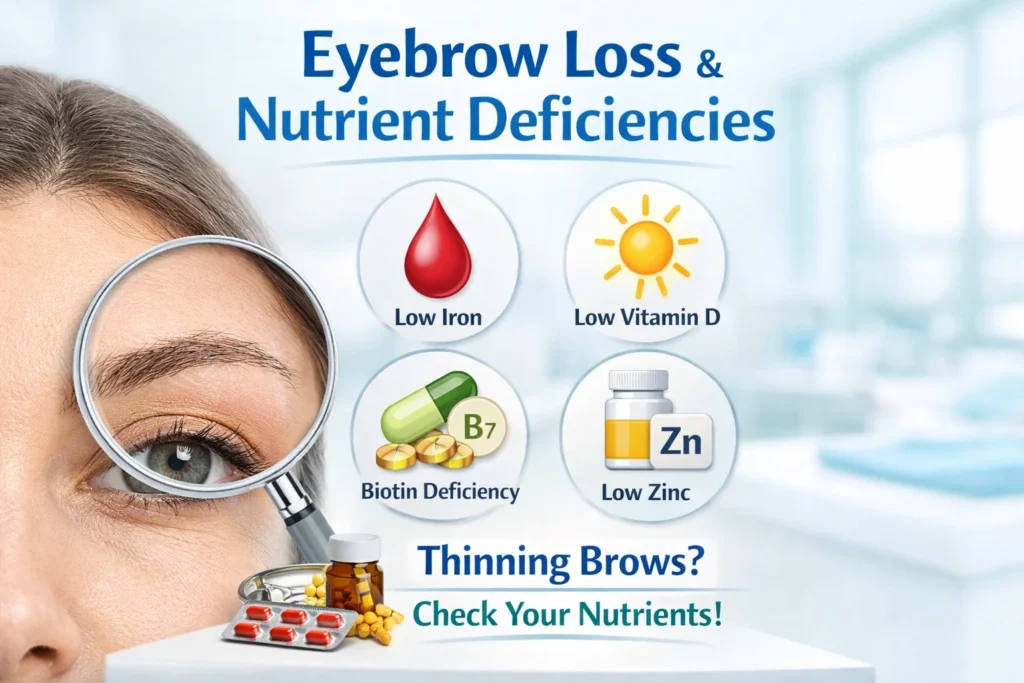

This document explores What Deficiency Causes Eyebrow Loss?, the various nutritional deficiencies that can contribute to eyebrow loss (madarosis).
It outlines the roles of specific vitamins, minerals, and other essential nutrients in hair health and discusses how their deficiency can manifest as thinning or complete loss of eyebrow hair.
It also touches upon other potential causes of eyebrow loss to provide a comprehensive understanding of the issue.
Nutritional Deficiencies and Eyebrow Loss
Eyebrow loss, also known as madarosis, can be a distressing symptom with various underlying causes. While factors like genetics, skin conditions, and certain medications can play a role, nutritional deficiencies are often overlooked as a potential contributor. Hair follicles require a consistent supply of essential nutrients to function optimally, and a lack of these nutrients can disrupt the hair growth cycle, leading to thinning or loss of hair, including eyebrows.
Here’s a breakdown of specific deficiencies linked to eyebrow loss:
1. Iron Deficiency
Iron is crucial for carrying oxygen throughout the body, including to hair follicles. Iron deficiency, often leading to anemia, can impair oxygen delivery to these follicles, hindering hair growth and potentially causing hair loss.
- Mechanism: Iron is a component of hemoglobin, which transports oxygen. Low iron levels reduce oxygen supply to hair follicles, disrupting their normal function.
- Symptoms: Besides eyebrow loss, other symptoms of iron deficiency include fatigue, pale skin, shortness of breath, and brittle nails.
- Addressing the Deficiency: Iron supplementation, along with consuming iron-rich foods like red meat, spinach, and lentils, can help restore iron levels and potentially reverse hair loss.
2. Zinc Deficiency
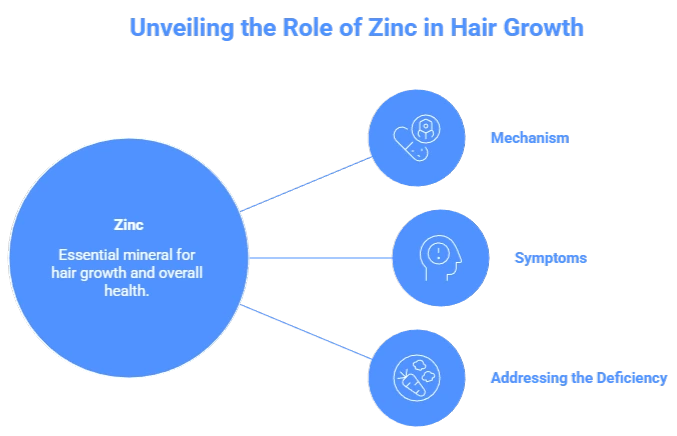
Zinc plays a vital role in cell growth and repair, including the growth of hair follicles. It also helps maintain the oil glands around the follicles, ensuring proper lubrication and preventing dryness.
- Mechanism: Zinc is involved in protein synthesis and cell division, both essential for hair growth. It also regulates hormones that influence hair follicle function.
- Symptoms: In addition to eyebrow loss, zinc deficiency can manifest as skin lesions, impaired wound healing, and a weakened immune system.
- Addressing the Deficiency: Zinc supplementation and consuming zinc-rich foods like oysters, beef, and pumpkin seeds can help improve zinc levels and support hair growth.
3. Biotin (Vitamin B7) Deficiency
Biotin is a B vitamin essential for metabolizing proteins, fats, and carbohydrates. It’s often touted for its role in promoting healthy hair, skin, and nails.
- Mechanism: Biotin is involved in keratin production, the protein that makes up hair. While severe biotin deficiency is rare, even mild deficiencies can impact hair health.
- Symptoms: Besides eyebrow loss, biotin deficiency can cause brittle nails, skin rashes, and neurological symptoms.
- Addressing the Deficiency: Biotin supplementation and consuming biotin-rich foods like eggs, nuts, and seeds can help address the deficiency. However, it’s important to note that excessive biotin intake can interfere with certain lab tests.
4. Vitamin D Deficiency
Vitamin D plays a role in various bodily functions, including immune regulation and cell growth. Research suggests a link between vitamin D deficiency and hair loss.
- Mechanism: Vitamin D receptors are present in hair follicles, suggesting a role in hair growth regulation. Vitamin D may help stimulate hair follicle growth.
- Symptoms: Besides eyebrow loss, vitamin D deficiency can cause fatigue, bone pain, and muscle weakness.
- Addressing the Deficiency: Vitamin D supplementation and sun exposure can help increase vitamin D levels. Consuming vitamin D-rich foods like fatty fish and fortified milk can also contribute.
5. Essential Fatty Acid Deficiency
Essential fatty acids, such as omega-3 and omega-6 fatty acids, are crucial for maintaining healthy cell membranes and reducing inflammation. They also contribute to the health of hair follicles.
- Mechanism: Essential fatty acids help nourish hair follicles and promote healthy scalp circulation. They also possess anti-inflammatory properties that can benefit hair growth.
- Symptoms: Besides eyebrow loss, essential fatty acid deficiency can cause dry skin, eczema, and poor wound healing.
- Addressing the Deficiency: Consuming foods rich in essential fatty acids, such as fatty fish, flaxseeds, and walnuts, or taking supplements can help address the deficiency.
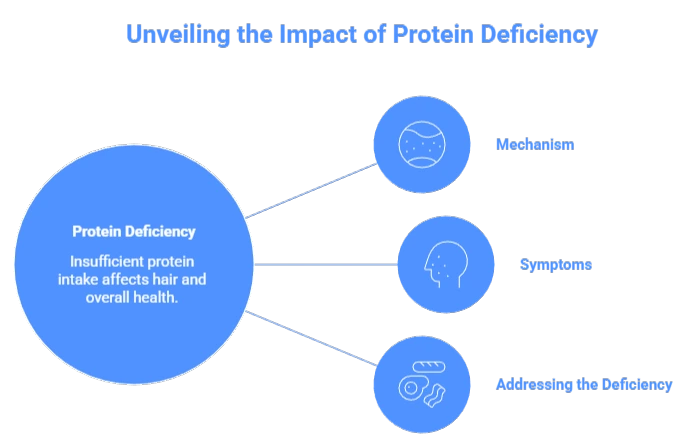
6. Protein Deficiency
Protein is the building block of hair. A severe protein deficiency can lead to hair thinning and loss.
- Mechanism: Hair is primarily made of keratin, a protein. Insufficient protein intake can deprive hair follicles of the necessary building blocks for growth.
- Symptoms: Besides eyebrow loss, protein deficiency can cause muscle loss, fatigue, and weakened immunity.
- Addressing the Deficiency: Increasing protein intake through foods like meat, poultry, fish, beans, and lentils can help address the deficiency.
Other Potential Causes of Eyebrow Loss
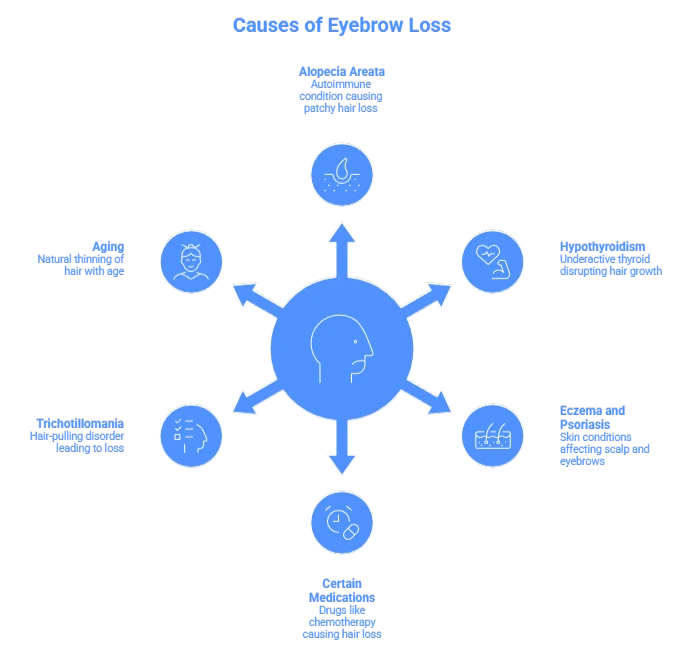
While nutritional deficiencies can contribute to eyebrow loss, it’s crucial to consider other potential causes, including:
- Alopecia Areata: An autoimmune condition that causes patchy hair loss.
- Hypothyroidism: An underactive thyroid gland can disrupt hair growth.
- Eczema and Psoriasis: Skin conditions that can affect the scalp and eyebrows.
- Certain Medications: Some medications, such as chemotherapy drugs, can cause hair loss.
- Trichotillomania: A hair-pulling disorder.
- Aging: Hair naturally thins with age.
- What Is Eyebrow Loss?
Eyebrow loss, medically called madarosis, refers to partial or complete thinning or disappearance of eyebrow hair. It can occur on one or both eyebrows and may be gradual or sudden.
When eyebrow loss is caused by a vitamin or mineral deficiency, it means the hair follicles are not receiving the nutrients they need to produce strong, healthy hair.
How Do Deficiencies Cause Eyebrow Loss?
Eyebrow hair follicles are among the fastest-growing cells in the body, which means they require a constant supply of oxygen, protein, vitamins, and minerals. When the body lacks these, the follicles shut down first.
What happens inside the follicle
When you are deficient in key nutrients:
- Iron deficiency reduces oxygen to the follicle
→ Hair growth slows
→ Hair falls out - Biotin and B-vitamin deficiency reduces keratin production
→ Eyebrow hair becomes thin and weak
→ Hair breaks and sheds - Vitamin D deficiency deactivates follicles
→ Hair stops growing - Zinc deficiency disrupts cell repair
→ Follicles shrink and stop producing hair
The body prioritizes vital organs over hair. As a result, eyebrow hair is sacrificed when nutrients are low.
What Are the Main Deficiencies That Cause Eyebrow Loss?
| Deficiency | Effect on Eyebrows |
| Iron | Hair sheds and stops growing |
| Biotin (B7) | Hair becomes thin and brittle |
| Vitamin B12 | Poor oxygen supply to follicles |
| Vitamin D | Follicles become inactive |
| Zinc | Hair growth and repair stop |
What Are the Symptoms of Deficiency-Related Eyebrow Loss?
You may notice:
- Thinning or sparse eyebrows
- Loss of the outer third of the eyebrows
- Slow or no regrowth
- Patchy eyebrow gaps
- Brittle scalp hair
- Fatigue, pale skin, or cold intolerance
How Is Deficiency-Related Eyebrow Loss Diagnosed?
Doctors typically order blood tests, including:
- Ferritin (iron storage)
- Vitamin D
- Vitamin B12
- Zinc
- Thyroid panel (TSH, T3, T4)
This determines whether eyebrow loss is caused by nutrition, thyroid disease, or autoimmune conditions.
How Is Eyebrow Loss From Deficiency Treated?
Correct the deficiency
The most important step is to replace what the body lacks:
| Deficiency | Treatment |
| Iron | Iron supplements + iron-rich foods |
| Biotin | Biotin or B-complex vitamins |
| Vitamin D | Vitamin D3 supplements + sunlight |
| B12 | Oral or injectable B12 |
| Zinc | Zinc supplementation |
Most people start seeing eyebrow regrowth within 6 to 12 weeks after correcting deficiencies.
Improve blood flow to follicles
Better circulation means more nutrients reach the eyebrow follicles:
- Gentle eyebrow massage
- Warm compresses
- Avoid harsh makeup and over-plucking
Support hair regrowth
Doctors may also recommend:
- Collagen + vitamin C
- Omega-3 fatty acids
- Topical growth serums or minoxidil (in some cases)
Is Deficiency-Related Eyebrow Loss Reversible?
Yes.
If caught early, nutritional eyebrow loss is one of the most reversible forms of hair loss. Once the deficiency is corrected, follicles usually reactivate and grow new hair.
Permanent loss only occurs if follicles are destroyed by scarring or long-term untreated disease.
Eyebrow loss, medically known as madarosis, refers to thinning or absence of eyebrow hair. While aging and cosmetic over-plucking are common triggers, nutritional deficiencies play a crucial role in eyebrow hair loss. Identifying these deficiencies early can help you address the root cause and improve hair regrowth.
Understanding Eyebrow Hair Growth
Eyebrow hair, like all body hair, grows from follicles in a cycle of growth (anagen), transition (catagen), and rest (telogen). The hair’s health and growth depend on adequate nutrients, hormones, and healthy skin. When this balance is disrupted, hairs become weak and fall out more easily.
Key Nutrient Deficiencies That Can Cause Eyebrow Loss
1. Biotin (Vitamin B7) Deficiency
Biotin is a water-soluble B-vitamin essential for keratin production — the protein that makes up hair structure. A deficiency can weaken hair follicles and increase shedding, including eyebrow hair.
- Symptoms: Thinning hair, brittle nails, facial rash.
- Sources: Eggs, nuts, seeds, legumes.
2. Iron Deficiency
Iron helps deliver oxygen to hair follicles. Low iron can reduce follicular function, leading to thinning brows. This is a well-documented trigger for general hair loss and eyebrow thinning.
- Symptoms: Fatigue, pale skin, brittle hair.
- Tips: Pair iron-rich foods with vitamin C to increase absorption.
3. Zinc Deficiency
Zinc supports cellular repair and growth. Studies have linked zinc deficiency with eyebrow and eyelash alopecia in both clinical nutrition cases and inherited zinc absorption disorders.
- Symptoms: Hair thinning, skin lesions, frequent infections.
- Sources: Shellfish, meat, seeds, whole grains.
4. Vitamin D Deficiency
Vitamin D receptors are present in hair follicles, and low levels may disrupt the hair cycle, leading to weaker eyebrow growth.
- Sources: Sun exposure, fortified dairy, fatty fish.
5. Other Micronutrients
Deficiencies in other vitamins and minerals can contribute to eyebrow loss, though evidence varies:
- Vitamin A, C, E — play roles in cell health and collagen production.
- Omega-3 fatty acids — support scalp and skin health.
Note: While research supports the role of micronutrients in hair biology, the evidence base for supplemental benefits is mixed and should be discussed with a healthcare provider.
How Nutrient Deficiencies Cause Hair Loss
Hair follicles actively produce new hair cells, a process that requires consistent energy and raw materials such as vitamins, minerals, proteins, and fatty acids. When these are insufficient:
- Hair enters the telogen (resting) phase prematurely.
- Follicles produce thinner shafts or stop producing hair.
- Regrowth becomes slower or incomplete.
This phenomenon is a contributor to conditions like telogen effluvium, which shows measurable links to low ferritin (iron storage) and vitamin B12 levels in clinical research.
How to Diagnose a Deficiency
If you notice eyebrow thinning without an obvious cause (like over-plucking), consult a physician. A standard diagnostic approach includes:
- Blood tests: iron, ferritin, vitamin D, zinc, B-vitamins.
- Thyroid panel: hypothyroidism or hyperthyroidism can mimic nutrient-deficiency patterns.
- Dermatological exam: to rule out skin conditions such as eczema or dermatitis.
Treatment and Prevention
Dietary Adjustments
Increase intake of nutrient-rich foods:
- Iron: red meat, beans
- Biotin: eggs, nuts
- Zinc: pumpkin seeds, lentils
- Vitamin D: sunlight exposure, fortified foods
Supplements
Supplements can help if a deficiency is medically confirmed. Do not self-prescribe megadoses; excess vitamins like vitamin A can, paradoxically, cause hair loss.
Lifestyle and Skin Care
- Reduce stress to minimize telogen effluvium triggers.
- Avoid excessive eyebrow plucking or harsh cosmetic products.
When to See a Doctor
Seek medical advice if eyebrow loss is:
- Rapid or patchy, particularly without dietary changes.
- Accompanied by other symptoms (fatigue, skin issues, thyroid signs).
- Progressive despite dietary improvement.
Underlying conditions such as autoimmune diseases and thyroid disorders may masquerade as simple nutrient deficiencies.
Conclusion
Nutritional deficiencies are a significant but often overlooked cause of eyebrow loss. The most commonly implicated are biotin, iron, zinc, and vitamin D deficiencies.Eyebrow loss can be a sign of underlying nutritional deficiencies, particularly iron, zinc, biotin, vitamin D, essential fatty acids, and protein. Addressing these deficiencies through diet and supplementation can potentially improve hair health and reverse hair loss.
However, it’s essential to consult with a healthcare professional to determine the underlying cause of eyebrow loss and receive appropriate treatment. They can conduct necessary tests to identify any deficiencies and rule out other potential medical conditions.
A balanced diet and a healthy lifestyle are crucial for maintaining overall health, including the health of your hair. Early identification and targeted correction — ideally under medical guidance — can support follicle health and improve eyebrow thickness. Addressing these deficiencies along with lifestyle factors offers a holistic approach to preventing future hair thinning.
Eyebrow Loss – Short FAQ
1. What deficiency causes eyebrow loss?
Iron, vitamin D, biotin (B7), vitamin B12, and zinc deficiencies are the most common causes of eyebrow thinning and shedding.
2. What vitamin helps eyebrows grow back?
Biotin and vitamin D are the most important vitamins for eyebrow regrowth because they support keratin production and activate hair follicles.
3. Can low iron cause eyebrow thinning?
Yes. Iron deficiency reduces oxygen delivery to hair follicles, causing eyebrow hair to weaken, shed, and stop growing.
4. What does thyroid-related eyebrow loss look like?
It usually causes thinning or loss of the outer third of the eyebrows, known as Queen Anne’s sign.
5. Can eyebrow loss be a sign of a serious disease?
Yes. It can indicate thyroid disease, autoimmune conditions, anemia, or severe nutrient deficiencies.
6. Is eyebrow loss from vitamin deficiency reversible?