
Discover the best anti-glycation foods to combat Advanced Glycation End Products (AGEs), slow aging, and protect skin & metabolic health. Learn cooking tips, top nutrients, and recommended supplements
Glycation is a central biochemical process that underlies aging, metabolic dysfunction, and structural damage across tissues. But it’s not entirely inevitable. Through thoughtful dietary choices — emphasizing antioxidant-rich, polyphenol-dense, plant-based foods and gentle cooking — plus optional supplementation, you can meaningfully reduce your glycation burden.
Start by introducing a single change (e.g. swap grilling for steaming, add more berries or turmeric to your diet). Track how your energy, skin glow, or general well-being respond over a few weeks.
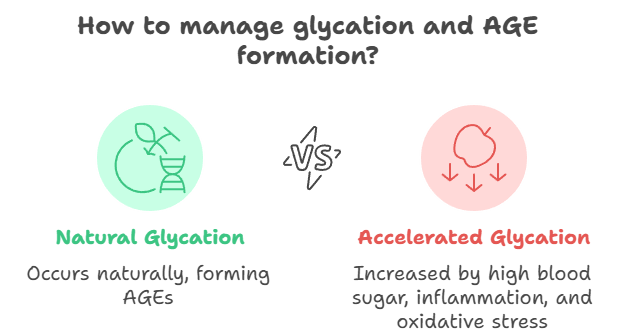
Aging isn’t just about wrinkles and sagging skin. At the molecular level, a key process that accelerates aging, chronic inflammation, and metabolic damage is glycation — the non-enzymatic binding of sugar molecules to proteins, lipids, or nucleic acids that leads to harmful compounds called Advanced Glycation End Products (AGEs). PMC+2Nature+2
Over time, AGEs accumulate in tissues, impair structural proteins like collagen and elastin, promote oxidative stress and inflammation, and are implicated in chronic illnesses such as diabetes, cardiovascular disease, neurodegeneration, and skin aging. Nature+2PMC+2
Therefore, adopting a diet rich in anti-glycation foods offers a meaningful way to slow down glycation burden, support metabolic health, and preserve youthful function.
How Glycation Works (In Brief)
The glycation process begins when reactive carbonyl groups (from sugars or sugar derivatives such as methylglyoxal, glyoxal, 3-deoxyglucosone) bind to amino groups in proteins. Over time, these reactions evolve into stable — often crosslinked — AGEs, which are more difficult for the body to eliminate. Wikipedia+4Nature+4PMC+4
These AGEs can:
- Alter protein structure and function (e.g. collagen rigidity)
- Promote oxidative stress via reactive oxygen species (ROS)
- Activate receptor for AGEs (RAGE) signaling pathways, driving inflammation, cellular stress, and signaling cascades associated with aging and disease Nature+2PMC+2
Importantly, the body also forms AGEs endogenously (especially under hyperglycemia or oxidative stress), so dietary exposure is one component of the total burden. Healthline+2Nature+2

Why Diet Matters: Dietary AGEs & Reduction Strategy
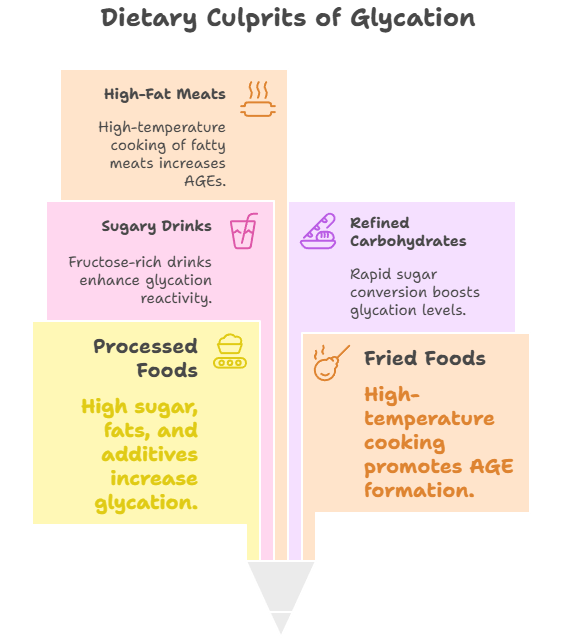
Many foods, especially those rich in fat & protein that undergo high-heat cooking (frying, grilling, roasting), accumulate dietary AGEs (dAGEs). Healthline+2PMC+2
Meta and clinical studies show that reducing dietary AGEs by choosing gentler cooking methods and more plant-based, antioxidant-rich foods can reduce systemic AGE levels, improve insulin sensitivity, and reduce biomarkers of inflammation. PMC+3JRN Journal+3Frontiers+3
For example, a randomized crossover trial comparing a low-fat vegan diet vs a Mediterranean diet found that the vegan diet achieved a 73% reduction in dietary AGEs, and this reduction correlated with greater weight loss and metabolic improvements. Frontiers
Thus, the anti-glycation diet philosophy marries two pillars:
- Reduce intake of dietary AGEs (by selecting low-AGE foods + gentler cooking)
- Include foods / compounds that inhibit glycation formation or neutralize reactive intermediates
Top Anti-Glycation Foods & Nutrients (With Usage Tips)
Below is a refined list of foods, nutrients, and compounds known to exert anti-glycation, carbonyl-scavenging, or AGE-inhibiting effects. Use them creatively in meals, snacks, and formulations.
| Food / Compound | Evidence & Mechanism | How to Use / Serving Ideas |
|---|---|---|
| Berries (blueberries, raspberries, blackberries) | Rich in anthocyanins and polyphenols that scavenge reactive carbonyls and reduce glycation in models Deanna Minich+2Skin Therapy Letter+2 | Add fresh to breakfast bowls, smoothies, or just eat as a snack |
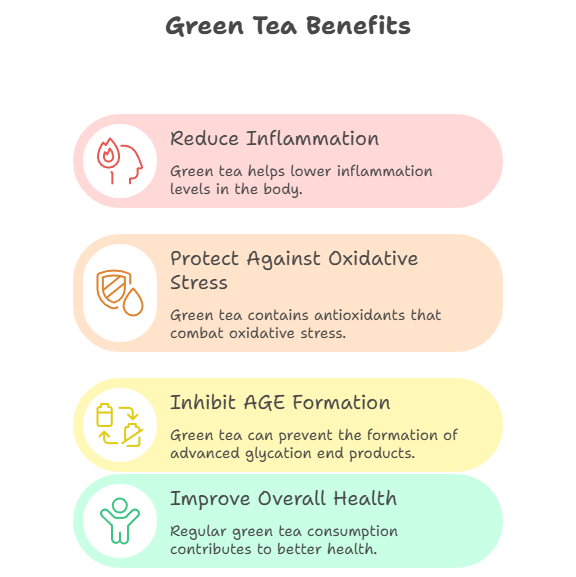
| Green tea / Matcha | EGCG and catechins have been shown to inhibit AGE formation in vitro and in animal settings Deanna Minich+2Healthline+2 | Brew as tea, use matcha powder, or include in recipes |
| Turmeric / Curcumin | Anti-oxidant, carbonyl scavenging, inhibition of glycation in lab studies | Use in curries, soups, golden milk, or as a supplement |
| Cinnamon | Demonstrated to reduce glycation and improve insulin sensitivity in some animal / cell studies Skin Therapy Letter+1 | Sprinkle on oatmeal, smoothies, or savory dishes |
| Garlic, Rosemary, Oregano, Sage, Thyme | High in phenolic compounds (e.g. carnosic acid, rosmarinic acid) that can quench glycation intermediates Skin Therapy Letter+1 | Use fresh or dried in cooking; blend into oils, marinades |
| Extra Virgin Olive Oil | Rich in monounsaturated fats and polyphenols; part of a diet linked with lower systemic AGEs | Use cold or low-heat; drizzle instead of frying |
| Legumes, beans, lentils | Naturally low in AGEs (especially when boiled vs fried) and good protein alternative | Use in stews, soups, salads, spreads |
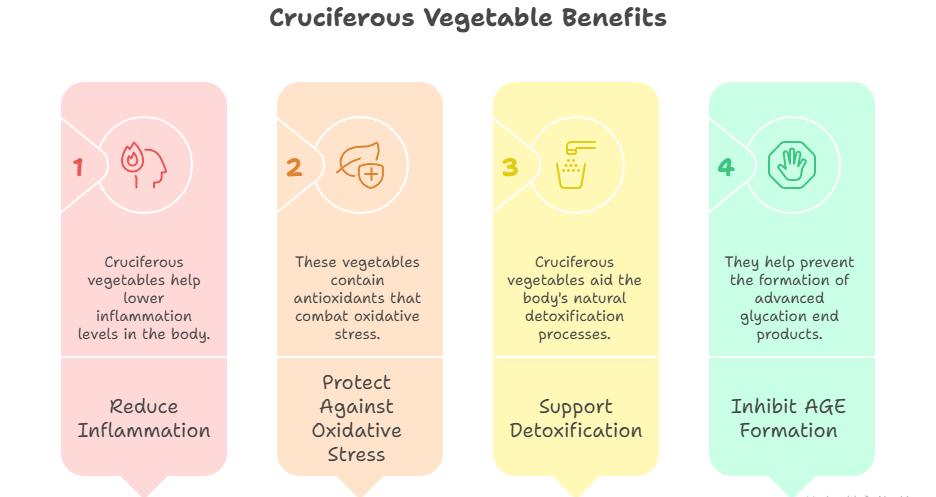
| Leafy green vegetables, cruciferous veggies | Contain antioxidants, sulfur compounds, and detoxification support | Steam, sauté lightly, include raw in salads |
| Tomatoes, tomato paste | Some lab studies show antiglycative effects of lycopene and related compounds Skin Therapy Letter | Use in sauces, soups, stews |
| Grapes / Red grape skin polyphenols / Resveratrol | Phenolic compounds from grapes are studied for AGE inhibition and antioxidant support | Eat whole grapes, drink red grape juice (without added sugar), or supplement |
| Carnosine / N-acetylcysteine / Alpha-lipoic acid / Benfotiamine / Pyridoxamine / L-arginine | These are compounds studied for AGE inhibition or breaking glycation precursor molecules ScienceDirect+2Nature+2 | Some available via supplements (with medical consultation) |
Tip on cooking style: Use steaming, poaching, boiling, sous vide, slow simmering over high-heat dry methods (frying, broiling, grilling). Also using acidic marinades (lemon, vinegar, herbs) can reduce AGE formation. JRN Journal+2Healthline+2
Sample Anti-Glycation Meal Plan (One Day Example)
- Breakfast: Oats with mixed berries, a sprinkle of cinnamon, and a spoonful of chopped walnuts
- Mid-morning: Green tea + a handful of grapes
- Lunch: Lentil and vegetable stew (carrot, tomato, spinach) cooked gently + side of olive oil–dressed leafy greens
- Snack: A small bowl of blueberries or a smoothie with matcha, banana, and almond milk
- Dinner: Steamed or poached fish or tofu (if using protein) with roasted (low heat) vegetables infused with rosemary/garlic
- Evening: Turmeric “golden milk” (with warm plant milk, turmeric, black pepper, and ginger)
Adjust based on dietary preferences (omnivore, vegetarian, vegan, etc.).
****************************************************************************************
Disclaimer: Dr. Mohammed Abdul Azeem Siddiqui, MBBS
Registered Medical Practitioner (Reg. No. 39739)
With over 30 years of dedicated clinical experience, Dr. Siddiqui has built his career around one clear mission: making quality healthcare affordable, preventive, and accessible.
He is deeply passionate about:
- Early disease diagnosis – empowering patients with timely detection and reducing complications.
- Preventive healthcare – guiding individuals and families towards healthier, longer lives through lifestyle interventions and screenings.
- Affordable treatments – ensuring cost-effective, evidence-based medical solutions that reach people from all walks of life.
Through his blog, Dr. Siddiqui shares practical health insights, early warning signs, and preventive strategies that readers can trust. Every article is rooted in evidence-based medicine and enriched by decades of hands-on clinical practice.
Contact us on: powerofprevention@outlook.com
📌 Disclaimer: The content in this blog is for educational purposes only and should not replace personalized medical consultation. For specific health concerns, please consult your physician.
**********This post contains affiliate links. If you purchase through them, I may earn a small commission at no extra cost to you. Thanks for supporting the blog!***************************************************************