
Learn how to grow and care for lavender plants in the U.S. Get expert tips on planting, pruning, watering, and harvesting for healthy, fragrant blooms.If you’ve ever dreamed of a backyard filled with calming fragrance, buzzing bees, and a touch of Mediterranean charm — lavender is your plant.

Beyond its beauty, lavender offers medicinal, aromatic, and culinary benefits, making it one of the most rewarding herbs to grow in your garden.
This guide covers how to grow, care for, and harvest lavender plants in the U.S., including best soil, watering habits, pruning tips, and common mistakes to avoid.
🌸 Why Grow Lavender?
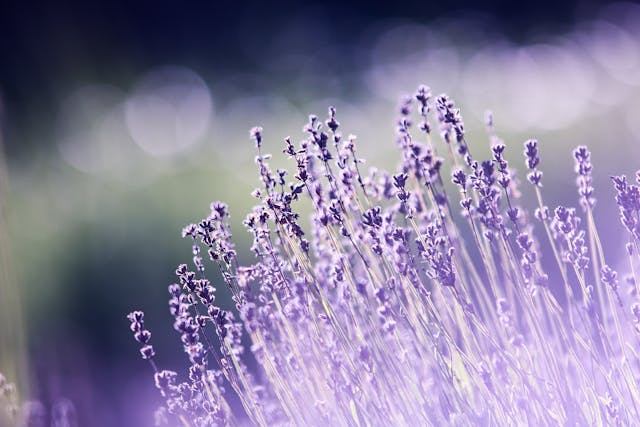
Lavender (Lavandula spp.) is a hardy, aromatic herb native to the Mediterranean, prized for its soothing scent and medicinal properties. It’s used in:
- Aromatherapy for stress relief and better sleep
- Culinary recipes (lavender lemonade, cookies, and teas)
- Natural skincare (lavender oil, bath salts, and lotions)
- Pollinator gardens, attracting bees and butterflies
Growing lavender in your backyard offers not just fragrance — but wellness, beauty, and sustainability right at home.
🌿 Best Lavender Varieties for U.S. Gardens
Not all lavenders thrive in the same climate. Choose the right type for your region: Grow and Care for Lavender Plants.
1. English Lavender (Lavandula angustifolia)
- Ideal for cooler U.S. climates (zones 5–9)
- Sweet scent, perfect for perfumes, sachets, and teas
- Common varieties: ‘Hidcote’, ‘Munstead’
2. French Lavender (Lavandula dentata)
- Best for warmer, humid zones (zones 8–11)
- Ornamental, with soft toothed leaves and light aroma
3. Spanish Lavender (Lavandula stoechas)
- Recognized by its “bunny ear” petals
- Grows well in hot, dry states like California, Texas, and Arizona
4. Lavandin (Lavandula x intermedia)
- A hybrid with long stems and strong fragrance
- Perfect for essential oil production
☀️ Ideal Conditions to Grow and Care for Lavender Plants
To grow healthy lavender plants, replicate their native Mediterranean habitat — sunny, dry, and well-drained.
🌞 1. Sunlight Requirements
- Lavender needs at least 6–8 hours of full sun daily.
- If you’re in cooler regions (like the Pacific Northwest), choose the sunniest spot possible or grow in raised beds.
🌱 2. Soil Type
- Lavender thrives in well-drained, sandy, or loamy soil with a pH between 6.5 and 7.5.
- Avoid clay or heavy soil; it leads to root rot.
- Mix in sand, small gravel, or perlite to improve drainage.
💧 3. Watering Schedule
- Lavender is drought-tolerant once established.
- Water newly planted lavender weekly during its first growing season.
- Mature plants need watering only when the soil is completely dry.
- Overwatering is the #1 cause of lavender death!
🪴 4. Pot or Ground?
- Lavender grows beautifully both in pots and in the ground.
- In colder zones (5 or below), potted lavender can be moved indoors during frost.
🌿 How to Plant Lavender Step-by-Step
Step 1: Choose Your Spot, Grow and Care for Lavender Plants
Pick a sunny, open area with good air circulation — lavender hates damp, shaded corners.
Step 2: Prepare the Soil
- Loosen soil 12–18 inches deep.
- Add lime or crushed eggshells if your soil is too acidic.
- Mix compost sparingly; too much organic matter can make soil retain moisture.
Step 3: Planting Time
- Best planting season: spring (after the last frost).
- Space plants 12–18 inches apart for airflow.
Step 4: Water Gently
Water thoroughly right after planting, then wait until the soil dries before watering again.
Step 5: Mulch Lightly
Use light-colored gravel mulch to reflect sunlight and prevent weeds — but avoid moisture-trapping organic mulch.
✂️ Lavender Care Tips
🪻 1. Pruning
- Prune lavender once or twice a year to encourage bushy growth.
- After flowering, cut back about one-third of the plant — avoid cutting into woody stems.
- Fall pruning keeps plants tidy and prevents winter damage.
🌸 2. Fertilizing to Grow and Care for Lavender Plants
- Lavender doesn’t need much feeding — too much nitrogen can reduce fragrance.
- Once a year, add a slow-release organic fertilizer or compost tea in spring.
🐝 3. Pest & Disease Management
- Lavender’s essential oils naturally repel pests.
- Watch for root rot (due to overwatering) and fungal issues in humid climates.
- Space plants for airflow and avoid wetting foliage.
🧺 4. Winter Protection
- In cold states (zones 5 and below), cover lavender with straw or burlap during frost.
- For potted lavender, move indoors near a sunny window or under grow lights.
🌼 Harvesting Lavender
- Harvest flowers when buds are just opening for best fragrance.
- Cut stems early in the morning and hang them upside down to dry in a cool, dark place.
- Store dried flowers in airtight jars for up to a year.
Use them in:
- Homemade sachets
- Bath salts and scrubs
- Herbal teas (from Lavandula angustifolia)
- Aromatherapy oils
🧴 Commercial Lavender Products or Grow and Care for Lavender Plants
If you’d like to enjoy lavender benefits before your plants mature, these trusted U.S. products are popular:
- Dr. Bronner’s Lavender Castile Soap – organic body wash with soothing lavender oil
- Plant Therapy Lavender Essential Oil – 100% pure oil for aromatherapy and diffusers
- Burt’s Bees Lavender & Honey Lotion – natural body moisturizer
- L’Occitane Lavender Foaming Bath – luxury French lavender bath experience
You can also find lavender seedlings and seeds from reputable nurseries such as:
- Burpee Seeds (burpee.com)
- Bonnie Plants (bonnieplants.com)
- Baker Creek Heirloom Seeds
🌿 Common Mistakes to Avoid
- Overwatering — Lavender loves dry soil; soggy roots kill it.
- Too much fertilizer — reduces essential oil concentration.
- Poor sunlight — leads to leggy, weak plants.
- Pruning too late in fall — can cause frost damage.
- Planting too close together — restricts airflow and encourages disease.
🌼 Lavender’s Health & Wellness Benefits
- Promotes relaxation and better sleep
- Supports stress relief and calmness
- Helps soothe minor skin irritation when used topically
- Adds a natural fragrance to homes and gardens
(Always test lavender essential oil on a small skin patch and consult your doctor before ingesting herbal products.)
🌸 Conclusion: Bring Serenity to Your Backyard
Learning how to grow and care for lavender isn’t just about gardening — it’s about cultivating calmness, beauty, and wellness in your everyday life. Whether you live in sunny California or chilly Michigan, with the right care and sunshine, you can enjoy lavender’s beauty and healing aroma all year round.
So grab your gardening gloves, plant those fragrant blooms, and turn your backyard into a lavender paradise!