
This document explores the mechanism by which carbohydrate mouth rinses influence athletic performance, particularly in endurance and high-intensity activities. It delves into the proposed pathways through which these rinses, without being ingested, can lead to improvements in power output, reduced perceived exertion, and enhanced central drive. Furthermore, it examines the limitations and areas of ongoing research surrounding this intriguing ergogenic aid.

The Basic Premise
Carbohydrate mouth rinsing involves swilling a carbohydrate-rich solution (typically a 6-10% maltodextrin solution) in the mouth for a short period (5-10 seconds) and then spitting it out, without swallowing. The surprising aspect of this technique is that it can improve performance in certain types of exercise, even though the carbohydrate is not actually being absorbed and utilized by the muscles.
Proposed Mechanisms of Action
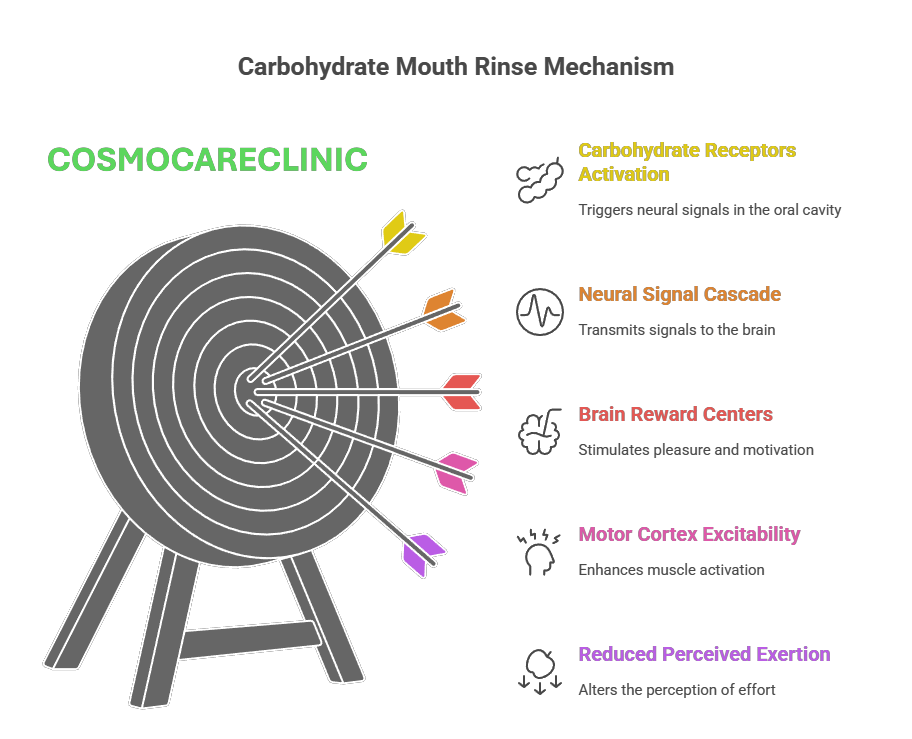
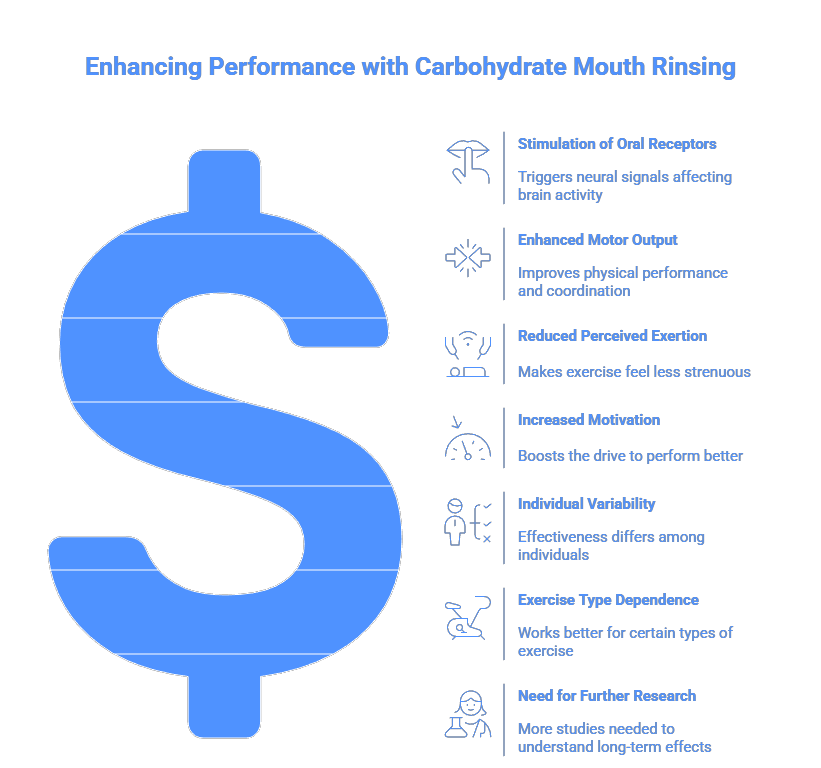
The primary hypothesis revolves around the activation of carbohydrate receptors in the oral cavity, specifically the sweet taste receptors. This activation triggers a cascade of neural signals that ultimately influence the brain and motor output. Several pathways are thought to be involved:
Activation of Brain Reward Centers: The presence of carbohydrates in the mouth stimulates taste receptors, which send signals to brain regions associated with reward and motivation, such as the anterior cingulate cortex (ACC) and the orbitofrontal cortex (OFC). This activation can lead to an increased sense of pleasure and motivation, potentially reducing the perception of effort during exercise.
Enhanced Motor Output: The neural signals generated by oral carbohydrate sensing are believed to influence motor cortex excitability. Studies using transcranial magnetic stimulation (TMS) have shown that carbohydrate mouth rinsing can increase corticospinal excitability, meaning that the brain is better able to activate muscles. This can translate to increased power output and improved performance, particularly in activities requiring bursts of high-intensity effort.
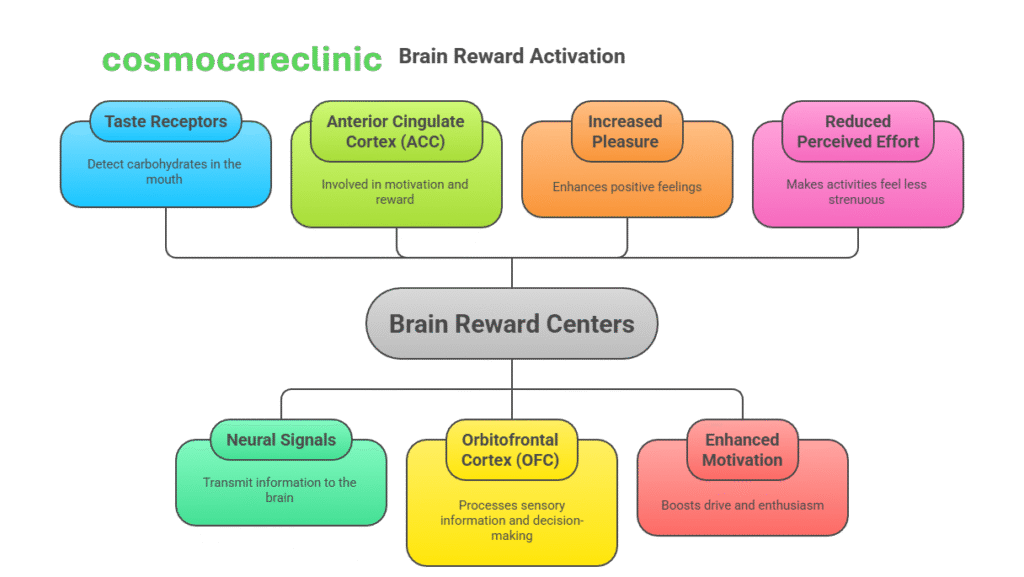
Reduced Perceived Exertion: By influencing brain activity, carbohydrate mouth rinsing can alter the perception of effort. Athletes often report feeling less tired and more motivated when using a carbohydrate mouth rinse, even when performing at the same intensity. This reduction in perceived exertion can allow them to push harder and maintain performance for longer.
Placebo Effect: While the physiological mechanisms are considered important, the placebo effect cannot be ignored. The expectation of improved performance can contribute to the observed benefits. However, studies have shown that carbohydrate mouth rinsing can still be effective even when participants are blinded to the type of rinse they are receiving, suggesting that the physiological mechanisms play a significant role.
Types of Exercise Benefited
Carbohydrate mouth rinsing appears to be most effective in:
High-Intensity Exercise: Activities lasting approximately 30-60 minutes, where fatigue is often related to central factors (i.e., brain fatigue) rather than muscle glycogen depletion. Examples include cycling time trials, running intervals, and team sports.
Endurance Exercise in a Glycogen-Depleted State: When muscle glycogen stores are low (e.g., after an overnight fast or prolonged exercise), carbohydrate mouth rinsing can provide a temporary boost in performance by stimulating the brain and improving motor output.
About this item
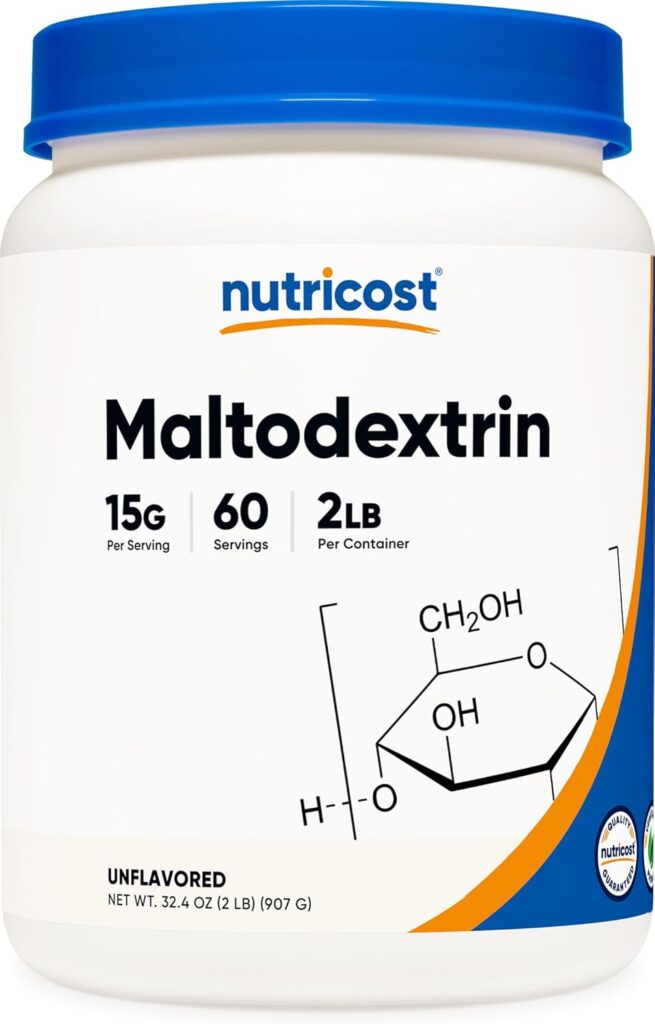
Nutricost Maltodextrin Powder 2LBS – Gluten Free, Non-GMOManufactured In a GMP Compliant, FDA Registered Facility
15 Grams of Maltodextrin Powder (60 Servings)
2lbs of Maltodextrin Complex Carbohydrate Powder
All Natural – No Flavorings or Sweeteners
Non-GMO, Gluten Free, Easy Digestion
It is generally less effective in very long-duration endurance events where muscle glycogen depletion is the primary limiting factor. In these cases, ingesting carbohydrates is necessary to provide fuel for the muscles.
Practical Considerations
Solution Concentration: A 6-10% carbohydrate solution is typically used. Maltodextrin is a common choice because it is relatively tasteless and easily absorbed if accidentally swallowed.
Rinsing Duration: Swilling the solution in the mouth for 5-10 seconds is generally sufficient to activate the oral carbohydrate receptors.
Frequency: Rinsing can be repeated every 10-15 minutes during exercise to maintain the stimulatory effect.
Training Status: The effectiveness of carbohydrate mouth rinsing may vary depending on the individual’s training status and dietary habits.
Limitations and Future Research
While carbohydrate mouth rinsing shows promise as an ergogenic aid, there are several limitations and areas for further research:
Individual Variability: The response to carbohydrate mouth rinsing can vary significantly between individuals. Some athletes may experience a substantial performance improvement, while others may see little or no benefit.
Specificity of Exercise: The effectiveness of carbohydrate mouth rinsing appears to be dependent on the type of exercise being performed. More research is needed to determine the optimal applications for different sports and activities.
Long-Term Effects: The long-term effects of repeated carbohydrate mouth rinsing are not fully understood. It is possible that the brain may adapt to the stimulus over time, reducing its effectiveness.
Underlying Mechanisms: While the proposed mechanisms are plausible, further research is needed to fully elucidate the neural pathways involved and the relative contribution of each pathway to the observed performance benefits. Specifically, research is needed to better understand the role of specific brain regions and neurotransmitters in mediating the effects of carbohydrate mouth rinsing.
Comparison to Carbohydrate Ingestion: More studies are needed to directly compare the effects of carbohydrate mouth rinsing to carbohydrate ingestion, particularly in different exercise scenarios. This will help to determine when mouth rinsing is a suitable alternative to ingestion and when ingestion is necessary.
Impact of Different Carbohydrate Types: The majority of studies have used maltodextrin as the carbohydrate source. Future research should investigate the effects of other carbohydrates, such as glucose, fructose, and sucrose, on performance.
Interaction with Other Ergogenic Aids: It is important to investigate how carbohydrate mouth rinsing interacts with other ergogenic aids, such as caffeine and creatine. This will help to optimize the use of these aids in combination.
Conclusion
Carbohydrate mouth rinsing is a simple and potentially effective ergogenic aid that can improve performance in certain types of exercise. It works by stimulating carbohydrate receptors in the oral cavity, which triggers a cascade of neural signals that influence brain activity and motor output. While the exact mechanisms are still being investigated, it appears that carbohydrate mouth rinsing can enhance motor output, reduce perceived exertion, and increase motivation. However, the effectiveness of carbohydrate mouth rinsing can vary between individuals and depends on the type of exercise being performed. Further research is needed to fully understand the long-term effects and optimal applications of this intriguing technique.
1. Can a carbohydrate mouth rinse boost your athlete’s performance?
Yes.
A carbohydrate mouth rinse (CMR) can boost performance, especially during high-intensity exercise lasting 30–75 minutes. Even without swallowing, carbohydrate receptors in the mouth signal the brain that energy is available, which:
- Reduces perceived effort (exercise feels easier)
- Increases motor output and power
- Improves pacing and focus
- Enhances performance in time trials, intervals, and fasted training
CMR is particularly useful for athletes who experience gastrointestinal discomfort when ingesting carbs during intense exercise.
2. Is carbohydrate supplementation beneficial to performance?
Yes — very.
Carbohydrate supplementation has been repeatedly shown to:
- Maintain blood glucose levels
- Delay fatigue
- Increase time to exhaustion
- Improve performance in endurance events lasting >60 minutes
- Support repeated high-intensity efforts (team sports, intervals)
During longer events (90+ minutes), carbohydrate intake is essential for peak performance, typically at 30–90 g per hour depending on duration and intensity.
3. Which of the following athletes would most likely benefit from carbohydrate loading?
Athletes competing in endurance events lasting 90 minutes or longer.
Examples include:
- Marathon runners
- Long-distance cyclists (e.g., 100 km, century rides)
- Triathletes (Olympic distance or longer)
- Long-distance rowers
- Soccer, rugby, and basketball players before tournaments
- Cross-country skiers
Carbohydrate loading saturates muscle glycogen stores, giving athletes more stored energy for prolonged efforts.
Short-duration power or sprint athletes do not benefit from carb loading.
4. Why are carbohydrates important for athletes? (Quizlet-style answer)
Carbohydrates are important for athletes because they:
- Provide the primary and fastest source of energy during exercise
- Replenish muscle glycogen, the fuel used during high-intensity activity
- Delay fatigue and improve endurance
- Support optimal performance during training and competition
- Help recovery by restoring glycogen after exercise
In short: Carbohydrates power muscles and the brain, making them essential for peak athletic performance.
Disclaimer:
Dr. Mohammed Abdul Azeem Siddiqui, MBBS
Registered Medical Practitioner (Reg. No. 39739)
With over 30 years of dedicated clinical experience, Dr. Siddiqui has built his career around one clear mission: making quality healthcare affordable, preventive, and accessible.
He is deeply passionate about:
- Early disease diagnosis – empowering patients with timely detection and reducing complications.
- Preventive healthcare – guiding individuals and families towards healthier, longer lives through lifestyle interventions and screenings.
- Affordable treatments – ensuring cost-effective, evidence-based medical solutions that reach people from all walks of life.
Through his blog, Dr. Siddiqui shares practical health insights, early warning signs, and preventive strategies that readers can trust. Every article is rooted in evidence-based medicine and enriched by decades of hands-on clinical practice.
Contact us on: powerofprevention@outlook.com
📌 Disclaimer: The content in this blog is for educational purposes only and should not replace personalized medical consultation. For specific health concerns, please consult your physician.