
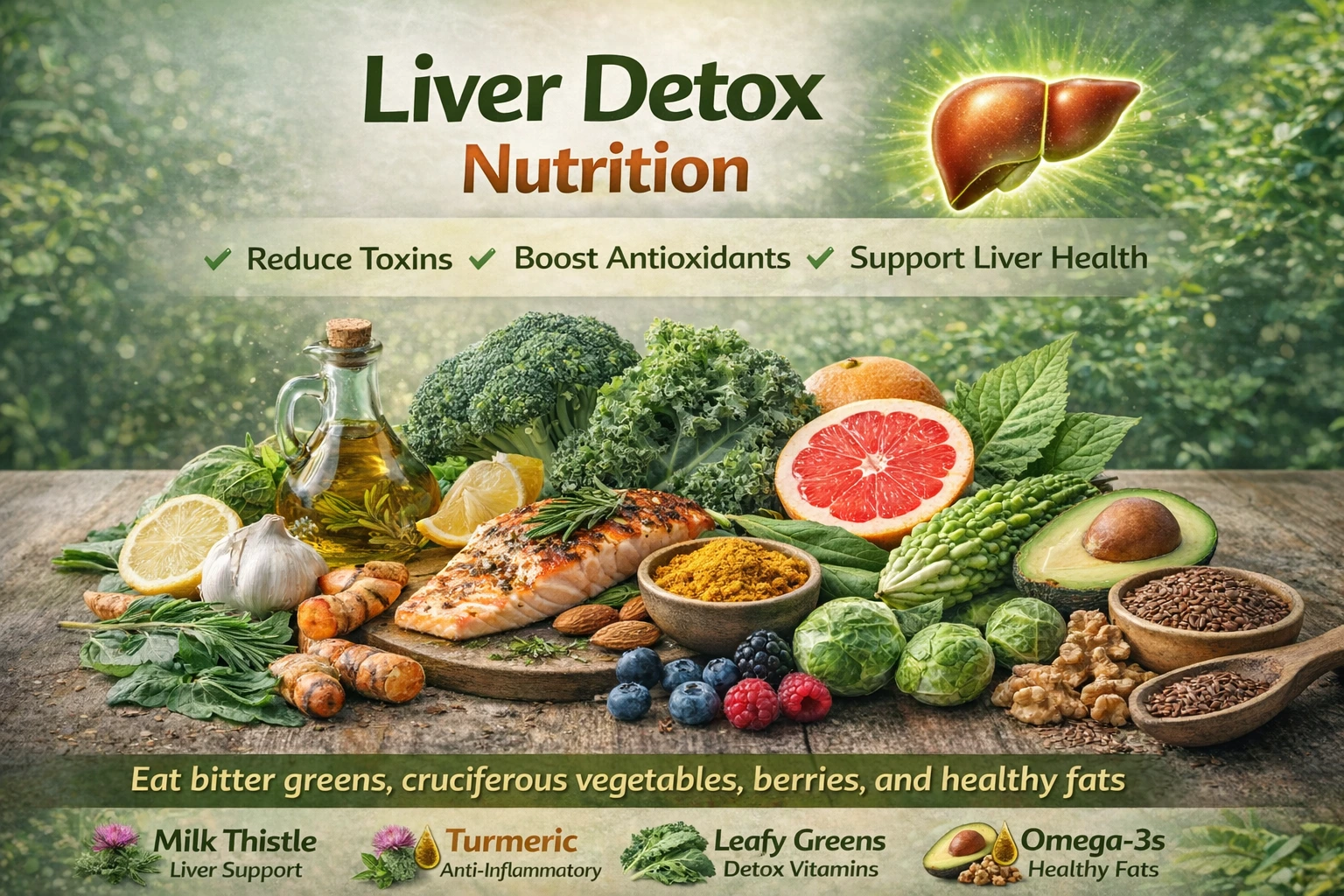
Discover the top bitter foods that naturally support liver detox and promote longevity. From bitter melon to dandelion greens, learn how this forgotten taste boosts health, metabolism, and cellular vitality.
In the modern culinary world, sweetness often dominates our plates, leaving bitter foods largely neglected. However, science increasingly highlights that this forgotten taste profile carries profound benefits, particularly for liver detoxification and longevity. Understanding the role of bitter foods in health is essential for anyone seeking natural ways to enhance wellness and lifespan.
What Are Bitter Foods?
Bitter foods include a wide range of vegetables, herbs, and spices known for their sharp, pungent taste. Common examples are:
- Cruciferous vegetables: Kale, Brussels sprouts, broccoli
- Leafy greens: Dandelion greens, arugula, mustard greens
- Herbs & spices: Turmeric, gentian root, bitter melon
- Citrus peels & seeds: Grapefruit, orange peel
These foods contain phytonutrients, antioxidants, and bitter compounds that trigger beneficial physiological responses, particularly in the liver.
How Bitter Foods Support Liver Detoxification
The liver is the body’s primary detox organ, filtering toxins, metabolizing drugs, and supporting digestion. Bitter foods enhance liver function through multiple mechanisms:
- Stimulate Bile Production
Bitter compounds increase bile secretion, improving fat digestion and aiding the removal of toxins from the body. - Enhance Liver Enzymes
Certain bitter herbs activate liver enzymes responsible for breaking down harmful compounds, supporting natural detoxification pathways. - Reduce Oxidative Stress
Many bitter foods are rich in antioxidants that protect liver cells from oxidative damage, preventing inflammation and supporting long-term liver health. - Support Gut-Liver Axis
Bitter foods improve gut motility and microbiome balance, indirectly benefiting liver detoxification by reducing toxic load from the intestines.
Bitter Foods and Longevity
Regular consumption of bitter foods is linked to healthy aging and longevity:
- Metabolic Regulation: Bitter compounds help regulate blood sugar and lipid metabolism, reducing the risk of metabolic syndrome and cardiovascular disease.
- Anti-Inflammatory Effects: Chronic inflammation accelerates aging; bitter phytonutrients counteract inflammatory pathways.
- Cellular Protection: Many bitter foods activate detoxifying and longevity genes, such as NRF2, supporting cellular resilience.
How to Incorporate Bitter Foods Into Your Diet
- Start Small: Gradually introduce bitter greens or herbs to your meals.
- Combine Flavors: Mix bitter foods with healthy fats (olive oil, avocado) to balance taste.
- Use Herbal Teas: Dandelion, gentian, or chamomile teas can be a gentle daily source of bitterness.
- Experiment With Cooking: Lightly sauté or steam bitter vegetables to reduce excessive bitterness while preserving nutrients.
Why Bitter Taste Is a Forgotten Yet Powerful Health Ally
Modern diets often favor sweet, salty, or umami flavors, leaving bitterness underrepresented. Yet, this neglected taste signals compounds that have evolved to protect and strengthen the body. By consciously adding bitter foods, you tap into a natural, science-backed strategy for detoxification and longevity.
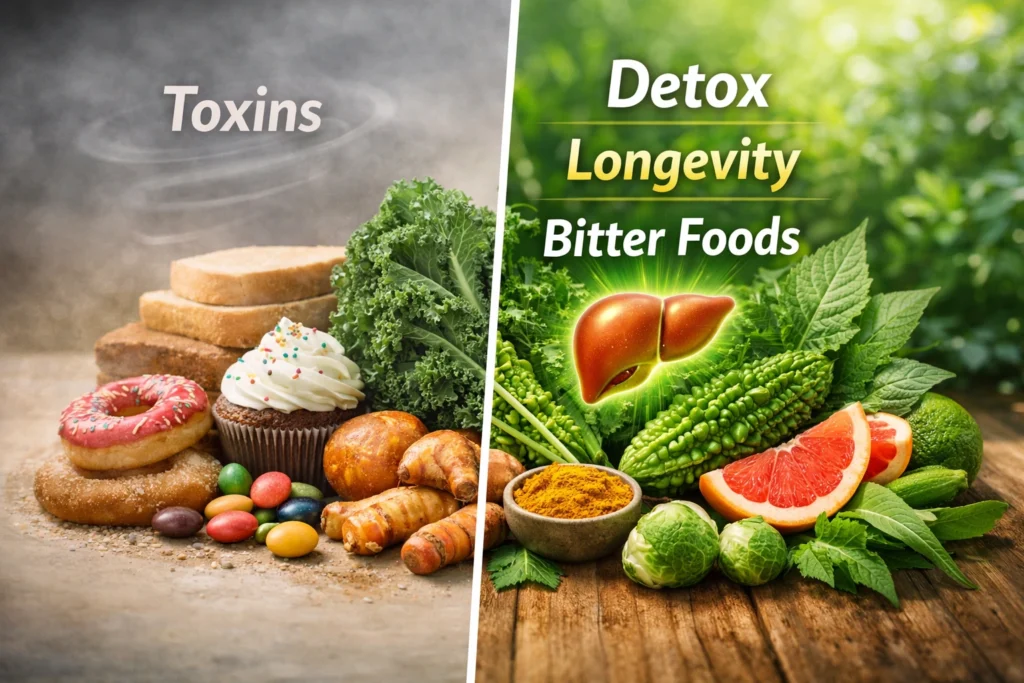
Bitter foods are more than just an acquired taste; they are medicinal allies for liver health and lifespan enhancement. Incorporating bitter greens, herbs, and vegetables into your diet supports detoxification, reduces inflammation, and promotes longevity. Reclaiming this forgotten taste profile could be a simple yet powerful way to enhance your health naturally.
1. Are bitter foods good for your liver?
Yes, bitter foods are generally beneficial for liver health. Bitter compounds stimulate bile production, which aids in fat digestion and toxin elimination. They also support liver enzymes responsible for detoxification, reduce oxidative stress, and help maintain healthy liver function. Examples of liver-friendly bitter foods include kale, dandelion greens, bitter melon, and cruciferous vegetables.
2. Is bitter gourd (bitter melon) good or bad for the liver?
Bitter gourd is good for the liver. It contains bioactive compounds such as charantin, vicine, and flavonoids that help:
- Improve liver enzyme activity
- Reduce fat accumulation in the liver
- Protect liver cells from oxidative damage
However, moderation is key. Extremely high amounts may cause gastrointestinal upset in sensitive individuals. For most people, incorporating bitter gourd into meals or juices supports liver detoxification and metabolic health.
3. Why is bitter taste good for health?
Bitter taste signals the presence of phytonutrients and protective compounds in plants. Benefits include:
- Stimulating digestive secretions (bile, enzymes, gastric juices)
- Reducing inflammation and oxidative stress
- Supporting metabolic balance (blood sugar and fat regulation)
- Activating liver detox pathways and cellular longevity mechanisms
In essence, bitterness is a natural cue for compounds that strengthen digestion, liver function, and overall resilience.
4. Are bitters good for fatty liver?
Yes, bitters can be helpful for fatty liver (non-alcoholic fatty liver disease – NAFLD). Studies suggest that bitter compounds:
- Reduce fat accumulation in liver cells
- Improve insulin sensitivity
- Enhance liver enzyme function
- Protect against oxidative stress
Foods like bitter melon, dandelion greens, arugula, and turmeric are particularly supportive. While they are not a replacement for medical treatment, including them in a balanced diet can complement lifestyle interventions for fatty liver.
1. Most Bitter Foods
- Bitter melon (karela) – extremely bitter, common in Asia
- Gentian root – used in herbal medicine and tonics
- Dandelion greens – very sharp taste, used in salads and teas
- Arugula – mildly bitter leafy green
- Radicchio – red leafy vegetable with pronounced bitterness
2. Common Bitter Foods
- Kale
- Brussels sprouts
- Broccoli rabe
- Mustard greens
- Grapefruit
3. Most Bitter Food in the World
- Cucurbitacin-rich plants are among the most bitter.
- Bitter melon (Momordica charantia) is often considered the most bitter edible vegetable globally.
- Centaury (Centaurium erythraea) and gentian root are extremely bitter but primarily used in herbal preparations.
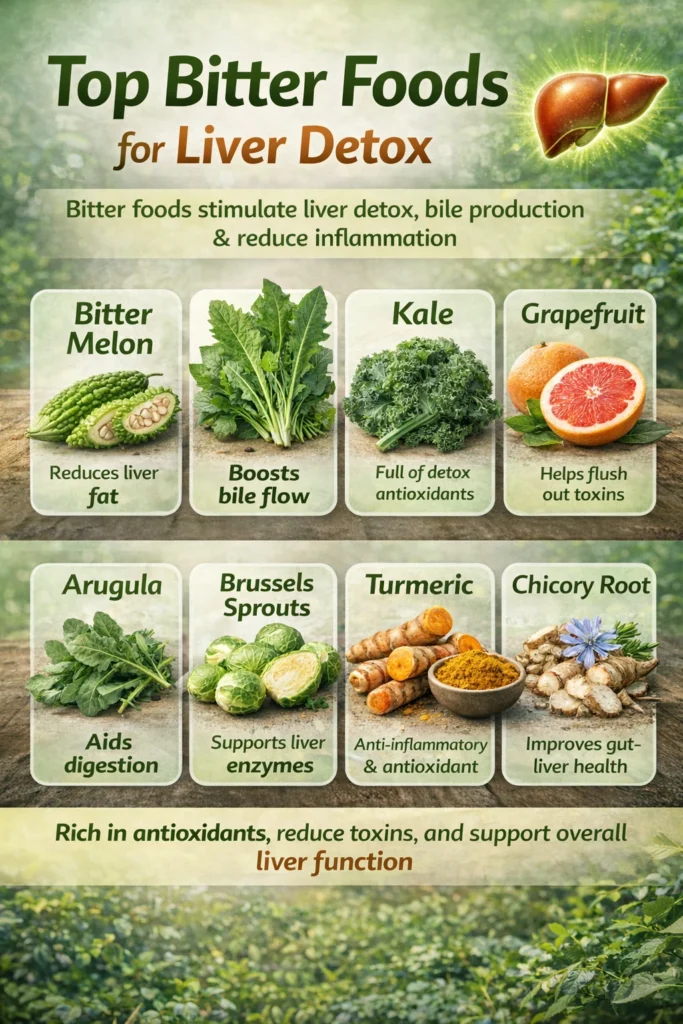
4. Bitter Foods for Liver Detox
- Bitter melon – supports fat metabolism in the liver
- Dandelion greens – stimulates bile production
- Arugula – aids digestion and detoxification
- Turmeric – anti-inflammatory and antioxidant support
- Chicory root – supports liver and gut health
5. Examples of Bitter Taste
- Leafy greens (kale, dandelion)
- Cruciferous vegetables (broccoli, Brussels sprouts)
- Citrus peel (grapefruit, orange zest)
- Bitter herbs (gentian, wormwood, chamomile)
- Dark chocolate (high cocoa content)
6. Natural Bitter Foods
- Bitter melon
- Dandelion greens
- Arugula
- Turmeric root
- Grapefruit
7. 5 Bitter Food Items
- Bitter melon
- Kale
- Dandelion greens
- Brussels sprouts
- Grapefruit

Dr. Mohammed Abdul Azeem Siddiqui, MBBS
Registered Medical Practitioner (Reg. No. 39739)
With over 30 years of dedicated clinical experience, Dr. Siddiqui has built his career around one clear mission: making quality healthcare affordable, preventive, and accessible.
He is deeply passionate about:
Early disease diagnosis – empowering patients with timely detection and reducing complications.
Preventive healthcare – guiding individuals and families towards healthier, longer lives through lifestyle interventions and screenings.
Affordable treatments – ensuring cost-effective, evidence-based medical solutions that reach people from all walks of life.
Through his blog, Dr. Siddiqui shares practical health insights, early warning signs, and preventive strategies that readers can trust. Every article is rooted in evidence-based medicine and enriched by decades of hands-on clinical practice.
EMAIL: powerofprevention@outlook.com
📌 Disclaimer: The content in this blog is for educational purposes only and should not replace personalized medical consultation. For specific health concerns, please consult your physician.
Leave a Reply