
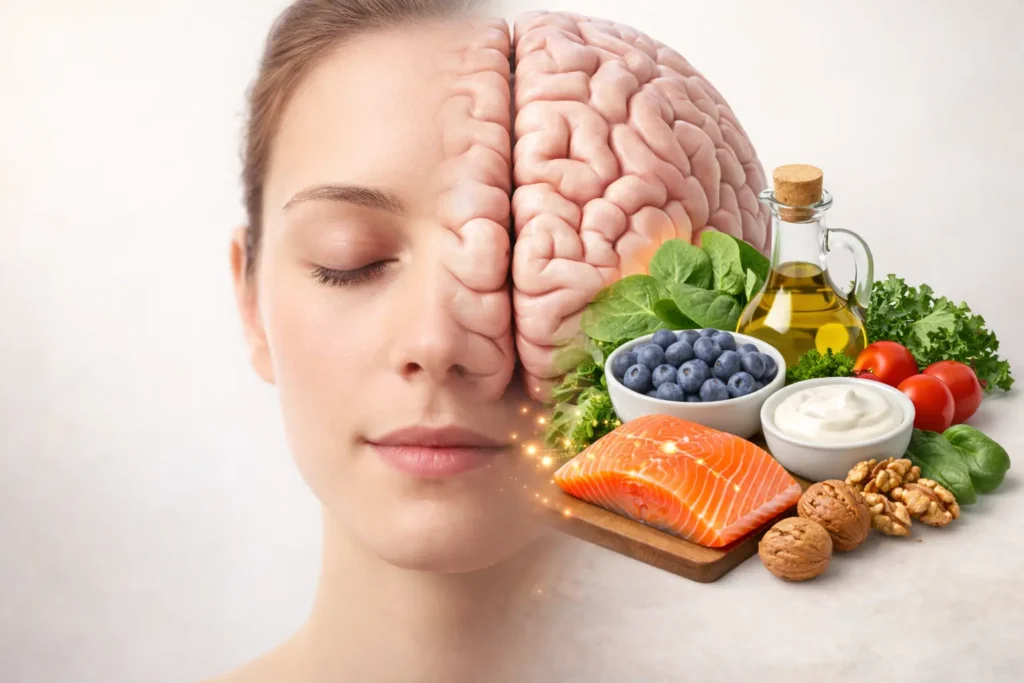

Nutritional Psychiatry: Foods That Regulate Anxiety, ADHD & Depression. Nutritional psychiatry is an emerging field exploring how what we eat influences our mood, cognition and mental well-being.
While food isn’t a replacement for therapy or medication, research increasingly shows that diet quality is linked to the risk and severity of anxiety, ADHD, depression and other neuropsychiatric conditions.PubMed+1 and Foods That Heal Anxiety, Depression & ADHD.
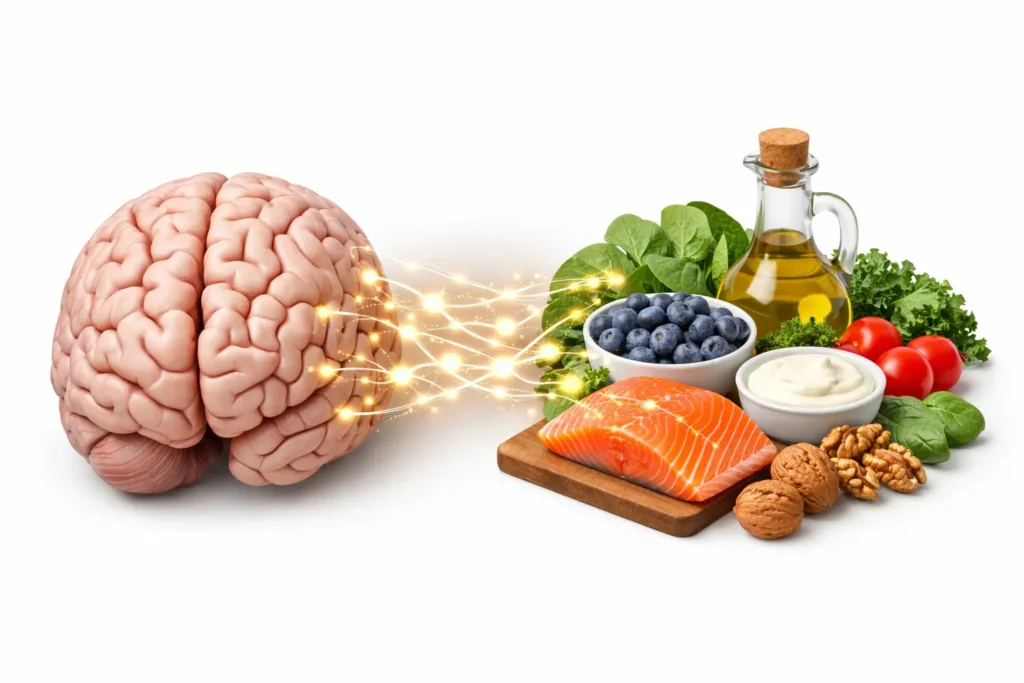
🧠 Understanding How Nutrition Affects the Brain
Our brain needs nutrients for:
- Neurotransmitter production (serotonin, dopamine, GABA) — key chemicals regulating mood and focus.OUP Academic
- Neuroinflammation control — chronic inflammation may worsen depression and anxiety.nutritionnerd.org
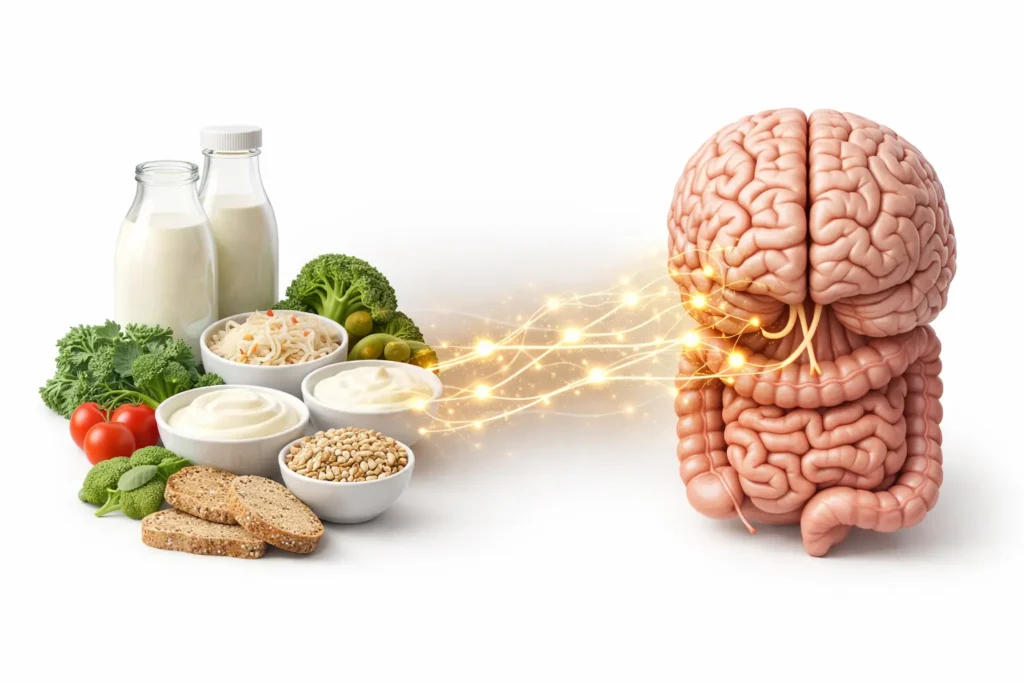
- Gut-Brain communication — the gut microbiome influences brain chemistry and emotional balance.Longdom
- Stable blood sugar levels which affect energy, focus and mood stability — especially relevant in ADHD.nutritionnerd.org
🥦 Dietary Patterns Linked With Better Mental Health
🌿 Mediterranean-Style Eating
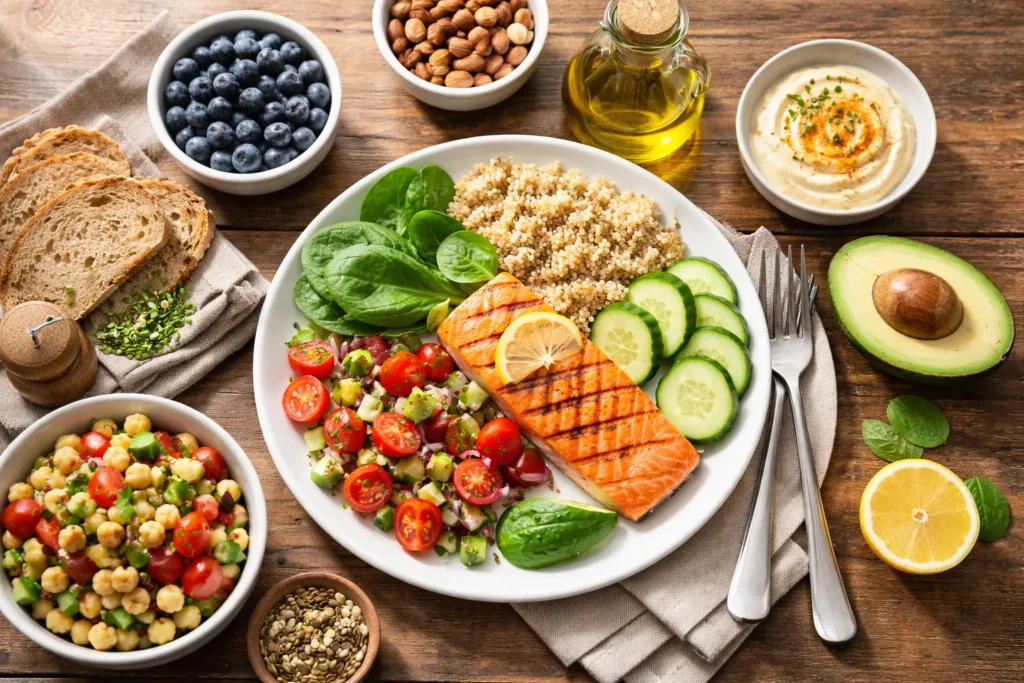
A diet rich in fruits, vegetables, fish, whole grains and healthy fats (olive oil, nuts) is consistently linked with lower rates of depression and anxiety. This pattern supports brain health through antioxidants, omega-3s and anti-inflammatory compounds.Longdom+1
🐟 Whole-Foods & Balanced Diet
Emphasizing minimally processed foods — lean proteins, legumes, whole grains and colorful produce — supports stable mood and cognitive function. Diets high in refined sugars and processed foods are tied to worsened mental health outcomes.PubMedTop Foods That May Help Anxiety, ADHD & Depression
🐟 1. Omega-3-Rich Foods
Foods high in omega-3 fatty acids — such as salmon, mackerel, sardines, flaxseeds and walnuts — support neurotransmitter balance and may reduce depressive symptoms.Longdom
Why it matters: Omega-3s are essential for brain cell communication and reducing inflammation.
🧠 2. High-Fiber Fruits & Vegetables
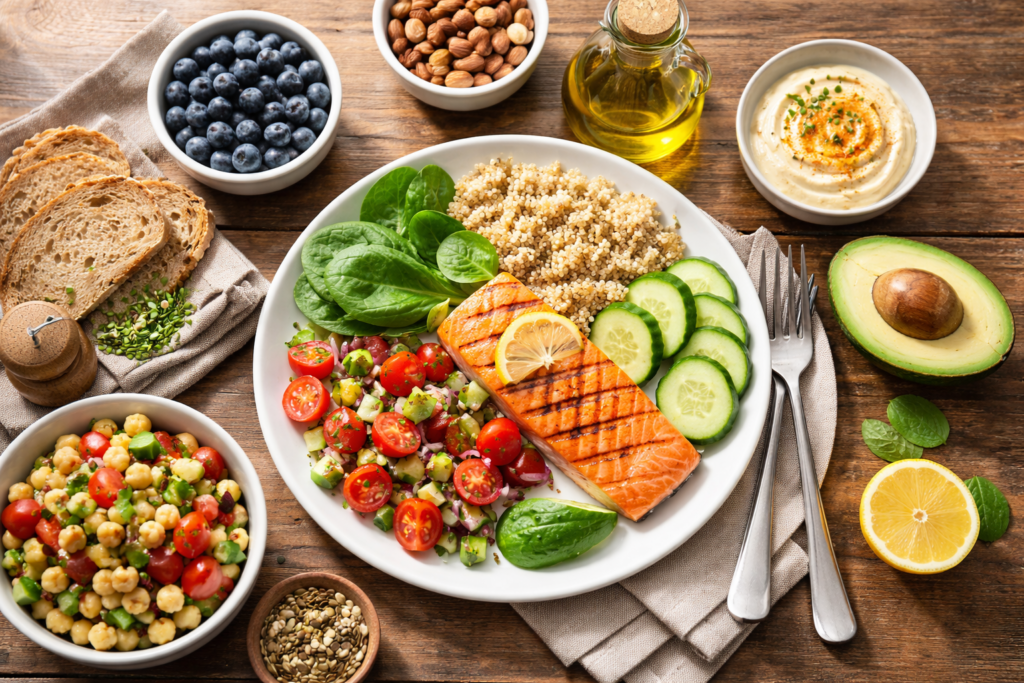
Leafy greens (spinach, kale), berries, legumes and cruciferous vegetables help nourish the gut microbiome — enhancing the gut-brain axis. Higher fruit and vegetable intake is linked with reduced anxiety symptoms.MDPI
🥜 3. Nuts, Seeds & Healthy Fats
Walnuts, almonds, chia seeds and flaxseeds provide healthy fats, magnesium and antioxidants — nutrients important for mood regulation. Regular nut consumption has been associated with lower depression risk.EatingWell
🥛 4. Fermented Foods
Yogurt, kefir, sauerkraut and kimchi contain probiotics that support gut health. Some studies suggest probiotic intake is linked with lower social anxiety and improved mood.Harvard Health
🥚 5. Lean Proteins & Tryptophan SourcesEggs, turkey, chicken, beans and lentils supply tryptophan — an amino acid used to make serotonin, a key mood-regulating neurotransmitter. Adequate protein helps stabilize blood sugar and focus.nutritionnerd.org
🍞 6. Whole Grains
Oats, quinoa, brown rice and whole wheat help maintain steady energy levels. Diets higher in whole grains (vs refined grains) have been linked to lower anxiety and depression.EatingWell
🧂 7. Zinc & Magnesium-Rich Foods
Oysters, cashews, legumes, spinach and seeds provide zinc and magnesium — minerals tied to stress response and calming brain activity. Deficiencies may worsen mood symptoms.Clínic Barcelona
🌶️ 8. Spices & Compounds With Potential Benefits
Saffron, turmeric and cinnamon are high in antioxidants and anti-inflammatory compounds. Some research suggests saffron may have antidepressant effects.ijojournals.com
🧠 Does Nutrition Help ADHD?
Emerging research suggests:
- Diets high in sugar and refined carbs may worsen ADHD symptoms.EurekAlert!
- Nutrient-dense patterns that support stable blood glucose and reduce inflammation may improve attention and behavior.
- Supplements like zinc and omega-3s show some potential benefits but evidence is still developing.PubMed
🍫 What to Limit for Better Mental Health
- Refined sugars and sweets — linked to worse mood and energy fluctuations.PubMed
- Ultra-processed foods — associated with higher depression and anxiety risk.OUP Academic
- Excess caffeine or alcohol — can worsen anxiety and disrupt sleep.
🧩 Putting It All Together: Sample Daily Pattern
| Meal | Brain-Boosting Components |
|---|---|
| Breakfast | Oats with berries, flaxseed & yogurt |
| Lunch | Grilled salmon + quinoa + mixed greens |
| Snack | Nuts & fruit |
| Dinner | Chicken stir-fry with spinach, bell peppers & brown rice |
| Treat | Dark chocolate (70% cocoa+) |
🧠 What the Science Says
While more research — especially randomized controlled trials — is needed to prove causality, multiple studies show strong links between healthy diets and better mental health outcomes. Nutritional psychiatry isn’t a standalone cure, but a powerful complementary strategy to traditional treatments.PubMed+1
🧘♂️ Final Thoughts
Nutritional psychiatry emphasizes that food is more than fuel — it’s information for the brain. Prioritizing nutrient-dense, whole foods supports mood regulation, energy, attention and emotional resilience. For conditions like anxiety, ADHD and depression, combining dietary changes with professional medical advice and treatment yields the best outcomes.
1️⃣ What is the best diet for ADHD and anxiety?
The best diet for ADHD and anxiety is one that:
- Stabilizes blood sugar
- Reduces inflammation
- Supports neurotransmitters (dopamine, serotonin, GABA)
- Nourishes the gut–brain axis
✅ Recommended diet pattern
Mediterranean-style, whole-food diet
🥗 Key components
- Omega-3 rich foods (fatty fish, walnuts, flaxseeds)
- High-protein foods (eggs, legumes, lean meat) → improve focus & dopamine
- Complex carbohydrates (oats, brown rice, quinoa)
- Magnesium-rich foods (leafy greens, nuts, seeds)
- Fermented foods (yogurt, kefir) → gut-brain balance
🚫 Limit
- Sugary foods and drinks
- Ultra-processed snacks
- Artificial colors/additives (important in ADHD)
- Excess caffeine
👉 This dietary approach helps reduce anxiety symptoms and improve attention, impulse control, and emotional regulation.
2️⃣ What are the three superfoods for brain health?
If we had to choose just three, based on strongest evidence:
🥇 Fatty fish (Salmon, Sardines)
- Rich in omega-3 DHA
- Essential for memory, mood, and focus
- Linked to lower depression risk
🥈 Leafy green vegetables (Spinach, Kale)
- High in folate, magnesium, antioxidants
- Support neurotransmitter production
- Protect against cognitive decline
🥉 Berries (Blueberries, Strawberries)
- Rich in polyphenols and flavonoids
- Improve memory and reduce oxidative stress
- Support emotional resilience
3️⃣ What is the best diet for anxiety and depression?
The best diet for anxiety and depression is an anti-inflammatory, nutrient-dense diet that supports serotonin production and gut health.
🧠 Best-supported dietary approach
Mediterranean Diet
🥑 Core foods
- Fruits and vegetables (especially colorful ones)
- Whole grains
- Nuts and seeds
- Olive oil
- Fish and lean proteins
- Fermented foods
🧪 Nutrients especially important
- Omega-3 fatty acids
- B-vitamins (B6, B9, B12)
- Magnesium
- Zinc
- Tryptophan (serotonin precursor)
🚫 Foods to reduce
- Refined sugar
- Ultra-processed foods
- Excess alcohol
👉 Studies show people following this pattern have lower rates of depression and anxiety compared to Western diets.
4️⃣ What are the 10 best brain foods?
Here are the top 10 brain-boosting foods, backed by nutritional psychiatry research:
- Fatty fish (salmon, sardines)
- Eggs (choline for memory)
- Leafy greens (folate, magnesium)
- Berries (antioxidants)
- Walnuts (plant-based omega-3)
- Pumpkin seeds (zinc, magnesium)
- Yogurt/Kefir (gut-brain axis)
- Whole grains (steady glucose for focus)
- Dark chocolate (70%+) (flavonoids)
- Olive oil (anti-inflammatory fats)
🧩 Key Takeaway (Medical Perspective)
- Diet cannot replace medication or therapy, but it plays a powerful supportive role
- Nutritional psychiatry shows that better food choices = better brain chemistry
- Consistency matters more than perfection
If you’d like, I can:🧠 The Link Between Food and Mental Health
Food directly affects:
- Neurotransmitters (serotonin, dopamine, GABA)
- Brain inflammation
- Gut–brain axis
- Stress response and emotional regulation
Poor diet quality is associated with higher rates of depression, anxiety, ADHD, and cognitive decline, while nutrient-dense diets support emotional resilience and mental clarity.
📉 Worst Foods for Mental Health
These foods are consistently linked with poorer mental health outcomes:
- Ultra-processed foods
- Sugary drinks and sweets
- Refined carbohydrates (white bread, pastries)
- Trans fats
- Excess alcohol
- Artificial food colors and additives
- Highly processed fast food
👉 These foods promote inflammation, blood sugar swings, and neurotransmitter imbalance.
🥗 Top 10 Foods for Mental Health
- Fatty fish (salmon, sardines)
- Leafy green vegetables
- Berries
- Eggs (rich in choline)
- Nuts and seeds
- Whole grains
- Yogurt and kefir (probiotics)
- Olive oil
- Legumes
- Dark chocolate (70%+ cocoa)
These foods support mood stability, focus, memory, and stress regulation.
🧠 Nutrition and Mental Health: Importance of Diet in Depression
Strong evidence shows:
- Mediterranean-style diets lower depression risk
- Anti-inflammatory foods improve treatment outcomes
- Gut health plays a central role in mood disorders
Diet is not a replacement for therapy or medication, but a powerful complementary strategy in depression care.
🔬 Diet and Mental Health Studies (Key Findings)
- Diet quality predicts depression risk
- Omega-3 intake linked to improved mood
- Ultra-processed foods increase anxiety and depressive symptoms
- Gut microbiome diversity correlates with emotional health
This body of research forms the foundation of nutritional psychiatry.