
Medically reviewed by Dr. Zehra Siddiqui, MSc, PhD — Plant Cytogenetics & Biotechnology Specialist (27+ Years Experience)
Last updated: 2025-12-28
Introduction
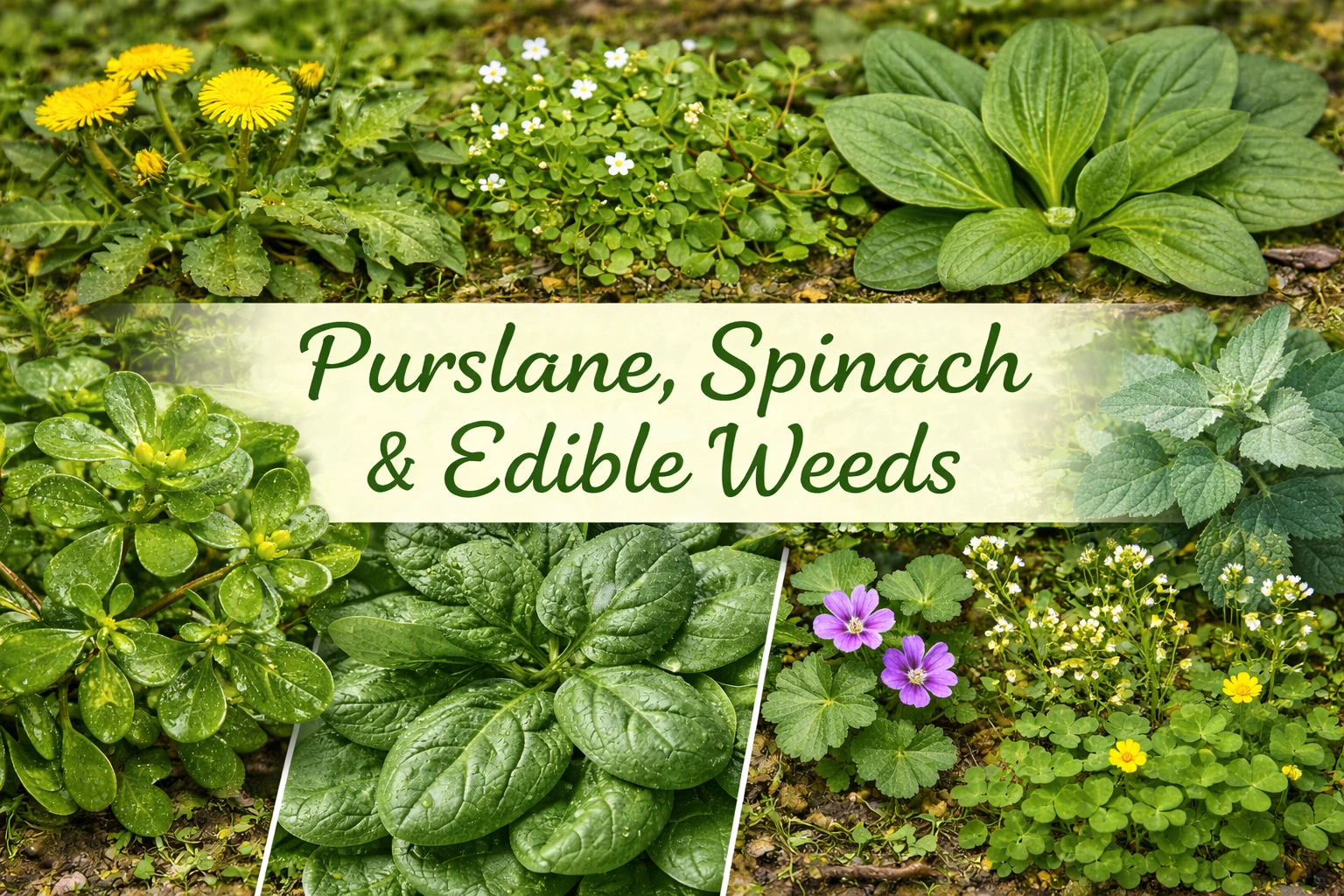
Purslane is often dismissed as a common backyard weed, but it may outperform spinach in key nutrients. Both greens are widely used, but understanding their differences can help you maximize your nutrient intake and improve overall health.
“Purslane is one of the richest plant sources of alpha-linolenic acid, a vital omega-3 fatty acid that supports heart and brain health.” – Journal of Food Composition and Analysis
This guide compares purslane and spinach across vitamins, minerals, antioxidants, and health benefits, with practical tips on how to include them in your diet.
Nutritional Comparison: Purslane vs Spinach
| Nutrient | Purslane (per 100g) | Spinach (per 100g) | Advantage |
|---|---|---|---|
| Omega-3 | 300 mg | 140 mg | Purslane |
| Vitamin A | 132 µg | 469 µg | Spinach |
| Vitamin C | 21 mg | 28 mg | Spinach |
| Iron | 2.3 mg | 2.7 mg | Spinach |
| Magnesium | 68 mg | 79 mg | Spinach |
| Antioxidants | Very High | Moderate | Purslane |
“Including wild greens like purslane in your diet can improve antioxidant intake by up to 50% compared to conventional vegetables.” – Nutrition Research Reviews
Tip: Purslane is especially rich in ALA (alpha-linolenic acid), a plant-based omega-3, which supports heart and brain health.
Health benefits of purslane:
- Anti-inflammatory effects for joint and heart health
- Rich in antioxidants to protect cells from oxidative stress
- Supports brain function due to omega-3 content
- Naturally drought-resistant and chemical-free
“For centuries, purslane has been used in traditional medicine for its anti-inflammatory and digestive benefits.” – Ethnobotanical Studies
Health Benefits of Spinach
- Rich source of vitamins A, C, and K for immunity and vision
- Contains folate and minerals that support blood health
- Easy to cook and integrate into daily meals
- Mild flavor, ideal for salads, smoothies, and sautés
How to Eat Purslane and Spinach
- Purslane: Best raw in salads, lightly sautéed, or added to soups and smoothies
- Spinach: Versatile for steaming, sautéing, or blending in smoothies
- Combination Tip: Mixing both ensures a balanced nutrient profile, covering both iron, vitamin A, and omega-3s
“Always introduce new greens gradually. Even highly nutritious plants can upset digestion if eaten in large amounts too quickly.” – Dr. Zehra Siddiqui
Practical Tips for Beginners
- Wash leaves thoroughly to remove dirt and debris
- Harvest purslane from clean, untreated soil
- Start with small portions to allow your body to adjust
- Combine with other vegetables for variety and taste
“Next time you see purslane growing in your yard, don’t pull it out—consider it a free superfood waiting to be enjoyed!”
Frequently Asked Questions (FAQ)
Q1: Is purslane better than spinach?
- Purslane is higher in omega-3s and antioxidants, while spinach is richer in iron and vitamin A. Combining both is ideal.
Q2: Can purslane be eaten raw?
- Yes, as long as it is washed properly and harvested from clean soil.
Q3: Are there any risks with eating purslane?
- It contains oxalates, so people prone to kidney stones should consume in moderation.
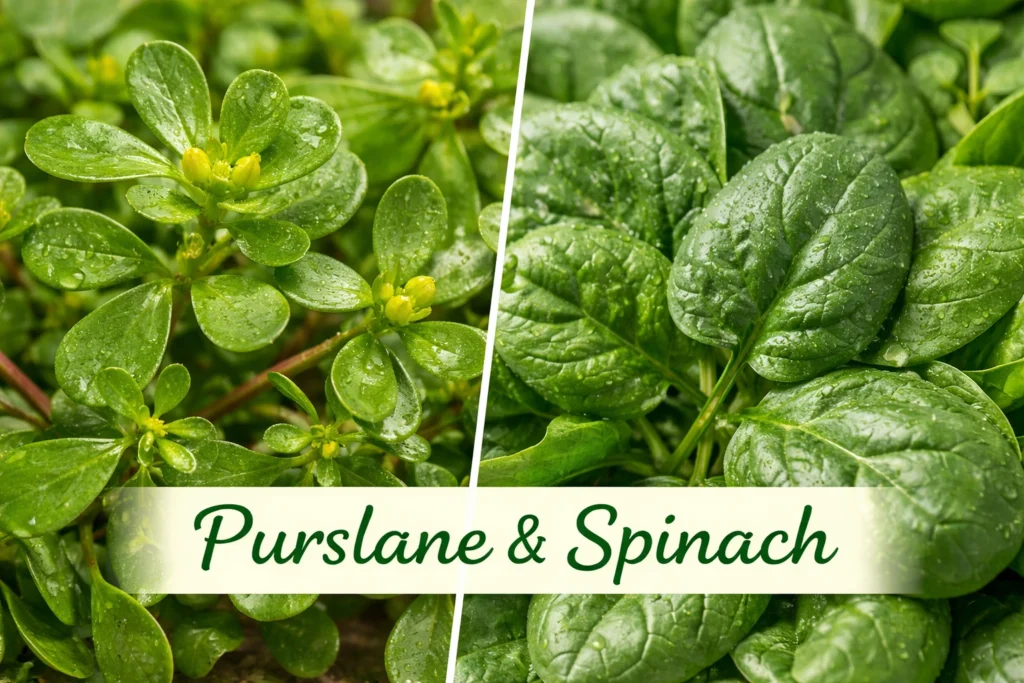
How to Eat Purslane and Spinach
- Purslane: Stir-fry, salads, soups, smoothies
- Spinach: Steamed, sautéed, salads, smoothies
- Combination Tip: Mix both for a nutrient-packed meal with fiber, vitamins, and omega-3s
Frequently Asked Questions
Q1: Is purslane better than spinach?
Depends on your goal. Purslane is better for omega-3 intake and antioxidants, while spinach is stronger in iron and vitamin A.
Q2: Can I eat purslane raw?
Yes, but always wash thoroughly and remove any contaminated leaves.
Q3: Are there any risks?
Purslane contains oxalates; people prone to kidney stones should consume in moderation.

Dr. Mohammed Abdul Azeem Siddiqui, MBBS
Registered Medical Practitioner (Reg. No. 39739)
With over 30 years of dedicated clinical experience, Dr. Siddiqui has built his career around one clear mission: making quality healthcare affordable, preventive, and accessible.
He is deeply passionate about:
Early disease diagnosis – empowering patients with timely detection and reducing complications.
Preventive healthcare – guiding individuals and families towards healthier, longer lives through lifestyle interventions and screenings.
Affordable treatments – ensuring cost-effective, evidence-based medical solutions that reach people from all walks of life.
Through his blog, Dr. Siddiqui shares practical health insights, early warning signs, and preventive strategies that readers can trust. Every article is rooted in evidence-based medicine and enriched by decades of hands-on clinical practice.
EMAIL: powerofprevention@outlook.com
📌 Disclaimer: The content in this blog is for educational purposes only and should not replace personalized medical consultation. For specific health concerns, please consult your physician.
Leave a Reply