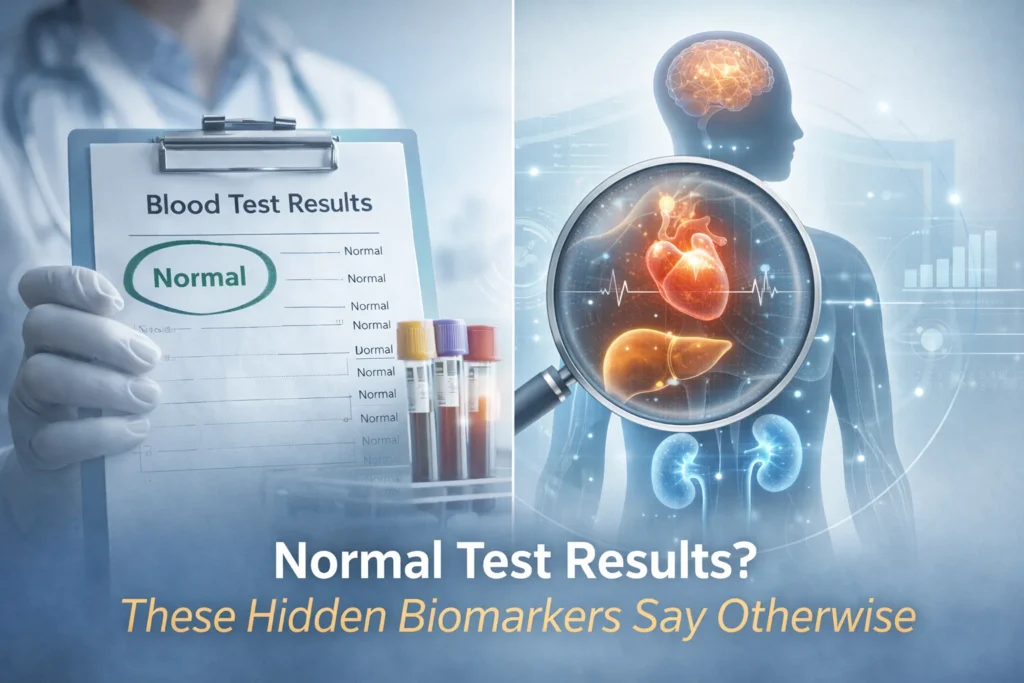

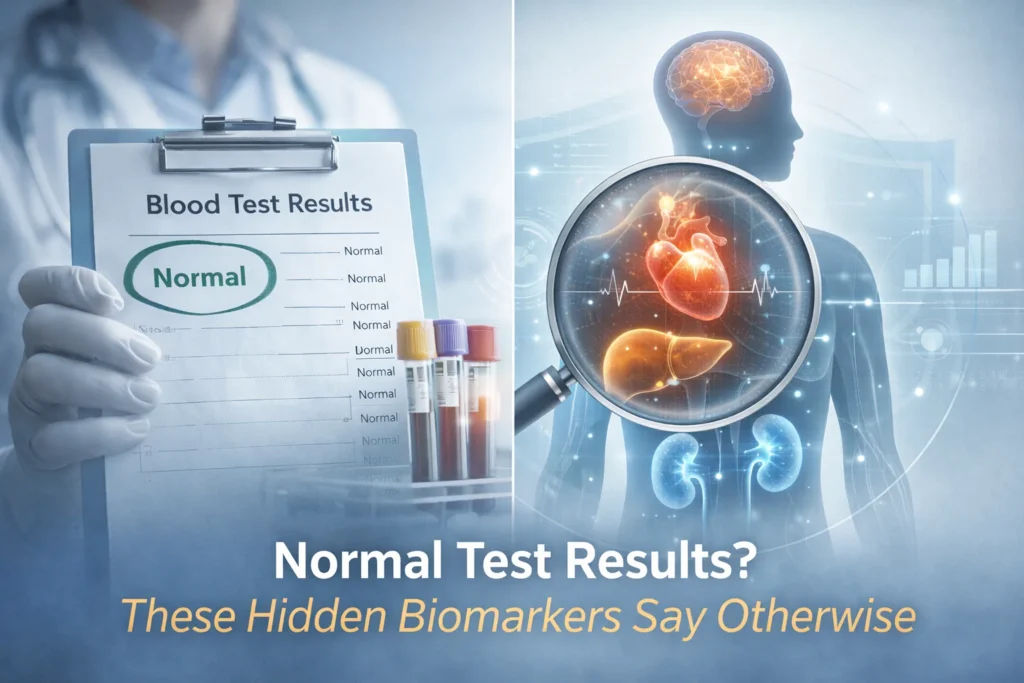
Your lab results may look normal — but these hidden blood biomarkers can reveal silent disease years before symptoms appear.
Why Feeling Healthy Doesn’t Always Mean You Are
Many people go through routine annual checkups and are told: “Your blood work looks normal.”
They feel reassured, thinking their health is fine — only to be diagnosed with heart disease, fatty liver, diabetes, or autoimmune conditions years later.
How does this happen?
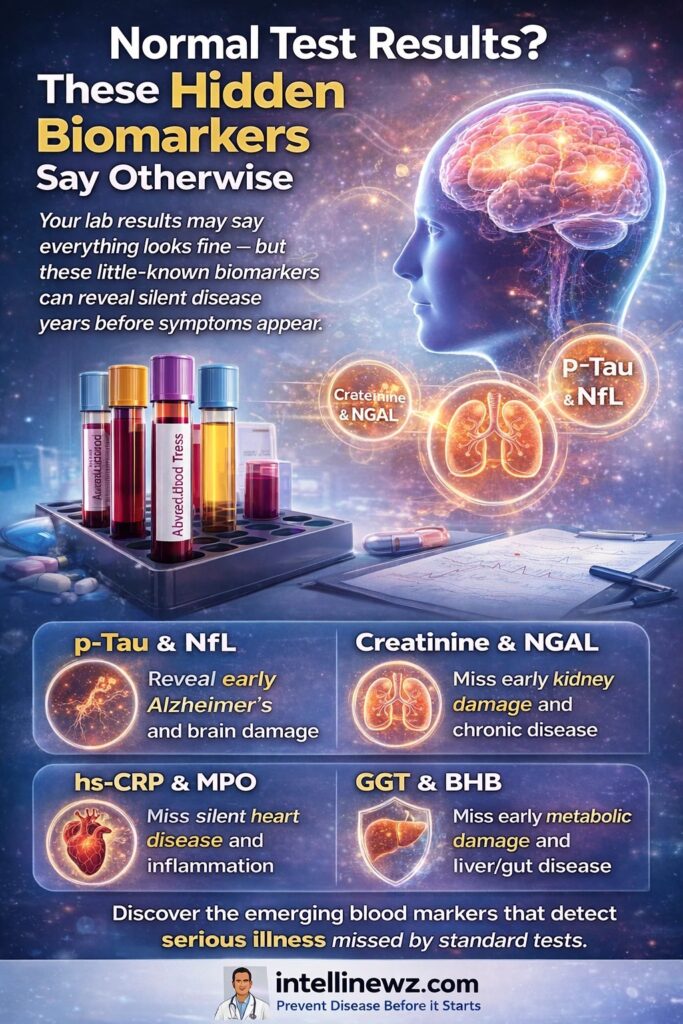
Traditional blood tests measure late-stage biochemical breakdown, not early cellular stress. Your cholesterol, fasting sugar, liver enzymes, and kidney function may all fall within “normal” reference ranges — but this does not guarantee your organs are safe.
Chronic disease often begins 10–20 years before symptoms appear. During this silent phase, your organs may be accumulating inflammation, oxidative stress, insulin resistance, fibrosis, and hormonal imbalance — all invisible on routine labs.
This is where hidden biomarkers come in.
What Are Hidden Biomarkers?
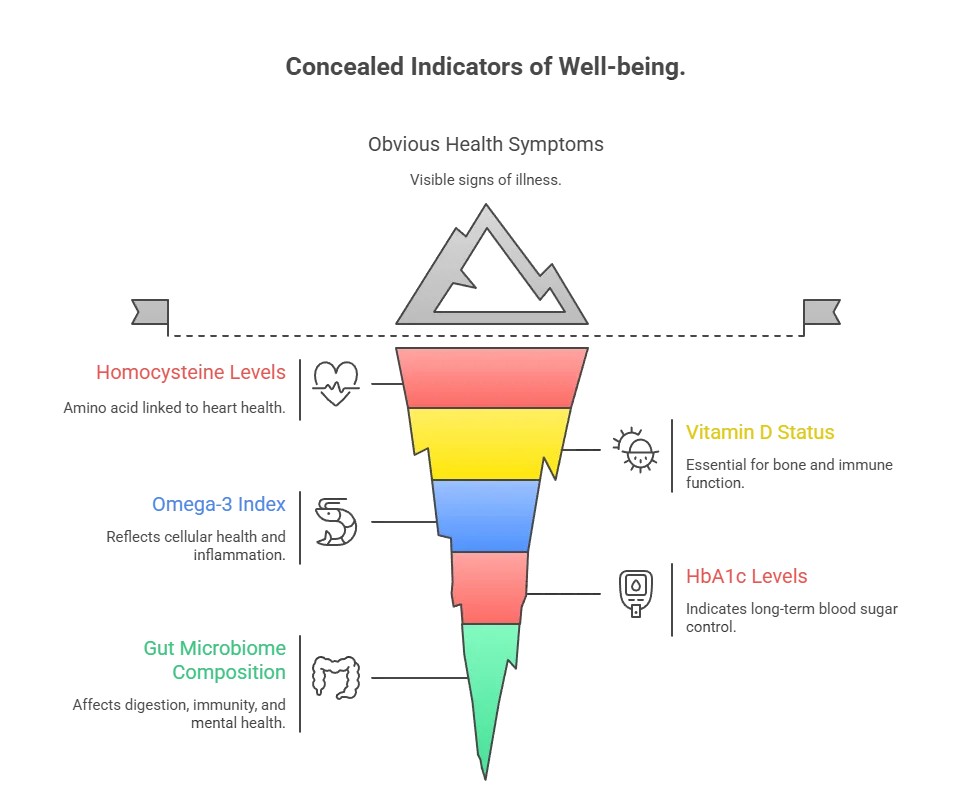
Hidden biomarkers are specialized lab tests that detect early organ damage, cellular stress, and metabolic dysfunction before symptoms develop. Unlike standard blood panels, they reveal the underlying processes that drive chronic disease.
| Biomarker | What It Detects | Organs Affected |
|---|---|---|
| GlycA | Systemic inflammation | Heart, vessels, immune system |
| suPAR | Multi-organ risk | Heart, kidneys, brain |
| TyG Index | Insulin resistance | Liver, pancreas |
| NfL | Brain cell injury | Brain |
| ELF Score | Liver fibrosis | Liver |
| Klotho | Accelerated aging | Whole body |
| 8-OHdG | DNA oxidative damage | Cells |
By measuring these biomarkers, doctors can detect future disease risk, not just current illness.
How Early Organ Damage Starts
Even when you feel healthy, damage begins at the cellular level:
- Inflammation: Immune system is overactive, releasing cytokines that injure tissues.
- Insulin Resistance: Cells fail to respond to insulin, raising long-term metabolic risk.
- Oxidative Stress: Free radicals damage DNA, proteins, and lipids.
- Fibrotic Scarring: Small areas of tissue harden, gradually impairing organ function.
- Mitochondrial Dysfunction: Cells lose energy production capacity.
- Hormonal Dysregulation: Cortisol, thyroid, sex hormones, and others fall out of balance.
These processes may remain invisible on standard tests for years.
Real-Life Example: Fatty Liver Disease
For decades, fatty liver (NAFLD/NASH) was labeled “silent” because liver enzymes often remained normal. Patients could feel perfectly healthy until cirrhosis or liver cancer developed.
Now, ELF Score, miR-122, and FGF-21 can detect early liver fibrosis. Patients can reverse damage through weight management, nutrition, and insulin correction — preventing severe disease and hospitalization.
Hidden Biomarkers and Heart Disease
Heart attacks often strike people with “normal” cholesterol. Standard labs miss arterial inflammation and plaque instability.
Advanced biomarkers such as Lp-PLA2, GlycA, and suPAR identify silent vascular stress years in advance. Lifestyle modifications, vascular nutrition, and preventive interventions can dramatically reduce risk before symptoms appear.
Brain Health: Detecting Neuronal Damage Early
Memory loss is usually considered the first sign of Alzheimer’s, but by that point, 30–40% of neurons may be gone.
Blood biomarkers like Neurofilament Light (NfL), p-Tau217, and GFAP reveal early brain injury up to 20 years before symptoms. Early interventions — controlling inflammation, insulin resistance, and vascular health — can slow decline and preserve cognitive function.
Why Routine Labs Are Not Enough
Routine tests use population reference ranges, which often reflect the average health of the population — not optimal health. In populations where metabolic disease is common, “normal” can still indicate early disease processes.
Hidden biomarkers detect physiological stress, identifying risk before it becomes visible.
Who Should Consider Hidden Biomarker Screening?
- Adults over 30, especially with family history of chronic disease
- Individuals with fatigue, weight gain, brain fog, or sleep disruption
- People with “normal labs” but declining health
- Anyone focused on affordable, preventive healthcare
Screening early allows patients to take control of their health trajectory before disease progression.
Affordable Preventive Biomarker Panels
| Budget | Priority Tests |
|---|---|
| Low | TyG Index, fasting insulin |
| Medium | GlycA, ELF Score |
| High | NfL, suPAR, Klotho |
Even basic panels provide early warning, and interventions are often lifestyle-based, inexpensive, and non-invasive.
How Early Detection Changes Outcomes
Detecting disease early allows:
- Organ repair and regeneration
- Metabolic correction
- Nutritional targeting
- Medication avoidance or delay
- Lower lifetime healthcare costs
Preventive action is always more effective than waiting for symptoms.
or a complete guide to all hidden biomarkers and organ-specific early detection, visit our main Hub: Hidden Blood Markers That Detect Disease Years Before Diagnosis.
This page includes full medical insights, organ-specific markers, and preventive strategies.
Conclusion
Feeling healthy does not guarantee that your organs are safe. Hidden biomarkers provide early insight into silent damage, allowing intervention years before symptoms appear.
Routine labs are a good start, but for affordable, preventive, and precise healthcare, advanced blood markers are changing the game. Detect early, act early, and protect your long-term health.
Medical Disclaimer
This content is for educational purposes only and does not replace professional medical advice. Consult a qualified healthcare provider before testing or treatment decisions.