
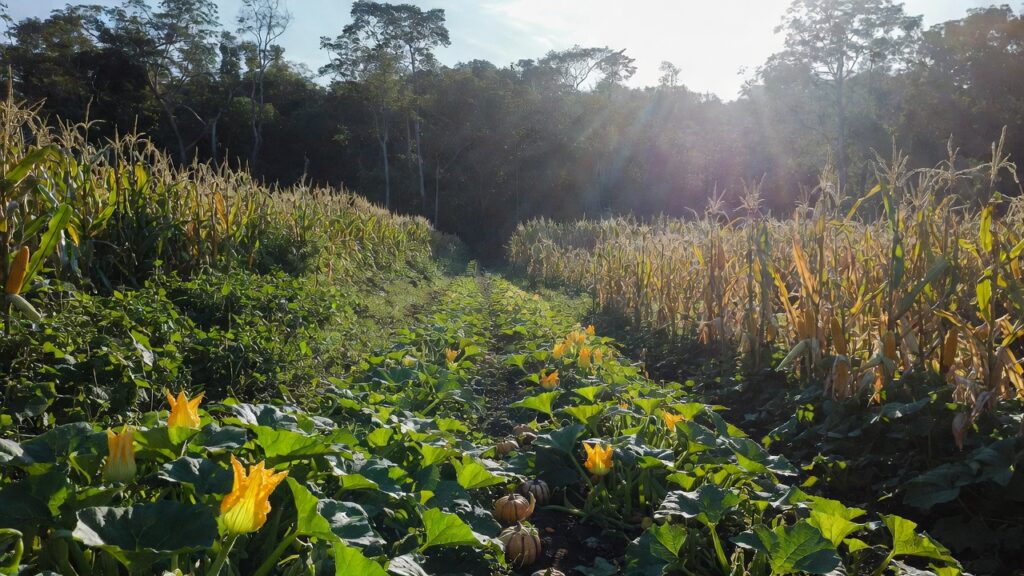

New 2026 study reveals the remarkable bioactive power of traditional Maya milpa foods—with leaves and seeds emerging as unsuspected nutritional heroes
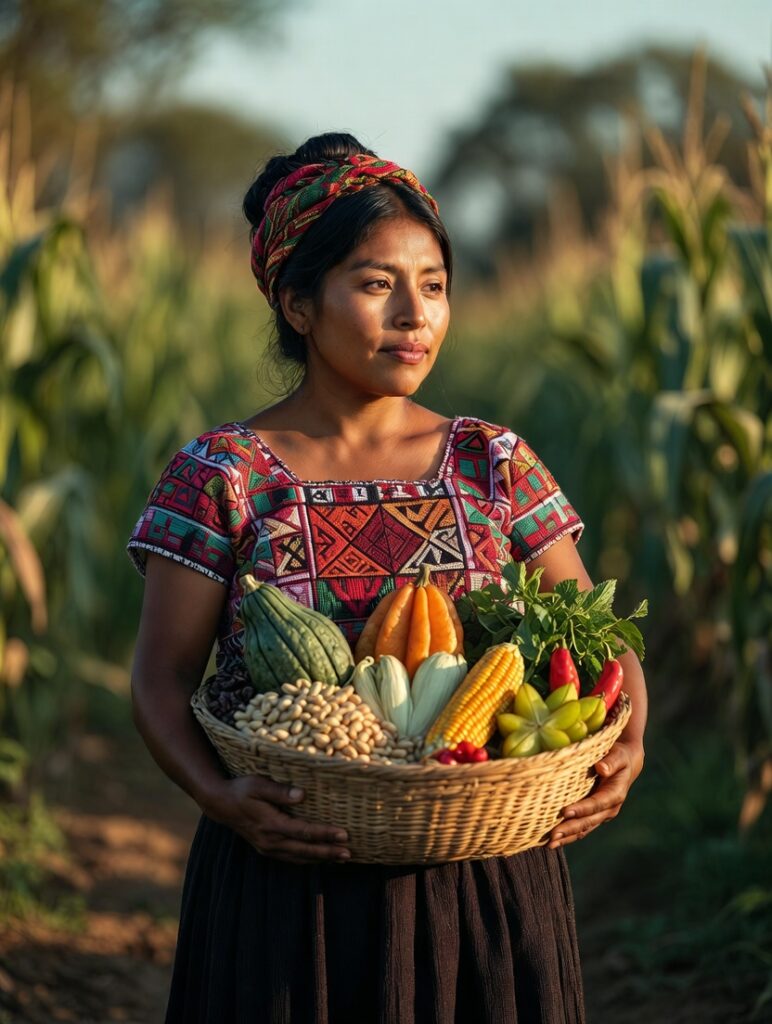
For decades, the Mediterranean diet has reigned as the gold standard for metabolic health, celebrated for its olive oil, leafy greens, and heart-protective polyphenols. But a comprehensive 2026 study suggests we may have overlooked another nutritional treasure—one cultivated in Mesoamerican cornfields for millennia.
The traditional Maya milpa diet—a sophisticated agricultural system of interplanted corn, beans, squash, chiles, and companion plants—contains bioactive compound concentrations that rival the Mediterranean diet, according to research published this year. And in a surprising twist, the study found that the most powerful metabolic benefits may come not from the familiar fruits and vegetables, but from the leaves and seeds that modern diets typically discard.
The Milpa Medicine Cabinet
The milpa system, developed by Maya civilization over 4,000 years ago, is far more than a farming technique. It represents a philosophical understanding of food as medicine, with each plant playing multiple roles in both the field and the human body.
The 2026 study analyzed 24 foods from the traditional milpa repertoire, measuring concentrations of bioactive compounds—the plant secondary metabolites responsible for many of their health benefits. Researchers found total phenol concentrations ranging from 7.44 to 123.74 micrograms of gallic acid equivalent per milligram, and total flavonoids ranging from 2.72 to 16.13 micrograms of catechin per milligram.
These figures place milpa foods squarely in competition with celebrated Mediterranean staples. But the study’s most striking finding emerged when researchers applied machine learning algorithms to identify which foods offered the most potent protection against metabolic syndrome—the cluster of conditions including elevated blood sugar, high blood pressure, abnormal cholesterol, and excess abdominal fat that affects nearly one-third of American adults.
Unexpected Champions: Leaves and Seeds
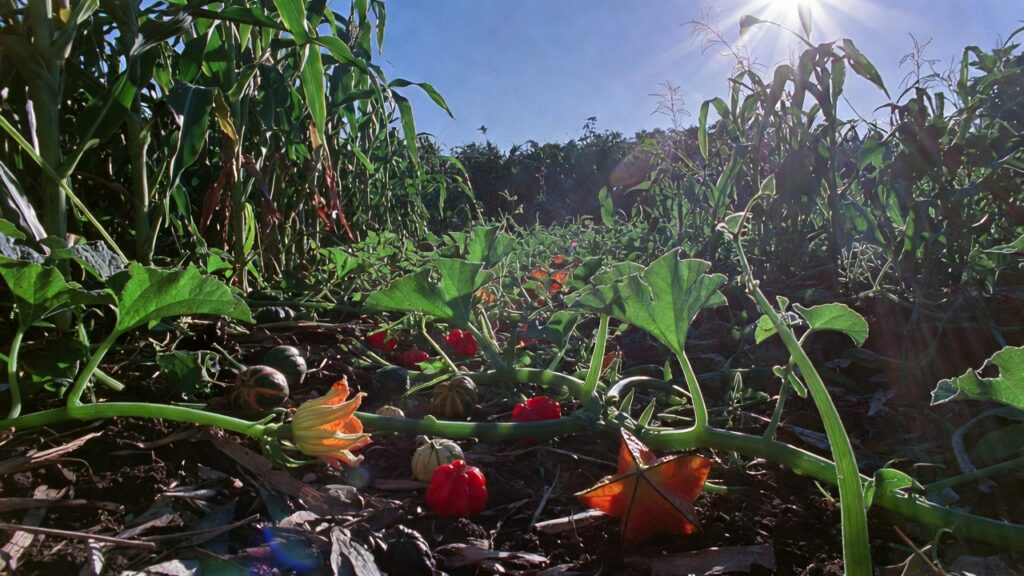
While fruits understandably drew attention, the machine learning analysis identified four foods with exceptional bioactive profiles against metabolic syndrome: Mentha spicata (mint), Averrhoa carambola (star fruit), Capsicum chinense (habanero-type chiles), and Bixa orellana (achiote).
Mint registered the highest overall concentrations of both phenols and flavonoids among all tested foods—a finding that challenges assumptions about which parts of plants offer the greatest nutritional value. The analysis revealed that leaves and seeds consistently outperformed fruits as food groups, due to their remarkably high flavonoid content.
This finding carries profound implications. While global food systems increasingly emphasize sweet fleshy fruits (often bred for sugar content rather than phytochemical density), traditional Maya practice incorporates leaves and seeds as dietary staples—not occasional garnishes.
The Synergy of Diversity
Perhaps the most significant finding involves how these foods work together. The milpa diet doesn’t depend on single “superfoods” but on diversity itself. Different plant parts contribute different bioactive compounds, creating overlapping protective effects.
“The simultaneous antidiabetic, antihypertensive, and antilipidemic effects we’re seeing come from the combination, not any single food,” the study authors note. The chile seeds provide capsaicinoids that influence metabolism; squash leaves offer flavonoids that support vascular health; bean leaves contribute polyphenols that modulate glucose absorption.
This polypharmacy approach—multiple compounds targeting multiple metabolic pathways simultaneously—mirrors how modern medicine treats complex conditions, but without the side effects and at a fraction of the cost.
What We’ve Lost
The study’s findings arrive at a critical moment. Traditional dietary systems worldwide are being displaced by ultra-processed convenience foods, and the milpa is no exception. As Maya populations urbanize and adopt globalized diets, the profound diversity of the traditional cornfield is shrinking to a handful of staple crops.
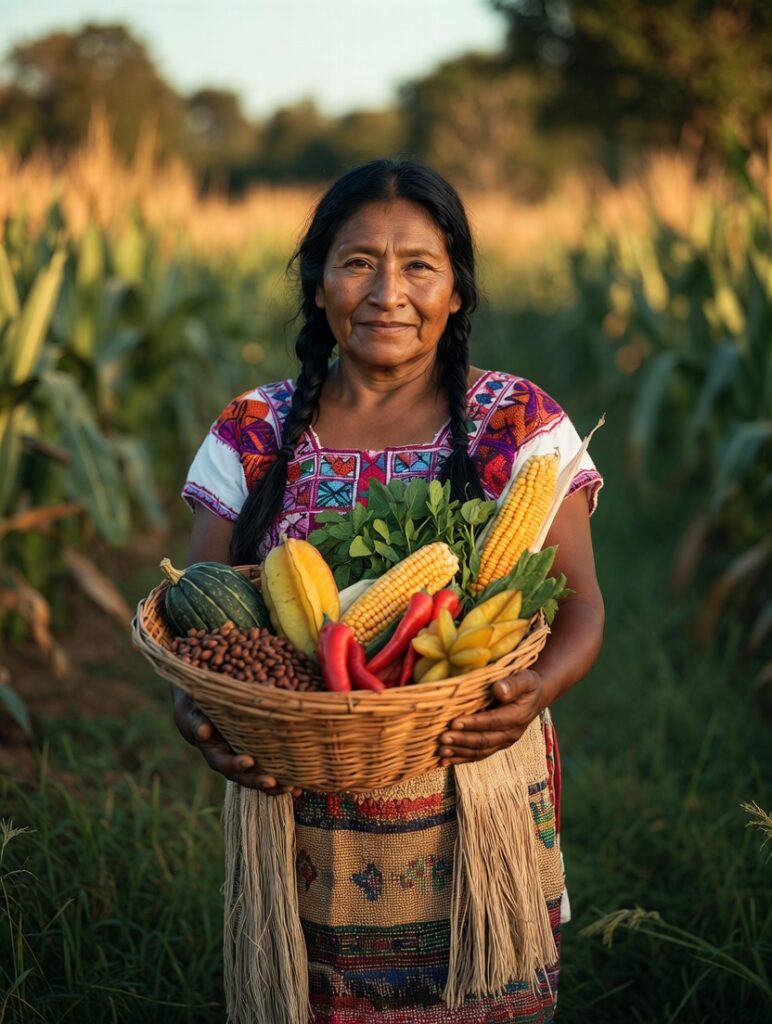
“We’ve engineered variety out of our food system in pursuit of efficiency and shelf stability,” the researchers observe. “But metabolic health may depend on the very diversity we’ve eliminated.”
Modern supermarkets offer thousands of products but rely on a shrinking genetic base. The milpa, by contrast, generates biodiversity intentionally—corn provides structure for beans to climb, beans fix nitrogen for squash, squash spreads ground cover to retain moisture, and every plant contributes something to the human diet.
A Prescription from the Past
For clinicians and nutritionists, the study suggests new avenues for dietary counseling. Rather than simply recommending generic increases in vegetable consumption, specific guidance about incorporating edible leaves and seeds—from traditional sources or cultivated alternatives—might offer greater metabolic benefit.
For individuals, the milpa prescription might look like this:
- Diversify plant parts: Seek out edible leaves beyond the usual greens—squash greens, bean leaves, and herbs like mint offer concentrated flavonoids
- Embrace seeds fully: Not just for planting, but for eating—squash seeds, chile seeds, and others concentrate bioactive compounds
- Think in combinations: The corn-beans-squash triad provides complementary amino acids and phytochemicals that work synergistically
- Include heat: Capsaicin-rich chiles appear repeatedly in the most potent foods identified
The Future of Food as Medicine
The 2026 study doesn’t suggest abandoning the Mediterranean diet—a well-validated approach to eating that continues to benefit millions. Rather, it expands our understanding of what constitutes a “medically valuable” food tradition and suggests that multiple cultural pathways lead to metabolic health.
As machine learning tools become more sophisticated at identifying bioactive compounds and predicting their interactions, researchers hope to map the full pharmacological potential of traditional food systems before they disappear.
The milpa has fed Mesoamericans for thousands of years not merely by providing calories, but by providing medicine in every bite. In an era of metabolic disease epidemics, that ancient wisdom may offer precisely what modern medicine needs—a prescription written not in a pharmacy, but in a cornfield.
The study, conducted in 2026, analyzed 24 traditional Maya milpa foods for bioactive compound concentrations and their potential effects on metabolic syndrome parameters.