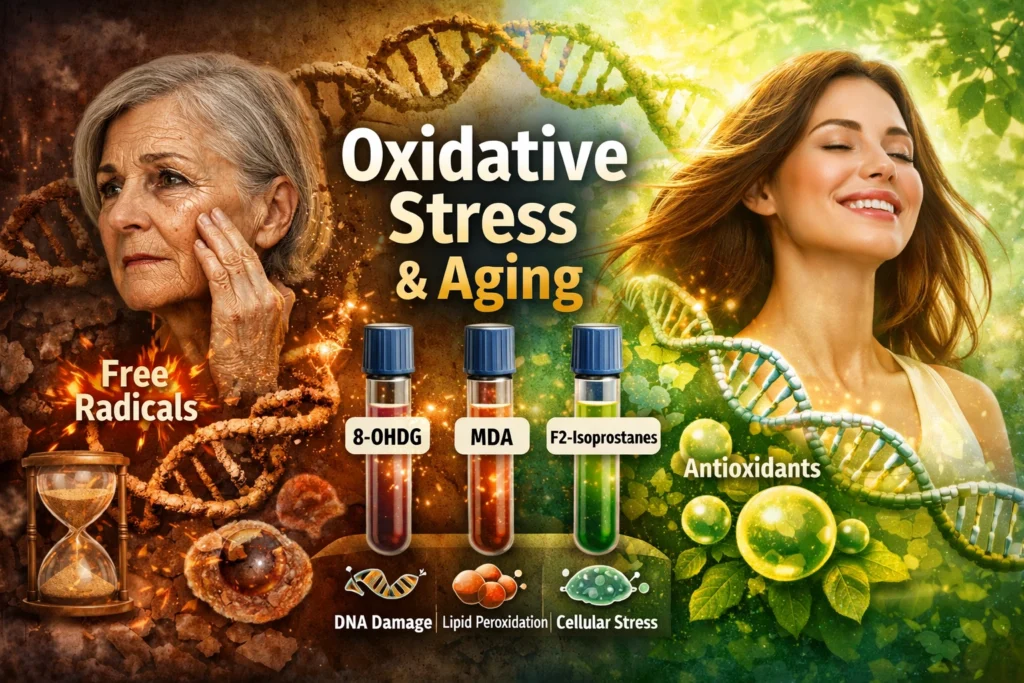

As the pursuit of healthspan replaces the simple counting of candles on a birthday cake, oxidative stress has emerged as one of the most critical—and measurable—drivers of how fast we truly age. This biological imbalance between damaging free radicals and protective antioxidants acts as a silent rust, gradually corroding our DNA, cell membranes, and proteins decades before chronic disease or visible aging ever appears.
Thanks to advances in preventive testing, we can now quantify this cellular wear and tear through specific biomarkers like 8-OHdG, MDA, and F2-Isoprostanes, transforming oxidative stress from an abstract concept into a trackable metric that empowers individuals to intervene early with personalized lifestyle and therapeutic strategies.
How to Test Oxidative Stress Biomarkers in the USA (2026 Options)
- At-Home Tests: Urine-based kits (e.g., MDA strips) deliver results in minutes—ideal for tracking diet/exercise impact on free radicals.
- Lab Panels: Comprehensive urine/saliva/blood tests measure multiple markers + genetics; often include Oxidative Damage Scores estimating “aging speed.”
- Integration with Wearables/AI: Pair results with CGM or smart rings for holistic views—e.g., how sleep or “food as medicine” reduces stress.
Many are accessible without insurance via direct-to-consumer labs; look for CLIA-certified options emphasizing longevity.
Top Oxidative Stress Biomarkers for Anti-Aging Monitoring
Here are the most relevant biomarkers in 2026, prioritized for preventive testing:
- 8-OHdG (8-hydroxy-2′-deoxyguanosine) — Gold-standard marker of oxidative DNA damage. Elevated levels signal accelerated aging and higher disease risk. Often measured in urine for non-invasive tracking.
- MDA (Malondialdehyde) — Indicates lipid peroxidation (damage to cell membranes). At-home urine tests now make MDA easy to monitor as a proxy for overall oxidative burden.
- GS-HNE (Glutathione 4-hydroxynonenal) — Sensitive indicator of lipid oxidative damage; part of comprehensive profiles showing cumulative harm.
- Protein Carbonyls (PC) — Measures protein oxidation; linked to cognitive decline, sarcopenia, and inflammation.
- F2-Isoprostanes — Reliable urine/plasma marker of systemic lipid peroxidation.
- Oxidized Albumin — Emerging for kidney/overall stress; reflects chronic imbalance.
- Antioxidant Enzymes/Status (e.g., GSH/GSSG ratio, SOD activity) — Low ratios indicate overwhelmed defenses.
Advanced panels (e.g., Vibrant Wellness Oxidative Stress Profile) combine 16+ damage markers with 32 genetic variants for personalized antioxidant needs.
Practical Ways to Reduce Oxidative Stress for Anti-Aging
- Diet: Antioxidant-rich foods (berries, greens, nuts) boost defenses; test CGM responses for blood sugar stability.
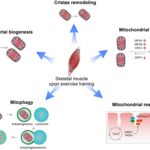
- Exercise: Moderate activity lowers ROS while enhancing mitochondria.
- Supplements: Targeted antioxidants (e.g., vitamin E, resveratrol) based on biomarkers.
- Lifestyle: Prioritize sleep, stress management, and avoiding pollutants.
Monitor progress with repeat testing—many see improvements in 30-90 days.