

Which One Actually Kills Your Zits? The Ultimate Skincare Showdown! 💥
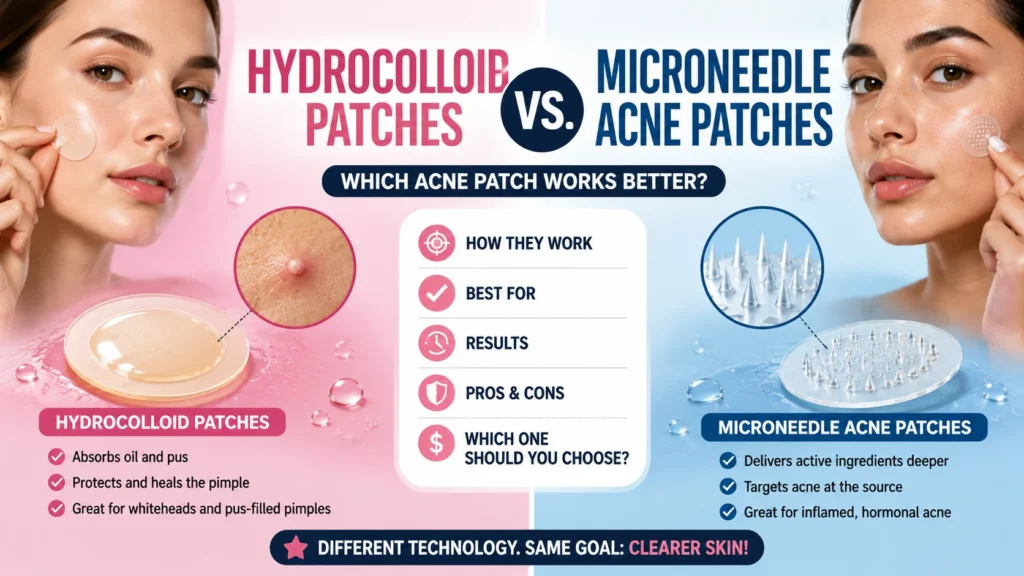
✅ Hydrocolloid: Sucks out gunk from surfaced whiteheads like a vacuum. Best for popped or pus-filled pimples.
✅ Microneedle: Injects active ingredients (like Salicylic Acid) into deep, painful cysts. Best for blind pimples below the surface.
🏆 The Verdict: They aren’t enemies—they’re a dynamic duo! Use hydrocolloid for the top layer and microneedle for the deep stuff.
📑 Table of Contents
🧐 The Great Patch Debate
Walk into any drugstore or scroll through TikTok, and you’ll see two distinct armies of acne patches: the classic Hydrocolloid and the futuristic Microneedle. Both claim to banish blemishes, but they work in completely different universes.
One sits on top of your skin like a sponge, while the other literally pokes tiny dissolvable needles into your pore. But which one should you slap on that angry red bump? Let’s dissect the science, the hype, and the results.
🟢 Hydrocolloid 101 — The Surface Sucker
✅ Best for: Whiteheads, popped pimples, or any zit that has come to a head. They are also amazing for post-extraction to speed up healing and reduce scabbing.
❌ The Catch: They do NOT contain active ingredients. If your pimple is a deep, painful cyst with no head, a hydrocolloid patch is basically just an expensive piece of tape. It won’t penetrate the skin barrier.
🔵 Microneedle 101 — The Deep Injector
✅ Best for: Deep, cystic, hormonal breakouts that haven’t surfaced yet. They stop the inflammation in its tracks and reduce the bump’s size overnight.
❌ The Catch: They are more expensive. They can cause slight redness (micro-trauma) and shouldn’t be used on already open or popped pimples because you’re just poking an open wound.
⚔️ Head-to-Head Comparative Study
Let’s put them side-by-side. Which one wins in each category?
| Factor | 🟢 Hydrocolloid | 🔵 Microneedle |
|---|---|---|
| Best Target | Surfaced Whiteheads / Popped Zits | Deep, Cystic, Blind Pimples 🏆 |
| Active Ingredients | None (just absorbs fluid) | Salicylic Acid, Hyaluronic Acid, Cica 🏆 |
| Speed of Results | Overnight (pulls gunk out) 🏆 | Takes 2-3 nights (reduces inflammation slowly) |
| Pain Level | Zero pain 🏆 | Mild pressure (micro-darts) |
| Price Point | Budget-friendly 🏆 | Premium / Expensive |
| Post-Popping Care | Excellent (absorbs fluids) 🏆 | Not recommended (irritates open skin) |
🤔 Which Should You Use? (The Decision Matrix)
🔥 Pro Secret: Use a microneedle patch for 2 nights to bring the cyst to a head, then switch to a hydrocolloid patch for the final 1-2 nights to drain the fluid. This “combo” strategy is what dermatologists whisper about!
🛒 Ready to Build Your Ultimate Zit-Fighting Arsenal?
👉 Grab the Best Patches Now 👈🛍️ Top-Rated Acne Patches (Hydrocolloid & Microneedle)
Stock up on both types so you’re prepared for any breakout that dares to show up.
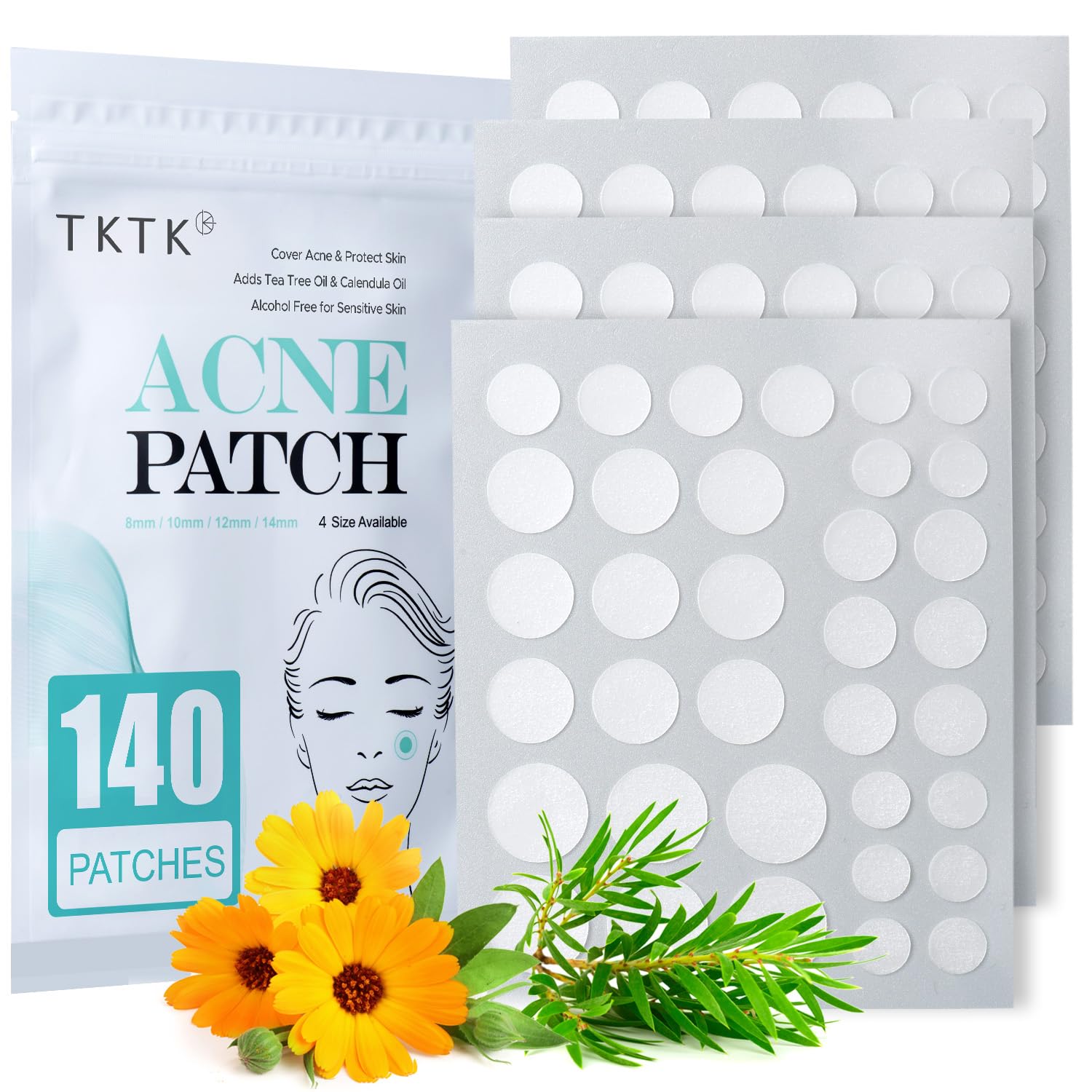
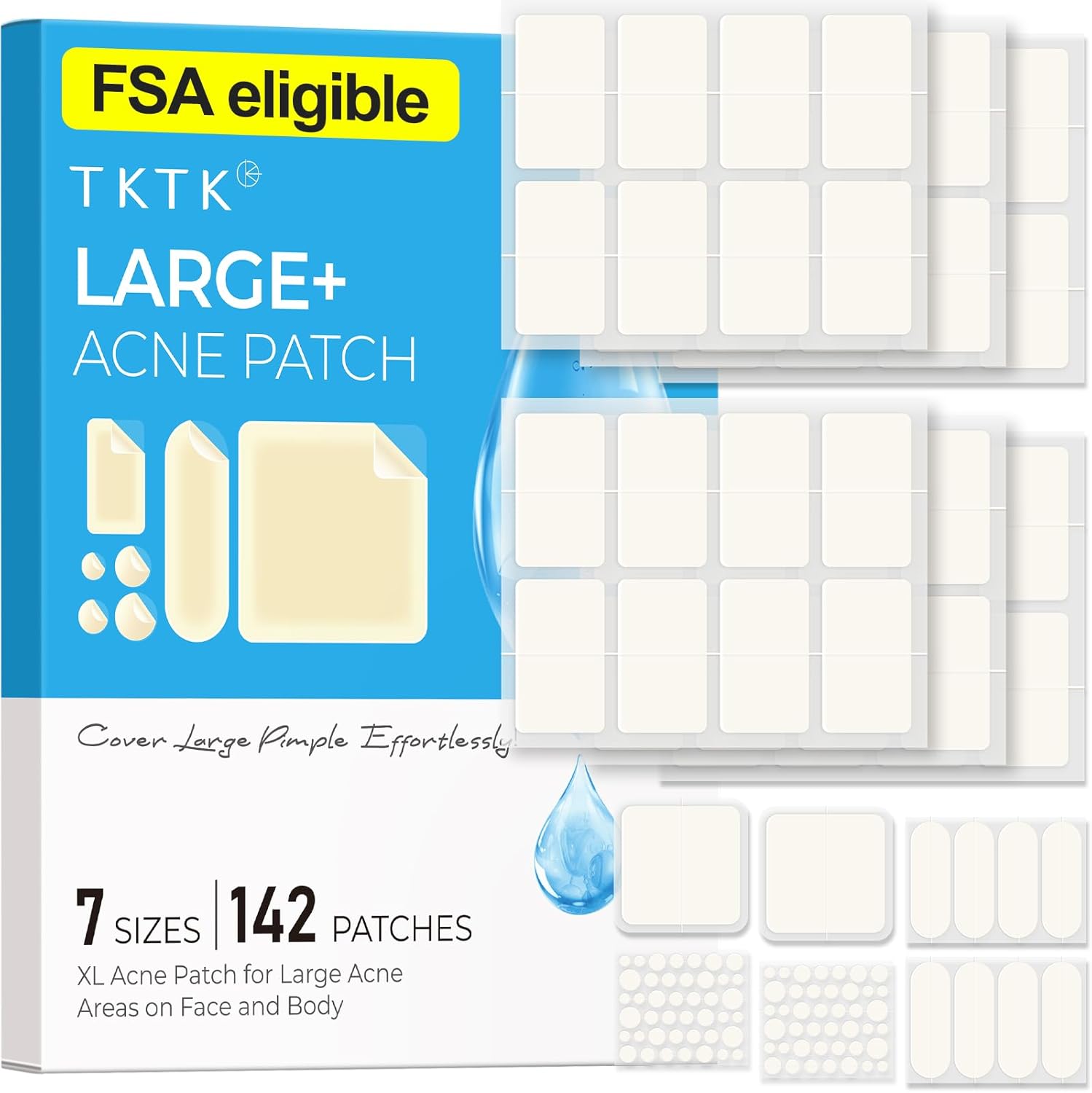
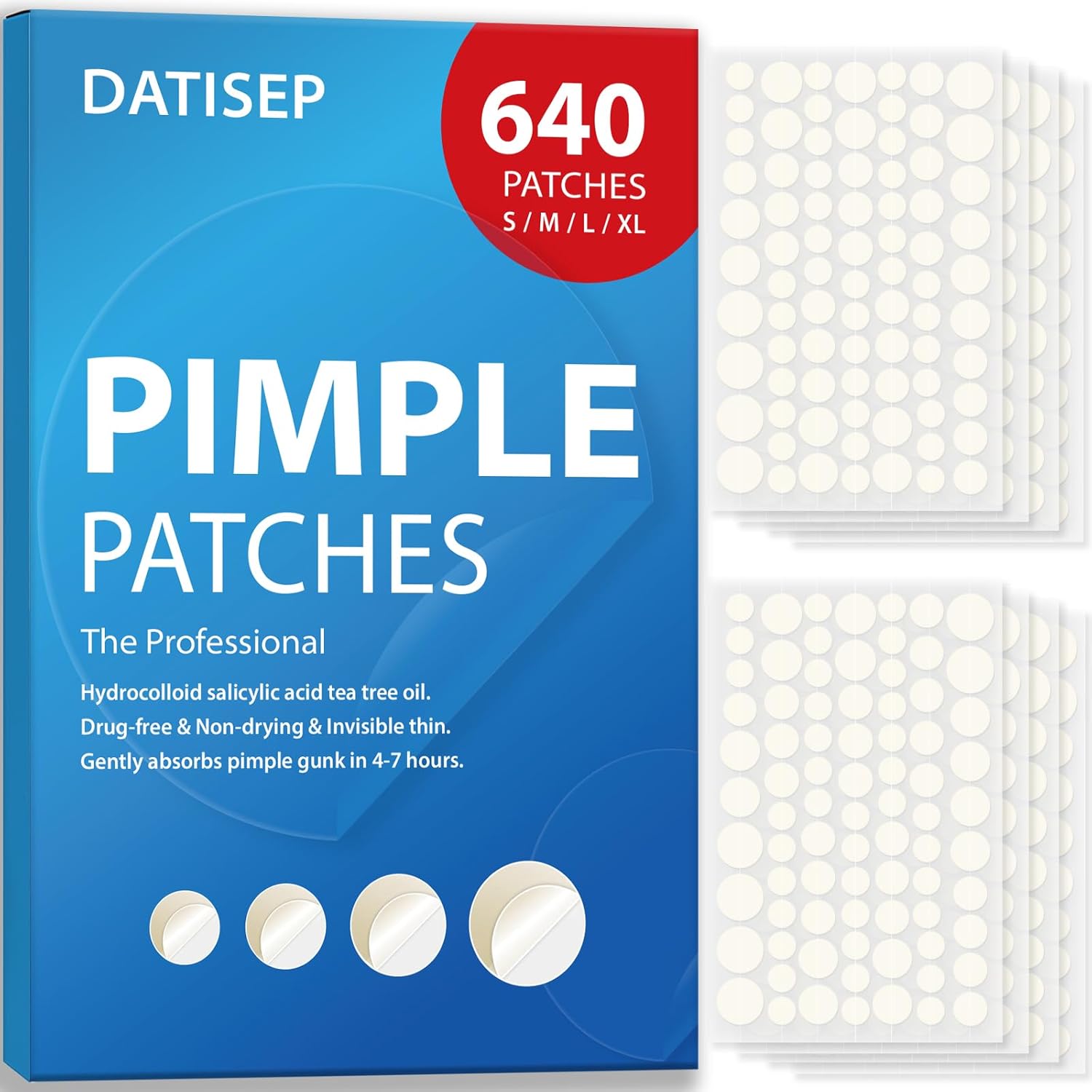
🌟 Hydrocolloid Super Patches
Extra absorbent, thin edges. Perfect for overnight extraction.
🛒 Shop Now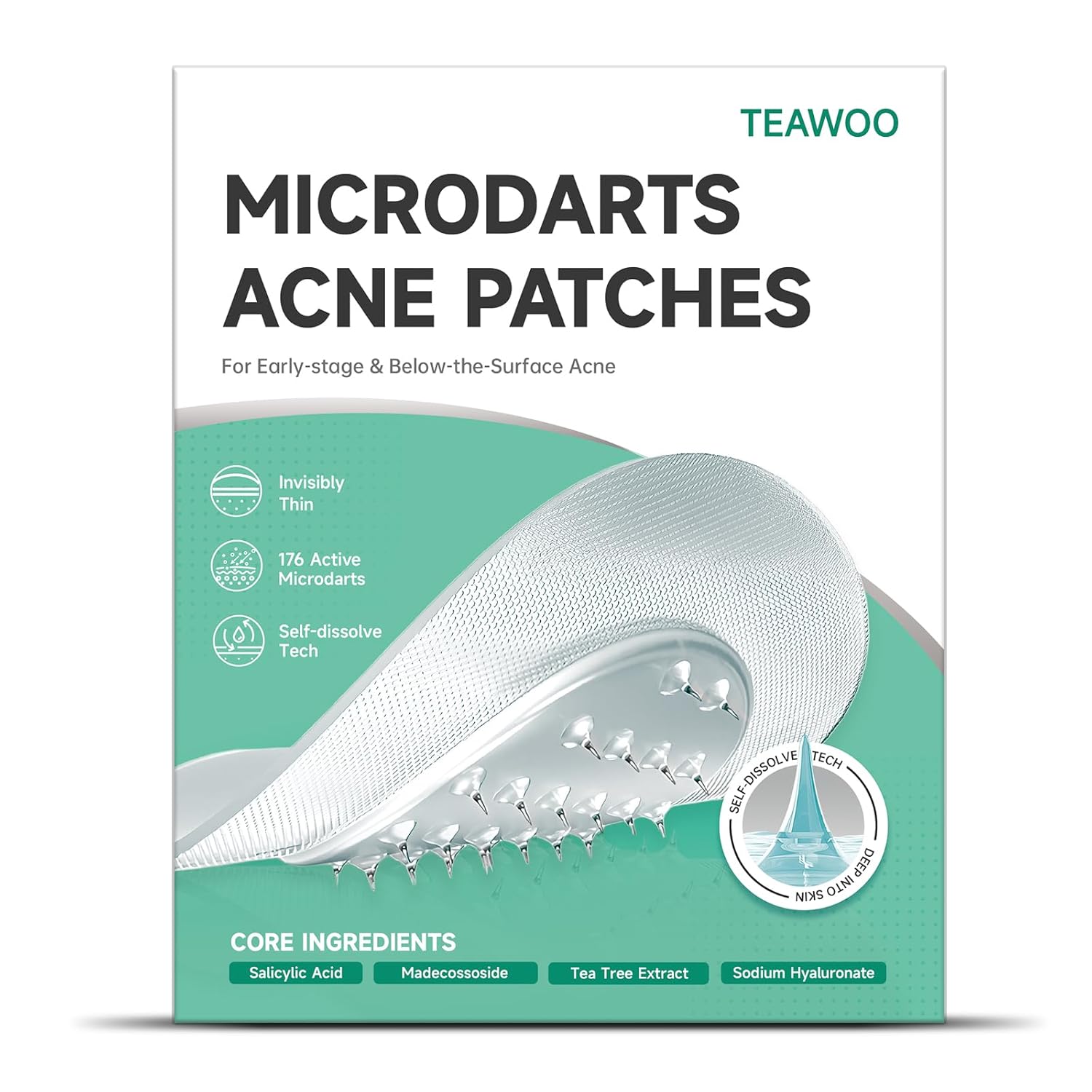
🌈 The Ultimate Variety Pack
Get both Hydrocolloid & Microneedle in one box for all zit stages.
📦 Shop Now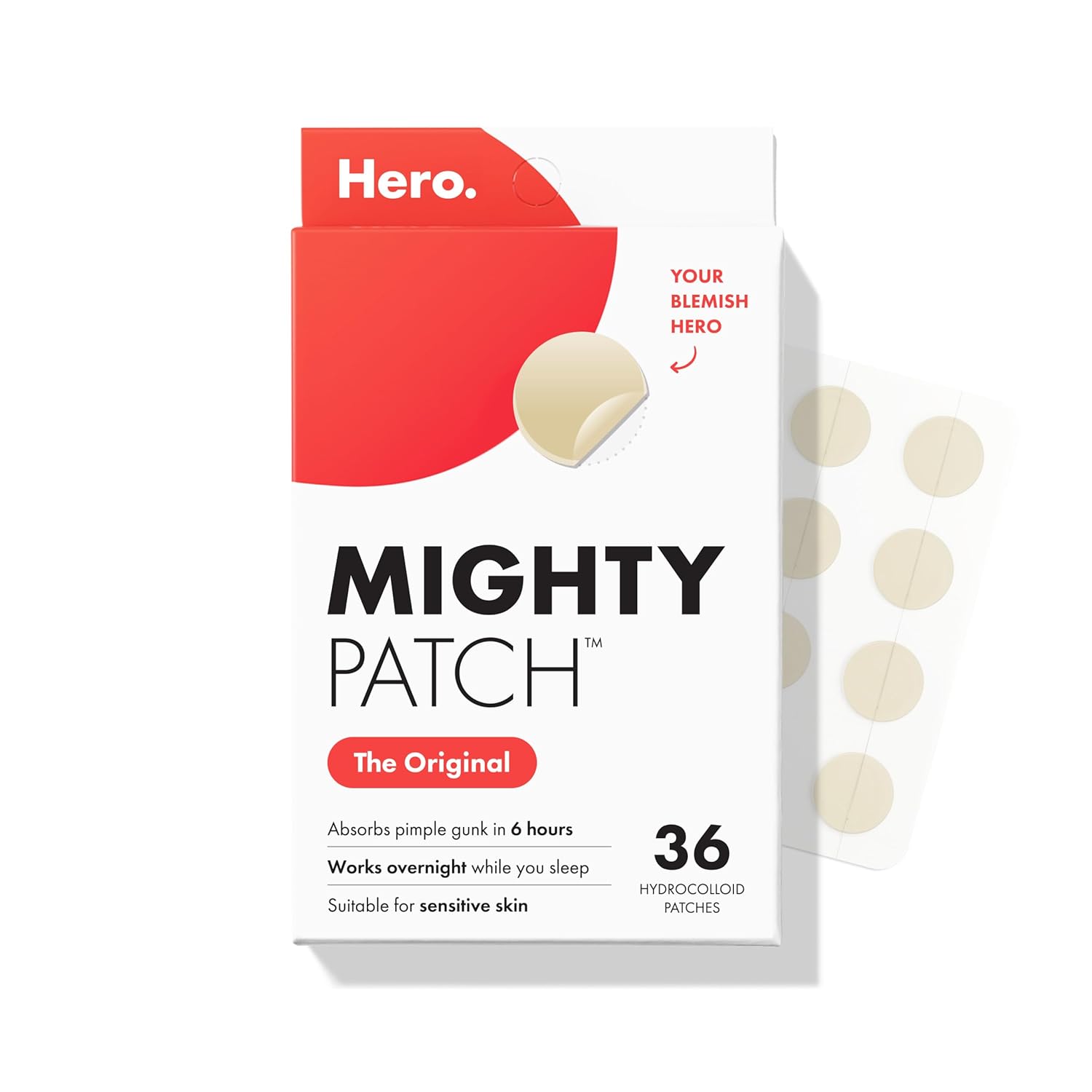
🙋 Frequently Asked Questions
Use Hydrocolloid for whiteheads, popped pimples, or surface-level pus. Use Microneedle for deep, painful, under-the-skin cysts that have no head. If in doubt, remember: Surface = Hydro, Deep = Micro.
It depends on the type of acne! For immediate fluid extraction, Hydrocolloid wins. For reducing deep inflammation, Microneedle wins. Dermatologists agree that the combination approach (Micro first, then Hydro) is the most effective strategy overall.
Yes, extremely. Clinical studies show that the micro-darts effectively bypass the skin’s barrier to deliver active ingredients exactly where they are needed. They are particularly effective at reducing the size and pain of cystic acne within 24-48 hours.
Yes, but ONLY with acne-specific microneedle patches. The micro-darts are designed to dissolve safely into the pore. However, do NOT use professional derma-rollers or stampers over active acne—that spreads bacteria and causes severe breakouts.
- 💸 Cost: They are significantly more expensive than standard hydrocolloid patches.
- 🔴 Irritation: They can cause mild redness, swelling, or sensitivity at the application site (especially for sensitive skin).
- ❌ Not for open wounds: Using them on popped pimples can introduce bacteria deeper into the skin and worsen the inflammation.
This article contains affiliate links. As an Amazon Associate, I earn from qualifying purchases. This means if you click on a link and make a purchase, I may receive a small commission at no additional cost to you. All recommendations are based on genuine research and personal experience with the products mentioned. I only recommend products I genuinely believe will provide value to my readers.
The information provided in this article is for educational and informational purposes only and does not constitute medical or dermatological advice. Skincare products affect individuals differently. Always consult with a qualified dermatologist or healthcare professional before starting any new skincare regimen. The author and publisher are not liable for any adverse reactions or outcomes resulting from the use of any products mentioned.