
food that heals

How Many Different Types of Magnesium Supplements Are There?

Magnesium Supplements Guide | Types, Functions & Top Picks
A complete guide to 7 major forms — with top-rated product picks

If you’ve ever stood in the supplement aisle wondering how many different types of magnesium supplements are there, you’re not alone. The answer is at least seven — and each one is paired with a different compound (like an amino acid or acid) that changes how it’s absorbed and how it works in your body.

From magnesium citrate to magnesium glycinate, the variety isn’t just marketing. The right type can improve sleep, calm stress, support your heart, or keep your digestion regular. Here’s a breakdown of the most common forms and their specific functions — so you can choose the one that fits your health goals.

🔬 The Function of Each Major Type

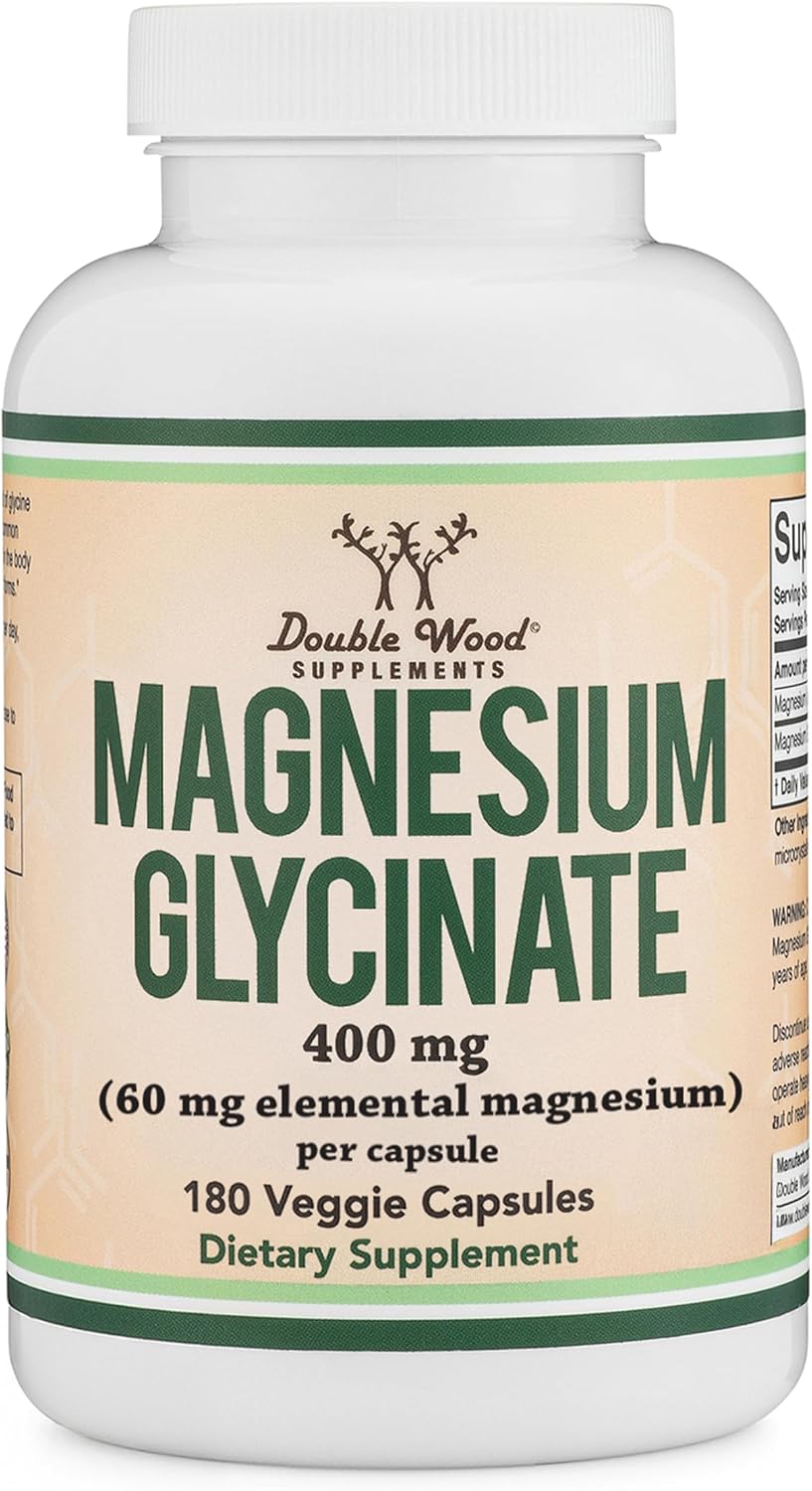
Magnesium Glycinate ⭐ best for sleep & stress

Function & importance: Bound to the amino acid glycine, this form is highly absorbable and gentle on the stomach. It has a calming effect on the nervous system, making it the top choice for improving sleep quality, easing anxiety, and managing daily stress.

Magnesium Citrate 🚽 best for constipation

Function & importance: One of the most common and well-absorbed forms. It draws water into the intestines, acting as a gentle, effective laxative. It’s great for occasional constipation, though too much can cause loose stools.

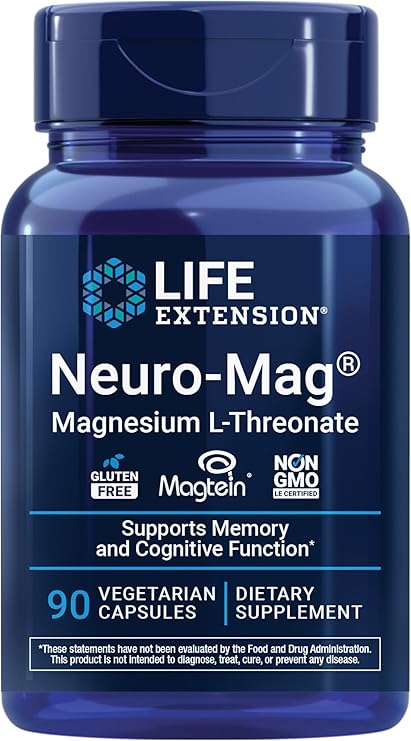
Magnesium L-Threonate 🧠 best for brain health

Function & importance: A newer, specialised form that crosses the blood-brain barrier. It’s uniquely suited to support memory, focus, and overall cognitive function — a favourite for brain health.

Magnesium Malate ⚡ best for energy & muscles

Function & importance: Paired with malic acid, which plays a role in energy production. Often chosen for fatigue, muscle aches, and fibromyalgia. It’s well-absorbed and usually gentle on digestion.

Magnesium Oxide 💊 short-term relief

Function & importance: Contains a high amount of elemental magnesium but is poorly absorbed. It’s mainly used as a laxative or for indigestion (think Milk of Magnesia). Inexpensive, but not ideal for correcting a deficiency.

Magnesium Taurate ❤️ best for heart health

Function & importance: Combined with the amino acid taurine, which supports cardiovascular function. Often recommended to help maintain healthy blood pressure and overall heart rhythm.

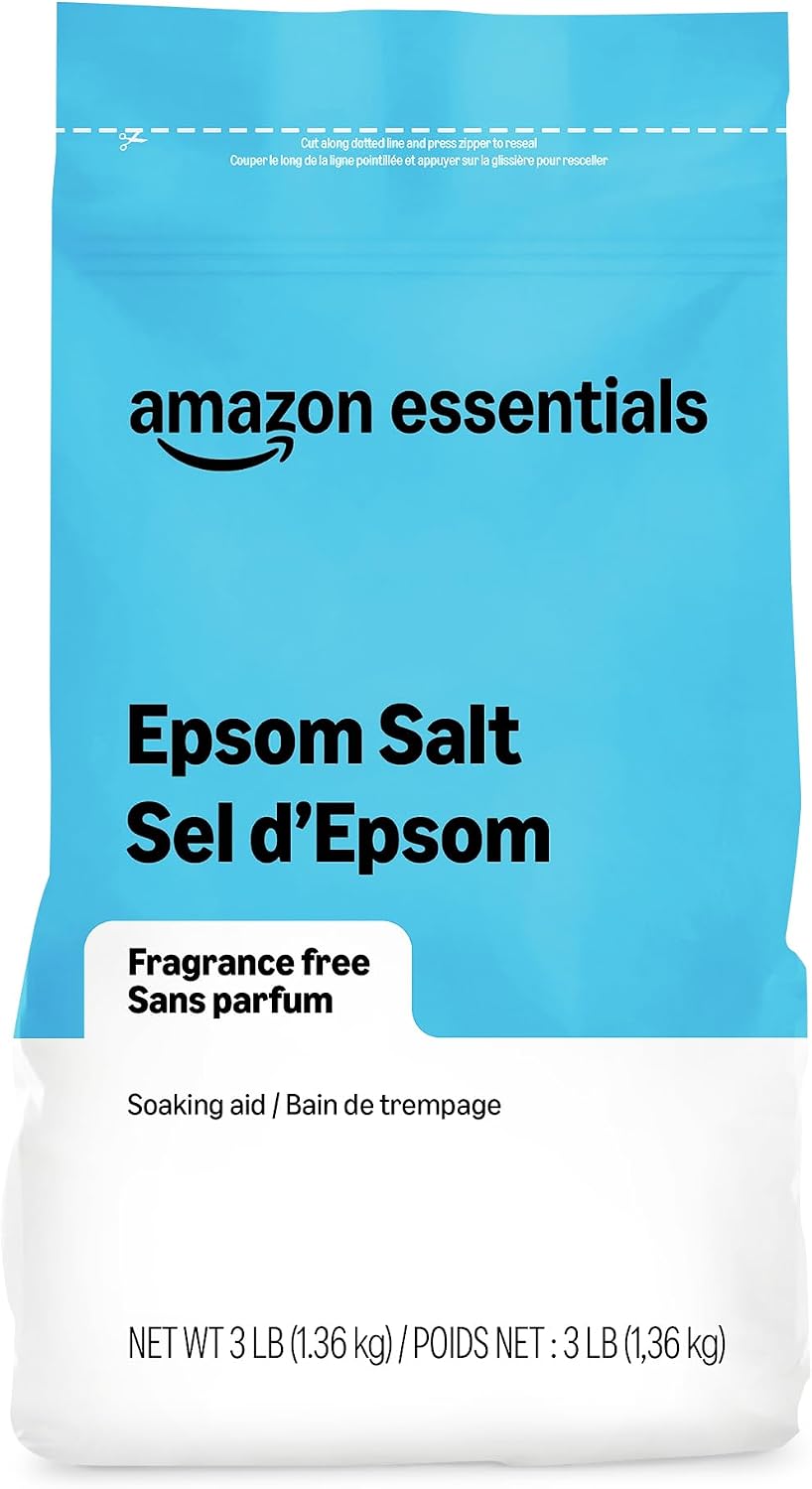
Magnesium Sulfate 🛁 topical use (Epsom salt)

Function & importance: Better known as Epsom salt. Usually dissolved in a bath to soothe sore muscles. However, skin absorption is minimal, so it won’t fix a systemic magnesium deficiency.

🛒 Top magnesium supplements (editor’s picks)
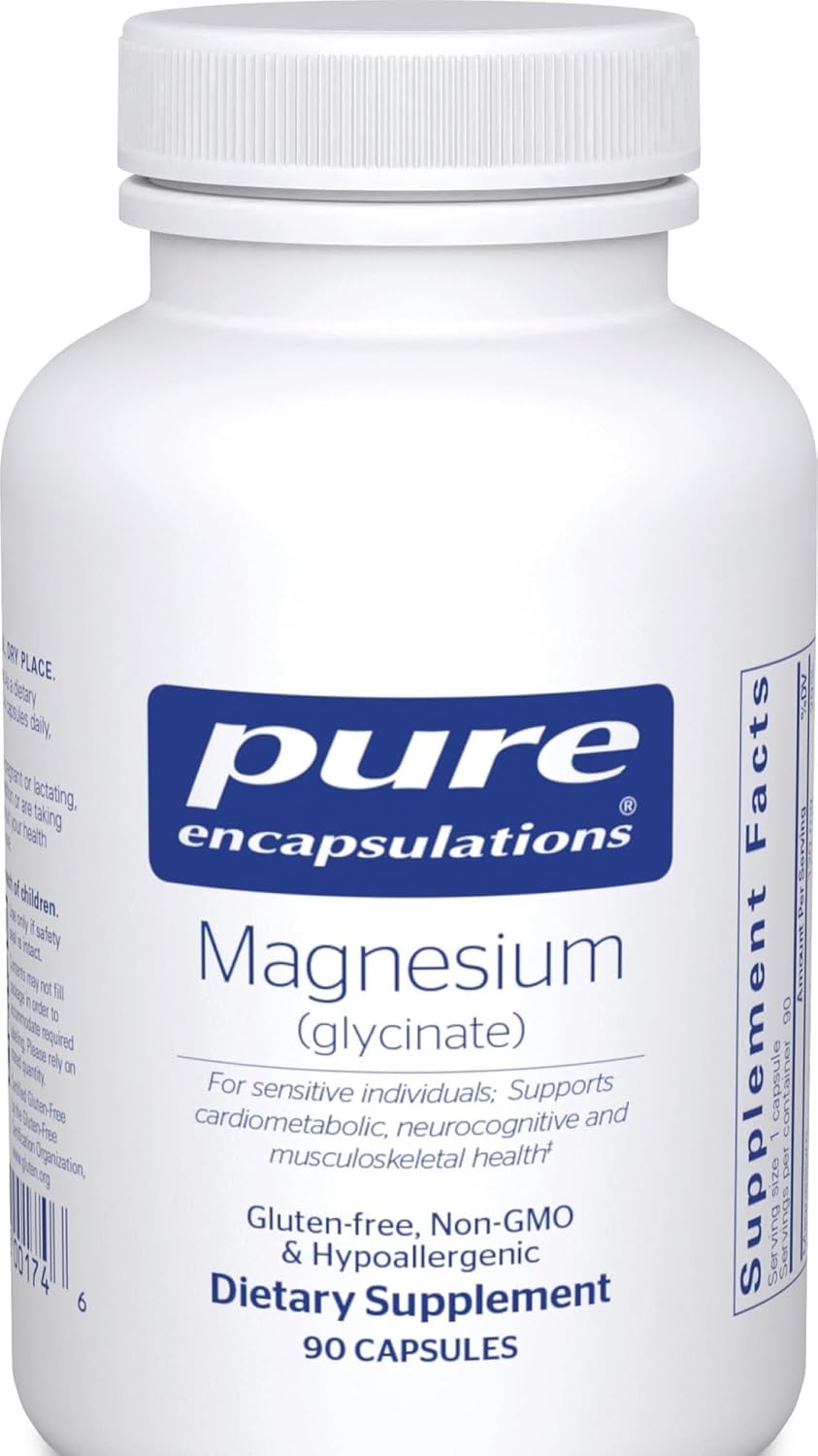
Magnesium Glycinate supplement
Magnesium Glycinate
Check price
Magnesium Citrate supplement
Magnesium Citrate
Check price
Magnesium L-Threonate
Check price
Magnesium Taurate supplement
Magnesium Taurate
Check price

❓ FAQs — Quick answers

Q: Which type of magnesium is best for me? It depends on your goal: choose citrate for constipation, glycinate for sleep & relaxation, L-threonate for brain health, or taurate for heart support.
Q: Is it safe to take a magnesium supplement every day? For most people, yes — but don’t exceed 350 mg per day from supplements unless advised by a doctor, to avoid side effects like diarrhoea.
Q: Can I get enough magnesium from food? Yes — leafy greens, nuts, seeds, and whole grains are excellent sources. A food-first approach is best, but many people still fall short and benefit from a supplement.
Q: What does “elemental magnesium” mean? It’s the actual amount of magnesium your body can use. The total weight of the supplement includes the binding agent (like glycine or citrate), so a 200 mg capsule of magnesium glycinate does not contain 200 mg of pure magnesium.

📋 Important Disclaimer

Disclaimer: This article is for informational purposes only and does not constitute medical advice. It is not a substitute for professional consultation, diagnosis, or treatment. Always speak with a qualified healthcare provider before starting any new supplement, especially if you are pregnant, nursing, have a medical condition, or take prescription medications. Magnesium can interact with certain drugs and may not be safe for individuals with kidney issues.

Affiliate disclosure: Some of the links above are affiliate links. If you make a purchase, we may earn a small commission at no extra cost to you. We only recommend products we believe in.
P.S. When buying a supplement, always check the Supplement Facts panel. A product may say “200 mg” on the front — but that often refers to the compound weight, not the actual magnesium inside. Look for the elemental magnesium amount on the label to know exactly what you’re getting.

Written with care — because your health deserves clarity.  ·  Updated 2026

Comments

No comments yet. Why don’t you start the discussion?

    Leave a Reply

    Your email address will not be published. Required fields are marked *