
📑 Table of Contents
✅ Yes, you should wear sunscreen indoors if you sit near windows. Glass blocks UVB (burning) but lets up to 74% of aging UVA rays through. If you work from home, drive, or enjoy natural light, you need daily broad-spectrum SPF 30+ to prevent premature aging and hyperpigmentation.
👉 Check price on Amazon
The Big Question: Do You Really Need SPF Inside?
Let’s settle this once and for all. You’re not baking on a beach, but if you’re reading this next to a window, your skin is under attack. While the Cancer Council notes that risk is generally “low,” they confirm that if you spend a lot of time in direct sunlight by a window, you should consider sun protection.
Dermatologists from USC and Baylor College of Medicine agree: UVA rays penetrate glass. They are the sneaky culprits behind wrinkles, sunspots, and collagen breakdown. If you want to keep your skin looking youthful, ignoring indoor SPF is a big mistake.
Why Your Windows Are Not a Force Field
There is a common misconception that glass protects us from everything. It does a great job blocking UVB (the burning rays), but it fails miserably at stopping UVA. In fact, up to 74% of UVA rays can pass through standard glass. This is why many people notice more sun damage on the left side of their face (the driver’s side window). If you sit near a window for 8 hours a day, that exposure adds up significantly over time.
The Science: UVA vs. UVB
To understand why you need indoor protection, you need to know the difference:
- UVB Rays: These are the “Burning” rays. They cause sunburn and are mostly blocked by window glass.
- UVA Rays: These are the “Aging” rays. They penetrate deeply into the skin, causing wrinkles and hyperpigmentation, and they pass right through windows.
What to Look For: The “Broad Spectrum” Secret
Since UVA rays are invisible and don’t cause immediate pain, many people skip protection. However, the damage is cumulative and contributes to skin cancer risk. The only defense is a “Broad Spectrum” sunscreen, which specifically means the product protects against both UVA and UVB rays.
How to Choose the Best SPF for UVA Protection
When shopping for indoor protection, look for these three things:
- SPF 30 Minimum: SPF measures UVB protection. SPF 30 blocks about 96% of UVB rays, while SPF 50 blocks about 98%. Since you aren’t burning indoors, you don’t need the highest SPF, but experts recommend at least SPF 30.
- The “Broad Spectrum” Label: This is non-negotiable. A product must be labeled “Broad Spectrum” to guarantee it offers UVA protection.
- Check for PA++++ or UVA in a Circle: In international products, this indicates the level of UVA protection. PA++++ is the highest protection against UVA.
Best SPF Picks for Indoor Protection
Finding the right sunscreen means finding one that feels good, so you actually wear it. Here are top dermatologist-recommended options for daily indoor use.
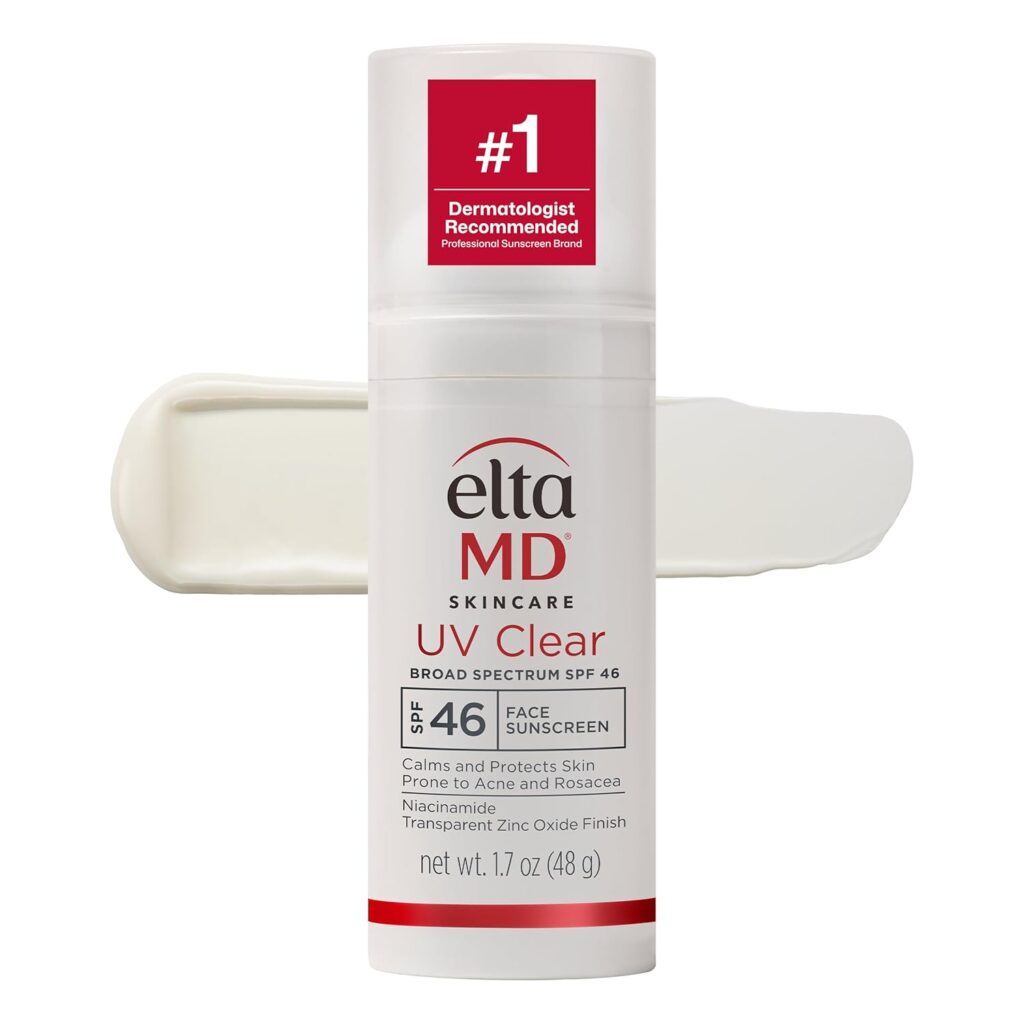
EltaMD UV Clear Broad-Spectrum SPF 46: This is a dermatologist-office standard. It’s a hybrid mineral/chemical formula that is weightless and non-comedogenic (won’t clog pores). It also contains niacinamide to calm the skin. Perfect for layering under makeup.
Check Price on Amazon →
Supergoop Unseen Sunscreen SPF 40: If you hate the greasy feel of sunscreen, this is your pick. It has an oil-free, gel-to-powder texture that doubles as a makeup primer. It leaves a velvety, mattifying finish—zero shine.
La Roche-Posay Anthelios UV Air SPF 50: Formulated with thermal spring water and niacinamide, this is a well-tolerated option for reactive or easily irritated skin. It also acts as a great moisturizer.
Innisfree Daily UV Defense Mineral Sunscreen SPF 45: Older mineral sunscreens left a chalky residue. This modern micronized zinc oxide formula blends into a range of skin tones smoothly.
Frequently Asked Questions (FAQs)
Q: Can Sunscreen Be Used Indoors?
A: Yes! If you are exposed to sunlight via windows, it is highly recommended to wear broad-spectrum SPF 30 or higher to protect against aging UVA rays.
Q: Is SPF 30 enough for indoors, or do I need SPF 50?
A: SPF 30 is generally sufficient for indoor use as it blocks 96% of UVB rays. However, if you are near windows or have melasma, SPF 50 offers slightly more protection (98%). The most important factor is choosing a “Broad Spectrum” formula.
Q: Do I need to reapply sunscreen if I’m staying inside all day?
A: Ideally, yes—at least once mid-day. UVA rays are consistent throughout daylight hours. While you don’t need to reapply every 2 hours like you would outdoors (unless sweating), applying it in the morning and again before lunch is a great habit.
Q: Does blue light from my computer screen count?
A: The impact of blue light is often overblown compared to UVA. However, broad-spectrum sunscreens with iron oxides (tinted sunscreens) can offer protection against visible light, which is a bonus if you are on screens all day.
Conclusion
The old rule of “sunscreen only for the beach” is outdated. If you work from home or drive, UVA rays are silently aging your skin through the glass. The good news is that modern sunscreens feel like lightweight moisturizers, making it easy to protect your skin daily. Keep your skin healthy, youthful, and glowing—start your indoor SPF habit today.
✨ Find the Best SPF for Your Skin
This article contains affiliate links. If you purchase through these links, I may earn a small commission at no extra cost to you. I only recommend products I trust.
© 2026 · Indoor SPF Guide · always consult a dermatologist for personal advice.