
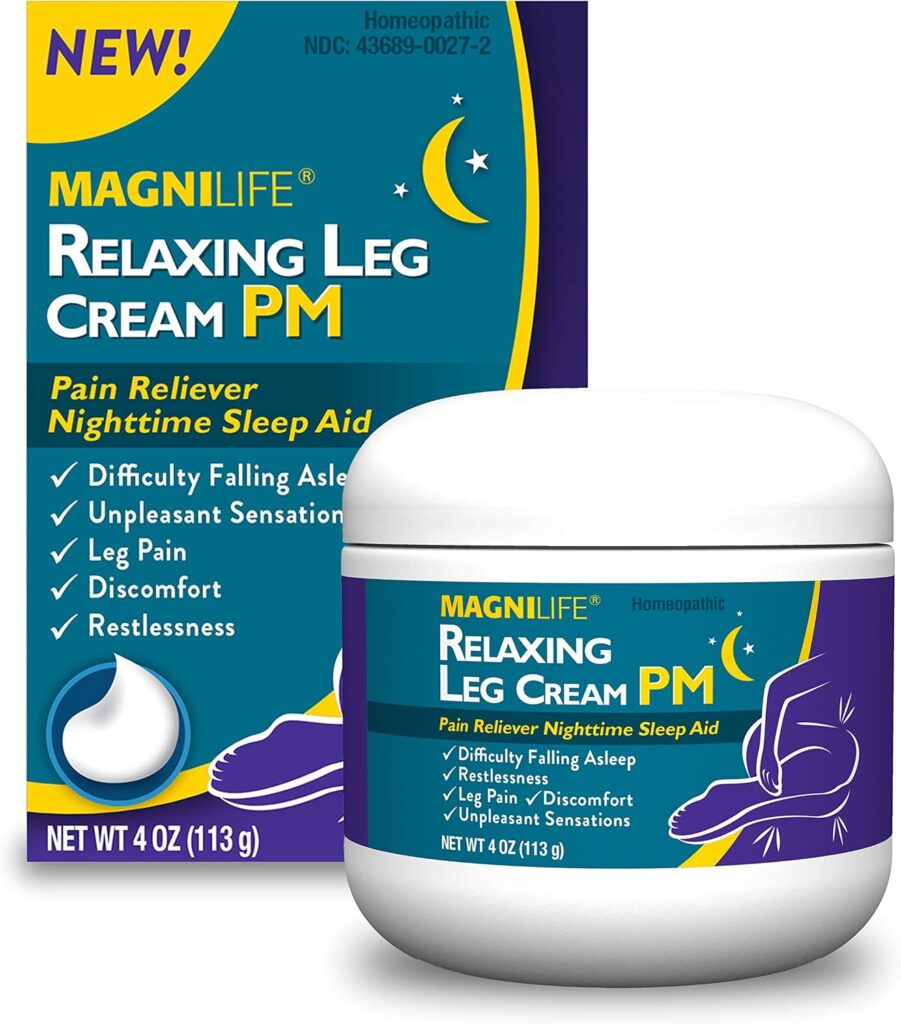

That creeping, crawling, tingling sensation that strikes just as you’re trying to relax—Restless Legs Syndrome (RLS) affects millions worldwide, turning peaceful nights into frustrating battles. While the exact cause remains complex, researchers have identified several nutritional deficiencies that commonly trigger or worsen RLS symptoms.
So, what is your body lacking when you have restless legs? The answer might surprise you.
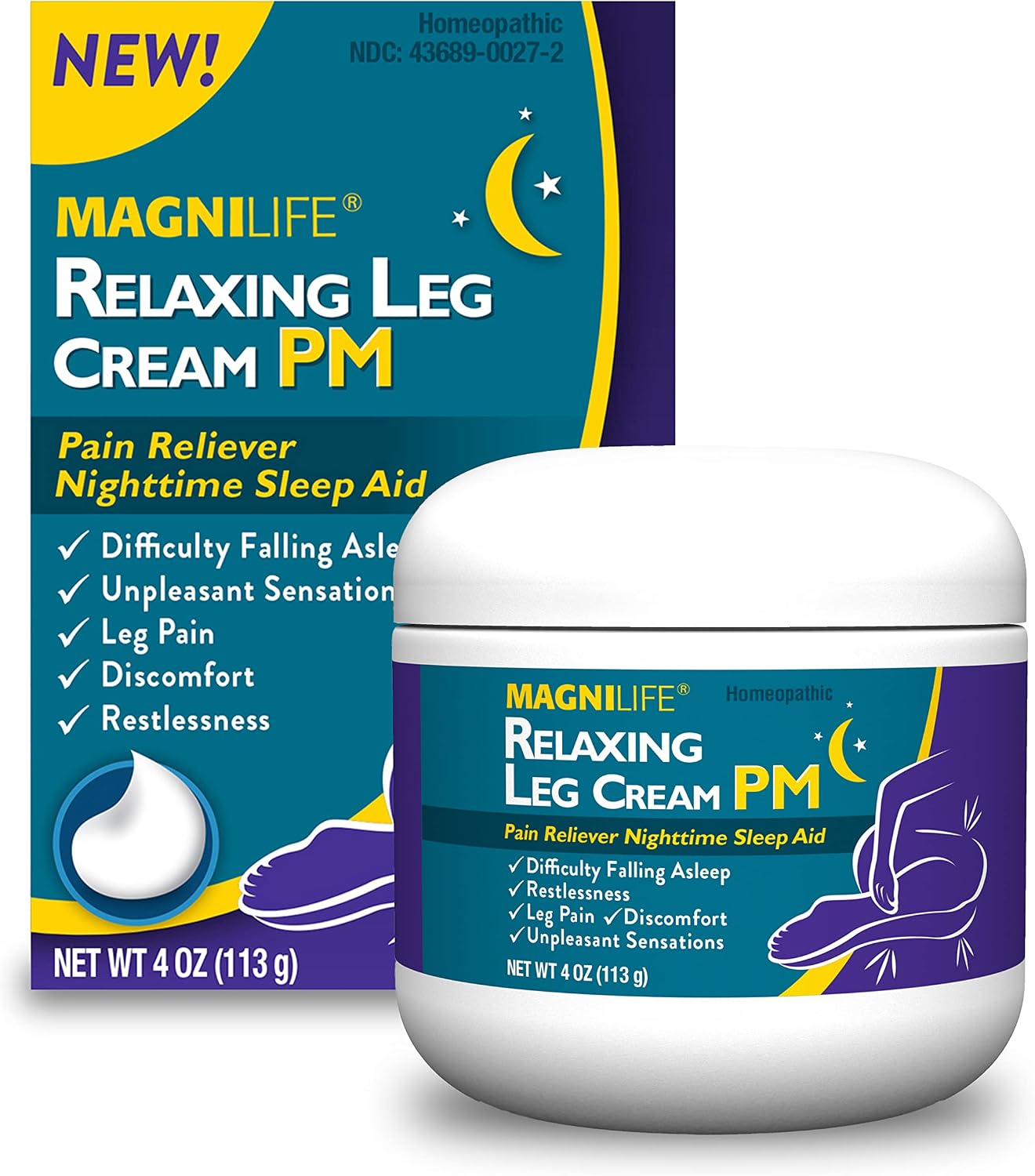

The Iron Connection
Low iron levels—specifically low ferritin (stored iron)—are the most well-documented deficiency linked to RLS. Iron is essential for dopamine production, and dopamine dysfunction plays a central role in RLS. Even with normal blood counts, low iron stores can trigger those uncomfortable leg sensations.
Magnesium: The Relaxation Mineral
Magnesium deficiency is another common culprit. This mineral helps muscles relax and nerves function properly. When magnesium runs low, muscle twitching, cramping, and those restless sensations often follow.
Folate and Vitamin B12
These B vitamins are critical for nerve health and red blood cell production. Deficiencies can lead to nerve dysfunction and contribute significantly to RLS symptoms.
Vitamin D and Calcium
Emerging research suggests vitamin D deficiency may worsen RLS, possibly through its role in muscle function and nerve signaling.
What to Do About It
If you’re experiencing RLS, start by:
- Getting blood work to check ferritin, magnesium, B12, and vitamin D levels
- Working with your healthcare provider to address deficiencies
- Considering targeted supplementation
Many people find relief with specific supplements designed to address these deficiencies. One highly-rated option is the Restful Legs Supplement Complex, which combines iron, magnesium, folate, and other key nutrients in one formula.
For those specifically needing targeted magnesium support, magnesium glycinate offers highly absorbable magnesium that many users report helps calm restless legs.
Beyond Supplements
Remember that supplements work best alongside:
- Regular gentle exercise
- Stress reduction techniques
- Avoiding caffeine and alcohol before bed
- Maintaining consistent sleep schedules
- Warm baths or leg massages
Final Thoughts
While RLS can be frustrating, understanding what your body is lacking is the first step toward relief. If you’re struggling with those nighttime leg sensations, speak with your doctor about testing for these common deficiencies and consider quality supplementation to support your body’s needs.