

📖 Table of Contents
- TL/DR
- Why Menopause Increases UTI Risk
- Vaginal Estrogen: The Gold Standard
- Non-Antibiotic Prevention Options
- Lifestyle and Behavioral Approaches
- Emerging Therapies and Research
- Frequently Asked Questions
- Conclusion
- Disclaimer & Disclosure
- PS & Resources
⚡ TL/DR — How to prevent UTIs after menopause
The most effective prevention strategy for postmenopausal recurrent UTIs is vaginal estrogen therapy, which restores protective vaginal flora and reduces infection risk . Other evidence-backed options include:
- Vaginal Estrogen: Reduces UTI recurrence by 50–70%; also lowers sepsis and mortality risk
- Cranberry & Methenamine: Effective non-antibiotic first-line options
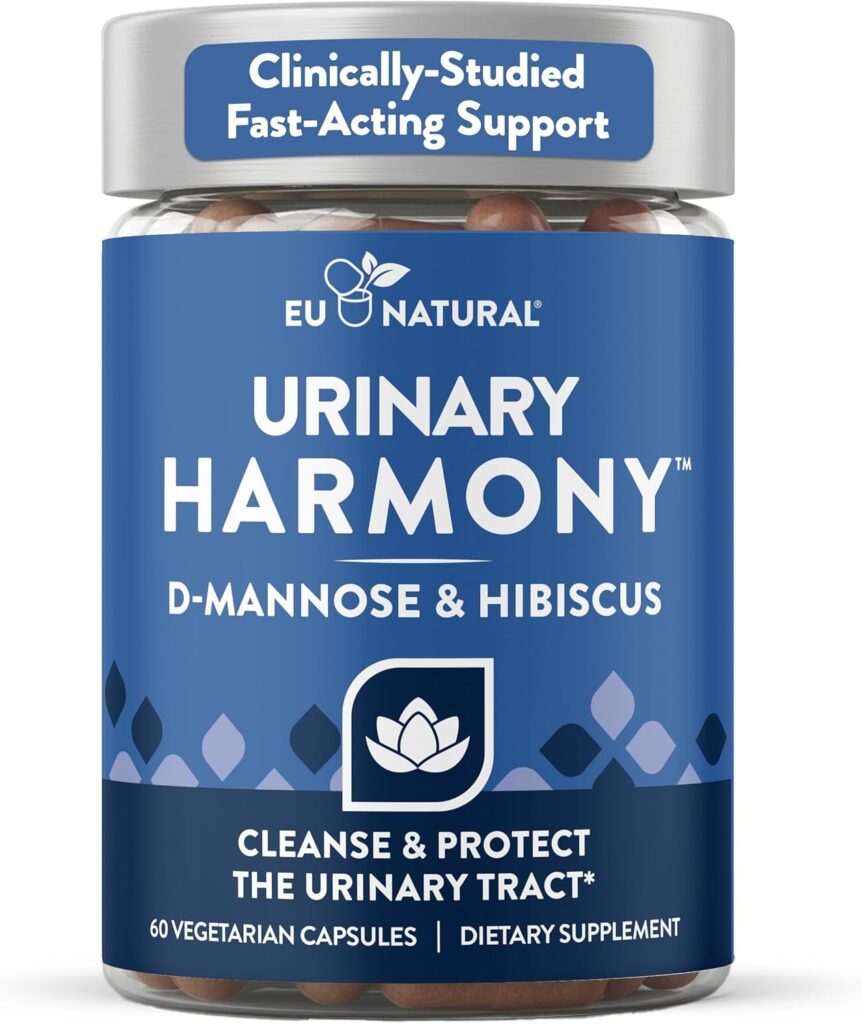
- D-Mannose: Shows protective effects, though evidence quality varies
- Microbiome-Centered Approach: Focus on enhancing protective bacteria rather than relying solely on antibiotics
🛡️ Why Menopause Increases UTI Risk
After menopause, declining estrogen levels trigger a cascade of changes in the urogenital tract. The vaginal microbiome shifts away from protective Lactobacillus species, allowing uropathogenic bacteria like E. coli to thrive . This, combined with thinning of the urethral and vaginal epithelium, creates an environment where infections become more frequent and harder to prevent .
Key Fact: A 2025 retrospective study of nearly 1.2 million postmenopausal women found that vaginal estrogen use was associated with a 51% reduction in sepsis risk, a 73% reduction in mortality, and a 22% lower hospitalization rate .
💊 Vaginal Estrogen: The Gold Standard
Vaginal estrogen is the most rigorously studied and effective preventive strategy for postmenopausal recurrent UTIs . It works by:
- Restoring vaginal flora: Increases Lactobacillus colonization, lowering vaginal pH
- Strengthening epithelial barriers: Thickens urogenital tissues and improves immune function
- Reducing bacterial adherence: Makes it harder for pathogens to attach to bladder and urethral lining
Multiple randomized controlled trials have confirmed that low-dose vaginal estrogen—available as creams, tablets, rings, or gels—reduces culture-confirmed UTI episodes . A 2024 trial found that 86.8% of women using vaginal estriol gel remained UTI-free over 6 months .
Important Note: While vaginal estrogen is recommended by multiple clinical guidelines, most formulations are FDA-approved only for genitourinary syndrome of menopause, not specifically for UTI prevention—a regulatory gap that may contribute to underuse .
🌿 Non-Antibiotic Prevention Options
For women who cannot or prefer not to use vaginal estrogen, several evidence-based alternatives exist :
| Strategy | Evidence Level | Key Considerations |
|---|---|---|
| Methenamine Hippurate | Strong (1g twice daily) | Not inferior to daily antibiotics; metabolized to formaldehyde in urine |
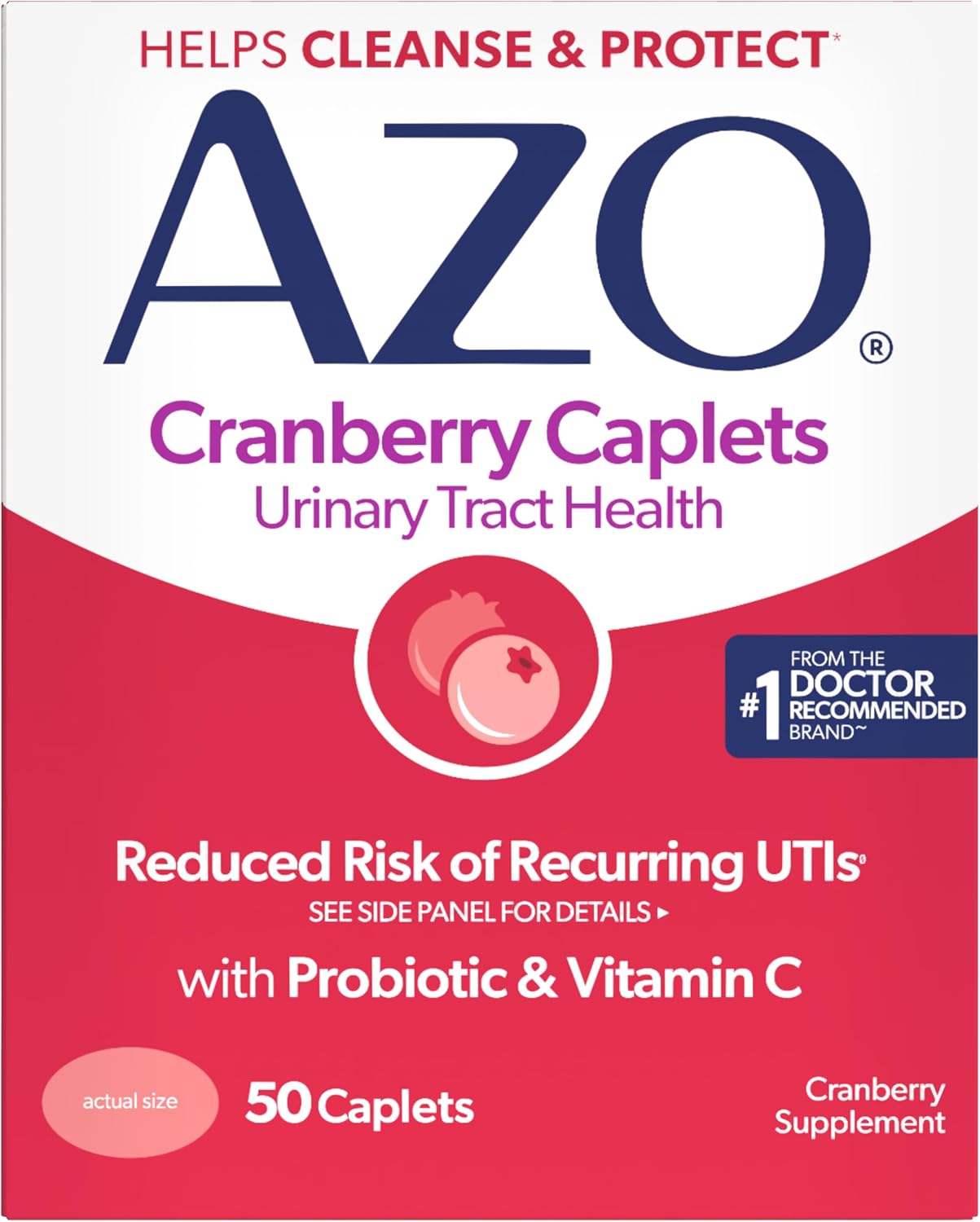
| Cranberry Products | Sufficient at adequate doses | Proanthocyanidins inhibit bacterial adherence; choose standardized extracts |
| D-Mannose | Moderate (variable quality) | Natural sugar that binds E. coli; may be comparable to antibiotics in some studies |
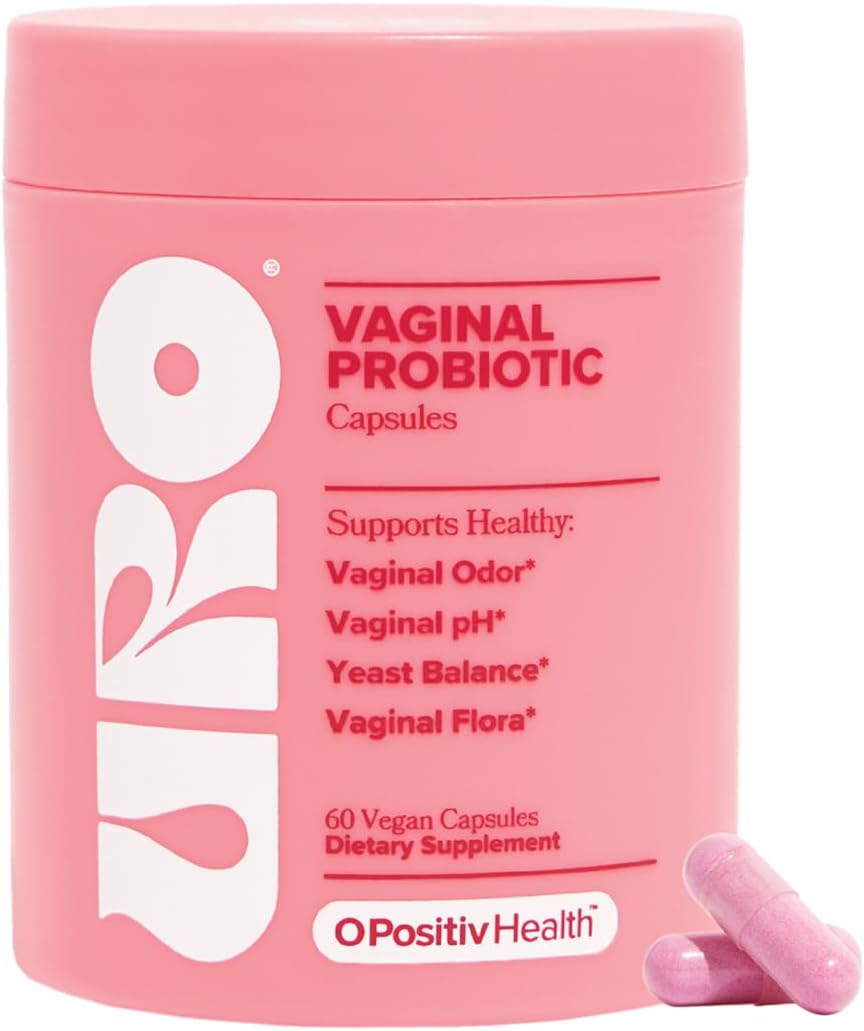
| Probiotics | Inconclusive | Emerging research; may support microbiome health |
According to a 2026 clinical update, “there is sufficient evidence to recommend vaginal estrogen, cranberry, and methenamine hippurate as first-line rUTI prevention strategies, particularly in postmenopausal women” . These approaches can be used in combination based on individual tolerance and preference .
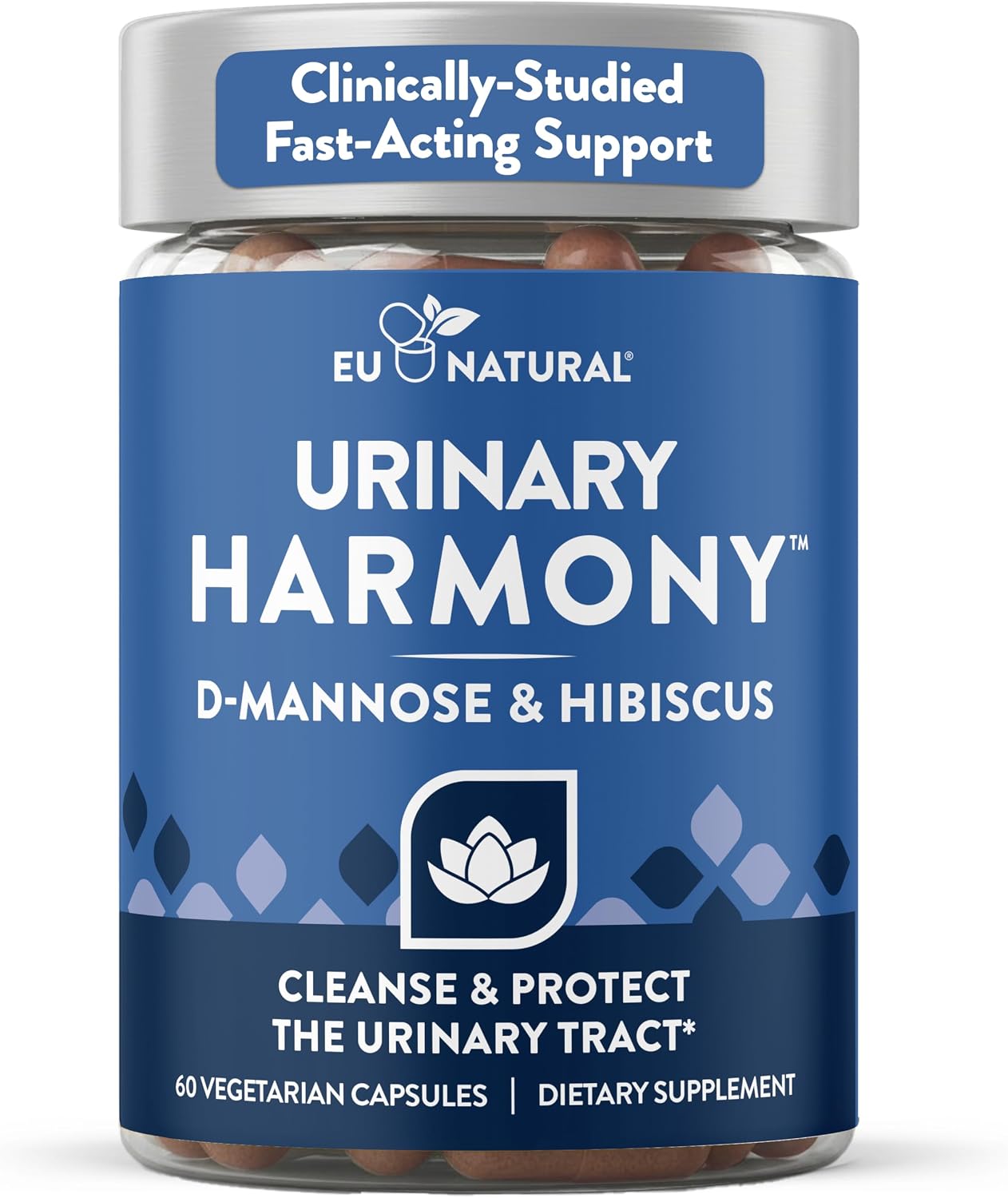 📷 Cranberry extract capsules: a non-antibiotic option that inhibits bacterial adhesion. 📷 D-Mannose powder: a natural sugar that may help prevent E. coli infections.
🧘 Lifestyle and Behavioral Approaches
While behavioral measures are commonly recommended, evidence for their effectiveness is limited . However, some practices may offer supportive benefits:
- Post-coital voiding: Emptying the bladder after intercourse and drinking extra water may help
- Adequate hydration: Maintaining fluid intake supports urinary flushing
- Avoid bladder irritants: Caffeine, alcohol, and spicy foods may aggravate symptoms
- Vitamin C: May acidify urine and inhibit bacterial growth
Note that advice to “wipe front to back,” wear cotton underwear, or urinate frequently likely has no benefit in preventing UTIs, according to a 2025 review .
🔬 Emerging Therapies and Research
The future of UTI prevention is moving toward microbiome-centered approaches and antibiotic-sparing strategies . Promising developments include:
- UTI Vaccines: Sublingual mucosal vaccines like MV140 show effectiveness, particularly in postmenopausal women
- Bacteriophage Therapy: Phage-based treatments may offer targeted bacterial elimination
- Chlorhexidine Perineal Lavage: A novel post-defecation hygienic strategy currently in clinical trials
- Intravesical Gentamicin: For multidrug-resistant cases, bladder-instilled antibiotics show promise
A 2026 clinical update emphasizes that “updated treatment approaches emphasize antimicrobial stewardship, advocating for confirmation of the diagnosis and delayed antibiotic initiation when safe” .
❓ Frequently Asked Questions
Vaginal estrogen is generally safe and well-tolerated, with low systemic absorption . However, it should be avoided by women with a history of estrogen-sensitive cancers. Always consult your healthcare provider before starting therapy .
Most studies show benefits within 3–6 months of consistent use . Some protocols recommend an initial daily dose for 2–3 weeks, followed by twice-weekly maintenance .
Yes. Prevention strategies can be “used in series or in tandem, based on patient preference and tolerance for side effects” . Combining approaches may offer additive benefits.
Evidence remains inconclusive . While some studies suggest benefits, well-designed clinical research is still needed to validate efficacy .
Daily low-dose antibiotics reduce UTI frequency, but “benefits should be balanced against risk of adverse effects” . Non-antibiotic options like vaginal estrogen and methenamine are now preferred first-line strategies to minimize resistance .
🏁 Conclusion
Preventing UTIs after menopause requires a thoughtful, evidence-based approach. Vaginal estrogen stands out as the most effective strategy, backed by randomized controlled trials and real-world data showing dramatic reductions in serious complications like sepsis and hospitalization . For women who cannot use estrogen, methenamine hippurate and cranberry extracts offer viable alternatives .
The shift toward microbiome-centered, antibiotic-sparing care represents a major advance in postmenopausal UTI management . As emerging therapies like vaccines and bacteriophages mature, women will have even more options to break the cycle of recurrent infections without overusing antibiotics.
⚠️ Medical Disclaimer: This article is for informational purposes only and does not constitute medical advice. Always consult a qualified healthcare professional before starting any treatment, especially if you are pregnant, breastfeeding, or taking other medications. Individual results may vary.
Disclosure: As an Amazon Associate, I earn from qualifying purchases. Affiliate links are clearly marked. Product recommendations are based on clinical evidence and not influenced by commissions.
📌 PS — If you found this article helpful, you might also enjoy our guide on the best supplements for urinary health during menopause.
🛒 Recommended Resources — Evidence-Based UTI Prevention:
• Vaginal Estrogen Options: Shop high-quality vaginal estrogen products — always discuss with your healthcare provider first.
• Cranberry Extract for UTI Prevention: Browse standardized cranberry supplements — one of the most studied non-antibiotic options.
• D-Mannose Supplements: Explore D-Mannose products — a natural approach that may help prevent E. coli adhesion.
Disclosure: As an Amazon Associate, I earn from qualifying purchases. Product links are for informational purposes only and are not a substitute for professional medical advice. Always consult your healthcare provider before starting any supplement or therapy.
📷 Vaginal estrogen cream — one of the most effective UTI prevention strategies for postmenopausal women. 📷 Cranberry extract — clinically studied for its ability to prevent bacterial adhesion.A comprehensive overview of evidence-based UTI prevention strategies for menopausal women—from vaginal estrogen to cranberry and D-Mannose supplements.