


The best plant-based omega-3 supplement in 2026 is an algae-based oil that provides both DHA and EPA. Why? Because while flaxseed, chia, and walnuts offer ALA (the precursor), your body converts less than 10% of it into the usable forms—EPA and DHA—that actually power your brain, heart, and eyes.
🌿 Introduction: Why Plant-Based Omega-3 Matters Now More Than Ever
Let’s be real—fish oil has a PR problem. Fishy burps. Heavy metal concerns. Overfishing. And for the growing legions of plant-based eaters, it’s simply not an option.
Enter algae oil—the game-changer.
Here’s the beautiful irony: Fish don’t naturally produce omega-3s. They get them from eating algae. So why not cut out the middleman? Algae-based omega-3 supplements deliver the same DHA and EPA found in fish oil, minus the ocean contaminants, fishy aftertaste, and environmental guilt.
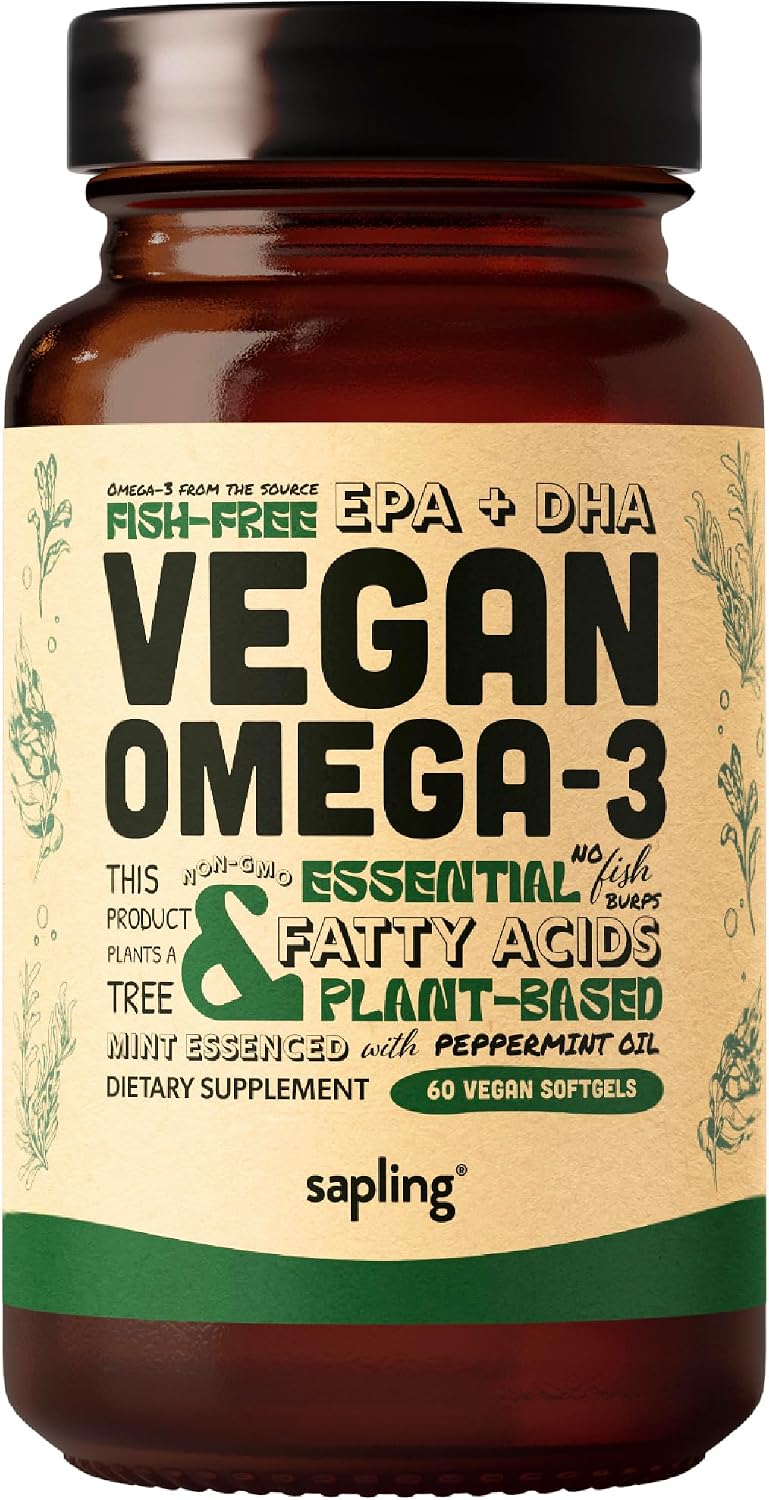
🔬 Why Algae Oil Beats Flaxseed Every Time
The ALA Conversion Problem
Yes, flaxseed is awesome. But here’s the catch: plant foods like flax, chia, and walnuts provide ALA, not the EPA and DHA your body actually uses.
- EPA conversion: only 7–21%
- DHA conversion: as low as 0.01% to 1%
That means a tablespoon of flaxseed oil (7,000mg ALA) might only give you 70mg of EPA. And almost no DHA.
🏆 Top Plant-Based Omega-3 Supplements Compared for 2026
| Supplement | Best For | Key Features |
|---|---|---|
| Sports Research Vegan Omega-3 | Cognitive benefits | 700mg DHA, 280mg EPA, third-party tested |
| BrainMD Vegan Omega-3 | Higher-dose alternative | 860mg EPA, 580mg DHA |
| Calgee Plant-Based Omega-3 | Sustainability + purity | 1% for Planet, vegan.org certified |
1. Sports Research Vegan Omega-3 — Best for Cognitive Benefits
- DHA 700mg | EPA 280mg
- Third-party tested ✅ (Nutrasource)
- 45-day return policy on opened products
Why it stands out: High DHA-to-EPA ratio — DHA is the predominant omega-3 in the brain. Studies associate higher DHA with better memory function.
2. BrainMD Vegan Omega-3 — Best Higher-Dose Alternative
- EPA 860mg | DHA 580mg
- Total omega-3s: 1.6g per serving
- From $26.96/bottle
Why it stands out: Splits the difference between heart health and the dose-dependent risk of atrial fibrillation. Potent but balanced.
3. Calgee Plant-Based Omega-3 — Best for Sustainability + Purity
- Sustainably harvested USA algae
- Vegan.org certified, 1% for the Planet
- Carrageenan-free tapioca softgels
Why it stands out: No heavy metals, no toxins, no ocean-borne contaminants. Mini softgels, zero fishy aftertaste.
🌟 How to Choose the Right Supplement for You
| If You Want… | Choose… |
|---|---|
| Brain and memory support | High-DHA formula (Sports Research) |
| Heart health + inflammation | Higher total omega-3s (BrainMD) |
| Maximum purity + sustainability | Clean-label brand (Calgee) |
| Pregnancy support | Maternal-specific formula |
📚FAQs
Disclosure: Some links in this article are affiliate links. If you make a purchase through these links, we may earn a small commission at no extra cost to you. We only recommend products we genuinely believe provide value to our readers.
Disclaimer: This article is for informational purposes only and does not constitute medical advice. Always consult with a qualified healthcare professional before starting any new supplement regimen, especially if you are pregnant, nursing, taking medications, or have a medical condition. Statements regarding dietary supplements have not been evaluated by the FDA and are not intended to diagnose, treat, cure, or prevent any disease.
Last Updated: September 2026