
Supplement Buyer’s Guide · 2026
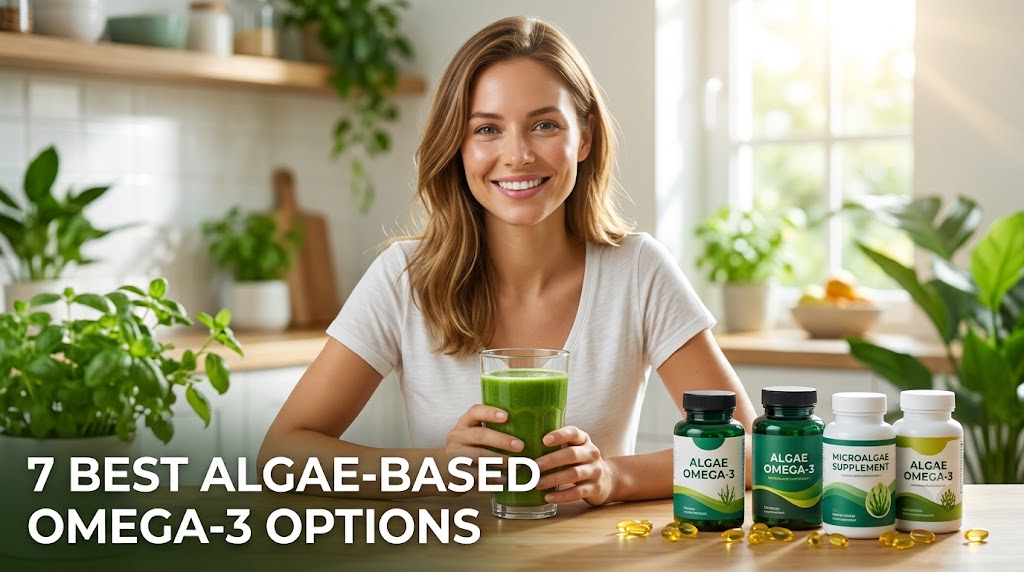
Best Microalgae Supplement for Omega-3: 7 Algae-Based Options Worth Buying
TL;DR
The best microalgae supplement depends on your goal. For Omega-3 (EPA/DHA), choose algae oil in triglyceride form with third-party freshness testing. For antioxidant and cellular support, look at astaxanthin and TetraSOD. For daily nutrition, spirulina and chlorella are the classics — but never rely on them for vitamin B12. ConsumerLab’s 2026 testing shows price and quality are not always correlated, so always check purity, dosage transparency and third-party certification before buying.
Microalgae supplements have moved from fringe health stores into the mainstream. Whether you’re a vegetarian chasing plant-based Omega-3, or a longevity enthusiast looking at mitochondrial and cellular support, algae-derived nutrients offer something genuinely different. But the market is uneven — underdosed formulas, heavy metal contamination and oxidized oils are far from rare.
This guide pulls together ConsumerLab data, third-party testing results and ingredient analysis to help you find the best microalgae supplement for your specific needs.
For a broader look at plant-based Omega-3 options beyond algae, this breakdown of what is the best plant-based omega-3 supplement covers ALA vs EPA/DHA conversion, dosing and absorption in depth — worth reading before you commit to a product.
 | ⭐ Editor’s Pick Best Microalgae Supplement Overall Top-rated algae-based formula for daily Omega-3, antioxidant and cellular support. Clean label, third-party tested, vegan-friendly. Check Price & Availability → |
Why Choose a Microalgae Supplement?
Microalgae are among the oldest photosynthetic organisms on Earth, and spirulina and chlorella have been used as food for thousands of years. Their rise in the supplement aisle comes down to three things:
Extreme nutrient density. Spirulina contains all essential amino acids and up to 50–70% protein, plus B vitamins, iron and phycocyanin. Chlorella brings chlorophyll, vitamin B12, iron and dietary fiber.
Plant-based Omega-3. DHA and EPA are actually produced by microalgae, not fish — fish simply eat algae. Algae oil bypasses the fish entirely, delivering triglyceride-form EPA and DHA with no fishy taste and no ocean pollutant concerns.
Sustainable and allergen-free. Algae are grown in closed bioreactors, use no arable land or wild fish stocks, and produce roughly 30–40% less carbon than fish oil. For people with fish allergies, algae oil is the only safe marine Omega-3 source.
“Aging is natural. Decline is optional.” — Catharine Arnston, Founder of ENERGYbits
Spirulina vs Chlorella: Key Differences
Many people treat them as interchangeable, but their biology and function are quite different.
A 2024 study in Int. J. Agril. Res. Innov. Tech. tested commercial spirulina and chlorella powders and found that spirulina’s B12 is largely pseudovitamin B12, which humans cannot use efficiently. Chlorella’s B12 content varied dramatically — some samples had none detected. Do not rely on microalgae as your only B12 source.
Catharine Arnston, founder of ENERGYbits, puts the functional split simply: spirulina nourishes and supports mitochondria; chlorella clears heavy metals and environmental toxins.
“You don’t need more willpower. You need better cellular energy.”
Algae Oil Omega-3: EPA/DHA for Vegetarians
ALA from flax, walnuts and chia converts to EPA at only 5–10% and to DHA at roughly 1%. For vegetarians, vegans or anyone with a fish allergy, algae oil is the only plant source that delivers preformed, bioactive EPA and DHA directly.
ConsumerLab’s 2026 review of 18 Omega-3 supplements found algae oils generally well-made, costing 48–61 cents per 500mg EPA+DHA — more than fish oil (16–56 cents) but far less than krill oil ($1.38–$2.60). Nordic Naturals Algae Omega was a Top Pick, providing 195mg EPA + 390mg DHA per serving.
What to Look For
- Triglyceride form — better absorption than ethyl ester
- Low peroxide and anisidine values — indicates freshness
- Adequate EPA — if you need anti-inflammatory support
EFSA recommends at least 250mg EPA+DHA daily; 500–1000mg is more practical for vegans, athletes or inflammation management. Always take with a fatty meal — Omega-3 is fat-soluble and absorption depends on it.
Astaxanthin: Antioxidant & Skin Support
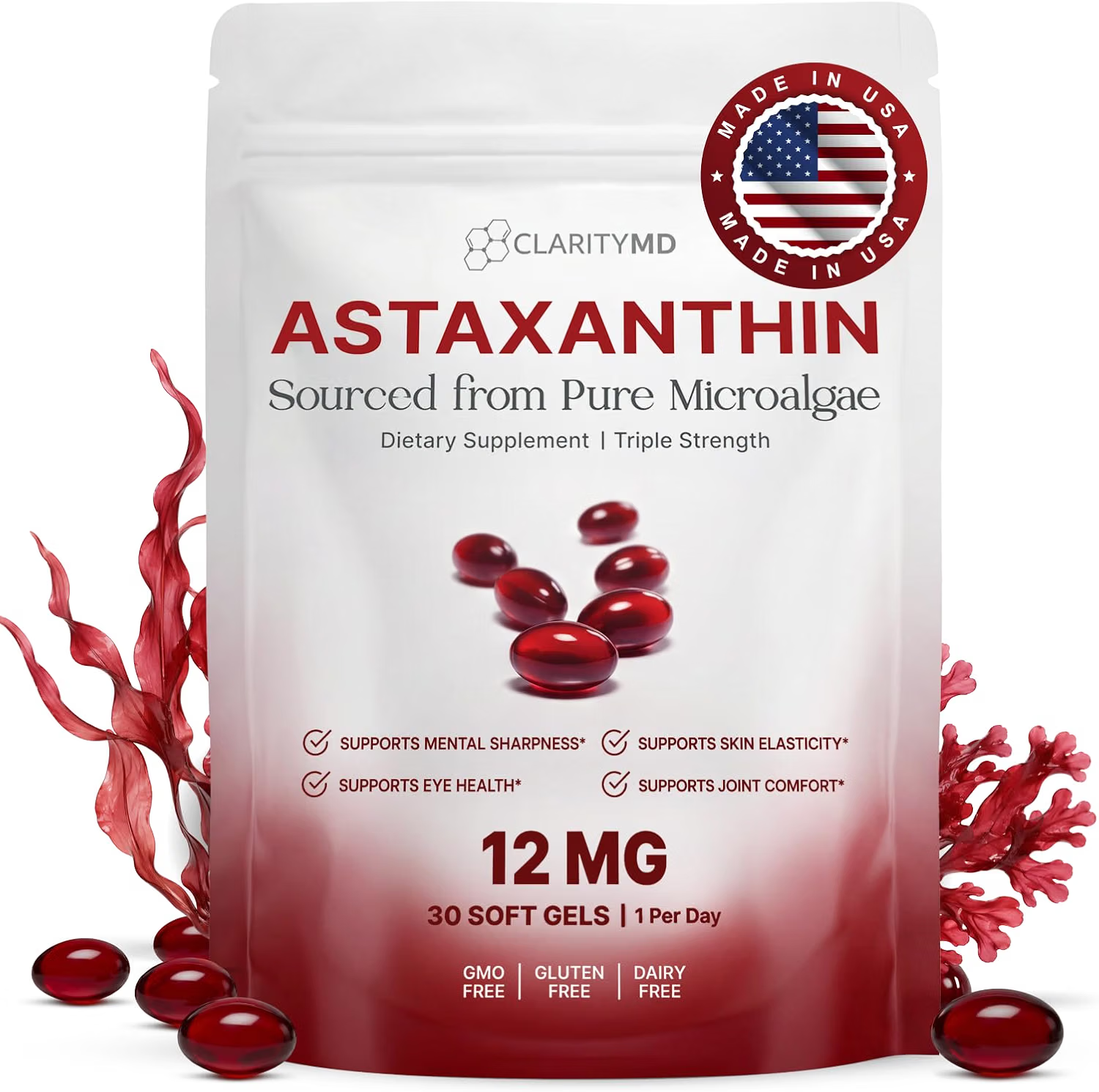
Astaxanthin is a red carotenoid produced by Haematococcus pluvialis under stress. Its in-vitro antioxidant power exceeds vitamin C and E, but human clinical evidence remains limited — studies on wrinkles, exercise performance and triglycerides are mixed at best.
ConsumerLab’s 2026 astaxanthin test delivered a clear message: price does not predict quality. Among products that passed testing, the cost for a 4mg dose ranged from 5 to 35 cents, and a typical 12mg daily dose from 15 cents to over $1. Expensive products showed no purity or dosage advantage.
If You Choose Astaxanthin
- Prefer natural-source, not synthetic
- 4–12mg daily is the common range
- Take with a fat-containing meal
- Stay skeptical of “anti-aging” marketing claims
“Antioxidants aren’t about how much you swallow — they’re about how much your body can actually use.”
TetraSOD: Next-Generation Algae Antioxidant
If your goal is cellular antioxidant defense rather than direct antioxidant intake, TetraSOD is worth knowing. It is a marine bioactive complex from Tetraselmis chui microalgae with a guaranteed minimum SOD (superoxide dismutase) activity of 30,000 U/g.
SOD is the body’s first-line internal antioxidant defense. Unlike direct antioxidants, TetraSOD works indirectly — it activates the body’s own defense and adaptive response mechanisms.
It holds 10 patents and 17 peer-reviewed studies; clinical data suggest just 25mg daily can improve aerobic capacity and recovery markers within 14 days, with preclinical evidence for telomere protection and gut microbiome support. In May 2026, SUANNUTRA USA acquired North American distribution rights, signaling its move from European research into broader markets.
For longevity, metabolic health and athletic recovery, TetraSOD offers a clinically backed algae option.
Buying Checklist: Key Criteria
FAQs
Can a microalgae supplement replace fish oil?
For EPA/DHA, algae oil is a valid substitute with no fishy taste or ocean pollutant risk. However, algae oil is often lower in EPA — if you need high EPA doses (e.g., for triglyceride management), choose an EPA-enhanced algae oil or consult your doctor.
Can I take spirulina and chlorella together?
Yes, and it’s common. Combination products deliver both spirulina’s protein and phycocyanin and chlorella’s chlorophyll and detox support.
Does astaxanthin really slow aging?
Human evidence is limited. Lab and animal studies show antioxidant and anti-inflammatory potential, but trials on wrinkles, performance and lipids are inconsistent. Try it, but don’t expect “reverse aging.”
Do vegetarians need extra B12?
Yes. Microalgae B12 is unreliable — spirulina contains pseudo-B12 and chlorella’s content varies wildly. Vegans should use fortified foods or a dedicated B12 supplement.
How should I take algae oil?
With a fat-containing meal, never on an empty stomach. Omega-3 is fat-soluble; fat improves absorption. Morning or evening doesn’t matter — taking it with food does.
Disclosure
This article contains affiliate links. If you buy through them, we may earn a commission — this does not affect our evaluation standards or recommendations.
Disclaimer
This content is for informational purposes only and is not medical advice. Microalgae supplements may interact with medications (e.g., blood thinners) and may be unsuitable for certain health conditions. Consult a qualified healthcare professional before starting any new supplement regimen. Cited study results do not guarantee personal health outcomes.
P.S. — The best microalgae supplement is the one that matches your goal: algae oil for Omega-3, astaxanthin or TetraSOD for antioxidant defense, spirulina and chlorella for daily nutrition. Start with one, take it consistently with food, and give it 8–12 weeks before judging results. Consistency beats perfection every time.