

Cooking Oil Comparison · 2026
TL;DR
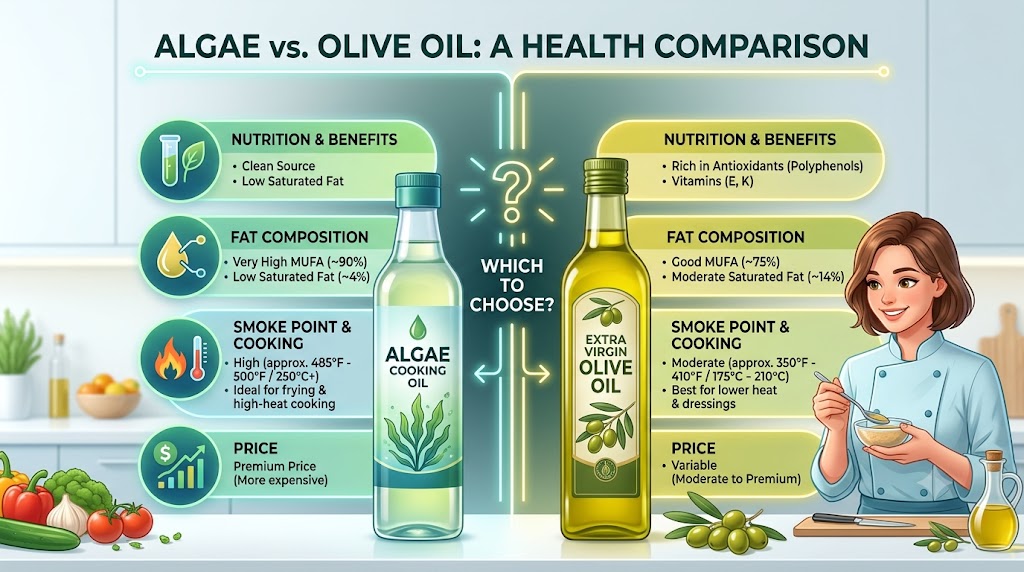
Neither oil is universally “healthier” — they win in different categories. Algae cooking oil has a higher smoke point (~485°F), roughly 90% monounsaturated fat, and a neutral taste, making it the better choice for high-heat cooking. Extra-virgin olive oil contains polyphenols and antioxidants with far stronger human research backing, making it the better choice for raw use, dressings and medium-heat cooking. The healthiest kitchen keeps both: algae oil for the hot pan, olive oil for everything else.
Olive oil has dominated the “healthy cooking oil” conversation for decades — and for good reason. But a newer contender, algae cooking oil, is now showing up on shelves with a fat profile that looks remarkably similar and a smoke point that beats extra-virgin olive oil by a wide margin. So is algae cooking oil healthier than olive oil?
The honest answer is that it depends on what “healthier” means to you. One oil wins on antioxidants and research depth; the other wins on heat stability and monounsaturated fat concentration. This guide compares them across seven factors — fats, antioxidants, heat stability, Omega content, purity, price and scientific evidence — so you can decide which belongs in your kitchen.
For a related deep dive into algae-based nutrition more broadly, this guide to the best microalgae supplement for omega-3 covers how algae-derived EPA and DHA are produced and why they matter for plant-based diets.
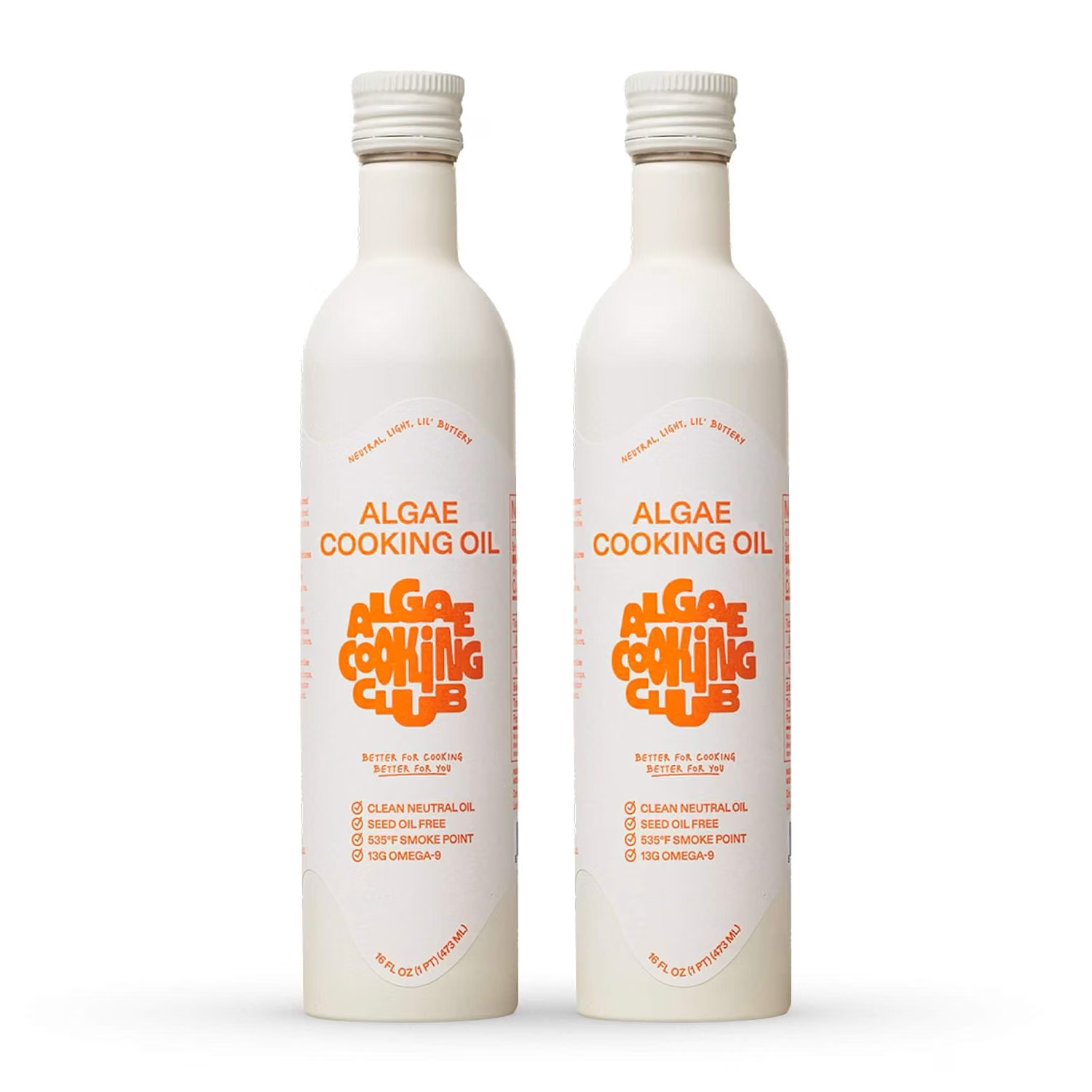 | ⭐ Editor’s Pick Best Algae Cooking Oil High smoke point, neutral flavor, ~90% monounsaturated fat. Ideal for searing, frying and baking without altering the taste of your food. Check Price & Availability → |
Quick Answer: What to Know Before You Buy
Q&A Snippet
Q: Is algae cooking oil healthier than olive oil?
Not across the board. Algae oil is higher in monounsaturated fat and far more heat-stable, so it produces fewer harmful compounds during high-heat cooking. Olive oil — especially extra virgin — contains polyphenols and antioxidants that algae oil lacks, and it has decades of human research behind it. The healthier choice depends on whether you’re cooking hot or eating raw.
Q: Which has more Omega-9?
Algae cooking oil, typically around 90% monounsaturated fat (mostly Omega-9 oleic acid), versus roughly 73% for olive oil. Both are excellent sources.
Q: Can I use algae oil for everything olive oil does?
For cooking, largely yes — and it handles higher heat. But you’ll lose olive oil’s flavor and polyphenols in raw applications like dressings and dipping. Most kitchens benefit from having both.
“The healthiest oil isn’t the one with the best label — it’s the one that’s still stable when your pan is hot.”
Fat Profiles: Omega-9 & Saturated Fat
Both oils are predominantly monounsaturated, which is the fat type most consistently linked to favorable cardiovascular markers when it replaces saturated fat.
Algae cooking oil typically contains around 90% monounsaturated fat, with very little saturated fat and minimal polyunsaturated fat. That low polyunsaturated content matters because polyunsaturated fats oxidize most easily under heat.
Extra-virgin olive oil sits around 73% monounsaturated fat, with roughly 14% saturated fat and around 11% polyunsaturated fat. Its fat profile is slightly less concentrated but still firmly in the heart-healthy category.
On fat composition alone, algae oil edges ahead. But fat profile is only one part of the picture.
Antioxidants & Polyphenols
This is where olive oil pulls clearly ahead.
Extra-virgin olive oil contains polyphenols — including hydroxytyrosol and oleocanthal — plus vitamin E and other minor compounds. These are associated with antioxidant and anti-inflammatory effects, and they’re a major reason olive oil appears in so much human nutrition research. Refined olive oil loses most of them.
Algae cooking oil is refined to achieve its neutral flavor and high heat stability, which means its polyphenol content is minimal. It’s not a meaningful antioxidant source. If polyphenols are your priority, algae oil won’t replace olive oil.
“Olive oil gives you compounds. Algae oil gives you stability. The smart kitchen uses both.”
Heat Stability & Smoke Point
Smoke point is where an oil begins breaking down and forming potentially harmful compounds. Higher is generally safer for high-heat cooking.
Algae oil’s roughly 75-degree advantage in smoke point makes it the safer pick for deep frying, hard searing, wok cooking and high-temperature roasting. Olive oil is perfectly fine for sautéing and medium-heat cooking — the “olive oil is unsafe for cooking” claim is overstated — but it degrades faster at the top end of the temperature range.
 | 🔥 Top Rated Best Cooking Oil for Health Algae oil beats olive oil on smoke point and monounsaturated fat. A smarter everyday choice for searing, frying and roasting at high heat. Compare Now → |
Omega-3, Omega-6 & Omega-9 Explained
Fatty acids are classified by their double-bond structure. Here’s how the two oils stack up in plain terms.
Omega-9 (oleic acid) is non-essential — the body makes it — but it’s the dominant fat in both oils. It’s associated with favorable cholesterol profiles when it replaces saturated fat. Algae oil leads here at roughly 90% versus olive oil’s 73%.
Omega-6 (linoleic acid) is essential but overconsumed in most Western diets. Both oils contain modest amounts; algae oil contains less, which some researchers view favorably given typical dietary imbalances.
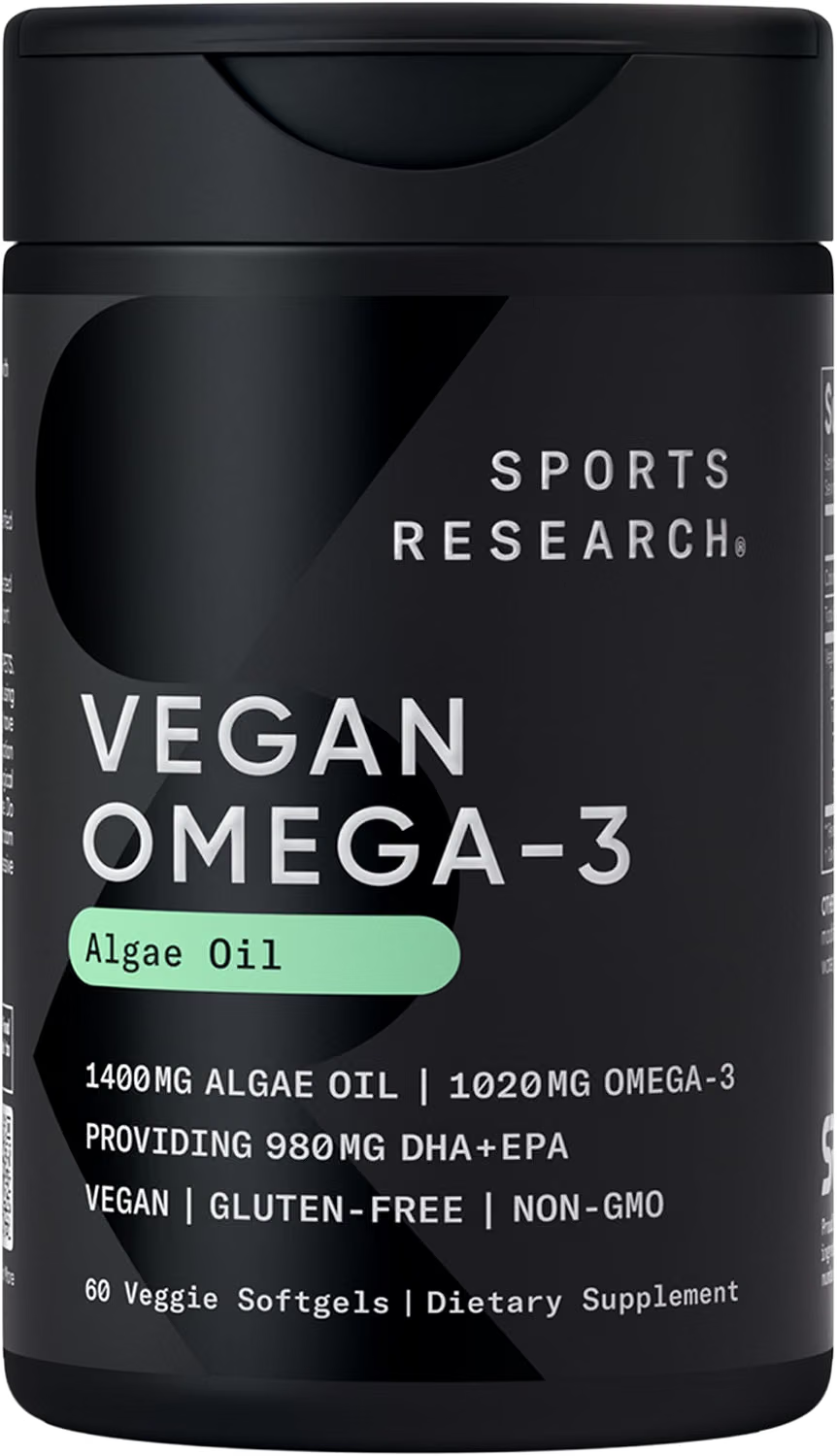
Omega-3 (ALA) content is low in both — neither is a meaningful Omega-3 source. For EPA and DHA, you need algae supplements or fatty fish, not cooking oil. If that’s your goal, the best microalgae supplement for omega-3 guide covers what actually delivers those fatty acids.
Purity, Adulteration & Quality Control
Quality varies widely in both categories, but for different reasons.
Olive oil has a well-documented adulteration problem. Studies have repeatedly found bottles labeled extra virgin that were cut with cheaper refined oils. Look for harvest dates, single-origin labeling and PDO/PGI certification, and prefer dark glass bottles.
Algae cooking oil is produced in closed fermentation systems, which limits environmental contamination and makes consistency easier to control. The main quality question is processing method — solvent-free extraction and third-party testing for oxidation are the markers of a good product.
“Expensive doesn’t mean pure. Read the label, check the date, and trust testing over branding.”
Price & Value
Olive oil spans an enormous price range — from budget blends to premium single-estate extra virgin. That range means you can find genuinely good olive oil at a moderate price if you know what to look for.
Algae cooking oil sits firmly in the premium bracket, comparable to quality avocado oil. It’s not a budget staple yet. The value argument rests on performance: if one bottle handles all your high-heat cooking without smoking or flavor transfer, the cost per use can be reasonable. Prices are expected to fall as production scales.
What the Science Says About Daily Use
The evidence gap here is significant and worth stating plainly.
Olive oil has decades of human research behind it, including large cohort studies and randomized trials on cardiovascular risk factors. The PREDIMED trial, for example, associated a Mediterranean diet supplemented with extra-virgin olive oil with reduced cardiovascular events. The evidence is not perfect, but it’s substantial and human-focused.
Algae cooking oil has a strong theoretical case — high monounsaturated fat, low saturated fat, excellent heat stability — but direct human outcome research is limited. Its health advantages are largely extrapolated from its fat profile and cooking performance rather than demonstrated in long-term trials. That doesn’t make it unhealthy; it means the evidence base is younger.
If you want an oil with proven long-term associations, olive oil wins. If you want an oil that produces fewer degradation compounds at high heat, algae oil has the edge.
Verdict: Which Should You Buy?
Buy algae cooking oil if: you cook at high heat often, want a neutral flavor that won’t alter your dish, prefer a higher monounsaturated fat content, or value a low-land-use cooking fat.
Buy extra-virgin olive oil if: you want polyphenols and antioxidants, you’re using it raw or at medium heat, or you prefer an oil with decades of human research behind it.
The realistic answer for most kitchens: buy both. Algae oil for the hot pan, extra-virgin olive oil for dressings, finishing and lower-heat cooking. That combination gives you the strengths of each without the compromises of either.
“Don’t ask which oil is healthiest. Ask which oil is right for what you’re cooking right now.”
FAQs
Is algae cooking oil healthier than olive oil?
Neither is healthier in every context. Algae oil is higher in monounsaturated fat (~90% vs ~73%) and has a much higher smoke point (~485°F vs ~375–410°F), so it forms fewer degradation compounds during high-heat cooking. Olive oil contains polyphenols and antioxidants that algae oil lacks, and it has a far deeper human research base.
Does algae oil have antioxidants?
Cooking-grade algae oil is refined for neutrality and heat stability, so its polyphenol content is minimal. It is not a meaningful antioxidant source. If antioxidants are your priority, extra-virgin olive oil is the better choice.
Can you cook with olive oil at high heat?
Yes, but with limits. Extra-virgin olive oil smokes between roughly 375–410°F, which is fine for sautéing and roasting but not ideal for hard searing or deep frying. Refined olive oil has a higher smoke point but loses most polyphenols.
Which oil has more Omega-9?
Algae cooking oil, at roughly 90% monounsaturated fat (primarily oleic acid) versus about 73% for olive oil. Both are considered excellent sources of Omega-9.
Is algae oil safe for everyday cooking?
Yes. Its high smoke point and low polyunsaturated content make it one of the more stable oils for everyday high-heat cooking. Choose products that specify solvent-free extraction and publish third-party oxidation testing.
Does algae cooking oil contain Omega-3?
Not in meaningful amounts. Cooking-grade algae oil is produced via dark fermentation for culinary use, not for EPA/DHA content. For Omega-3, you need algae supplements or fatty fish.
Is algae oil more sustainable than olive oil?
On land use, yes. Algae oil is produced in indoor fermentation tanks and requires no orchards or arable land, and minimal water compared with olive farming. That said, olive groves provide ecosystem benefits and support rural economies, so the comparison isn’t purely one-dimensional.
Which is better for heart health?
Olive oil has the stronger evidence base for cardiovascular outcomes, largely due to polyphenols and long-term human studies such as PREDIMED. Algae oil has a favorable fat profile for heart health on paper, but lacks comparable long-term human outcome data.
Disclosure
This article contains affiliate links. If you buy through them, we may earn a commission — this does not affect our evaluation standards or recommendations. We only feature products we believe offer genuine value based on available data.
Disclaimer
This content is for informational purposes only and is not medical or dietary advice. Smoke points, fatty acid profiles and nutritional values vary by product, harvest and refining method. Individuals with specific health conditions, cardiovascular concerns or dietary requirements should consult a qualified healthcare professional or registered dietitian before making changes to their diet.
P.S. — If you take one thing from this comparison, make it this: the question isn’t “which oil is healthiest” but “which oil is right for this dish.” Algae oil for the screaming-hot pan. Olive oil for the bowl, the drizzle and the slow sauté. Stock both, use each where it performs best, and stop worrying about picking a single winner.