

Quick Verdict (TL;DR)
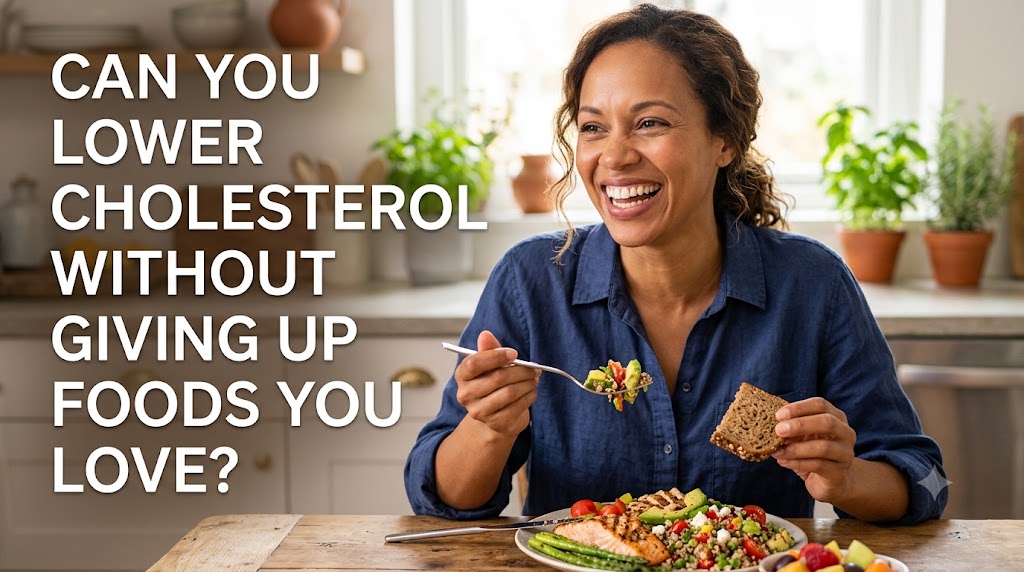
- You do not need to eliminate the foods you love to improve cholesterol. The evidence-based Portfolio Diet works by adding cholesterol-lowering foods (nuts, soluble fiber, plant sterols, soy protein) rather than imposing strict elimination.
- The best-evidenced supplement category is plant sterols/stanols. At 2 grams per day, they lower LDL cholesterol by roughly 8–10%, with a clear dose-response starting as low as 0.5–1 g/day.
- Berberine is a reasonable second option for people who also want support for triglycerides and fasting glucose; meta-analyses show LDL reductions of about 0.50 mmol/L, with a favorable short-term safety profile.
- Red yeast rice can be potent (monacolin K reduces LDL by up to 34% in some studies), but it is not a casual supplement: it carries statin-like side effects, citrinin contamination risk, and significant drug interactions.
- Soluble fiber (beta-glucan) is the lowest-risk, food-first supplement, reliably lowering LDL by about 0.31 mmol/L at 3–6 g/day of high-molecular-weight beta-glucan.
- Cost per serving is not the same as cost per effective dose. For sterols/stanols, obtaining 800 mg costs roughly $0.16–$0.74 depending on the product; for red yeast rice, obtaining 10 mg of monacolin K ranges from $0.31 to over $3.50.
What to verify before buying: Third-party testing (especially for red yeast rice and berberine), the actual amount of active ingredient per serving, and whether the product is meant to replace or complement prescribed therapy.
Introduction: The “Give Up Everything” Myth
If you have been told your LDL cholesterol is creeping up, you may have also been told—explicitly or implicitly—that the solution is to strip your diet down to oats, kale, and misery. That framing is not only unappealing; it is not how the strongest dietary evidence works.
Can you lower cholesterol without giving up foods you love? Yes—if you change the strategy from subtraction to addition. The goal is not to eliminate every food that brings you joy, but to add enough cholesterol-lowering foods and, where appropriate, evidence-based supplements so that the overall pattern moves LDL in the right direction.
This article compares the leading supplement options by benefit, ingredient quality, and real cost per serving. It is written for a reader who wants a practical, food-friendly path—not a lecture, and not a miracle pill. The supplement market is noisy; the evidence is not equally strong across categories. We will separate the well-supported from the overhyped, and flag exactly where caution is required.
The Real Foundation: The Portfolio Diet Adds, It Doesn’t Remove
Before comparing supplements, it is important to understand the dietary context they sit within. The Portfolio Diet is a plant-based, heart-healthy eating pattern designed to lower cholesterol by adding specific food groups rather than banning entire categories of food.
The core “portfolio” components are:
- Nuts (especially almonds and other tree nuts)
- Soluble/viscous fiber (oats, barley, legumes, psyllium)
- Plant proteins (soy foods)
- Plant sterols/stanols (found naturally in small amounts in vegetable oils, nuts, and fortified foods)
- Monounsaturated fats (olive oil, avocado)
In practice, this means you can keep the foods you love within a pattern that also includes these cholesterol-lowering additions. A meal that includes a handful of almonds, a bowl of oat-based cereal, or a soy-based dish is not a “compromise”—it is the active intervention.
Why this matters for supplements: Plant sterols and soluble fiber are the two supplement categories that most directly mirror Portfolio Diet principles. They are not exotic extracts; they are concentrated versions of foods and food components that already have a place in a heart-healthy pattern. That makes them the most logical first stop for a “food-friendly” supplement strategy.
How We Compared the Supplements
We evaluated each option against five criteria that matter to a real buyer:
- Strength and quality of evidence: Randomized controlled trial meta-analyses specific to LDL cholesterol, rather than animal or mechanistic data.
- Active ingredient transparency: Whether the product’s label clearly states the amount of the clinically relevant compound (e.g., plant sterols as free sterol equivalents; monacolin K in red yeast rice; beta-glucan molecular weight).
- Safety and interaction profile: Known contraindications, drug interactions, and contamination risks.
- Realistic cost per effective serving: Calculated only where price and serving data were verifiable; otherwise marked “not verified.”
- Fit with a food-friendly approach: Whether the supplement can be used alongside normal eating rather than requiring an elimination diet.
We did not rank the options by affiliate payout or brand popularity. An option is included because the evidence supports the category, not because a seller claims superiority.
Comparison Table: Benefits, Ingredients, and Cost
Prices and cost-per-serving figures are indicative retail observations; they change frequently and should be verified on the product page before purchase. “Not verified” means we could not confirm a reliable current price for an effective dose.
| Supplement category | Best-supported benefit | Key active ingredient | Clinically relevant dose | Approximate cost for an effective dose | Key limitations |
|---|---|---|---|---|---|
| Plant sterols/stanols | LDL cholesterol ↓ 8–10% at ~2 g/day; dose-response from 0.5–1 g/day | Free plant sterols/stanols (beta-sitosterol, campesterol, sitostanol) | 2 g/day, split with meals; at least 400 mg sterols / 1,000 mg stanols twice daily | $0.16–$0.74 per 800 mg (ConsumerLab testing) | May reduce absorption of fat-soluble vitamins; rare liver enzyme elevations; generally well tolerated |
| Berberine | LDL ↓ ~0.50 mmol/L; also lowers triglycerides and fasting glucose | Berberine HCl (from Berberis species) | Studied range commonly 500–1,500 mg/day, often split doses; higher doses (≥750 mg/day) and longer duration (>8 weeks) may produce greater reductions | ~$0.21–$1.33 per serving across retail brands (varies widely by dose and certification) | GI side effects possible; interactions with several drug classes (including some statins and CYP3A4 substrates); long-term safety data limited; choose third-party-tested products |
| Red yeast rice (RYR) | LDL ↓ up to 34% with monacolin K up to 10 mg/day in some trials | Monacolin K (chemically identical to lovastatin) | 10 mg monacolin K/day is the dose studied for meaningful LDL reduction; EFSA has raised safety concerns at 10 mg/day and recommended limits below 3 mg/day in some contexts | $0.31 to over $3.50 per 10 mg monacolin K; products vary enormously in monacolin content | Statin-like side effects (muscle, liver, kidney); citrinin contamination risk; multiple drug interactions (alcohol, grapefruit, CYP3A4 inhibitors, gemfibrozil, niacin, statins) |
| Soluble fiber (beta-glucan) | LDL ↓ ~0.31 mmol/L at 3–6 g/day high-MW beta-glucan; 12–15% LDL reduction at 5–6 g/day in some analyses | Beta-1,3/1,6-glucan from oats, barley, yeast, or fungi | 3–6 g/day of high-molecular-weight beta-glucan | ~$0.13–$0.58 per serving for standalone beta-glucan powders/capsules (dose varies; not all products provide 3 g) | GI bloating possible when starting; lower-MW preparations are less effective; must be taken consistently with adequate fluid |
| Garlic extract | Small but statistically significant LDL reduction in some meta-analyses (~4–6 mg/dL); evidence inconsistent across trials | Allicin, S-allylcysteine (varies by preparation) | Not standardized; studied doses vary widely | Not verified for a clinically comparable dose | Effect size is small compared with sterols or RYR; product standardization is poor |
| Omega-3 (EPA/DHA) | Triglyceride-lowering, not primarily LDL-lowering; DHA may increase LDL in some individuals | EPA and/or DHA | 1–2 g/day for triglyceride effects | ~€120–€240 per year (population-weighted estimate; retail varies) | Not a first-line LDL-lowering supplement; choose based on triglyceride goals, not LDL alone |
| Niacin | Raises HDL; modest LDL lowering, but does not reduce mortality in major trials and may increase all-cause mortality when added to statins | Nicotinic acid | 1–3 g/day (prescription-range doses) | Not verified; high-dose niacin is typically clinician-managed | Flushing; glucose elevation; not recommended as a self-directed LDL strategy |
Plant Sterols & Stanols: The Best-Evidenced “Food-First” Supplement
What they are and how they work
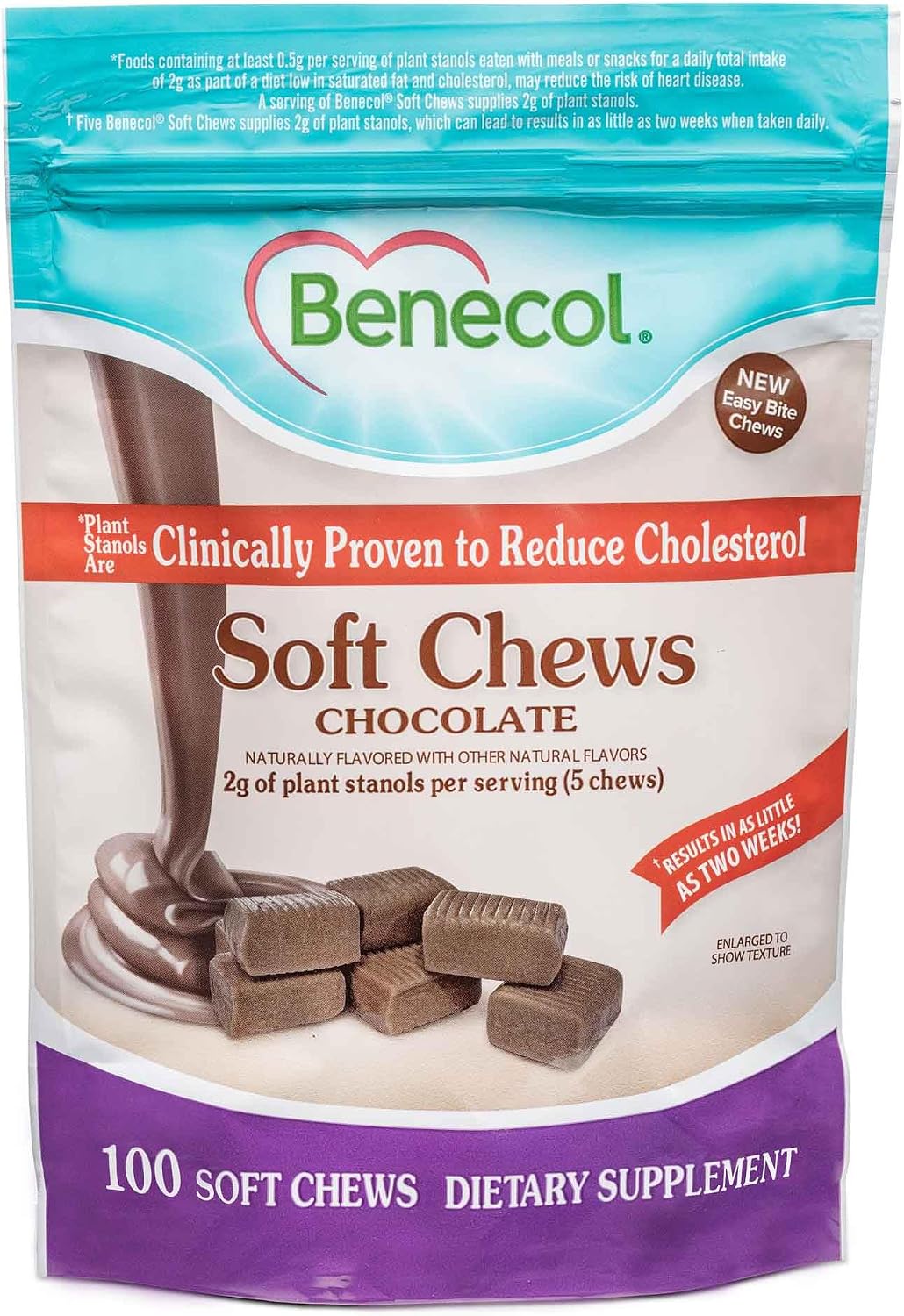
Plant sterols and stanols (collectively phytosterols) are naturally occurring compounds found in vegetable oils, nuts, seeds, and fortified foods. They work by competing with cholesterol for absorption in the intestine, which reduces the amount of LDL cholesterol entering the bloodstream.
What the evidence supports
A large umbrella review of meta-analyses and randomized trials found that phytosterols produce moderate, dose-dependent reductions in LDL cholesterol, with an inverse linear dose-response: reductions of at least 0.2 mmol/L were observed at doses as low as 0.5–1 g/day. At 2 g/day, the reduction is approximately 8–10%. The certainty of evidence for LDL cholesterol was rated high in this review.
ConsumerLab’s testing notes that the dose of sterols/stanols per serving in commercial products ranges from 400 mg to 900 mg, and that obtaining 800 mg of sterols/stanols costs between 16 cents and 74 cents depending on the product. For a clinically relevant 2 g/day, that translates to roughly $0.40–$1.85 per day if using a product in the 800-mg-per-serving range.
Limitations and cautions
- Plant sterols/stanols may interfere with absorption of fat-soluble vitamins (A, D, E, K); rare elevations in liver enzymes have been reported.
- They are not a substitute for prescribed lipid-lowering therapy in high-risk individuals.
- The LDL effect is meaningful but moderate—it is not comparable to a potent statin in absolute terms.
Who may reasonably consider them
Plant sterols/stanols are the most logical first supplement for someone who wants a food-friendly, well-evidenced addition to a Portfolio-style diet. They are especially relevant for people with mildly to moderately elevated LDL who are not yet on prescription therapy, or who want to complement dietary changes.
Check current plant sterol product detailsInternal link suggestion: Read our guide to the Portfolio Diet for a full food-first framework.
Berberine: Multi-Pathway Support Beyond LDL
What it is and how it works
Berberine is an alkaloid found in several plants, including barberry and goldenseal. It activates AMP-activated protein kinase (AMPK), a cellular energy regulator, and has effects on LDL cholesterol, triglycerides, and fasting glucose—which makes it relevant for people with metabolic syndrome features, not just isolated high LDL.
What the evidence supports
A 2025 systematic review and meta-analysis of randomized placebo-controlled trials found that berberine significantly reduced LDL cholesterol by 0.495 mmol/L, total cholesterol by 0.451 mmol/L, and triglycerides by 0.367 mmol/L compared with placebo. It also improved fasting plasma glucose and waist circumference. The authors noted a favorable safety profile in the short term, with no significant difference in adverse events versus placebo, but called for more high-quality long-term trials.
Subgroup analyses suggest that higher doses (≥750 mg/day) and longer durations (>8 weeks) produce greater reductions in total cholesterol and LDL.
Cost and product variability
Berberine pricing is highly variable. Retail observations range from ~$0.21 per capsule for a basic 500 mg product to $0.83–$1.33 per serving for premium or practitioner brands. Because the clinically studied doses are often 500–1,500 mg/day, the monthly cost can range from roughly $6 to $40+ depending on dose and brand.
Limitations and cautions
- Drug interactions: Berberine inhibits several cytochrome P450 enzymes and transporters; it may alter levels of statins, immunosuppressants, and other medications. Clinician review is essential if you take prescription drugs.
- GI effects: Diarrhea, constipation, and abdominal discomfort are the most commonly reported adverse effects.
- Long-term data: Most trials are relatively short (≤90 days); long-term cardiovascular outcome data are lacking.
Who may reasonably consider it
Berberine is a reasonable second-line option for someone who has both LDL and triglyceride or glucose concerns and who has ruled out interactions with a clinician. It is not a replacement for statin therapy in high-risk individuals.
Red Yeast Rice: Effective but Requires Serious Caution
What it is and how it works
Red yeast rice (RYR) is rice fermented with the yeast Monascus purpureus. Its cholesterol-lowering activity comes primarily from monacolin K, which is chemically identical to the prescription statin lovastatin. It works by inhibiting HMG-CoA reductase, the same enzyme targeted by statin drugs.
What the evidence supports
A narrative review reports that daily monacolin K consumption up to 10 mg/day reduces LDL cholesterol by up to 34% within 6–8 weeks compared with placebo. In individuals with no additional atherosclerotic cardiovascular disease (ASCVD) risk factors, RYR has been described as a safe and effective supplement for mild to moderate hyperlipidemia.
The critical caveats
Red yeast rice is not a benign “natural statin.” It carries the same potential side effects as prescription statins, including muscle breakdown, liver effects, and kidney effects. The European Food Safety Authority (EFSA) has raised significant safety concerns at 10 mg monacolin K/day and recommended limiting intake to less than 3 mg/day in some contexts.
Contamination is a major issue: an analysis of 37 red yeast rice supplements found that only one had citrinin—a kidney toxin—at safe levels. Product monacolin content varies enormously; some products contain only small amounts and may have little effect.
Drug interactions are extensive: alcohol, grapefruit, cyclosporine, CYP3A4 inhibitors (e.g., erythromycin), gemfibrozil, niacin, statins, and hepatotoxic medicines all raise the risk of harm.
Cost
ConsumerLab reports that obtaining 10 mg of lovastatin-equivalent monacolin K per day from RYR products costs from 31 cents to more than $3.50, depending on the product. That is a 10-fold price range for the same nominal dose—reason enough to verify monacolin content and third-party testing before buying.
Who may reasonably consider it
RYR should be considered only after clinician review, primarily for someone with mild-to-moderate hyperlipidemia and no additional ASCVD risk factors who cannot or will not take a prescription statin and who understands the monitoring and interaction requirements. It is not appropriate for pregnant or breastfeeding individuals, people with liver or kidney disease, or anyone taking interacting medications.
Soluble Fiber (Beta-Glucan): The Underrated Workhorse
What it is and how it works
Beta-glucan is a viscous soluble fiber found in oats, barley, yeast, and fungi. It forms a gel in the gut that traps cholesterol and bile acids, increasing their excretion and prompting the liver to pull more LDL cholesterol from the bloodstream.
What the evidence supports
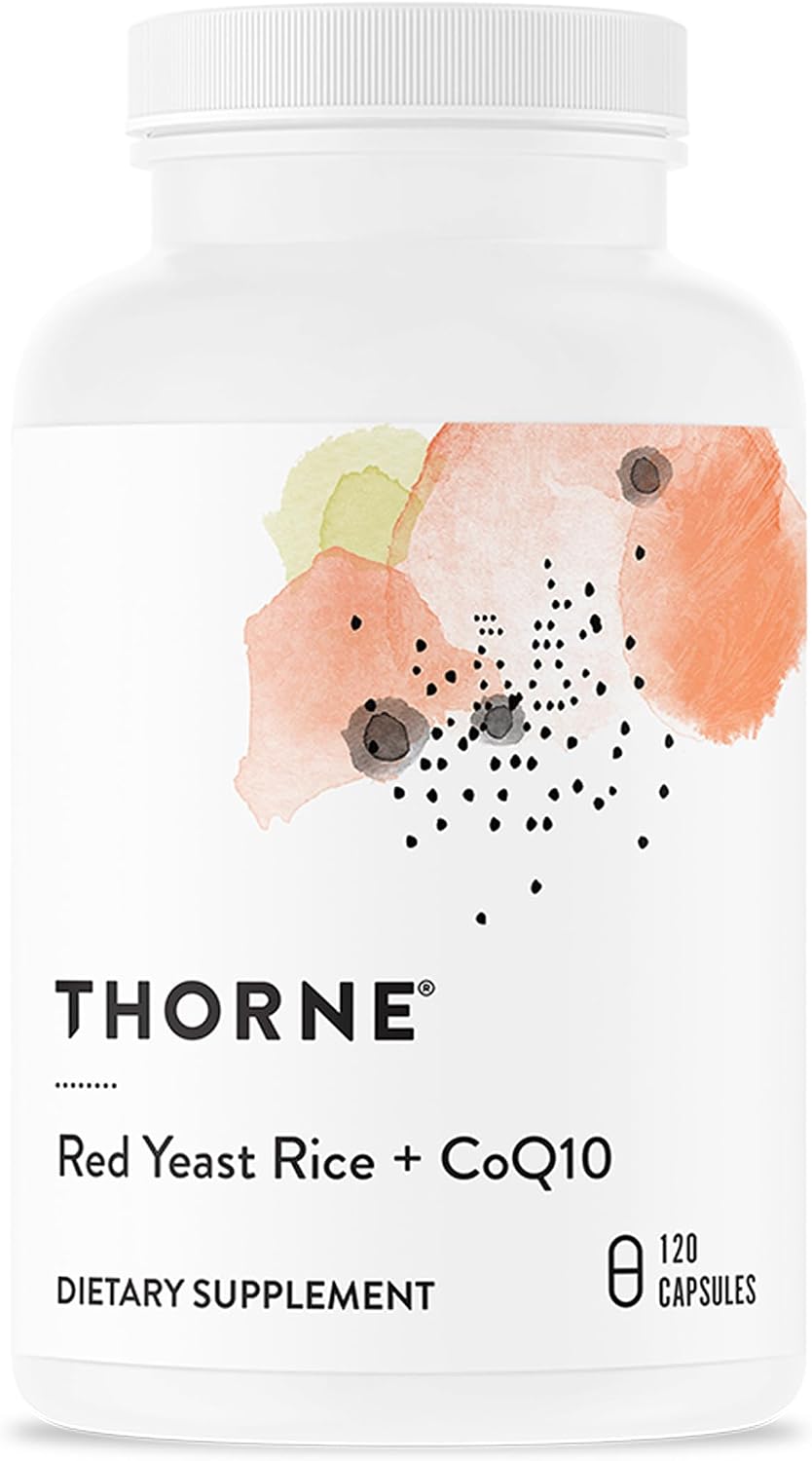
A 2026 systematic review and meta-analysis of 15 RCTs (n = 1,847) found that high-molecular-weight beta-glucans (3–6 g/day) consistently lowered LDL cholesterol by 0.31 mmol/L and total cholesterol by 0.38 mmol/L compared with control. At 5–6 g/day of high-MW beta-glucan, LDL reductions reached 12–15%. The FDA and EFSA have approved health claims for oat and barley beta-glucans at a minimum of 3 g/day.
Lower-molecular-weight preparations had smaller effects (LDL reduction of only 0.15 mmol/L), so molecular weight and viscosity matter when choosing a product.
Cost and practical use
Standalone beta-glucan powders and capsules vary widely in dose. Retail observations range from ~$0.13 per serving for a 500 mg powder to ~$0.58 per serving for 250 mg capsules—but not all products provide the 3 g/day dose used in trials. Oat and barley foods are the most food-first way to obtain beta-glucan, but supplements can help close the gap for people who do not regularly eat oats or barley.
Limitations and cautions
- GI effects: Bloating and gas are common when starting; titrate slowly and drink adequate water.
- Not all beta-glucan is equal: High-MW, viscous beta-glucan is the effective form; lower-MW or heavily processed products may underdeliver.
- Additive, not replacement: Beta-glucan is a complement to, not a substitute for, other LDL-lowering strategies.
Who may reasonably consider it
Beta-glucan is the lowest-risk supplement option and the most compatible with a food-first approach. It is a strong choice for someone who wants a gentle, well-tolerated addition to a Portfolio-style diet and who prefers to avoid more potent or interaction-prone supplements.
View high-molecular-weight beta-glucan optionsWhat About Garlic, Omega-3, and Niacin?
These three are commonly marketed for cholesterol, but the evidence does not place them on the same level as sterols, berberine, RYR, or beta-glucan for LDL lowering.
Garlic has inconsistent evidence. Some meta-analyses show statistically significant but small LDL reductions (e.g., ~4–6 mg/dL), while others show no meaningful effect. It may offer modest blood pressure benefits, but it is not a primary LDL strategy.
Omega-3 (EPA/DHA) is primarily a triglyceride-lowering intervention. DHA can actually increase LDL cholesterol in some individuals, and the LDL effect of EPA/DHA is not reliably favorable. It belongs in a triglyceride-focused conversation, not an LDL-focused one.
Niacin raises HDL and lowers LDL at high doses, but major trials have not shown a mortality benefit, and adding niacin to statin therapy has been associated with increased all-cause mortality in meta-analysis. It is a clinician-managed therapy, not a self-directed supplement for LDL.
Bottom line: If the goal is LDL lowering without giving up foods you love, these three are not the most efficient or best-evidenced choices. They may have roles for specific lipid goals, but they should not displace plant sterols, beta-glucan, or a Portfolio-style dietary pattern.
Cost Reality Check: What You Actually Pay Per Serving
The supplement industry often quotes price per bottle, not price per effective dose. That makes cheap products look cheaper than they are and expensive products look more affordable than they are. Here is the reality check:
- Plant sterols/stanols: Obtaining 800 mg costs $0.16–$0.74; for 2 g/day, expect roughly $0.40–$1.85/day depending on the product. This is a moderate daily cost for a high-certainty LDL effect.
- Berberine: Daily cost ranges from roughly $0.21 to $1.33+ depending on serving size and brand; at higher studied doses (1,000–1,500 mg/day), monthly costs can exceed $30–$40.
- Red yeast rice: The cost for 10 mg monacolin K ranges from $0.31 to over $3.50/day—a 10-fold spread for the same nominal dose. Cheap RYR may underdeliver monacolin K or carry contamination risk; expensive RYR is not automatically safer.
- Beta-glucan: Standalone products range from ~$0.13 to ~$0.58 per serving, but you must check whether the serving actually provides 3 g of high-MW beta-glucan. A cheap product with 500 mg per serving is not comparable to a 3 g dose.
The key principle: Compare cost per effective dose, not cost per bottle. A product that provides 400 mg of sterols per serving is not equivalent to one that provides 900 mg, even if the bottles cost the same.
Frequently Asked Questions
Do I have to stop eating my favorite foods to lower cholesterol?
No. The strongest dietary evidence supports adding cholesterol-lowering foods (nuts, soluble fiber, plant sterols, soy protein) rather than eliminating all enjoyable foods. The overall pattern matters more than any single meal.
What is the best supplement for lowering LDL cholesterol?
Plant sterols/stanols have the highest certainty of evidence for LDL lowering (8–10% at 2 g/day) and are the most food-first option. Beta-glucan is the lowest-risk option. Berberine is reasonable if triglycerides or glucose are also concerns. Red yeast rice is effective but requires clinician oversight and third-party testing.
Can I take plant sterols with a statin?
Plant sterols work by a different mechanism (blocking cholesterol absorption) and can be additive to statin therapy, but you should tell your prescriber before adding them. They may interfere with fat-soluble vitamin absorption, and rare liver enzyme elevations have been reported.
Is red yeast rice a safe natural alternative to statins?
It is not automatically safer. Monacolin K is chemically identical to lovastatin and carries the same potential side effects (muscle, liver, kidney). Citrinin contamination is a documented risk, and drug interactions are extensive. It should be used only with clinician review and verified third-party testing.
How long until I see a change in cholesterol?
For plant sterols, meaningful LDL reductions can be seen within 2–4 weeks of consistent use. For beta-glucan, trials typically run 8–12 weeks. For berberine, short-term trials (≤90 days) show effects, but longer-term data are limited. Recheck lipids with your clinician after 8–12 weeks of consistent use.
Can I just eat more oats and nuts instead of taking a supplement?
Yes—that is the ideal food-first approach. The Portfolio Diet is built on exactly that principle. Supplements are useful when dietary intake is inconsistent, when higher doses are needed, or when a clinician recommends a concentrated source. They are not a substitute for a dietary pattern.
Final Verdict: Who Should Consider What
There is no single “best” supplement for everyone. The right choice depends on your LDL level, other metabolic markers, medication interactions, budget, and willingness to monitor.
Under the criteria used here—evidence quality, ingredient transparency, safety, cost per effective dose, and food-friendliness—the strongest overall option for most readers is plant sterols/stanols. They have the highest certainty of evidence, a clear dose-response, a food-first mechanism, and a moderate, predictable cost of roughly $0.40–$1.85 per day for a 2 g dose. Their principal limitation is that they are moderate, not dramatic, and they require consistent twice-daily use with meals.
The closest alternative depends on your priorities:
- If you want the lowest-risk, most food-compatible option: choose beta-glucan (3–6 g/day of high-MW beta-glucan).
- If you have both LDL and triglyceride/glucose concerns: discuss berberine with your clinician, ensuring third-party testing and interaction review.
- If you have mild-to-moderate hyperlipidemia, no additional ASCVD risk factors, and clinician support: red yeast rice may be considered—but only with verified monacolin K content and citrinin testing, and with full awareness of statin-like risks.
Before you buy anything, verify:
- The amount of active ingredient per serving (not just the bottle size).
- Third-party testing for potency and contaminants (especially critical for RYR and berberine).
- Whether the product interacts with your medications—especially statins, blood thinners, immunosuppressants, and diabetes drugs.
- The real cost per effective dose, not the shelf price.
Internal link suggestion: If you take a prescription statin, read our guide to supplement–statin interactions before adding anything new.
References
- Umbrella review and dose-response meta-analysis of phytosterols and cardiometabolic risk factors. ScienceDirect, 2026. Evidence for LDL reduction of 0.2 mmol/L at 0.5–1 g/day; high certainty for LDL-C.
- Systematic review and meta-analysis of berberine in metabolic syndrome. Europe PMC, 2025. LDL-C reduction of 0.495 mmol/L; favorable short-term safety.
- Narrative review of red yeast rice with monacolin K for hyperlipidemia. Europe PMC, 2025. Monacolin K up to 10 mg/day reduces LDL by up to 34%.
- Mayo Clinic. Red yeast rice: Overview, safety, and interactions. March 2025. Statin-like side effects; citrinin contamination; extensive drug interactions.
- Systematic review and meta-analysis of beta-glucan extraction method and cardiometabolic outcomes. ScienceDirect, 2026. High-MW beta-glucan 3–6 g/day lowers LDL by 0.31 mmol/L; 12–15% reduction at 5–6 g/day.
- ConsumerLab. Cholesterol-Lowering Supplements Review (Sterols/Stanols and Policosanol). Cost of 800 mg sterols/stanols: $0.16–$0.74; dosing and cautions.
- ConsumerLab. Red Yeast Rice Supplements Review. Cost for 10 mg lovastatin-equivalent: $0.31 to >$3.50/day; contamination and safety concerns.
- Cleveland Clinic. The Portfolio Diet: What and how. Adds plant sterols, soluble fiber, nuts, and soy protein rather than eliminating foods.
- EFSA statement on monacolin K safety limits, as summarized in Europe PMC, 2024. Safety concerns at 10 mg/day; recommended limits below 3 mg/day in some contexts.
- Meta-analysis of garlic and lipid outcomes. Examine.com, 2025; Merck Manual, 2025. Small, inconsistent LDL effects.
- Review of omega-3 fatty acids and LDL cholesterol. ScienceDirect, 2011. DHA may increase LDL; omega-3 is primarily triglyceride-lowering.
- Meta-analysis of niacin and cardiovascular outcomes. American Journal of Medicine / Cochrane Library. No mortality benefit; increased all-cause mortality when added to statins in some analyses.
- Retail price observations for beta-glucan and berberine products, 2025. Individual product listings; prices vary by dose and certification.