
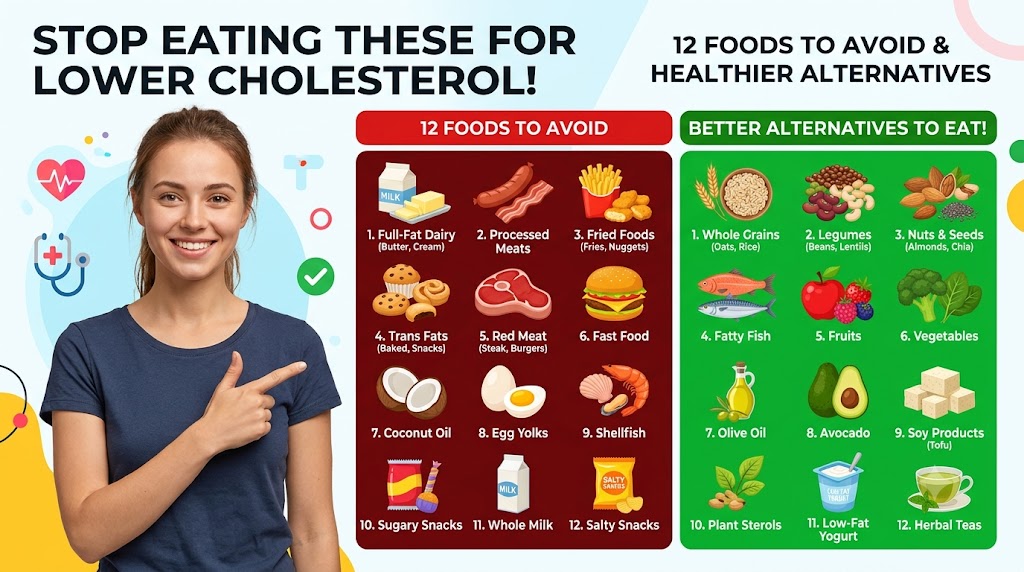

Quick verdict: What should you stop eating to lower cholesterol? Start with saturated-fat-heavy foods—fatty red meat, processed meats, butter, full-fat dairy, coconut oil, palm oil, and deep-fried foods—then cut trans-fat-containing commercial baked goods and snacks and added sugars. Dietary cholesterol from egg yolks and organ meats matters for some people, especially hyper-responders, but saturated fat is the bigger dietary lever for most adults.
The best swaps are specific and buyable: lean poultry and fish for fatty meat, olive oil for butter, oats and barley for refined cereals, beans and psyllium fiber for low-fiber snacks, and unsweetened drinks for sugary beverages.
What should I stop eating to lower cholesterol? If you have been told to improve your cholesterol and want a concrete starting list, the useful answer is not “stop eating fat.” It is to reduce the foods that deliver the most saturated fat and trans fat, replace them with unsaturated fats and soluble fiber, and cut added sugars that worsen triglycerides. This guide lists 12 foods to reduce, explains why they matter, and gives better alternatives worth buying—including optional fiber support.
This is educational information, not an individualized medical recommendation. If you have familial hypercholesterolemia, established cardiovascular disease, diabetes, or very high LDL, use this guide alongside clinical care rather than instead of it.
Quick Verdict: The Short Answer
What should you stop eating to lower cholesterol? The highest-priority targets are saturated-fat-heavy foods: fatty red meat, processed meats, butter, lard, ghee, full-fat dairy, coconut oil, palm oil, and deep-fried foods. Next are trans-fat-containing commercial baked goods and snacks, followed by sugary drinks and added sugars that raise triglycerides and add excess calories.
Dietary cholesterol from egg yolks and organ meats matters for some people—especially hyper-responders—but for most adults, saturated fat is the bigger dietary lever. The most useful changes are not vague “eat less” instructions. They are specific replacements you can buy and repeat: lean poultry and fish for fatty meat, olive oil for butter, oats and barley for refined breakfast cereals, beans and psyllium fiber for low-fiber snacks, and unsweetened drinks for sugary beverages.
Affiliate Disclosure
This article contains affiliate links. If you purchase through a link on this page, we may earn a commission at no extra cost to you. Recommendations are based on dietary evidence and practical usefulness, not on commission rates. We do not claim that any supplement replaces medical treatment, and we do not guarantee specific cholesterol reductions from any product.
Why Saturated Fat Matters More Than Dietary Cholesterol
Blood cholesterol is mostly made by the liver, not directly deposited from food. Dietary saturated fatty acids—found in butter, fatty meat, full-fat dairy, palm oil, and coconut oil—increase LDL cholesterol and are considered a primary dietary determinant of blood cholesterol levels. Dietary cholesterol from egg yolks, shrimp, and organ meats also raises LDL in some people by reducing hepatic LDL receptor activity, but the response varies widely between individuals.
Systematic reviews of randomized trials suggest that reducing or modifying saturated fat intake may reduce cardiovascular events, with the clearest benefit in people at higher baseline cardiovascular risk and when saturated fat is replaced with polyunsaturated fat. That does not mean everyone must eliminate saturated fat completely. It means the biggest return on effort comes from cutting the foods that deliver large amounts of saturated fat and replacing them with unsaturated fats, soluble fiber, and minimally processed plant foods.
This distinction matters because “high cholesterol foods” lists often focus on egg yolks and shellfish while missing the larger sources of saturated fat. For most readers, the butter on the bread, the fatty meat in the sandwich, and the fried snack matter more than an occasional egg. See the soluble fiber guide and how to read nutrition labels for practical label skills.
What Should I Stop Eating to Lower Cholesterol? The 12 Foods to Avoid
The list below is ordered by practical impact for most adults, not by a strict ranking. Some foods are “reduce” rather than “never.” The goal is a pattern you can sustain, not perfection.
1. Fatty Cuts of Red Meat
Fatty beef, lamb, pork, and visible fat on meat are major saturated fat sources. NHS guidance specifically lists fatty meat and meat products among foods to eat less of. Better buy: lean cuts, skinless poultry, or fish. Trim visible fat and choose baking, grilling, or steaming over frying.
2. Processed Meats
Sausages, bacon, salami, hot dogs, deli slices, and jerky are high in saturated fat and sodium. The American Heart Association recommends minimizing processed meats. Better buy: fresh turkey breast, chicken breast, canned tuna in water, or sliced tofu.
3. Butter, Lard, and Ghee
These are concentrated saturated fats. NHS explicitly advises eating less butter, lard, and ghee. Better buy: olive oil, rapeseed oil, or a spread made from these oils.
4. Full-Fat Cheese, Cream, and Whole Milk
Hard cheese, cream, sour cream, and full-fat dairy are saturated-fat dense. Better buy: low-fat or fat-free dairy, or smaller portions of strongly flavored cheese grated finely so less is needed.
5. Coconut Oil and Palm Oil
These tropical oils are often marketed as “natural,” but they are high in saturated fat and can raise LDL cholesterol. Better buy: olive oil, avocado oil, or other nontropical unsaturated oils.
6. Deep-Fried Foods
Fried chicken, French fries, doughnuts, and battered foods absorb fat and are often fried in oils that are repeatedly heated. They are linked to higher saturated and trans fat intake. Better buy: air-fried, baked, or grilled versions using minimal olive oil.
7. Commercial Baked Goods
Cakes, cookies, pastries, pies, muffins, and crackers can contain butter, shortening, palm oil, or partially hydrogenated oils. Even “0 grams trans fat” labels may hide small amounts if partially hydrogenated oil appears in the ingredient list. Better buy: homemade baked goods with olive oil or canola oil, or fresh fruit for sweetness.
8. Egg Yolks (for Hyper-Responders)
Eggs are nutrient-dense, and many people can eat them without a meaningful LDL rise. However, people with familial hypercholesterolemia or a strong hyper-response to dietary cholesterol may need to limit egg yolks, organ meats, and shellfish. Better buy: egg whites or egg substitutes if your clinician has advised yolk restriction; otherwise, whole eggs in moderation within a heart-healthy pattern.
9. Organ Meats
Liver, kidney, and sweetbreads are extremely high in dietary cholesterol. Mayo Clinic lists organ meats among high-cholesterol foods to reduce. Better buy: lean muscle meats, fish, or legumes.
10. Sugary Drinks and Added Sugars
Sugar-sweetened beverages and sweets contribute to high triglycerides and excess calorie intake, which indirectly worsen the lipid profile. The AHA recommends limiting sugary foods and drinks. Better buy: water, sparkling water, unsweetened tea, or coffee without added sugar.
11. Refined White Carbohydrates
White bread, white pasta, and refined breakfast cereals are low in soluble fiber, the type that helps block cholesterol absorption. They are not “high cholesterol” foods in the way butter is, but they displace better choices. Better buy: oats, barley, whole-grain bread, whole-wheat pasta, and legumes.
12. Highly Processed Snack Foods
Chips, packaged crackers, microwave popcorn with butter flavoring, and nondairy creamers can contain saturated fat, trans fat, or both. Better buy: nuts, seeds, roasted chickpeas, or fresh vegetables with hummus.
Better Alternatives Worth Buying
Soluble Fiber: Oats, Barley, Beans, and Psyllium
Soluble fiber helps block some cholesterol from being absorbed into the bloodstream. Good sources include oats, barley, beans, apples, pears, and psyllium. A practical target is to include one soluble-fiber-rich food at most meals: oats at breakfast, beans at lunch, and barley or fruit at dinner.
Unsaturated Oils and Nuts
Replacing saturated fat with unsaturated fat—especially polyunsaturated fat—is associated with better cardiovascular outcomes. Olive oil, rapeseed oil, walnuts, almonds, and seeds are useful replacements for butter and creamy dressings.
Plant Sterols and Stanols
Fortified foods containing plant sterols or stanols can reduce cholesterol absorption. They are not a substitute for a whole-diet approach, but they can be a useful add-on when used consistently. Look for fortified spreads, yogurts, or drinks with verified sterol content.
Lean Protein and Fish
Fish, skinless poultry, tofu, tempeh, and legumes replace fatty and processed meats without sacrificing protein. Oily fish also provides omega-3 fatty acids, which have heart-health benefits even though they do not directly lower LDL cholesterol.
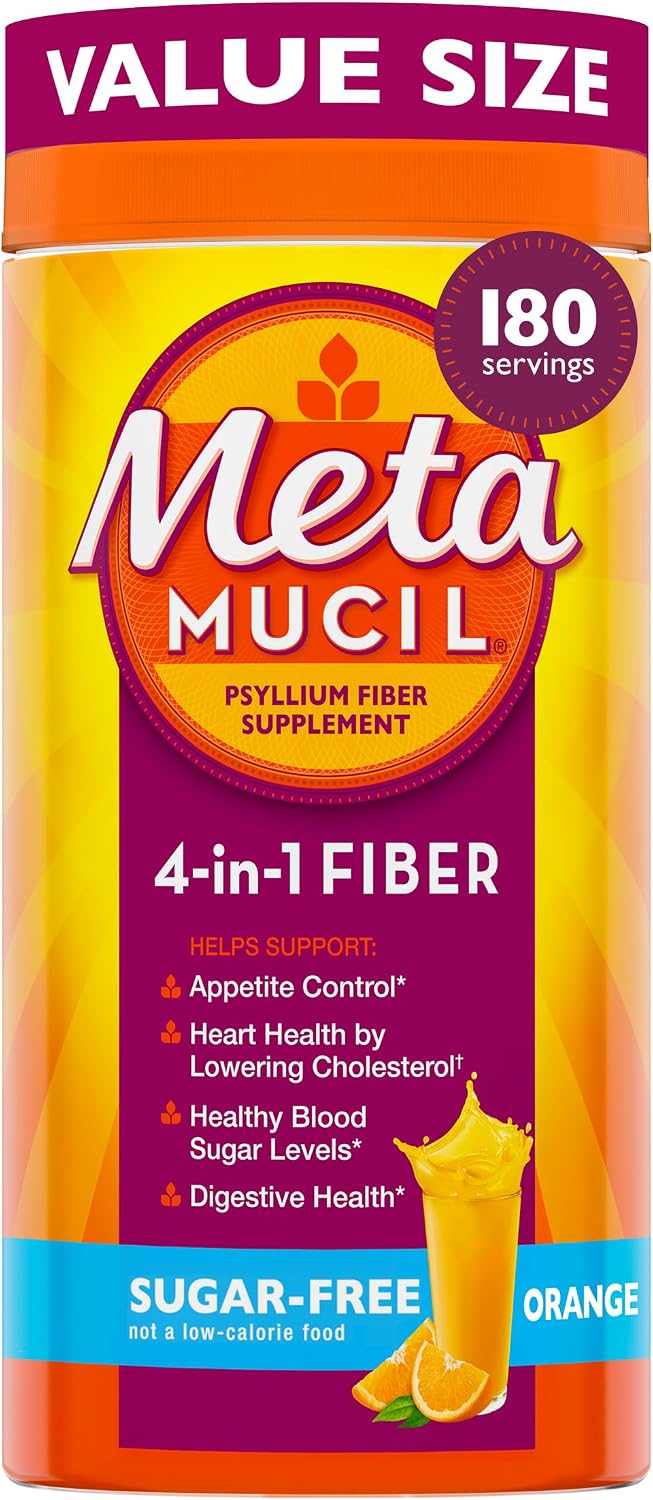
Psyllium Husk Fiber Supplement — Check Current Details
A soluble fiber supplement can help support cholesterol-lowering goals when combined with a diet lower in saturated fat. Review the serving size, fiber content, and ingredient list before buying.
View current product details and pricing →
Affiliate link. We may earn a commission if you purchase through this link. Product details were not independently verified; confirm specifications on the retailer page.
Comparison Table: Worst Offenders vs. Smarter Swaps
| Food to reduce | Main concern | Better alternative | What to check before buying |
|---|---|---|---|
| Fatty red meat | Saturated fat | Lean cuts, skinless poultry, fish | Visible fat trimmed; no added marinades high in sugar or salt |
| Sausages, bacon, deli meat | Saturated fat, sodium, processing | Fresh turkey or chicken breast, tuna in water, tofu | Sodium per serving; “uncured” does not mean low-sodium |
| Butter, lard, ghee | Concentrated saturated fat | Olive oil, rapeseed oil | “Extra virgin” for olive oil; avoid blends with palm oil |
| Full-fat cheese and cream | Saturated fat | Low-fat dairy or smaller portions of strong cheese | Calcium and protein per serving; added sugar in flavored yogurts |
| Coconut oil, palm oil | Saturated fat | Olive, avocado, or canola oil | Ingredient list; “tropical oils” may appear in packaged foods |
| Deep-fried foods | Saturated and trans fat | Baked, grilled, or air-fried versions | Oil type and reheating practices at restaurants |
| Commercial cakes and cookies | Trans fat, saturated fat, added sugar | Homemade olive-oil baked goods, fresh fruit | “Partially hydrogenated oil” in ingredient list, even if trans fat says 0 g |
| Egg yolks (if advised) | Dietary cholesterol | Egg whites, egg substitute, legumes | Clinical advice for hyper-responders |
| Organ meats | Very high dietary cholesterol | Lean meat, fish, beans | Frequency and portion size |
| Sugary drinks | Added sugar, triglycerides | Water, sparkling water, unsweetened tea | Added sugar per serving; “no added sugar” claims |
| White bread and refined cereals | Low soluble fiber | Oats, barley, whole-grain bread | Fiber grams per serving; first ingredient “whole grain” |
| Processed snacks | Trans fat, saturated fat, sodium | Nuts, seeds, roasted chickpeas, vegetables | Oil type, sodium, and serving size |
Prices, product specifications, and availability were not verified for this table. Confirm current details on the retailer or manufacturer page before purchase.
Should You Add a Fiber Supplement?
If your diet is low in soluble fiber and you want a convenient way to increase intake, a psyllium husk fiber supplement is one of the better-studied options. Soluble fiber from psyllium can help lower LDL cholesterol when taken consistently alongside a low-fat diet. It is not a replacement for cutting saturated fat, but it can be a practical bridge on days when beans, oats, and barley are not on the menu.
When choosing a psyllium product, check the serving size, grams of soluble fiber per serving, added sugars or artificial sweeteners, and whether the label clearly states a cholesterol-lowering claim. Start with a small serving and increase gradually to reduce bloating. Drink plenty of water. If you take prescription medications, separate psyllium from them by at least two hours unless your pharmacist advises otherwise, because fiber can affect absorption.
For more detail, see the psyllium husk fiber guide.
Safety, Side Effects, and Who Needs Medical Advice
Dietary changes are generally safe, but some situations require clinical guidance. People with familial hypercholesterolemia, established cardiovascular disease, diabetes, or very high LDL should not rely on food swaps alone; they need a clinician-directed plan that may include medication. Do not stop or change a prescribed cholesterol medication without professional advice.
Fiber supplements can cause bloating, gas, or changes in bowel habits, especially when started quickly. Increase fiber gradually and maintain adequate fluid intake. People with swallowing difficulties, bowel obstructions, or a history of esophageal narrowing should avoid psyllium powder unless a clinician approves it.
Pregnant or breastfeeding readers, older adults with multiple medications, and anyone with kidney or liver disease should discuss dietary changes and supplements with a qualified healthcare professional. This article is educational and does not replace individualized medical care.
Medical disclaimer: This content is for general education and does not constitute medical advice, diagnosis, or treatment. Always consult a qualified healthcare professional about your cholesterol, medications, and supplement use.
FAQ
What is the single most important food to stop eating to lower cholesterol?
For most people, the highest-impact change is to reduce fatty and processed meats and replace them with lean protein or plant protein. These foods deliver large amounts of saturated fat, which raises LDL cholesterol more consistently than dietary cholesterol does in the general population.
Are eggs bad for cholesterol?
Eggs are not universally “bad,” but they are a concentrated source of dietary cholesterol. Many people experience little change in LDL when eating eggs, while hyper-responders may see a rise. If your clinician has advised limiting dietary cholesterol, use egg whites or egg substitutes and keep yolks occasional.
Is coconut oil better than butter for cholesterol?
No. Coconut oil is high in saturated fat and can raise LDL cholesterol. Olive oil, rapeseed oil, and other unsaturated oils are better choices for heart health.
Do I need a fiber supplement to lower cholesterol?
Not necessarily. Food sources of soluble fiber—oats, barley, beans, lentils, apples, and psyllium—are preferred first. A supplement can be useful if your diet is consistently low in these foods, but it should be combined with a diet lower in saturated fat and, when appropriate, medication.
How long does it take for diet changes to affect cholesterol?
Some changes in LDL can be measurable within several weeks, but the full effect depends on how consistently the diet is followed and on individual factors. Rechecking lipids should be planned with your clinician rather than guessed at home.
What should I buy instead of butter for toast and cooking?
Olive oil, rapeseed oil, or a spread made from these oils are better everyday choices. For cooking at high heat, avocado oil is another unsaturated option. Avoid blends that contain palm oil or “partially hydrogenated” oils.
Can diet alone lower cholesterol enough?
For people with mild elevations and low cardiovascular risk, diet and lifestyle changes can produce meaningful improvements. For people at high risk, diet is an important add-on but may not be sufficient without medication. A clinician can assess your overall risk.
Final Verdict
What should you stop eating to lower cholesterol? Start with the foods that deliver the most saturated fat per bite: fatty and processed meats, butter and ghee, full-fat dairy, coconut and palm oil, and deep-fried foods. Then reduce trans-fat-heavy commercial baked goods and sugary drinks. These are the changes most likely to move LDL in the right direction and improve overall cardiovascular risk.
The best “buy” is not a single miracle product. It is a replacement pattern: olive oil instead of butter, oats and barley instead of refined cereals, beans and lentils instead of some meat meals, nuts and seeds instead of processed snacks, and water instead of sugary drinks. A psyllium husk fiber supplement can be a reasonable supporting purchase if soluble fiber intake is low, but it should sit on top of those food swaps—not replace them.
Before spending money on any supplement, verify the serving size, fiber content, added ingredients, and return policy. If you have high cardiovascular risk, familial hypercholesterolemia, or are already on cholesterol medication, make dietary changes with your clinician rather than in isolation.
Psyllium Husk Fiber Supplement — Review Serving Size and Fiber Content
For readers who want a simple way to add soluble fiber while improving food choices, this psyllium husk product is worth comparing against store brands on cost per serving and ingredient purity.
Check current pricing and product details →
Affiliate link. We may earn a commission from qualifying purchases. Always read the label and consult a healthcare professional if you take prescription medications.
References
- NHS. High cholesterol — How to lower your cholesterol.
- Mayo Clinic. Top 5 lifestyle changes to improve your cholesterol.
- Mayo Clinic. Dietary fiber: Essential for a healthy diet.
- NCBI Bookshelf. The Effect of Diet on Cardiovascular Disease and Lipid and Lipoprotein Levels.
- American Heart Association. Dietary Fats.
- American Heart Association. Added Sugars.
- American Heart Association. Whole Grains, Refined Grains, and Dietary Fiber.
Publisher notes and pre-publication checklist (remove before publishing)
SEO and publishing snapshot
- Recommended SEO title: What Should I Stop Eating to Lower Cholesterol? 12 Foods to Avoid and Better Alternatives Worth Buying
- Primary focus keyword: What should I stop eating to lower cholesterol
- Supporting keywords: foods to avoid to lower cholesterol, high cholesterol foods to avoid, saturated fat and cholesterol, better alternatives for high cholesterol, cholesterol-lowering food swaps, psyllium husk fiber for cholesterol, diet to lower LDL cholesterol
- Suggested URL slug: /what-should-i-stop-eating-to-lower-cholesterol-12-foods-to-avoid/
- Suggested short URL: https://intellinewz.com/cholesterol-foods — verify availability before use.
- Article type: Buying-intent dietary guide with affiliate recommendations.
- Target buyer: Adults with mildly to moderately elevated LDL cholesterol, or those advised by a clinician to improve their diet, who want practical food swaps and optional supporting supplements.
- Search-intent summary: The reader has been told to “eat better for cholesterol” and wants a concrete list of what to cut, what to buy instead, and whether a supplement is worth adding. They are comparison-ready and open to product recommendations that are clearly disclosed.
Research and verification notes
Food categories are drawn from NHS, Mayo Clinic, American Heart Association, and NCBI Bookshelf guidance. The relative importance of saturated fat over dietary cholesterol is supported by these sources, but individual responses to dietary cholesterol vary. Readers with familial hypercholesterolemia or very high LDL should follow clinical advice rather than self-treat with diet alone. The affiliate product link and image were supplied by the requester; product specifications, price, and availability were not independently verified and must be confirmed on the destination page before publication.
Author, verification, and publication details
Author: IntelliNewz Editorial Team. Verified by: Dr. Mohammed Abdul Azeem Siddiqui. Published: 22 October 2026. Credentials for the verifier were not provided in the supplied information; do not add qualifications unless independently verified. Do not describe the article as medically reviewed unless the site’s review process supports that label.
Suggested internal links and anchor text
- Anchor: “soluble fiber guide” → suggested destination: /nutrition/soluble-fiber-guide/
- Anchor: “how to read nutrition labels” → suggested destination: /heart-health/reading-nutrition-labels/
- Anchor: “psyllium husk fiber guide” → suggested destination: /supplements/psyllium-husk-guide/
Verify these destinations exist before publishing; replace with live URLs if different.
Featured image concept and alt text
Concept: A clean kitchen counter split into two halves: left side shows fatty/processed foods to reduce; right side shows olive oil, oats, beans, nuts, fish, and vegetables. Alt text: “What should I stop eating to lower cholesterol – 12 foods to avoid and better alternatives worth buying.”
Final SEO and publishing checklist
- Confirm the SEO title includes the focus keyword near the beginning, a number (“12”), and a buying-oriented power phrase (“Worth Buying”).
- Confirm the meta description contains the focus keyword and a clear benefit.
- Confirm the URL slug contains the focus keyword.
- Verify the focus keyword appears in the first 100 words, at least one H2, and naturally throughout the body.
- Replace placeholder internal links with live URLs to relevant articles.
- Verify all external links resolve and are set to dofollow where appropriate.
- Confirm the affiliate link
https://link.amazon/B0hqIN6dxis active, tracked, and disclosed before the first affiliate mention. - Confirm the 150px image loads correctly and has alt text containing a natural variation of the focus keyword.
- Add the featured image with the descriptive alt text above.
- Verify all product claims, prices, and serving sizes on the destination page; do not rely on this draft for product specifications.
- Confirm the verified-by name and publication date are correct: Dr. Mohammed Abdul Azeem Siddiqui; 22 October 2026. Do not add unverified credentials or claim medical review beyond the supplied verification.
- Check mobile readability, table responsiveness, and page speed.
- Confirm the article is indexable and included in the sitemap.
- Do not add Product or Review structured data unless the product has been independently evaluated and the page meets eligibility requirements.
- Recheck lipid-related claims annually or when major guidance changes.
Performance measurement
After publication, monitor search impressions and organic CTR, organic visits and engagement, affiliate outbound clicks, tracked referrals and approved conversions, earnings per click, and revenue per article. Use the results to identify whether the main problem is visibility, click-through rate, engagement, affiliate click-through, or conversion performance before changing the article or investing in promotion. Do not infer profitability or guarantee conversions from insufficient data.
Correction and updating process
Log material corrections with date and reason. Recheck product links, prices, and availability at least quarterly. Recheck medical guidance when major authorities update cholesterol or dietary-fat recommendations.