

TL;DR
How Often Should You Do Skin Flooding? There is no single rule, but the evidence points to once daily in the evening for dry or dehydrated skin, and 2–3 times per week for everyone else. If your skin is oily, acne-prone, or you live in a humid climate, treat it as a situational reset—after travel, winter dryness, or a week of harsh actives—not a nightly ritual.
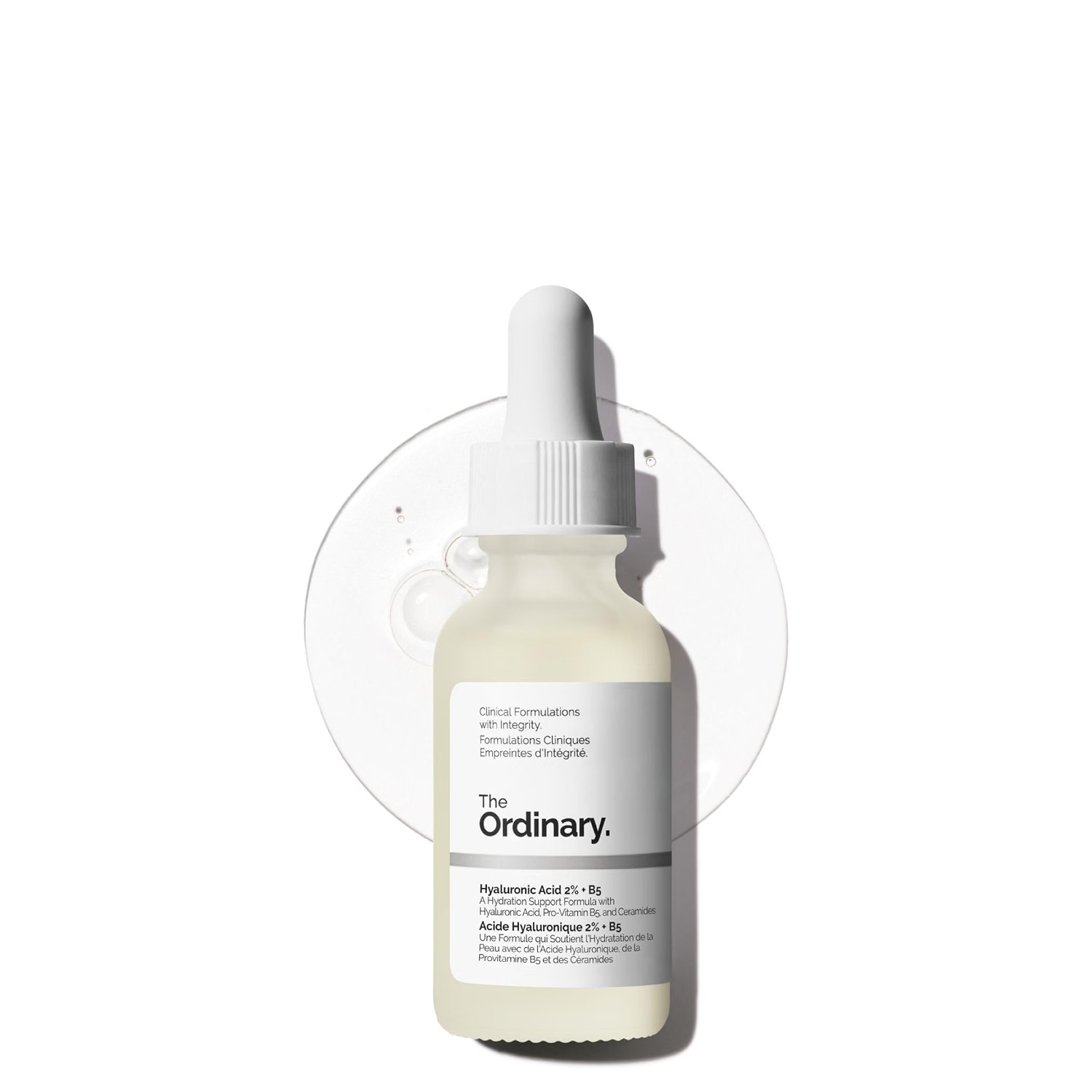
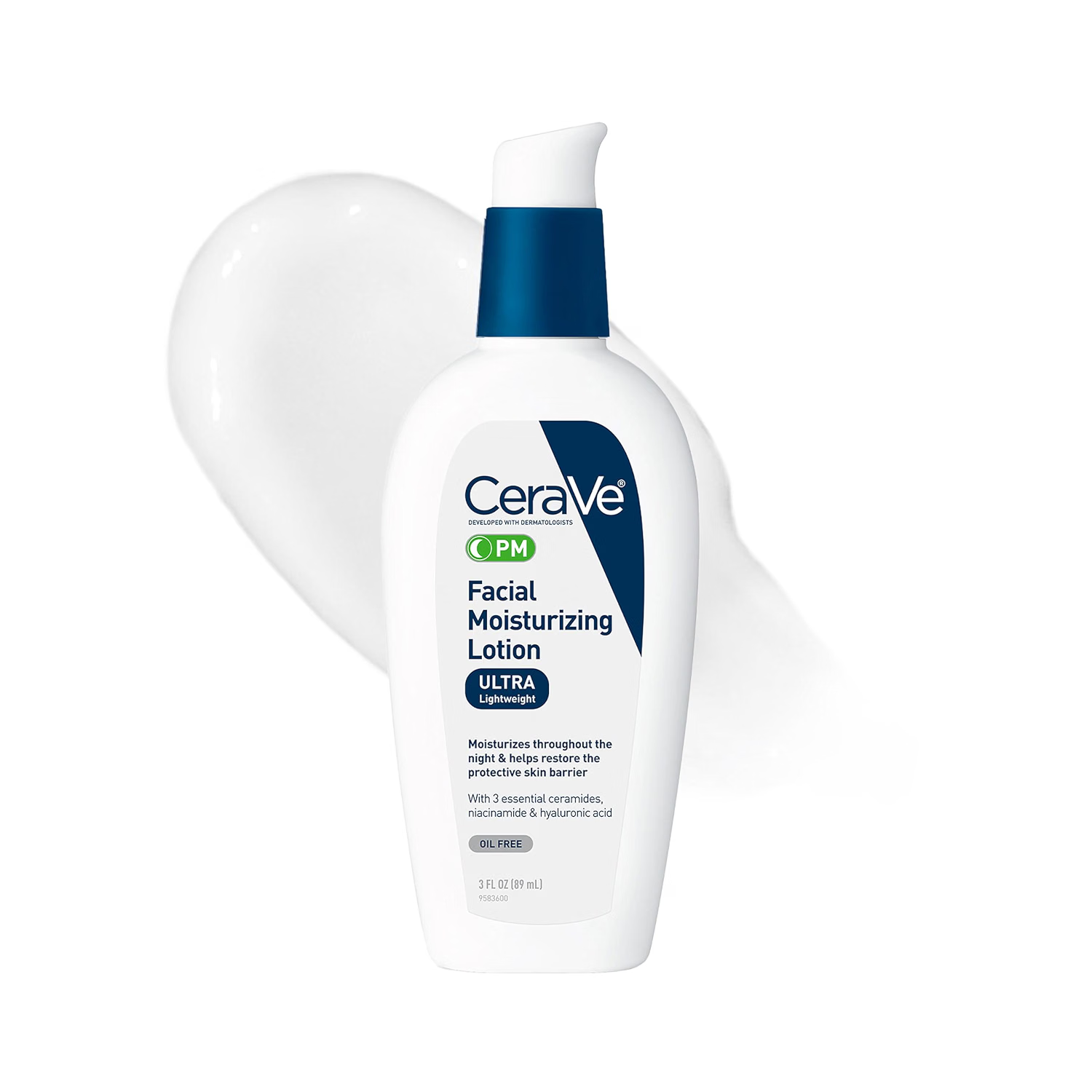
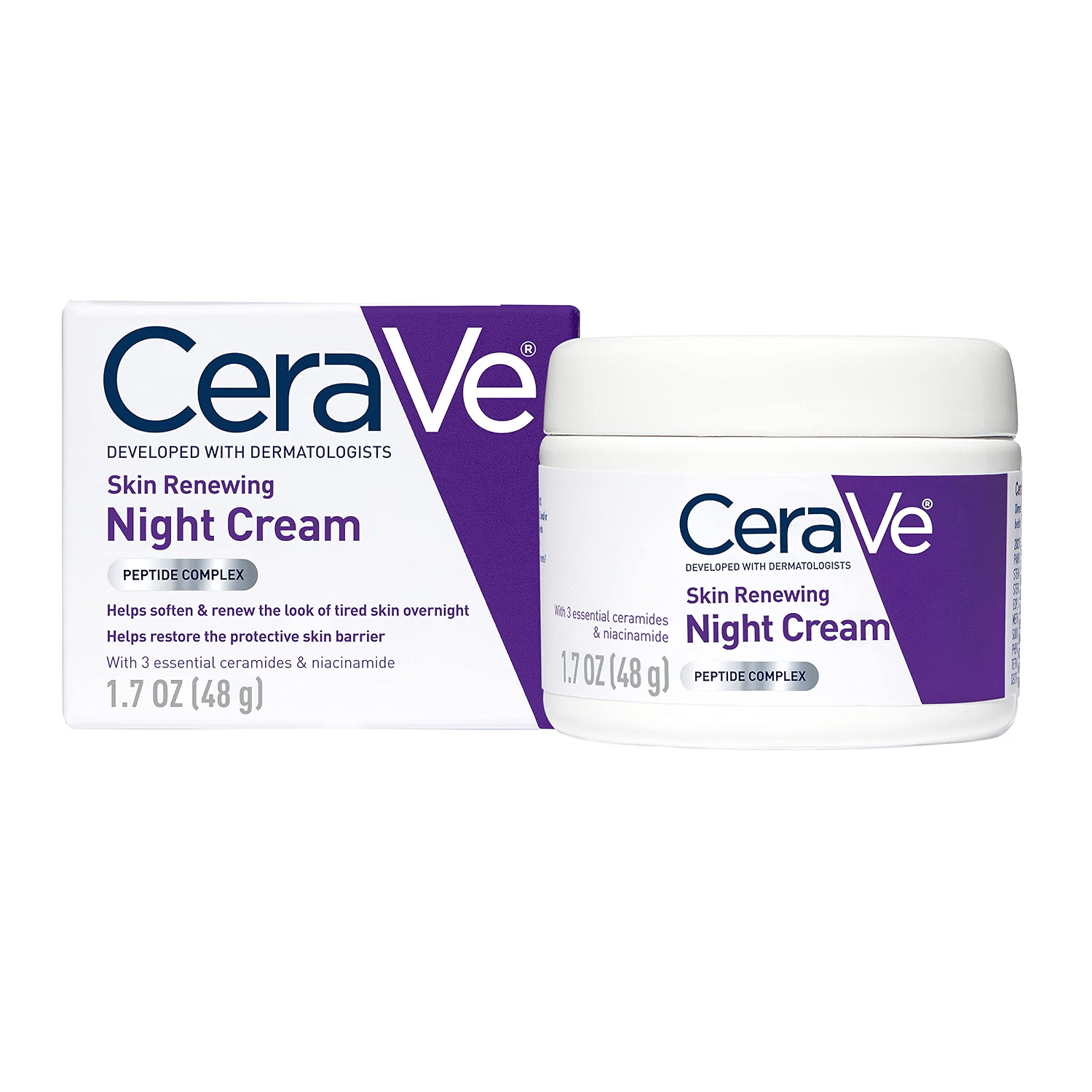
The serum is the flood. The moisturiser is the dam. You need both, but you do not need five of each. Quick product direction: A multi-weight hyaluronic acid serum with vitamin B5 for the hydration step, and a ceramide-based cream to seal. If you want a curated starting point, the boxes below go straight to the options worth comparing.
Table of Contents
- TL;DR: The Short Answer
- Introduction: Your Skin Is Asking a Question
- How Often Should You Do Skin Flooding? The Honest Answer
- Best Hyaluronic Acid Serums for Skin Flooding
- Best Moisturisers to Seal the Flood
- Serum vs Moisturiser: What Does What
- Who Should Flood Daily, Weekly, or Never
- FAQ
- Disclosure & Disclaimer
- PS
Introduction: Your Skin Is Asking a Question
You have seen the videos. Damp skin, mist, serum, another serum, a glossy cream, and a face that looks like it just drank a gallon of water.
How Often Should You Do Skin Flooding? That is the question nobody on TikTok answers clearly. Some creators do it every night. Dermatologists warn about over-layering. Your best friend swears it fixed her winter dryness in three days.
Here is the truth: skin flooding is not a frequency contest. It is a hydration strategy—and like any strategy, it works when it matches your skin’s actual needs, not someone else’s routine.
In my 30+ years as a clinician working alongside dermatologists and aesthetic practitioners at Cosmo Hospital, I have seen hydration trends come and go. The ones that last are the ones built on barrier science—not social media enthusiasm. Skin flooding, done sensibly, is one of the good ones.
This guide answers the frequency question directly, then compares the two product categories that matter most: hyaluronic acid serums and sealing moisturisers. No ten-step fantasy. Just what works, what to buy, and what to skip.
Your skin does not need a marathon of layers. It needs the right ones, at the right pace.
Ready to flood your skin without wasting money on the wrong texture? These picks are chosen for layering-friendly hydration—light enough to stack, rich enough to seal.
Affiliate links. We may earn a commission at no extra cost to you.
Add us as a Preferred Source on Google
How Often Should You Do Skin Flooding? The Honest Answer
How Often Should You Do Skin Flooding? The answer depends on three things: your skin type, your climate, and what your barrier is doing right now.
For Dry or Dehydrated Skin: Once Daily (Evening)
If your skin feels tight after cleansing, looks dull by midday, or flakes under makeup, a once-daily evening flood is reasonable. Evening is better than morning because you are not layering under sunscreen and makeup, and your skin’s repair cycle is more active overnight.
The routine does not need to be elaborate. Gentle cleanse, leave damp, hyaluronic acid serum, ceramide moisturiser. Three steps. That is a flood.
For Normal or Combination Skin: 2–3 Times Per Week
L’Oréal Paris suggests 1–2 times per week for most skin types, with more frequent use for very dry skin. A practical middle ground is two to three evenings per week, especially during seasonal transitions or after travel.
Your skin will tell you if it wants more. If it feels plump and comfortable the morning after, you are doing it right. If it feels congested or product-heavy, you are overdoing it.
For Oily or Acne-Prone Skin: As a Reset, Not a Routine
This is where most skin flooding advice goes wrong. Dermatologist Dr Shefali Trasi Nerurkar is direct: skin flooding is “better used as a short-term or situational approach, not a daily long-term routine” for oily or acne-prone skin, and those in humid climates should avoid it long-term.
Use it when your skin is genuinely dehydrated—after a flight, during a cold snap, or after a week of retinoid use made your barrier cranky. Not as a nightly habit.
Frequency is not a personality trait. Your skin’s needs change with the weather, your stress, and your actives.
The Diminishing Returns Rule
Aestheticians and dermatologists agree on one thing: more layers do not equal more hydration. After two hydrating layers, you are mostly adding pilling risk and product waste. A 41-year-old Reddit user described a seven-layer routine; a dermatologist quoted in Vogue Arabia points out that one good serum does not become three times more effective because you added three more.
The practical ceiling: cleanser → hydrating toner or mist (optional) → hyaluronic acid serum → moisturiser. If you want a second serum, make it a barrier-supporting one (niacinamide, ceramides), not another humectant.
Best Hyaluronic Acid Serums for Skin Flooding
A skin-flooding serum should be water-light, humectant-heavy, and low on irritating actives. You are not looking for an acid cocktail. You are looking for hydration that plays well with the next layer.
What to Look For
- Multi-weight hyaluronic acid (different molecular sizes hydrate different depths)
- Glycerin near the top of the ingredient list
- Vitamin B5 (panthenol) for moisture retention and soothing
- Fragrance-free if your skin is reactive
- No high-percentage exfoliating acids in this step
The Serum Pick
The serum linked in the affiliate box above is a multi-weight hyaluronic acid formula with vitamin B5—exactly the profile that makes skin flooding work. It is light enough to layer under a cream without pilling, and it does not rely on fragrance or essential oils to feel luxurious.
Why this matters: A serum that feels “rich” is usually just thick. Thick serums block the moisturiser from absorbing and can pill under sunscreen. The best flooding serum is almost watery—it disappears into damp skin and leaves nothing behind except hydration.
Your serum should be the quiet worker, not the loudest product on the shelf.
Best Moisturisers to Seal the Flood
If the serum is the flood, the moisturiser is the dam. Without it, the water you just layered evaporates—and your skin can feel tighter than before you started.
What to Look For
- Ceramides (ceramide NP, or a ceramide complex) to reinforce the barrier
- Squalane for lightweight emollience
- Glycerin for additional humectant support
- Fragrance-free for layered routines
- Texture that matches your skin type: gel-cream for combination/oily, richer cream for dry
The Moisturiser Pick
The moisturiser linked above is a ceramide-based sealing cream—the kind of formula that locks in hydration without feeling like a mask. It is rich enough for evening use and light enough to layer over a serum without pilling.
The seal is not optional. This is the step that separates skin flooding from “applying wet things to your face.” Humectants draw water in; ceramides and lipids keep it there.
A good seal does not feel heavy. It feels like your skin finally stopped holding its breath.
MID-ARTICLE SHOUTOUT / AFFILIATE BOX
Still comparing? These are the three products doing the actual work.
Three products. One routine. No ten-step fantasy required.
Serum vs Moisturiser: What Does What
This is the distinction that makes or breaks skin flooding.
| Product | Job | Key Ingredients | What Happens Without It |
|---|---|---|---|
| Hyaluronic Acid Serum | Attracts and binds water on damp skin | HA, glycerin, B5 | Hydration sits on the surface and evaporates |
| Moisturiser | Seals water in and supports barrier | Ceramides, squalane, lipids | Water escapes; skin can feel tighter than before |
The serum without the moisturiser is a wet face waiting to dry out. The moisturiser without the serum is a seal on dry skin—helpful, but not a flood.
You need both. You do not need three of each.
Who Should Flood Daily, Weekly, or Never
| Skin Situation | Frequency | Notes |
|---|---|---|
| Dry, tight, flaky | Once daily (evening) | Use all four steps; seal with a rich cream |
| Dehydrated but oily | 2–3x weekly | Use lighter gel-cream; skip heavy essences |
| Normal / combination | 1–2x weekly | L’Oréal Paris suggests this range for most skin |
| Acne-prone, active breakouts | As needed only | Fewer layers; avoid occlusive creams |
| Humid climate | Situational | Lighter routines work better than heavy layering |
| Post-travel, winter, after actives | Temporary boost | Use for 3–5 nights, then reassess |
The best routine is the one your skin does not need a break from.
FAQ
How often should you do skin flooding if you have dry skin?
Once daily in the evening is reasonable for dry or dehydrated skin, as long as the products are fragrance-free and the moisturiser is barrier-supporting. If your skin starts feeling congested, reduce to 3–4 times per week.
Can you do skin flooding every night?
Some sources say yes for dry skin, but dermatologists caution that daily multi-layer routines can overwhelm oily, acne-prone, or sensitive skin. A safer default is 2–4 nights per week unless your skin is genuinely dry and tolerating it well.
Is skin flooding safe for oily skin?
Yes, in a simplified form. Use damp skin, one lightweight hyaluronic acid serum, and a gel-cream moisturiser. Skip heavy essences and occlusive balms.
Do you need a toner or mist for skin flooding?
No. A mist helps keep skin damp between steps, but it is optional. The essential sequence is damp skin → serum → moisturiser.
How many layers is too many?
Two hydrating layers are generally sufficient. Beyond that, benefits plateau and pilling becomes likely.
What is the difference between skin flooding and slugging?
Skin flooding layers water-based hydration and seals with a moisturiser. Slugging uses a thick occlusive (like petroleum jelly) as the final step. Skin flooding is hydration-focused; slugging is occlusion-focused.
Disclosure & Disclaimer
Affiliate Disclosure: This article contains affiliate links. If you purchase through the links marked with rel="sponsored", we may earn a small commission at no extra cost to you. We only link to product categories relevant to the routine discussed.
Disclaimer: This article is for informational purposes only and is not a substitute for professional dermatological advice. Skin flooding is a cosmetic technique, not a medical treatment. If you have a diagnosed skin condition, active breakouts, or a compromised barrier, consult a qualified dermatologist before changing your routine. Product availability and formulations may change; always check the current ingredient list before purchasing.
How Often Should You Do Skin Flooding? As often as your skin asks for it—and not one layer more.