Absolute (Intelli) Nutrition Rules
This document outlines a set of fundamental nutrition rules designed to promote optimal health and well-being. These rules are intended to be a practical guide for making informed food choices and establishing sustainable eating habits. They emphasize whole, unprocessed foods, balanced macronutrient intake, and mindful eating practices. By adhering to these principles, individuals can improve their energy levels, manage their weight, reduce their risk of chronic diseases, and enhance their overall quality of life.
1. Prioritize Whole, Unprocessed Foods
The cornerstone of optimal nutrition is consuming foods in their most natural and unprocessed state. These foods are packed with essential nutrients, fiber, and antioxidants that support overall health.
- Focus on: Fruits, vegetables, whole grains, lean proteins, and healthy fats.
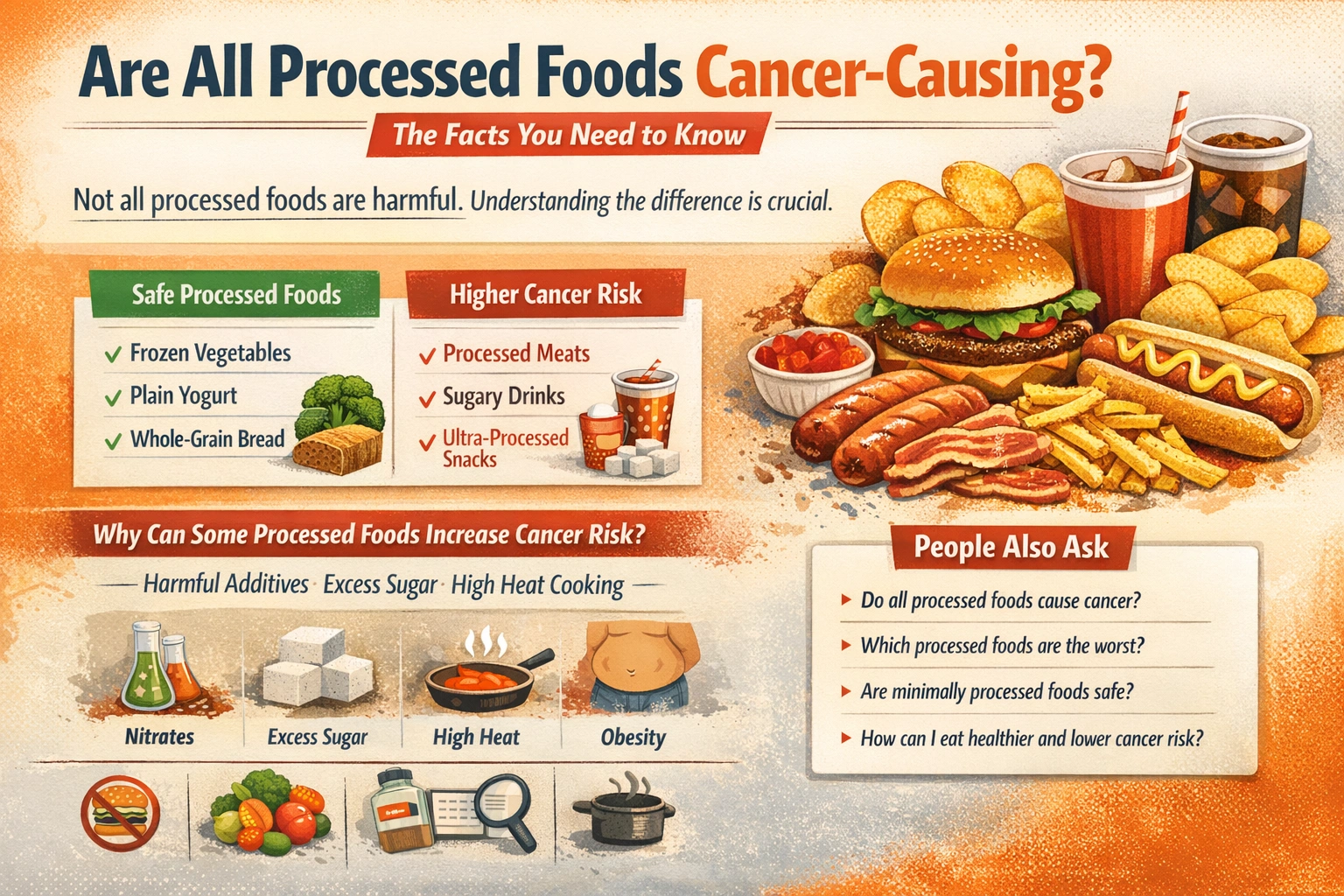
- Limit: Processed foods, sugary drinks, refined grains, and unhealthy fats.
2. Balance Macronutrient Intake
Macronutrients – carbohydrates, proteins, and fats – are essential for providing energy, building and repairing tissues, and regulating bodily functions. A balanced intake of these nutrients is crucial for maintaining optimal health.
- Carbohydrates: Choose complex carbohydrates like whole grains, fruits, and vegetables over refined grains and sugary foods. Aim for roughly 45-65% of your daily calories from carbohydrates.
- Proteins: Include lean protein sources like poultry, fish, beans, lentils, and tofu in your diet. Protein is essential for muscle building, repair, and satiety. Aim for roughly 10-35% of your daily calories from protein.
- Fats: Opt for healthy fats like those found in avocados, nuts, seeds, olive oil, and fatty fish. Limit saturated and trans fats. Aim for roughly 20-35% of your daily calories from fats.
3. Hydrate Adequately
Water is essential for virtually every bodily function, including nutrient transport, waste removal, and temperature regulation.
- Aim for: At least 8 glasses of water per day.
- Increase intake: During exercise or in hot weather.
- Listen to your body: Drink when you feel thirsty.
4. Control Portion Sizes
Even healthy foods can contribute to weight gain if consumed in excessive amounts. Being mindful of portion sizes is crucial for maintaining a healthy weight.
- Use smaller plates: This can help you visually reduce your portion sizes.
- Measure your food: Especially when starting out, measuring can help you understand appropriate serving sizes.
- Listen to your body’s hunger cues: Eat until you are satisfied, not stuffed.
5. Eat Mindfully
Mindful eating involves paying attention to the present moment while eating, savoring each bite, and recognizing your body’s hunger and fullness cues.
- Eliminate distractions: Turn off the TV and put away your phone while eating.
- Chew your food thoroughly: This aids digestion and allows you to savor the flavors.
- Pay attention to your hunger and fullness cues: Stop eating when you are satisfied, not overly full.
6. Limit Added Sugars
Excessive sugar intake is linked to a variety of health problems, including weight gain, type 2 diabetes, and heart disease.
- Read food labels carefully: Be aware of hidden sugars in processed foods.
- Limit sugary drinks: Opt for water, unsweetened tea, or sparkling water instead.
- Choose natural sweeteners: Use honey, maple syrup, or stevia in moderation.
7. Reduce Sodium Intake
High sodium intake can contribute to high blood pressure and increase the risk of heart disease.
- Limit processed foods: These are often high in sodium.
- Read food labels carefully: Pay attention to sodium content.
- Use herbs and spices: Flavor your food with herbs and spices instead of salt.
8. Incorporate Fiber-Rich Foods
Fiber is essential for digestive health, blood sugar control, and satiety.
- Include plenty of fruits, vegetables, and whole grains: These are excellent sources of fiber.
- Add beans and lentils to your diet: These are also high in fiber and protein.
- Gradually increase your fiber intake: This will help prevent digestive discomfort.
9. Don’t Skip Meals
Skipping meals can lead to overeating later in the day and disrupt your metabolism.
- Eat regular meals and snacks: This helps maintain stable blood sugar levels and prevents excessive hunger.
- Plan your meals in advance: This can help you make healthier choices and avoid impulsive eating.
- Listen to your body’s hunger cues: Eat when you are hungry, and don’t wait until you are starving.
10. Be Consistent and Patient
Making lasting changes to your diet takes time and effort. Be patient with yourself, and don’t get discouraged by occasional setbacks.
- Focus on making small, sustainable changes: This is more effective than trying to overhaul your diet overnight.
- Celebrate your successes: Acknowledge your progress and reward yourself for achieving your goals.
- Seek support from friends, family, or a registered dietitian: Having a support system can help you stay motivated and on track.
By following these absolute nutrition rules, you can establish healthy eating habits that will support your overall health and well-being for years to come. Remember to consult with a healthcare professional or registered dietitian for personalized advice tailored to your individual needs.