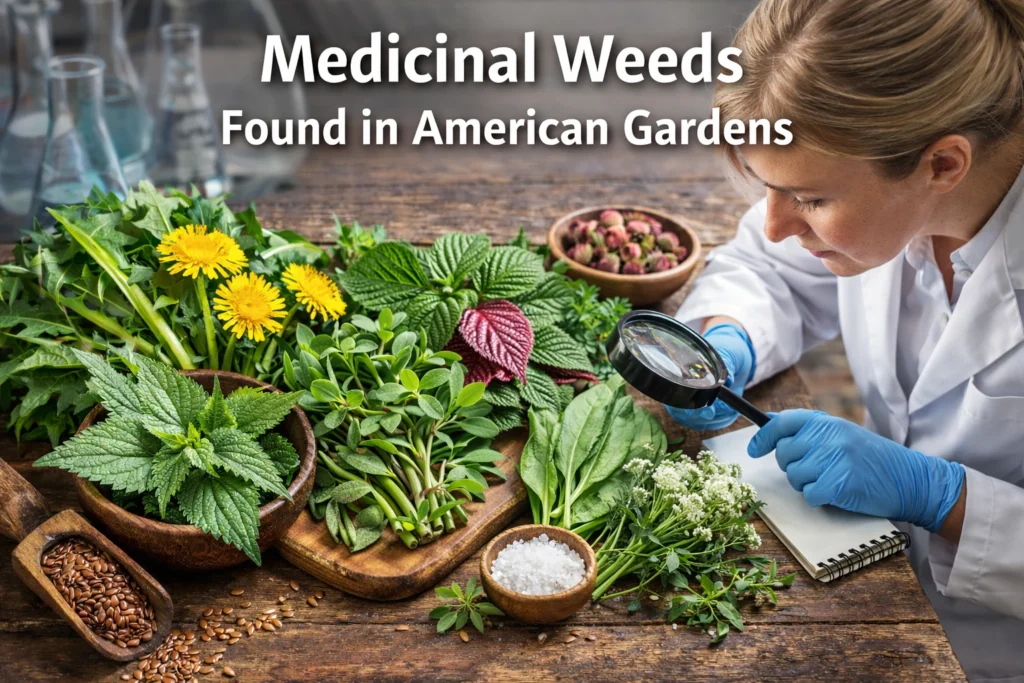

“Think weeds are useless? Think again. Many backyard and wild plants are edible, nutrient-dense, and easy to grow. Discover which weeds you can safely eat—and why nutrition experts are paying attention to backyard edible weeds.
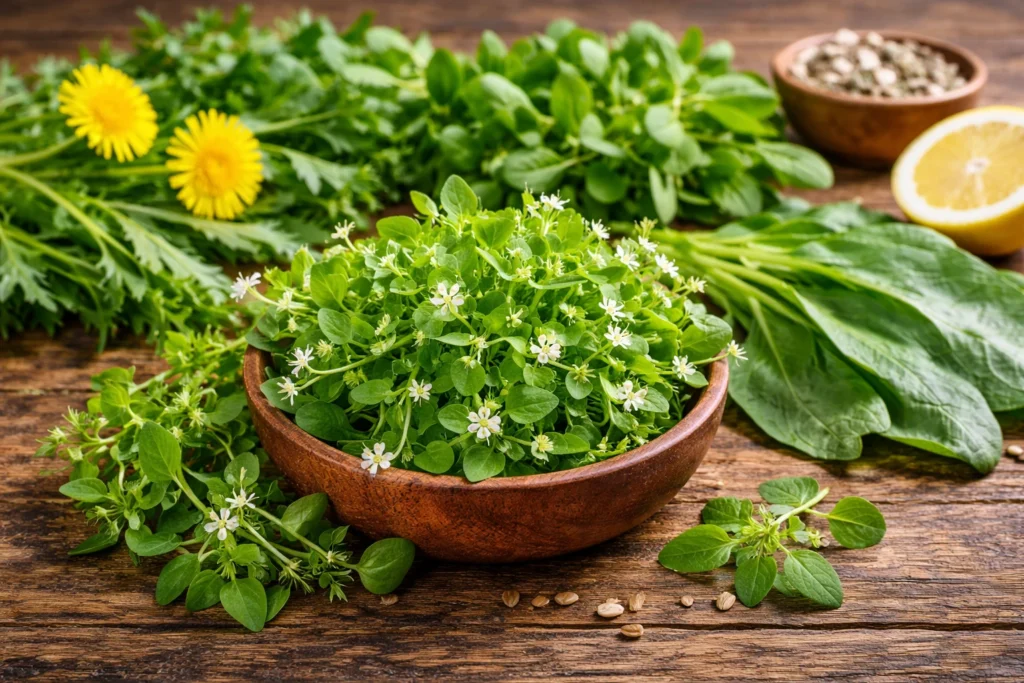
Did you know some common garden weeds are superfoods? From dandelion to purslane, these edible weeds are packed with vitamins, minerals, and antioxidants. Learn how to safely identify and use them in your meals!”
Foraged & Edible Weeds: What Humans Can Eat, Grow, and Benefit From
Foraging edible weeds is gaining popularity in the U.S. because many “wild” plants are highly nutritious, easy to grow, and safe when correctly identified.
Are Forage Collards Edible for Humans?
✅ Yes.
Forage collards (often grown for livestock) are edible for humans if:
- They are not treated with pesticides or herbicides
- Grown in clean soil
- Harvested young for better flavor
Nutritional Value:
- High in vitamins A, C, and K
- Rich in calcium, fiber, and antioxidants
- Similar to kale and traditional collard greens
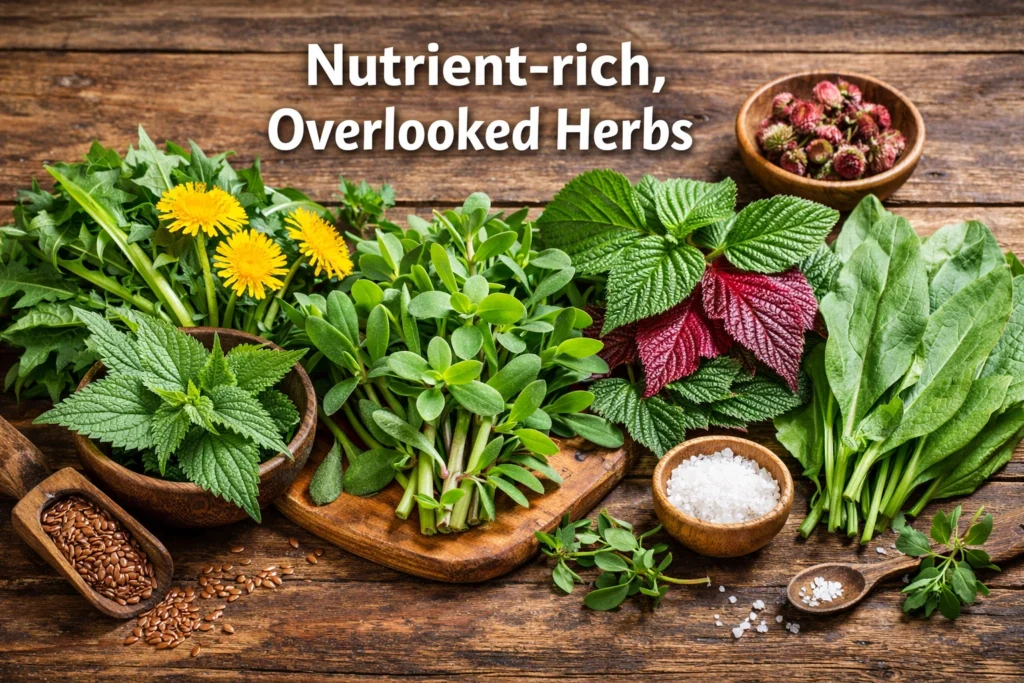
👉 Best eaten cooked (sautéed, steamed, or added to soups).
What Foraging Weeds Are Edible?
Some of the most common edible weeds in the USA
Edible Weeds You Can Eat: Healthiest Options and How to Identify Them
Many “weeds” growing in gardens, lawns, or even roadside areas are safe, nutritious, and medicinal. They are often overlooked but can be a great addition to salads, teas, and recipes.
1. Can Some Weeds Be Eaten by Humans?
✅ Yes! Many weeds are edible and nutrient-dense. Some of the most commonly eaten include:
- Dandelion (Taraxacum officinale) – leaves, flowers, and roots
- Nettle (Urtica dioica) – young leaves (cook before eating)
- Purslane (Portulaca oleracea) – leaves and stems
- Chickweed (Stellaria media) – leaves and stems
- Plantain (Plantago major) – leaves and seeds
- Red Clover (Trifolium pratense) – flowers and leaves
- Sorrel (Rumex acetosa) – leaves
- Wild Mint (Mentha spp.) – leaves
2. Healthiest Weeds and Their Benefits
| Weed | Nutritional / Medicinal Benefits | Edible Parts |
|---|---|---|
| Dandelion | Vitamins A, C, K, calcium, iron; supports liver & digestion | Leaves, flowers, roots |
| Nettle | Iron, calcium, magnesium, protein; anti-inflammatory | Leaves (steam or cook) |
| Purslane | Omega-3 fatty acids, antioxidants, vitamins | Leaves, stems |
| Plantain | Vitamins A, C, K; anti-inflammatory, antimicrobial | Leaves, seeds |
| Red Clover | Isoflavones, antioxidants; supports cardiovascular & bone health | Flowers, leaves |
| Sorrel | Vitamin C, antioxidants; supports digestion | Leaves |
| Chickweed | Vitamins A, C, iron; soothes skin & digestive system | Leaves, stems |
| Wild Mint | Vitamins C, antioxidants; aids digestion & respiratory health | Leaves |
3. How to Identify Edible Weeds
When foraging, follow these steps for safe identification:
- Learn the plant first: Use a field guide or reputable website to study pictures and descriptions.
- Check leaves, stems, and flowers: Observe color, shape, and arrangement.
- Smell the plant: Some herbs (like mint) are identifiable by scent.
- Avoid unknown plants: If you cannot positively identify it, do not consume it.
- Test in small quantities: For a new edible weed, eat a small amount first to ensure no allergic or adverse reaction.
4. Tips for Safe Consumption
- Harvest from pesticide-free areas (gardens, parks, or farms with permission).
- Wash thoroughly to remove dirt, insects, and pollutants.
- Cook or steam when necessary (e.g., nettle leaves must be cooked to remove stinging hairs).
- Avoid plants with milky sap or white latex unless confirmed safe (some are toxic).
5. Popular Edible Weed Recipes
- Dandelion salad: Toss young leaves with olive oil, lemon, and nuts.
- Nettle soup: Steam leaves, blend with garlic, onion, and vegetable broth.
- Purslane smoothie: Blend fresh leaves with fruits like mango or berries.
- Red Clover tea: Brew dried flowers in hot water for a soothing herbal infusion.
6. Key Takeaways
- Many common weeds are highly nutritious and edible.
- Proper identification and safe harvesting are essential.
- Edible weeds are rich in vitamins, minerals, antioxidants, and bioactive compounds.
- They can be incorporated into modern meals and herbal remedies.
How to Identify Wild Edible Plants (Safely)
Follow the 3-step safety rule:
- Positive identification
- Use a field guide or reputable foraging app
- Never rely on a single photo
- Check habitat & growth pattern
- Leaf shape, flower structure, stem arrangement
- Avoid risky plants
- Milky sap (unless verified safe)
- Bitter almond smell
- Umbrella-shaped white flowers (some are toxic)
🚫 If unsure — do not eat.
What Is the Most Nutritious Edible Plant?
Several plants compete for the top spot, but nutritionally speaking:
🥇 Top Contenders:
- Dandelion greens – Extremely high in vitamins A & K
- Purslane – Highest plant-based omega-3 content
- Nettle – High iron, protein, and minerals
- Moringa (cultivated) – Dense micronutrient profile
👉 Among weeds, dandelion and purslane stand out as nutritional powerhouses.
What Is Surprisingly Edible?
Many people are surprised to learn these are edible:
- Dandelion flowers (fritters, teas)
- Rose petals
- Pine needles (vitamin C tea)
- Clover blossoms
- Chickweed (raw salads)
Can I Grow Edible Weeds Intentionally?
✅ Absolutely — and many gardeners do.
Easy Edible Weeds to Grow:
- Chickweed
- Purslane
- Dandelion
- Lamb’s quarters
- Sorrel
- Wild mustard
They:
- Require little care
- Grow in poor soil
- Are climate resilient
What Is the Easiest Edible Plant to Grow?
For beginners in the U.S.:
🌱 Easiest Options:
- Purslane – Thrives in heat and drought
- Chickweed – Grows fast in cool weather
- Mint – Hardy and spreads easily
- Lamb’s Quarters – Self-seeding, resilient
- Dandelion – Almost impossible to kill
Key Takeaways
- Many weeds are safe, edible, and nutrient-dense
- Proper identification is essential
- Forage collards are human-edible when clean
- Edible weeds can be grown intentionally
- Weeds often outperform store-bought greens nutritionally
- **********************************************************************************************************************************************
- article reviewed by :Dr. Zehra Siddiqui, MSc, PhD
- intellinewz@gmail.com
- Dr. Zehra Siddiqui is an accomplished academic and researcher with over 27 years of professional experience in plant tissue culture, cytogenetics, biotechnology, and molecular genetics. She is presently serving as an Assistant Professor in the Department of Botany, PG College of Science, Osmania University.
- She has made significant scholarly contributions through numerous publications in reputed national and international peer-reviewed journals, reflecting the depth and impact of her research. Her work is widely recognized within the scientific community, particularly in the domains of plant tissue culture and plant cytogenetics.
- Dr. Siddiqui is also frequently invited as a guest lecturer by academic and research institutions, where she shares her expertise and practical insights with students, researchers, and faculty members. Her lectures are valued for their clarity, scientific rigor, and strong integration of theory with laboratory and field applications.
- Through her research, publications, teaching, and invited academic engagements, Dr. Zehra Siddiqui continues to play a vital role in advancing education, research excellence, and capacity building in plant biotechnology and genetics.