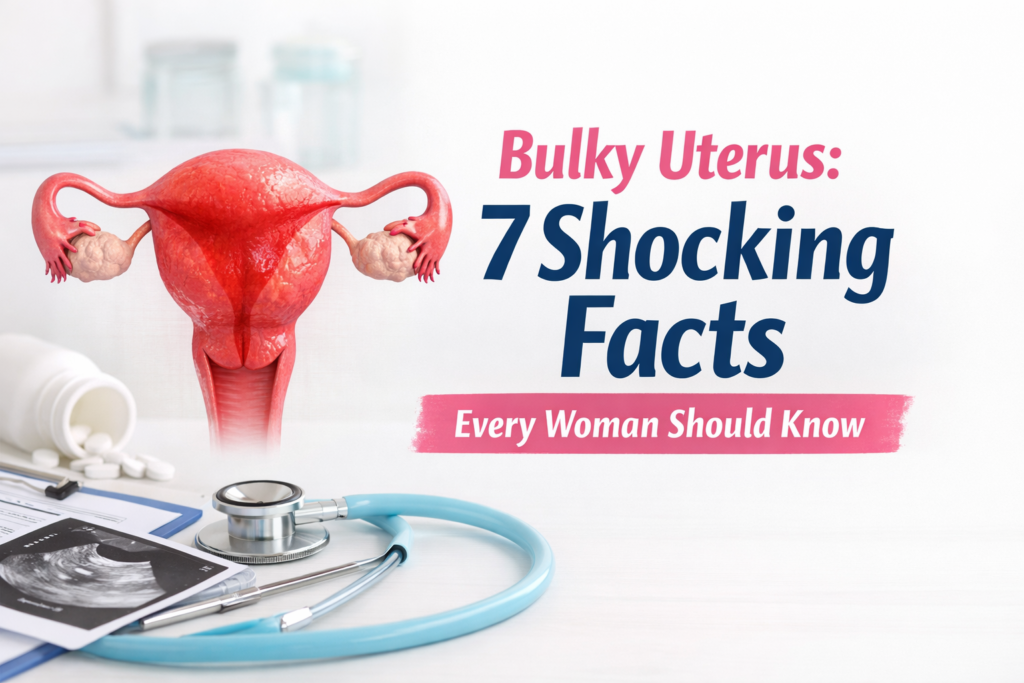
Understanding your body can be empowering — especially when a doctor’s report includes a term like “bulky uterus.” This phrase often causes anxiety, but medical evidence shows it is usually a descriptive finding, not a disease in itself. Below are seven important facts every woman should know, explained clearly with expert references.
“Bulky Uterus” Is a Medical Description, Not a Disease
When a healthcare provider calls a uterus “bulky,” they mean it is larger than average on imaging or physical exam. It is not a formal diagnosis like cancer or fibroids; it’s a radiologic or clinical description. Many women receive this term during routine ultrasounds or pelvic exams.
From symptoms to solutions — a doctor’s perspective
The uterus is a muscular organ responsible for menstruation, pregnancy, and childbirth. It can expand up to 500 times its normal size during pregnancy. Uterine health affects fertility, hormonal balance, and overall wellbeing.
Example: A 32-year-old woman goes for a yearly exam and her ultrasound report says “uterus appears bulky.” She asks, “Do I have cancer?” Her clinician explains it simply means the uterus is larger than typical — and additional tests are needed to find out why.
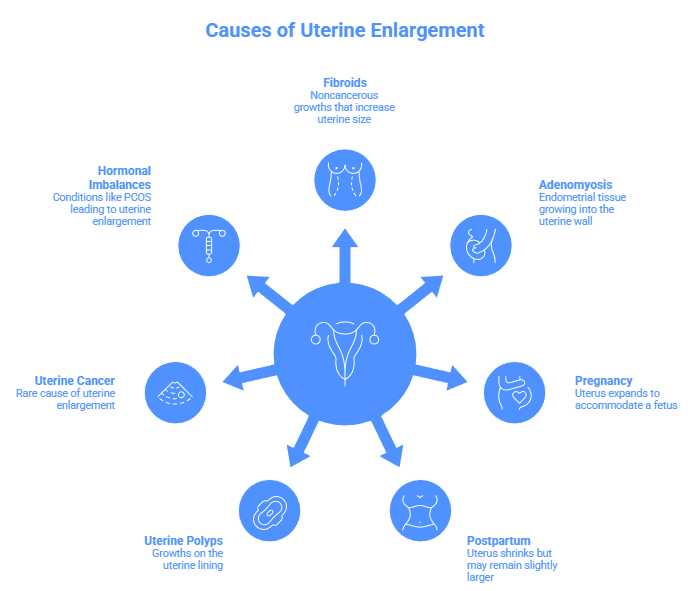
Fibroids Are the Most Common Cause of a Bulky Uterus
Cosmo General Hospital
When Should You Seek Medical Care?Heavy or prolonged menstrual bleedingSevere or worsening pelvic painDifficulty with urinationPost-menopausal bleedingRapid changes in uterine sizeEarly evaluation helps differentiate benign conditions from rare but serious disease.When Should You Seek Medical Care?Heavy or prolonged menstrual bleedingSevere or worsening pelvic painDifficulty with urinationPost-menopausal bleedingRapid changes in uterine sizeEarly evaluation helps differentiate benign conditions from rare but serious disease.
Uterine fibroids — noncancerous growths — are a leading cause of uterine enlargement. These benign tumors can grow from very small to the size of a grapefruit or larger, distorting the uterus and making it appear bulky.
Back or leg pain Some women may have fibroids and no symptoms.
Shrink Fibroids Naturally
Support hormone balance, reduce inflammation, and manage fibroids naturally with supplements.
Vitamin D3
2000–5000 IU/day helps regulate estrogen and may reduce fibroid size.
Magnesium & B-Complex
Magnesium 300–400 mg + B-vitamins support hormone detox and ease cramps.
Turmeric & Ginger
Anti-inflammatory herbs may slow fibroid growth and reduce pain.
Milk Thistle, DIM, Chasteberry
Supports liver detox and estrogen metabolism for hormone balance.
Omega-3 Fatty Acids
Fish oil or algal oil 1000–2000 mg/day reduces inflammation and supports tissue health.
Green Tea & Vitamins C/E
Antioxidants fight oxidative stress and may shrink fibroids naturally.
Probiotics
Supports gut health, estrogen balance, and overall fibroid management.
Quick Tips
Take supplements with food, introduce one at a time, and pair with a fibroid‑friendly diet.
Start Today!
Small changes in diet & supplements can make a big difference in managing fibroids naturally.
Adenomyosis Frequently Makes the Uterus Enlarged
Adenomyosis is a condition where the inner lining of the uterus (endometrium) grows into the muscular wall. This process makes the uterus thicker and often heavier, which can make it appear bulky on examination.
Adenomyosis typically affects women in their late 30s to 50s and often improves after menopause.
Example: A 42-year-old woman reports painful, heavy periods. Her exam shows an enlarged uterus, and imaging suggests adenomyosis. Treatment may focus on symptom relief with hormones before considering surgery.
Hormonal Imbalances Can Enlarge the Uterus
Changes in hormone levels — especially estrogen dominance without progesterone balance — can enlarge the uterine lining (endometrium). This process is called endometrial hyperplasia and can contribute to a bulky appearance.
Hormone-related causes may include:
Polycystic ovary syndrome (PCOS)
Estrogen replacement therapy
Perimenopause
In many of these cases, the uterus is not diseased — but the hormonal environment influences tissue growth.
A Bulky Uterus Can Sometimes Be Normal (e.g., Pregnancy)
During pregnancy, the uterus naturally becomes much larger to support fetal growth. This is a physiological (normal) cause of uterine enlargement. After childbirth, the uterus gradually returns to its non-pregnant size.
Example: A woman in her second trimester will have a significantly enlarged (bulky) uterus — this is expected, not pathological.. Most Causes of a Bulky Uterus Are Non-Cancerous
Although rare, cancers such as endometrial (uterine) carcinoma — especially in post-menopausal women — can cause uterine enlargement. However, the majority of bulky uterus cases stem from benign causes like fibroids or adenomyosis.
Red flags that warrant urgent evaluation include:
Post-menopausal bleeding
Sudden pelvic pain
Rapid enlargement over a short period
A Bulky Uterus Can Impact Quality of Life, But Most Women Do Well
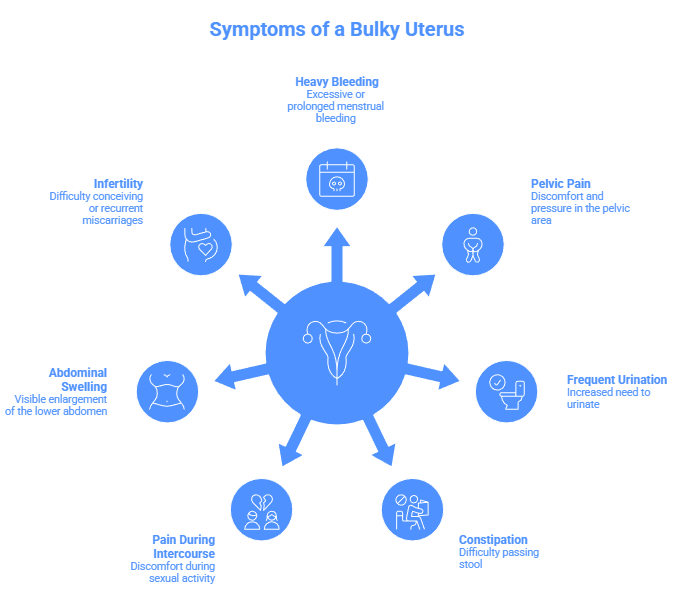
Even if the uterus is bulky due to benign causes, the symptoms can affect comfort and daily life. These may include heavy bleeding, pelvic pressure, and urinary frequency due to pressure on the bladder.
CRISPR Liquid Biopsy – Ethics, Future & SEO
Explore the ethical considerations, privacy, future breakthroughs, and how CRISPR diagnostics are shaping oncology globally.
Yes, protected by privacy laws.
The patient owns their data.
Yes, privacy and misuse risks exist.
Only if data is mishandled.
Yes, regulated by health authorities.
Written informed consent is required.
Yes, confirmatory tests are recommended.
No, not without patient permission.
Not entirely, but it can reduce the need for invasive biopsies.
Yes, multi-cancer detection panels exist.
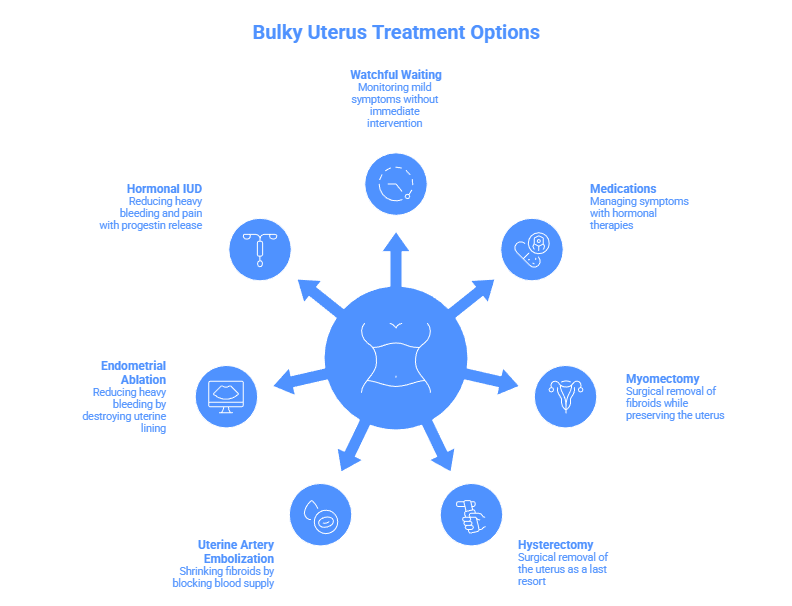
Example: A 38-year-old woman reports frequent urination and pelvic fullness. Imaging shows an enlarged uterus from fibroids. Treatment options may range from medication to minimally invasive procedures or surgery, depending on symptom severity and fertility goals.
How Is a Bulky Uterus Diagnosed?
Diagnosis often starts with a pelvic exam and ultrasound. If needed, further imaging like MRI gives more detail about uterine structure. Your clinician may use these tools to distinguish among causes such as fibroids, adenomyosis, or hyperplasia.
When Should You Seek Medical Care?
Consult a healthcare provider if you have:
Heavy or prolonged menstrual bleeding
Severe or worsening pelvic pain
Difficulty with urination
Post-menopausal bleeding
Rapid changes in uterine size
Early evaluation helps differentiate benign conditions from rare but serious disease.
Conclusion
A bulky uterus is not a disease by itself; it is simply a medical description of an enlarged uterus seen on imaging or physical exam. Most of the time, this enlargement results from common, non-cancerous conditions like fibroids and adenomyosis. Understanding what the term means and knowing when to seek care can reduce anxiety and guide appropriate treatment.References
Mayo Clinic — Uterine fibroids overview and symptoms.
Mayo Clinic — Adenomyosis causes and symptoms.
Johns Hopkins Medicine — Adenomyosis and uterine enlargement.
WebMD — Causes of an enlarged uterus including hormones and hyperplasia.
Apollo247 — Bulky uterus causes, symptoms, and treatment.
Cleveland Clinic — Adenomyosis diagnosis and management.
Not always. Many women have a bulky uterus without serious health issues. Seek evaluation if you experience:
Persistent pelvic pain
Heavy or irregular bleeding
Fertility concerns
A bulky uterus most commonly results from hormonal imbalance, chronic inflammation, and metabolic dysfunction. The objective of lifestyle management is to lower estrogen load, reduce inflammation, and improve pelvic circulation.
This helps your body metabolize and eliminate estrogen, instead of recycling it.
2. Eat an Anti-Fibroid, Anti-Adenomyosis Diet
Inflammation drives uterine enlargement.
Eat more:
Leafy greens
Berries
Avocados
Fatty fish (salmon, sardines)
Turmeric, ginger, garlic
Eat less:
Red meat
Dairy
Sugar
Fried foods
Refined carbs
High insulin → high estrogen → uterine growth.
3. Maintain Optimal Body Weight
Fat cells convert hormones into estrogen. Even 5–10 lbs of weight loss can significantly reduce uterine stimulation.
Target:
Waist size under 35 inches
BMI under 25
Daily walking minimum: 6,000–8,000 steps
4. Eliminate Estrogen-Mimicking Chemicals
These chemicals accumulate in the uterus.
Avoid:
Plastic water bottles
Scented candles
Perfumes
Chemical cleaners
Hair dyes
Non-stick cookware
Switch to:
Glass containers
Unscented soaps
Natural deodorant
Stainless steel cookware
These chemicals are called xenoestrogens and directly increase fibroid and adenomyosis risk.
5. Reduce Menstrual Blood Stagnation
Poor pelvic circulation worsens uterine bulk.
Best activities:
Brisk walking
Yoga (hip opening poses)
Swimming
Cycling
Avoid:
Sitting more than 2 hours without moving
Pelvic movement improves lymphatic and blood flow to the uterus.
6. Optimize Vitamin Levels
Deficiencies increase fibroid and uterine growth risk.
Critical nutrients:
Vitamin D
Magnesium
Iron (if bleeding is heavy)
Omega-3 fatty acids
Low vitamin D is strongly associated with fibroids and adenomyosis.
7. Improve Liver Function
Your liver removes excess estrogen.
Support it by:
Drinking 2–3 liters of water daily
Eating bitter greens
Limiting alcohol
Avoiding acetaminophen (when possible)
A weak liver = estrogen recycling = bulky uterus growth.
8. Manage Stress (Extremely Important)
Stress increases cortisol → insulin → estrogen.
High-stress women have:
More fibroids
More adenomyosis
Worse symptoms
Use:
Walking
Breathwork
Meditation
Proper sleep (7–8 hours)
Can Lifestyle Shrink a Bulky Uterus?
Yes — in many women, especially when caused by:
Hormonal imbalance
Early fibroids
Adenomyosis
Lifestyle changes can:
Stop growth
Reduce symptoms
Prevent surgery
But very large fibroids may still require medical or surgical care.
When Lifestyle Is Not Enough
You must see a gynecologist if you have:
Heavy bleeding
Severe pain
Rapid enlargement
Fertility problems
Post-menopausal bleeding
Bottom Line
A bulky uterus is usually hormone-driven, inflammation-driven, and lifestyle-responsive.
By correcting:
Estrogen
Insulin
Inflammation
Chemical exposure
Stress
You can significantly reduce the risk of progression and avoid surgery in many cases.
If you would like, I can also provide:
A fibroid-specific diet
A weekly meal plan
Yoga poses for uterine health
Supplement protocol
Or a printable lifestyle checklist
FAQs:
1. What is the main reason for a bulky uterus? The most common cause of a bulky uterus is uterine fibroids (non-cancerous muscle growths in the uterine wall). Fibroids enlarge the uterus by responding to estrogen and progesterone, causing the muscle tissue to thicken and swell. Other frequent causes include: Adenomyosis – uterine lining growing into muscle Endometriosis Chronic pelvic inflammation Hormonal imbalance (high estrogen, low progesterone) A bulky uterus is therefore usually a hormonal and tissue-growth problem, not a cancer.
2. What are some cool facts about the uterus? • The uterus can expand from the size of a pear to the size of a watermelon during pregnancy • It is one of the strongest muscles in the human body • The uterine lining completely regenerates every month • It has its own immune system • It can contract with the force of hundreds of pounds per square inch during labor The uterus is biologically designed to grow, shrink, and heal itself.
3. What should every woman know about fibroids? Every woman should know these truths: • 70–80% of women will develop fibroids by age 50 • Fibroids are almost always non-cancerous • They grow when estrogen is high • Stress, obesity, thyroid imbalance, and insulin resistance increase fibroid risk • Many fibroids shrink naturally when hormones stabilize Fibroids are a metabolic and hormonal disorder, not a random disease.
4. How can I reduce my bulky uterus naturally? The uterus shrinks when estrogen dominance and inflammation are corrected. The most effective natural strategies: Hormone balance Vitamin D Magnesium B-complex Zinc Reduce estrogen Cruciferous vegetables Flaxseed DIM Fiber Lower inflammation Turmeric Ginger Omega-3 Green tea Lifestyle Lose abdominal fat Improve gut health Avoid plastics, soy, and processed foods When estrogen drops and detox improves, fibroids stop growing and the uterus can shrink.
Disclaimer: This content is for informational purposes only and is not a substitute for professional medical advice, diagnosis, or treatment.
Dr. Mohammed Abdul Azeem Siddiqui, MBBS, M.Tech (Biomedical Engineering – VIT, Vellore)Registered Medical Practitioner – Reg. No. 39739Physician • Clinical Engineer • Preventive Diagnostics Specialist Dr. Mohammed Abdul Azeem Siddiqui is a physician–engineer with over 30 years of dedicated clinical and biomedical engineering experience, committed to transforming modern healthcare from late-stage disease treatment to early detection, preventive intelligence, and affordable medical care. He holds an MBBS degree in Medicine and an M.Tech in Biomedical Engineering from VIT University, Vellore, equipping him with rare dual expertise in clinical medicine, laboratory diagnostics, and medical device engineering. This allows him to translate complex laboratory data into precise, actionable preventive strategies. Clinical Mission Dr. Siddiqui’s professional mission centers on three core pillars: Early Disease Detection Identifying hidden biomarker abnormalities that signal chronic disease years before symptoms appear — reducing complications, hospitalizations, and long-term disability. Preventive Healthcare Guiding individuals and families toward longer, healthier lives through structured screenings, lifestyle intervention frameworks, and predictive diagnostic interpretation. Affordable Evidence-Based Treatment Delivering cost-effective, scientifically validated care accessible to people from all socioeconomic backgrounds. Clinical & Technical Expertise Across three decades of continuous practice, Dr. Siddiqui has worked extensively with: Advanced laboratory analyzers and automation platforms
• Cardiac, metabolic, renal, hepatic, endocrine, and inflammatory biomarker systems
• Preventive screening and early organ damage detection frameworks
• Clinical escalation pathways and diagnostic decision-support models
• Medical device validation, calibration, compliance, and patient safety standards He is recognized for identifying subclinical biomarker shifts that predict cardiovascular disease, diabetes, fatty liver, kidney disease, autoimmune inflammation, neurodegeneration, and accelerated biological aging long before conventional diagnosis. Role at IntelliNewz At IntelliNewz, Dr. Siddiqui serves as Founder, Chief Medical Editor, and Lead Clinical Validator. Every article published is: Evidence-based
• Clinically verified
• Technology-grounded
• Free from commercial bias
• Designed for real-world patient and physician decision-making Through his writing, Dr. Siddiqui shares practical health intelligence, early warning signs, and preventive strategies that readers can trust — grounded in decades of frontline medical practice. Contact: powerofprevention@outlook.com 📌 Disclaimer: The content on IntelliNewz is intended for educational purposes only and does not replace personalized medical consultation. For individual health concerns, please consult your physician.