
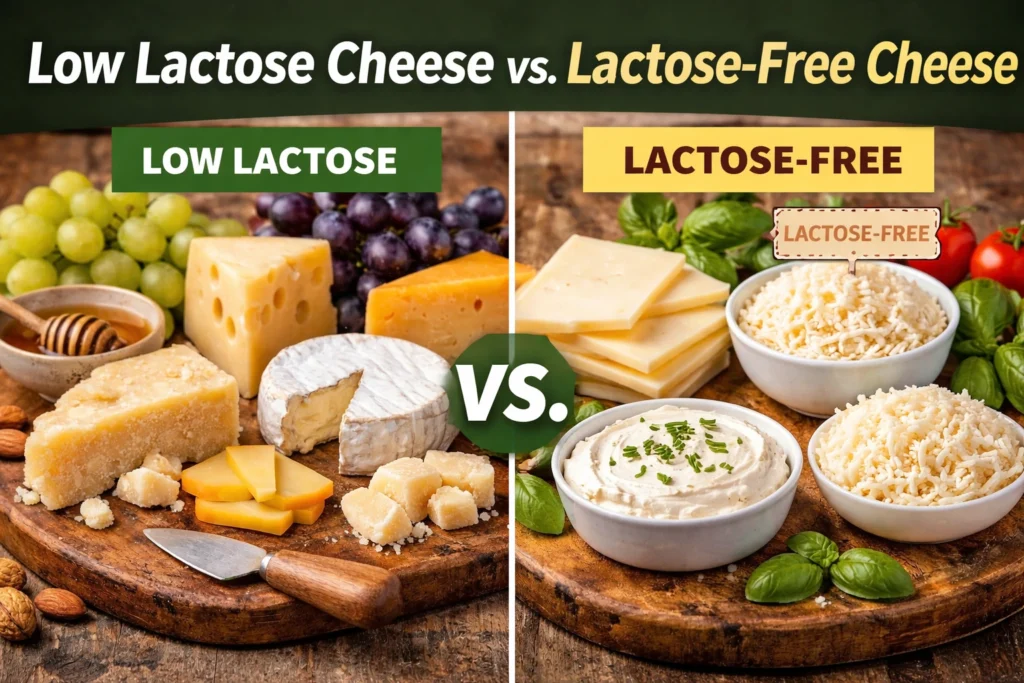

Low lactose cheese is becoming increasingly popular among people who love cheese but struggle with lactose intolerance or digestive discomfort. If you experience bloating, gas, or stomach pain after eating dairy, understanding low lactose cheese can help you enjoy cheese without compromising your health.
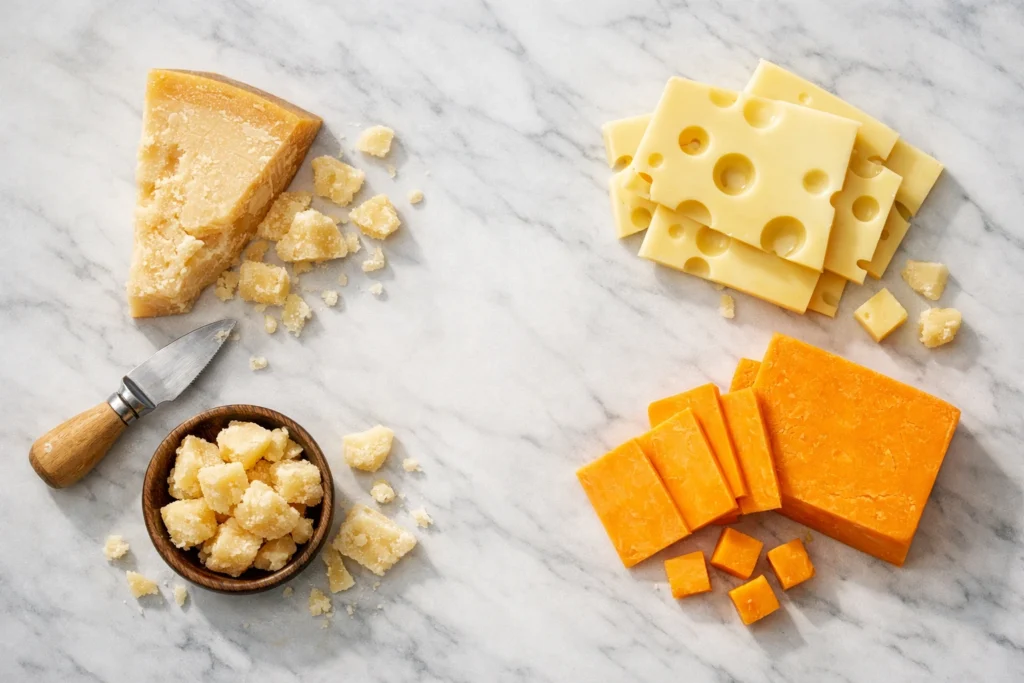
Tip: The harder and older the cheese, the lower the lactose content.
What Is Low Lactose Cheese?
Low lactose cheese is cheese that contains very small amounts of lactose, the natural sugar found in milk. During the cheese-making process, much of the lactose is removed or broken down, making these cheeses easier to digest for people with lactose sensitivity or intolerance.
Lactose intolerance occurs when the body lacks enough lactase, the enzyme needed to digest lactose. Low lactose cheeses are either naturally low in lactose or processed in a way that reduces lactose content significantly.
How Is Lactose Reduced in Cheese?
Lactose reduction happens mainly through:
1. Fermentation
During fermentation, bacteria convert lactose into lactic acid. The longer a cheese is aged, the lower its lactose content.
2. Whey Removal
Most lactose is found in whey. When whey is drained during cheese production, much of the lactose is removed.
3. Aging Process
Aged cheeses have almost no lactose because bacteria consume it over time.
Is Low Lactose Cheese the Same as Lactose-Free Cheese?
No.
- Low lactose cheese contains small traces of lactose.
- Lactose-free cheese has lactase enzyme added to completely break down lactose.
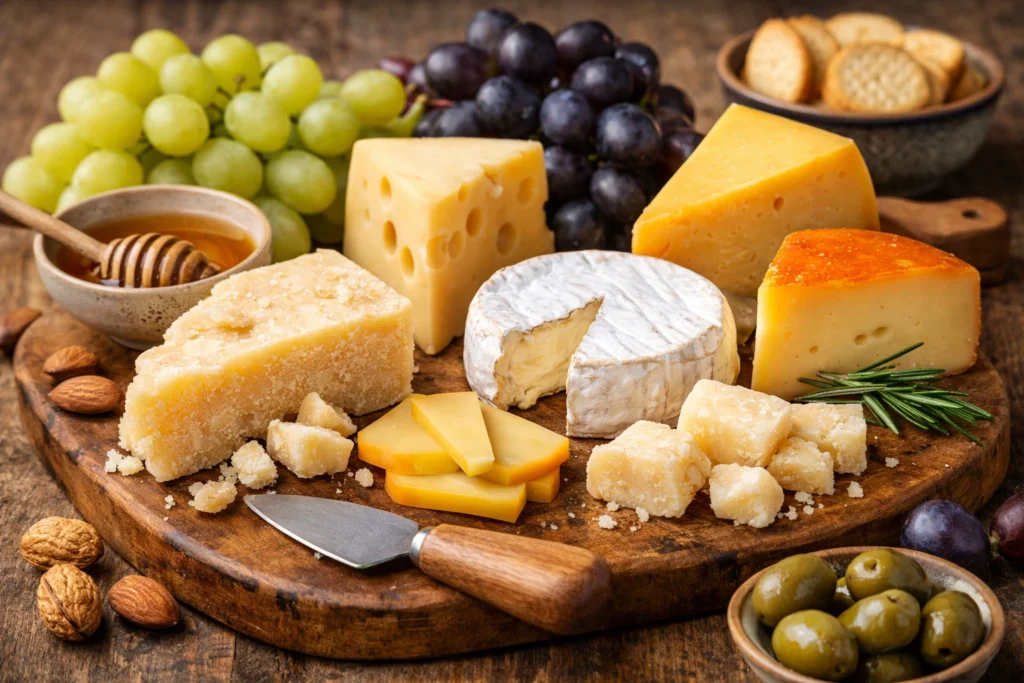
Many people with mild to moderate lactose intolerance can comfortably consume low lactose cheese without symptoms.
Best Low Lactose Cheese Options
Here are some commonly available low lactose cheeses:
🧀 Hard & Aged Cheeses (Very Low Lactose)
- Cheddar
- Parmesan
- Swiss
- Gruyère
- Pecorino Romano
🧀 Semi-Hard Cheeses
- Gouda
- Edam
- Provolone
🧀 Naturally Low Lactose Cheeses
- Brie (small amounts)
- Camembert (small amounts)
Health Benefits of Low Lactose Cheese
1. Easier Digestion
Low lactose cheese reduces bloating, cramps, and gas in lactose-sensitive individuals.
2. High-Quality Protein
Provides essential amino acids needed for muscle repair and overall health.
3. Rich in Calcium
Supports bone strength, dental health, and prevents osteoporosis.
4. Gut-Friendly
Fermented cheeses may contain beneficial bacteria that support gut health.
5. Nutrient-Dense
Contains vitamin B12, phosphorus, zinc, and healthy fats.
Low Lactose Cheese: Medically Reviewed Guide for Digestive Health (USA)
Low lactose cheese is widely recommended in the United States for individuals with lactose intolerance, a condition affecting nearly 65% of adults worldwide and a significant portion of the U.S. population. Choosing the right cheese can help reduce bloating, gas, abdominal pain, and post-meal discomfort—without eliminating dairy entirely.
Medically Accurate Answers to Common Questions (USA Health Search Optimized)
Which cheese has the least lactose?
According to nutrition and gastroenterology guidelines, aged and hard cheeses contain the lowest lactose levels:
- Parmesan
- Swiss
- Aged cheddar
- Pecorino Romano
- Gruyère
These cheeses often contain less than 0.1 grams of lactose per serving, making them well tolerated by most lactose-intolerant individuals.
Is low lactose cheese really lactose-free?
Not necessarily.
- Low lactose cheese contains minimal residual lactose.
- Lactose-free cheese contains added lactase enzyme, which breaks lactose into glucose and galactose.
From a clinical standpoint, both are acceptable for most patients, depending on symptom severity.
Is feta cheese low in lactose?
Feta cheese contains moderate lactose.
✔️ Often tolerated in small portions
❌ Not ideal for patients with severe lactose intolerance or IBS
Is Philadelphia cream cheese lactose-free?
No. Philadelphia cream cheese is not lactose-free. It is a fresh cheese with higher lactose content and may trigger digestive symptoms.
How can you tell if cheese is lactose-free?
U.S. consumers should:
- Look for “lactose-free” labeling
- Check ingredients for lactase enzyme
- Prefer aged cheeses
- Avoid fresh or spreadable cheeses
Which cheese is best for lactose intolerance?
Clinically well-tolerated cheeses include:
- Parmesan
- Swiss
- Aged cheddar
- Gouda
- Provolone
These cheeses are commonly recommended in low-FODMAP and GI-sensitive diets.
Which dairy-free cheese tastes most like real cheese?
From sensory studies and consumer reviews:
- Cashew-based fermented cheese
- Almond-based cheese
- Coconut oil–based vegan cheese
Fermented plant-based cheeses most closely replicate traditional cheese flavor and texture.
What are the worst cheeses for lactose intolerance?High-lactose cheeses include:
- Ricotta
- Cottage cheese
- Cream cheese
- Paneer
- Mascarpone
These are poorly tolerated due to high lactose and low fermentation.
Is lactose-free cheese healthier?
For lactose-intolerant individuals, yes.
- Prevents bloating and diarrhea
- Improves nutrient absorption
- Provides calcium and protein without GI distress
Nutritional value is comparable to regular cheese.
Is sharp cheddar cheese lactose-free?
Sharp cheddar is extremely low in lactose and often considered functionally lactose-free, especially when aged over 6 months.
Is cheddar lactose-free?
- Aged cheddar: Very low lactose
- Mild cheddar: Small amounts of lactose
Most patients tolerate aged cheddar well.
What is low lactose cheese good for?
Low lactose cheese supports:
- Digestive comfort
- Reduced bloating and gas
- Bone health (calcium & vitamin D)
- Muscle maintenance (protein)
- Low-FODMAP and gut-sensitive die
- Real-World Benefits of Low Lactose Cheese
- ✔️ Better Digestion
- Low lactose cheese is easier to digest because it contains minimal lactose. Since lactose is the main trigger for digestive discomfort, reducing it helps the gut process dairy more smoothly without straining the digestive system.
- ✔️ Reduced Bloating and Gas
- Many people experience bloating, gas, and abdominal discomfort after eating regular dairy. Low lactose cheese significantly lowers these symptoms by limiting undigested lactose that ferments in the gut.
- ✔️ Fewer Stomach Cramps
- Lactose intolerance often causes stomach cramps due to poor lactose digestion. Switching to low lactose cheese can help prevent cramping while still allowing you to enjoy dairy foods.
- ✔️ Improved Gut Comfort After Meals
- Because aged and fermented cheeses contain beneficial bacteria, they may support gut balance and improve overall post-meal comfort.
- ✔️ Enjoy Cheese Without Giving It Up
- Low lactose cheese allows cheese lovers to enjoy flavor, texture, and nutrition without the common side effects of dairy intolerance—no discomfort, no compromise.
1. What is low lactose cheese?
Low lactose cheese is cheese that contains very small amounts of lactose due to fermentation, whey removal, and aging. These cheeses are easier to digest for people with lactose intolerance.
2. Is low lactose cheese safe for lactose intolerance?
Yes. Most people with mild to moderate lactose intolerance can safely eat low lactose cheese without digestive symptoms like bloating or gas.
3. Which cheeses are lowest in lactose?
Aged and hard cheeses such as parmesan, cheddar, Swiss, gouda, and pecorino romano contain very little lactose and are considered safe options.
4. Is low lactose cheese the same as lactose-free cheese?
No. Low lactose cheese contains trace amounts of lactose, while lactose-free cheese has added lactase enzyme to completely break down lactose.
5. Can low lactose cheese cause stomach problems?
In most cases, no. However, people with severe lactose intolerance should start with small portions and monitor their symptoms.
6. Is mozzarella a low lactose cheese?
Fresh mozzarella contains more lactose, while aged or low-moisture mozzarella has significantly lower lactose levels.
7. Is low lactose cheese healthy?
Yes. Low lactose cheese is rich in protein, calcium, vitamin B12, and healthy fats, supporting bone health and digestion.
8. How can I identify low lactose cheese while shopping?
Look for aged or hard cheeses, check for “naturally low lactose” labels, and avoid fresh cheeses like ricotta, paneer, and cream cheese.