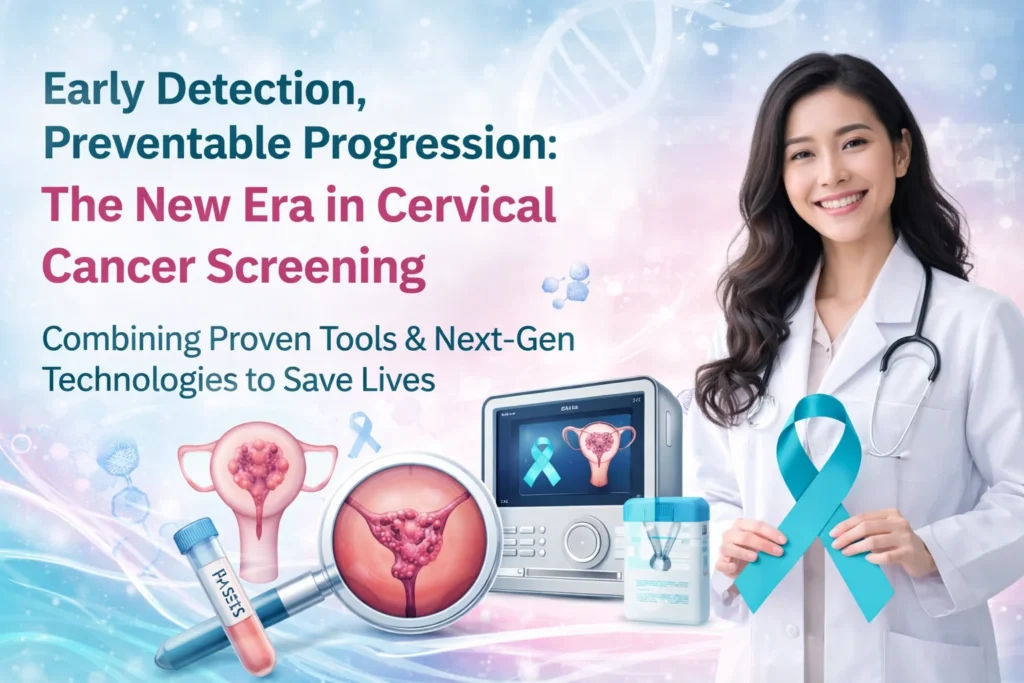

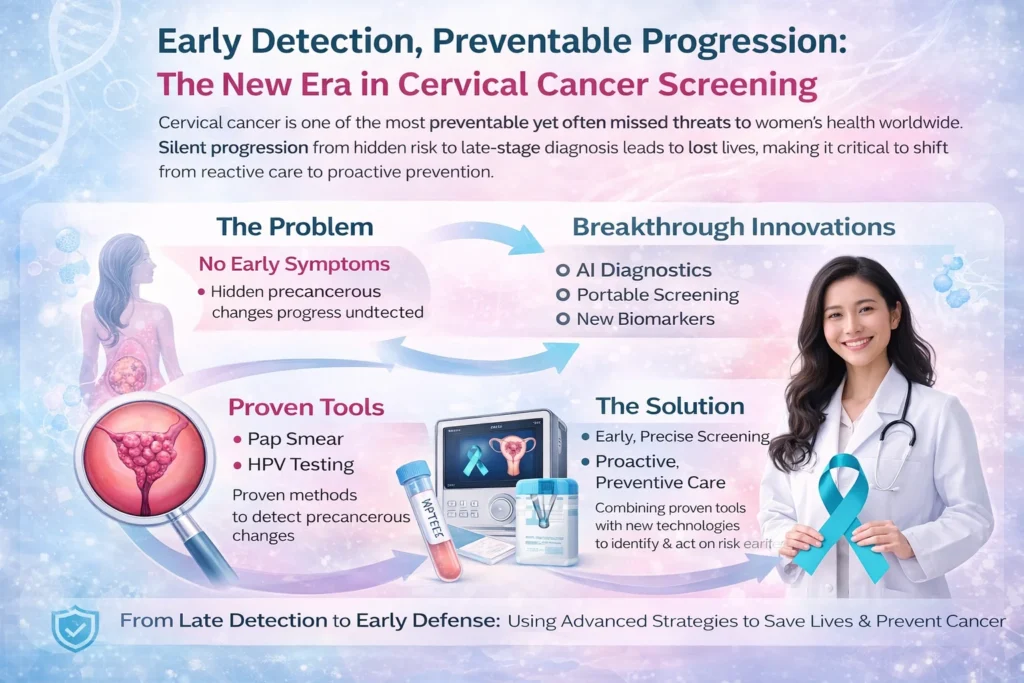
Cervical cancer is one of the most preventable yet persistently underrecognized threats to women’s health worldwide. The danger lies not only in the disease itself, but in the silent progression that often occurs without early symptoms. As a result, precancerous changes can go undetected for years, advancing to more serious stages before intervention occurs. This critical gap between hidden risk and delayed diagnosis remains a major cause of preventable morbidity and mortality.
However, this paradigm is rapidly evolving.
We are moving into an era where late detection is being replaced by timely, precision screening. Established tools such as Pap smears and HPV testing are now complemented by emerging technologies—including AI-assisted diagnostics, portable screening devices, and molecular biomarkers—that significantly enhance detection accuracy and accessibility. The focus is shifting from reactive care to a model centered on early identification, risk stratification, and proactive prevention.
The key question today is no longer whether early detection is possible—but whether we are deploying the most effective tools at the right time for the right populations.
This guide outlines evidence-based cervical health strategies, integrating conventional screening with next-generation innovations. Its goal is to empower both patients and healthcare providers to detect risk earlier, intervene more effectively, and ultimately prevent disease progression.
1) How can community health clinics set up low-cost cervical cancer screening programs in underserved U.S. populations?
Operational model
- Start with primary HPV testing (or Pap where HPV not available) as the backbone; add self-sampling for outreach.
- Use a hub-and-spoke model: community sites collect samples; a central lab processes them; referrals go to partner OB-GYN/colposcopy centers.
Funding & partnerships
- Leverage federal/state programs (e.g., National Breast and Cervical Cancer Early Detection Program) for screening and treatment navigation.
- Partner with local hospitals, nonprofits, and mobile clinics for shared staffing and equipment.
Workforce
- Train NPs/PAs/RNs for screening and counseling; use standing orders and protocolized care.
Access tactics
- Evening/weekend clinics, walk-ins, multilingual outreach, SMS reminders, and community health workers.
Quality & follow-up
- Build a closed-loop system (abnormal result → referral → colposcopy → treatment → recall).
- Track key KPIs: screening rate, HPV positivity, follow-up completion, time-to-colposcopy.
2) What is the most cost-effective cervical screening strategy under U.S. guidelines for different age groups?
Guideline-aligned approach (summary)
- Ages 21–29: Cytology (Pap) every 3 years.
- Ages 30–65: Primary HPV testing every 5 years (preferred), or co-testing every 5 years, or Pap every 3 years—per U.S. Preventive Services Task Force and American College of Obstetricians and Gynecologists.
Cost-effectiveness drivers
- Primary HPV testing reduces frequency and improves sensitivity → fewer missed high-grade lesions and fewer lifetime tests.
- Risk-based management (ASCCP) avoids over-treatment and unnecessary procedures.
- Self-sampling (where implemented) lowers access barriers and outreach costs.
Program design tip
- Default to HPV-first in 30–65 with automated recall at 5 years; reserve co-testing for specific risk profiles or transitional settings.
3) How can nurse practitioners and physician assistants be trained to deliver cervical screening while maintaining quality and compliance?
Training components
- Competency in speculum exam, sample collection (Pap/HPV), and patient counseling.
- ASCCP risk-based management algorithms for triage and follow-up.
- Cultural competence and trauma-informed care.
Quality assurance
- Use checklists, periodic direct observation, and cytology adequacy rates (e.g., satisfactory sample rates).
- Case reviews for abnormal results and referral timeliness.
Regulatory
- Follow state scope-of-practice; maintain protocols/standing orders; document supervision requirements where applicable.
Continuing education
- Annual refreshers; updates when guidelines change; simulation labs for skill maintenance.
4) What screening tools provide the highest diagnostic yield in primary care settings?
Core tools
- Primary HPV testing: highest sensitivity for CIN2+.
- Co-testing: maximizes sensitivity; higher cost.
- Cytology (Pap): lower sensitivity but useful in 21–29.
Adjuncts / triage
- HPV genotyping (16/18) for risk stratification.
- Reflex cytology for HPV-positive cases.
- Biomarkers (e.g., p16/Ki-67) in selected pathways.
Point-of-care innovations
- AI-assisted digital cervicography/colposcopy for triage in low-resource or outreach settings.
Practical takeaway
- For most U.S. primary care clinics: HPV-first + risk-based triage offers the best yield-to-cost ratio.
5) How can EHRs be optimized for cervical screening reminders, tracking, and follow-ups?
Core build
- Health maintenance rules aligned with USPSTF/ACOG intervals.
- Automated recall/reminder (SMS, portal, mail) for due/overdue patients.
Closed-loop tracking
- Flags for abnormal results, referral orders, and completion status.
- Dashboards: screening rate, abnormal follow-up completion, time-to-colposcopy.
Systems
- Configure workflows in platforms like Epic Systems and Cerner with best-practice advisories.
Interoperability
- Ensure lab interfaces for result auto-posting; use registries for population health.
6) What are the best strategies to improve screening adherence among uninsured or Medicaid populations?
Access & affordability
- Enroll eligible patients in NBCCEDP; offer sliding-scale or grant-funded services.
- Co-locate services (family planning, STI care) to bundle visits.
Engagement
- Community health workers, faith-based outreach, multilingual education.
- Text/phone reminders, easy rescheduling, same-day screening.
Convenience
- Extended hours, mobile clinics, and self-sampling HPV kits for home use.
Trust & literacy
- Culturally tailored materials; address myths and stigma; trauma-informed approach.
7) How can self-sampling HPV kits be integrated into U.S. telehealth and home-based care models?
Workflow
- Telehealth eligibility screen → order kit.
- Mail kit with clear instructions + video support.
- Patient returns sample → lab processing.
- Results via portal/tele-visit → risk-based triage.
Clinical considerations
- Use validated assays; define positive-result pathways (reflex testing vs direct colposcopy).
- Ensure sample adequacy education.
Regulatory & logistics
- CLIA-certified labs; HIPAA-compliant communication; reliable shipping/chain-of-custody.
Equity impact
- Increases reach to patients who avoid in-clinic exams.
8) What billing and coding practices ensure reimbursement for cervical screening services?
Common elements
- CPT codes for Pap collection, HPV testing, and preventive visits.
- ICD-10 codes reflecting screening (e.g., Z12.4) and risk factors.
Coverage
- Most plans cover preventive screening under ACA preventive services with no cost-sharing when in-network and guideline-concordant.
Best practices
- Document indication, age group, and screening interval.
- Use correct modifier usage when combining services.
- Track denials; perform periodic coding audits.
9) How can clinics align cervical screening workflows with value-based care models in the U.S.?
Quality metrics
- HEDIS measures (e.g., cervical cancer screening rates), follow-up after abnormal results.
Care pathways
- Standardize HPV-first protocols; minimize low-value testing; enforce risk-based management.
Population health
- Use registries and EHR dashboards to close gaps; proactive outreach for overdue patients.
Financial alignment
- Tie workflows to shared savings/quality incentives; reduce unnecessary colposcopies while ensuring timely care for high-risk patients.
10) What role do AI and digital colposcopy platforms play in scaling screening in FQHCs?
Use cases
- Triage of HPV-positive patients using AI-assisted cervicography.
- Decision support during colposcopy to standardize impressions and biopsy sites.
Benefits
- Improves diagnostic consistency, supports less-experienced providers, expands reach in resource-limited settings.
Implementation
- Start with pilot programs; validate against local outcomes; integrate with EHR for documentation.
Caveats
- Ensure clinical validation, bias assessment, data security, and clear human oversight.
🔍 1. Foundational Awareness & Risk Understanding
For General Public
Q: What exactly happens to cervical cells before they turn cancerous?
A: Cervical cells undergo a predictable, stepwise transformation over 10–15 years. The process begins when high-risk human papillomavirus (HPV) infects cells in the transformation zone—where the glandular endocervix meets the squamous ectocervix. The virus produces two proteins, E6 and E7, that disable the cell’s natural tumor suppressors (p53 and pRb). Without these brakes, infected cells begin dividing abnormally, first showing mild disorganization (CIN1/LSIL), then more severe changes (CIN2/3/HSIL). Eventually, if untreated, these abnormal cells can break through the basement membrane and become invasive cancer. The slow pace of this progression creates a wide window for detection and treatment.
Q: How does persistent HPV infection lead to cervical cancer over time?
A: HPV infection alone is not cancer—in fact, 90% of HPV infections clear spontaneously within 1–2 years thanks to a healthy immune system. The danger arises when the virus persists beyond 12–24 months. Persistent infection allows the viral oncoproteins E6 and E7 to continuously disrupt cell cycle regulation. E6 degrades p53 (the “guardian of the genome”), preventing DNA repair and apoptosis. E7 inactivates pRb, forcing cells into uncontrolled division. Over years, this chronic disruption leads to accumulated genetic damage, chromosomal instability, and eventually malignant transformation. The longer HPV persists, the higher the cumulative risk of progression.
Q: Can someone have cervical disease without any symptoms?
A: Yes—and this is precisely why screening is so critical. Early cervical disease (dysplasia/CIN) is almost always asymptomatic. Even early-stage cervical cancer may produce no symptoms. By the time warning signs appear—abnormal bleeding (post-coital, intermenstrual, or postmenopausal), watery or bloody vaginal discharge, pelvic pain—the cancer may already be advanced. This silent progression is why the Pap smear and HPV testing have saved so many lives: they detect disease years before symptoms emerge.
Q: What are the earliest warning signs most women ignore?
A: The earliest potential warning signs—though still relatively late in the disease course—include:
- Post-coital bleeding (bleeding after intercourse) — often dismissed as “rough sex”
- Spotting between periods — attributed to hormonal fluctuations
- Heavier or longer menstrual periods than usual
- Watery, pink, or blood-tinged vaginal discharge without odor
- Discomfort or pain during intercourse
Any of these warrant prompt evaluation. Importantly, these symptoms can also be caused by benign conditions, but they should never be ignored.
Q: Does having a normal Pap smear mean zero risk?
A: No. While a normal Pap smear is reassuring, it does not guarantee zero risk. The Pap smear has modest specificity (about 51%) and can produce false negatives due to sampling error (missing the transformation zone), inflammatory changes that obscure abnormal cells, or technical interpretation errors. Additionally, the Pap smear is less sensitive for glandular lesions (adenocarcinomas) than for squamous lesions. This is why many guidelines now recommend co-testing (HPV + Pap) or primary HPV testing, as HPV testing has higher sensitivity for detecting underlying risk even when cytology is normal.
Q: How does age affect cervical cancer risk?
A: Cervical cancer risk follows a distinct age pattern. Invasive cancer is rare before age 20. Risk begins rising in the mid-20s, peaks between ages 35 and 55, and then declines but never reaches zero. However, HPV infection is most common in younger sexually active women (ages 18–30), though most clear the virus spontaneously. Older women face a different risk: persistent infections acquired decades earlier may progress to cancer after menopause. This is why screening continues until age 65 (with exit criteria requiring adequate negative history).
Q: Is cervical cancer hereditary or purely infection-driven?
A: Cervical cancer is primarily infection-driven—specifically by persistent high-risk HPV infection, which is necessary for development. Unlike breast or ovarian cancer, there is no strong hereditary cervical cancer syndrome. However, host genetics do influence susceptibility. Genetic variations affecting immune function (e.g., HLA types), cytokine production, or DNA repair capacity can affect whether an individual clears HPV or progresses to dysplasia. First-degree relatives of cervical cancer patients have a modestly elevated risk, likely due to shared genetic immune factors rather than direct inheritance of a cancer gene.
Q: How does immunity influence HPV clearance?
A: Immunity is the single most important determinant of HPV outcome. A robust cell-mediated immune response—particularly CD4+ and CD8+ T lymphocytes—clears 90% of HPV infections within 12–24 months. Factors that impair immunity dramatically alter this:
- HIV infection (depletes CD4+ cells) → reduced clearance, faster progression
- Immunosuppressive medications (post-transplant, autoimmune disease) → higher persistence
- Smoking (local cervical immunosuppression) → impaired clearance
- Poor nutrition (vitamin A, C, E, folate deficiencies) → weaker immune response
This is why immunocompromised women require more frequent screening.
For Practitioners
Q: What molecular pathways drive progression from CIN1 → CIN3?
A: Progression from low-grade to high-grade cervical intraepithelial neoplasia is driven by several interlocking molecular events:
- Viral integration – Episomal HPV DNA integrates into the host genome, disrupting the E2 gene (which normally represses E6/E7 transcription). This leads to overexpression of E6 and E7 oncoproteins.
- p53 degradation – E6 recruits E6AP ubiquitin ligase, targeting p53 for proteasomal degradation. Loss of p53 eliminates DNA damage checkpoints and apoptosis.
- pRb inactivation – E7 binds and degrades pRb, releasing E2F transcription factors and forcing S-phase entry.
- Telomerase activation – E6 upregulates hTERT (telomerase reverse transcriptase), conferring replicative immortality.
- Epigenetic silencing – Hypermethylation of tumor suppressor gene promoters (e.g., CADM1, MAL, FAM19A4) accumulates with lesion grade.
- Genomic instability – Loss of p53 and pRb allows accumulation of chromosomal aberrations (aneuploidy, deletions, amplifications).
The transition from CIN2 to CIN3 often correlates with viral integration and loss of heterozygosity at 3p14 (FHIT) and other loci.
Q: Which HPV genotypes have the highest oncogenic potential in your region?
A: While regional variation exists, the global hierarchy of oncogenic risk is well-established:
| Risk Level | HPV Types | Proportion of Cervical Cancers |
|---|---|---|
| Highest | 16 | ~55-60% |
| High | 18 | ~10-15% |
| High | 45 | ~5% |
| Intermediate | 31, 33, 35, 52, 58 | ~5-10% combined |
| Lower | 39, 51, 56, 59, 68 | ~5% combined |
HPV16 alone causes over half of all cervical cancers and is most likely to persist and progress. HPV18 is more strongly associated with adenocarcinomas (glandular cancers), which are harder to detect on Pap smears. Regional differences exist: HPV52 and 58 are more common in Asia and Latin America; HPV35 is more prevalent in sub-Saharan Africa.
Q: How do co-factors like smoking or HIV accelerate cervical dysplasia?
A: Co-factors accelerate carcinogenesis through distinct mechanisms:
Smoking:
- Tobacco carcinogens (nicotine, cotinine) concentrate in cervical mucus at levels comparable to those in bronchial tissue
- Causes direct DNA damage in cervical epithelial cells
- Impairs local immune function (reduces Langerhans cells, alters cytokine profiles)
- Reduces HPV clearance rates by 2-3 fold
- Synergizes with HPV to increase risk of high-grade lesions 4-5 fold
HIV:
- Profound CD4+ T lymphocyte depletion eliminates HPV-specific immune surveillance
- HIV proteins (Tat, Nef, Vpu) enhance HPV E6/E7 expression
- Increased risk of multi-type HPV infections
- Accelerated progression: from HPV infection to CIN3 can occur in 3-5 years (vs. 10-15 years in immunocompetent women)
- Higher recurrence rates after treatment
Other co-factors: Long-term oral contraceptive use (>5 years), high parity (≥5 full-term pregnancies), and chronic inflammation also contribute, though more modestly.
Q: What biomarkers best predict lesion progression vs. regression?
A: Several biomarkers outperform histology alone for predicting clinical behavior:
| Biomarker | Predictive Value | Clinical Utility |
|---|---|---|
| HPV genotype | HPV16/18 have highest progression risk | Triage of HPV+ women |
| HPV viral load | High load increases persistence risk | Limited utility; varies by collection |
| p16/Ki-67 dual staining | Dual positivity strongly predicts CIN2+ | Excellent for triage; high specificity |
| DNA methylation (host) | Methylation of FAM19A4/miR124-2 correlates with progression | Emerging; very high specificity |
| HPV E6/E7 mRNA | Active viral oncogene expression | Better specificity than DNA testing |
| Chromosomal aneuploidy | DNA content abnormalities predict progression | Requires specialized equipment |
Best current approach: p16/Ki-67 dual staining has shown sensitivity of ~85% and specificity of ~75% for detecting CIN3+ in HPV-positive women, reducing unnecessary colposcopies by 50-60%. Methylation markers (e.g., S5 classifier) are promising for distinguishing transient from transforming infections.
🧪 2. Screening & Early Detection (Current Practices)
For General Public
Q: What is the difference between a Pap smear and HPV test?
A: These tests answer different questions:
| Pap Smear (Cytology) | HPV Test (Molecular) | |
|---|---|---|
| What it detects | Abnormal-looking cervical cells | Presence of high-risk HPV DNA or RNA |
| What it tells you | “Are there cellular changes NOW?” | “Is the virus that CAUSES cancer present?” |
| Sample type | Cells from transformation zone | Same cells, but processed differently |
| Result example | ASC-US, LSIL, HSIL | HPV16 positive, other high-risk positive |
Think of it this way: The HPV test identifies risk (presence of the virus). The Pap smear identifies disease (cellular consequences of that risk). Many guidelines now recommend HPV testing as the primary screen because it is more sensitive and provides longer reassurance when negative.
Q: How often should cervical screening be done at different ages?
A: Guidelines vary by country, but the US Preventive Services Task Force (USPSTF) recommends:
| Age Range | Screening Method | Interval |
|---|---|---|
| <21 years | No screening | — |
| 21-29 years | Pap smear alone | Every 3 years |
| 30-65 years | HPV test alone OR co-testing (HPV + Pap) | Every 5 years (HPV) or every 5 years (co-testing) |
| >65 years | Stop if adequate negative history (3 consecutive negative Paps or 2 negative HPV tests in prior 10 years, with most recent in last 5 years) | — |
Women with HIV, organ transplants, or DES exposure require more frequent screening.
Q: Is HPV testing more accurate than Pap smear?
A: For detecting risk of high-grade lesions, yes. HPV testing has:
- Higher sensitivity (~95% vs. ~50-70% for Pap) for detecting CIN3+
- Higher negative predictive value (a negative HPV test is highly reassuring for 3-5 years)
- Objective results (molecular, not subjective)
However, HPV testing has lower specificity (many HPV+ women have transient infections that will clear). This is why positive HPV tests often require triage (Pap, p16/Ki-67, or genotyping) to determine who needs colposcopy.
Q: Can screening be done during menstruation?
A: Ideally, screening should be scheduled between periods (days 10-20 of a typical 28-day cycle). Heavy menstrual blood can:
- Dilute the cell sample
- Obscure cellular detail on Pap smear
- Cause inconclusive results
Light spotting is usually acceptable. If you have your period on the day of your appointment, call your provider—they may reschedule or proceed depending on flow.
Q: Are home-based screening kits reliable?
A: Yes, increasingly so. FDA-approved at-home HPV testing kits (e.g., teal Health, Nurx) use self-collected vaginal swabs. Studies show self-collected samples perform comparably to clinician-collected samples for HPV detection, though sensitivity for detecting high-grade lesions is slightly lower.
Important caveats:
- Home kits test for HPV only (not cytology)
- A positive result requires follow-up with a clinician
- Improper collection can yield invalid results
- Not all home kits are FDA-approved—use only validated products
At-home testing is an excellent option for women who cannot or will not undergo pelvic exams, but it should not replace recommended screening intervals.
For Practitioners
Q: When should primary HPV screening replace cytology?
A: Primary HPV screening (using HPV test as the initial screen, with cytology reserved for triage) is recommended as the preferred strategy for women aged 30-65 by multiple guidelines (USPSTF, ASCCP, WHO). Transition should occur when:
Infrastructure ready:
- Access to validated HPV assays (e.g., cobas, Hybrid Capture 2, CareHPV)
- Laboratory capacity for molecular testing
- Clear protocols for HPV-positive triage
Population appropriate:
- Women ≥30 years (primary HPV screening not recommended <25 in most guidelines due to high transient infection rates)
- Adequate follow-up systems for HPV-positive women
Advantages driving transition:
- Higher sensitivity for CIN3+
- Longer safe screening intervals (5 vs. 3 years)
- Enables self-sampling options
- Objective, reproducible results
Resource-constrained settings may adopt screen-and-treat approaches with HPV testing, treating all HPV-positive women with VIA or ablation without cytology triage.
Q: What triage strategies are optimal for HPV-positive patients?
A: Optimal triage depends on resources and HPV genotype. Current evidence-based approaches:
| Strategy | Indication | Performance |
|---|---|---|
| HPV genotyping | HPV16/18 positive → immediate colposcopy; other high-risk → triage with cytology | High sensitivity; simple |
| Cytology (Pap) | HPV+ → reflex Pap; results ≥ASC-US → colposcopy | Traditional, widely available |
| p16/Ki-67 dual staining | HPV+ → dual stain; positive → colposcopy | High specificity; reduces colposcopies ~50% |
| Repeat HPV testing at 12 months | Acceptable for HPV+ with normal cytology | Conservative, avoids overtreatment |
Recommended algorithm for 30-65 year olds:
- HPV positive → genotype for HPV16/18
- If HPV16/18 positive → colposcopy
- If other high-risk → reflex cytology
- If cytology ≥ASC-US → colposcopy
- If cytology normal → repeat HPV + cytology in 12 months
Q: How to manage discordant results (HPV+ / cytology normal)?
A: Discordant results (HPV positive, negative for intraepithelial lesion or malignancy – NILM) are common, occurring in 5-10% of co-tests. Management depends on HPV genotype and patient history:
| Scenario | Recommendation |
|---|---|
| HPV16/18+, NILM | Direct to colposcopy (high oncogenic risk despite normal cytology) |
| Other high-risk HPV+, NILM | Repeat co-test in 12 months |
| Persistent HPV+ (same type), NILM at 12 months | Colposcopy |
| HPV+, NILM in immunocompromised patient | Lower threshold for colposcopy |
Approximately 60-70% of HPV+/NILM cases will clear HPV within 12 months without intervention. However, 5-10% will have CIN2+ on colposcopy, and 1-2% may have CIN3+—hence the need for follow-up.
Q: What are the limitations of visual inspection methods (VIA/VILI)?
A: Visual inspection with acetic acid (VIA) or Lugol’s iodine (VILI) remains used in low-resource settings where cytology or HPV testing is unavailable. However, significant limitations exist:
| Limitation | Impact |
|---|---|
| Low specificity (~15-25%) | Most VIA-positive women do not have high-grade lesions → overtreatment |
| Modest sensitivity (60-80% for CIN2+) | Misses 20-40% of significant disease |
| Operator-dependent | Requires extensive training; performance varies widely |
| Subjective interpretation | No permanent record; no quality assurance |
| Cannot differentiate lesion grade | Cannot distinguish CIN1 from CIN2/3 |
| Limited in postmenopausal women | Transformation zone often invisible (atrophic changes) |
| High false positives with cervicitis | Inflammation mimics acetowhite changes |
While VIA enables screen-and-treat programs in extremely low-resource settings (e.g., single-visit approach), HPV testing is superior and should replace VIA where affordable.
🧬 3. Emerging Diagnostics & Innovations
For General Public
Q: Can smartphones really detect cervical cancer?
A: Not yet as a standalone diagnostic tool, but smartphone-based colposcopy is emerging. These devices attach to a smartphone camera and use magnification and illumination to visualize the cervix. Images can be:
- Captured and stored digitally
- Analyzed by AI algorithms
- Shared with remote specialists for telemedicine consultation
Current smartphone colposcopes (e.g., Enhanced Visual Assessment, MobileODT) are not diagnostic alone—they still require clinical interpretation. However, in low-resource settings without colposcopists, these devices enable task-shifting to nurses or community health workers. AI analysis of smartphone images has shown 80-90% accuracy for detecting high-grade lesions in research settings.
Q: What are AI-based cervical screening tools?
A: AI-based cervical screening uses deep learning algorithms trained on thousands of digitized Pap smear or colposcopy images. These systems can:
| Function | How it works |
|---|---|
| Automated cytology | Scan digital Pap smear slides, flag abnormal cells for human review |
| Colposcopy assistance | Highlight suspicious areas on cervical images, suggest biopsy sites |
| Risk stratification | Integrate image data with clinical info to predict lesion grade |
| Quality assurance | Identify discordant cases for expert review |
Several FDA-cleared or CE-marked systems exist (e.g., Hologic Genius Digital Diagnostics, CytoProcessor, EVA System). Benefits include reduced subjectivity, faster turnaround, and enabling screening where pathologists are scarce. Limitations include cost, need for high-quality digital scanners, and potential performance degradation across populations.
Q: Are there blood tests for cervical cancer detection?
A: No validated blood test exists for screening asymptomatic women for cervical cancer. However, liquid biopsy (detecting tumor DNA or RNA in blood) is being investigated for:
- Monitoring known cervical cancer during treatment (measuring response)
- Detecting recurrence after treatment
- Prognostication (identifying high-risk patients)
For screening, blood tests are not recommended—cervical sampling (HPV testing, cytology) remains the standard because precancer is a localized cervical process that does not shed detectable biomarkers into blood until invasion occurs.
Q: What is self-sampling for HPV and is it effective?
A: Self-sampling means a woman collects her own vaginal sample for HPV testing using a swab or brush, without a pelvic exam or speculum. Effectiveness data:
| Metric | Performance vs. Clinician Collection |
|---|---|
| HPV detection agreement | 90-95% concordance |
| Sensitivity for CIN2+ | Slightly lower (~85-90% vs. 95%) |
| Specificity | Comparable (~90-95%) |
| Patient preference | 70-80% prefer self-sampling |
Self-sampling is effective for primary HPV screening, especially for women who decline pelvic exams. However, self-collected samples are not suitable for cytology (cells are not preserved for microscopic examination). Positive self-samples require follow-up with a clinician.
For Practitioners
Q: How reliable are AI-assisted colposcopy systems in low-resource settings?
A: Reliability depends on implementation context. The East Africa AI project (BMJ 2025) revealed critical insights:
| Reliability Factor | Finding |
|---|---|
| Image quality | Degrades with poor lighting, motion artifact, cervical mucus |
| Reagent consistency | AI performance falls when acetic acid concentration varies |
| Infrastructure | Power interruptions and internet downtime limit cloud-based AI |
| Population generalizability | Models trained on one population may underperform in another |
| Human-AI interaction | Nurse performance with AI assistance exceeded either alone |
Current verdict: AI-assisted colposcopy is promising but not yet robust for unsupervised deployment in low-resource settings. Offline-capable systems, robust to power fluctuations and reagent variation, are needed. The best current model is AI assistance (not replacement) with remote expert verification.
Q: What is the role of methylation markers in early detection?
A: DNA methylation markers detect epigenetic silencing of tumor suppressor genes—an early event in cervical carcinogenesis that can precede visible cytologic changes.
| Marker | Target | Performance |
|---|---|---|
| FAM19A4/miR124-2 | Host gene methylation | Sensitivity ~70-80%, specificity ~90-95% for CIN3+ |
| CADM1, MAL | Tumor suppressors | Detects ≥CIN2 with 75-85% sensitivity |
| HPV methylation | Viral L1/L2 genes | Correlates with viral integration and progression |
| S5 classifier | Combined host+HPV methylation | AUC >0.90 for CIN3+ detection |
Clinical utility:
- Triage of HPV-positive women – Methylation-positive → high risk of CIN3+; negative → very low risk (NPV >95%)
- Predicting progression – Methylation in CIN1/2 identifies lesions likely to progress
- Follow-up after treatment – Persistent methylation predicts recurrence
Methylation tests are not yet standard of care but are entering clinical practice in some European countries.
Q: How does exosomal RNA contribute to cervical cancer diagnostics?
A: Exosomes are small (30-150nm) vesicles released by all cells, carrying molecular cargo (RNA, DNA, proteins) that reflects the parent cell’s state. In cervical cancer:
- HPV-positive tumor cells release exosomes containing HPV E6/E7 mRNA, miRNAs, and viral DNA
- These exosomes can be detected in cervical mucus, vaginal fluid, and blood
- Exosomal HPV RNA may enable non-invasive monitoring of transforming infections
Potential applications:
- Early detection of transforming (vs. transient) HPV infections
- Monitoring treatment response without repeated biopsies
- Predicting recurrence after conization
Exosomal diagnostics remain investigational—no commercial tests are clinically validated yet.
Q: What are the clinical validation challenges of portable colposcopes?
A: Portable colposcopes (e.g., EVA System, Gynescope) promise to expand access, but validation faces multiple hurdles:
| Challenge | Specific Issue |
|---|---|
| Image resolution | Lower magnification (10-20x vs. 40x standard) may miss subtle lesions |
| Color accuracy | LED illumination differs from halogen; affects acetowhitening interpretation |
| Stability | Handheld devices introduce motion artifact |
| Training requirements | Task-shifting to nurses requires extensive competency assessment |
| No reference standard | Comparisons to standard colposcopy suffer from same interobserver variability |
| Validation endpoints | Should validation use histology (impractical for large studies) or expert colposcopy? |
| Regulatory pathways | FDA/CE marking for “assistance” vs. “diagnosis” differ substantially |
Current status: Several portable colposcopes have regulatory clearance for image capture and storage, but not for standalone diagnosis. Clinical validation studies typically report sensitivity of 70-85% and specificity of 60-80% for detecting high-grade lesions—acceptable for screening but not definitive diagnosis.
🧫 4. Microbiome & Inflammation
For General Public
Q: How does vaginal health affect cervical cancer risk?
A: A healthy vaginal microbiome is dominated by Lactobacillus species (especially L. crispatus), which produce lactic acid and maintain an acidic pH (≤4.5). This environment:
- Inhibits growth of pathogenic bacteria
- Supports local immune function
- May help clear HPV infections
When the microbiome becomes dysbiotic (overgrown with diverse anaerobic bacteria, as in bacterial vaginosis), the protective effect is lost. Some studies suggest dysbiosis is associated with higher rates of persistent HPV infection and slower clearance. While microbiome manipulation (probiotics) is not yet proven to prevent cervical cancer, maintaining general vaginal health likely supports HPV immunity.
Q: Can recurrent infections increase cancer risk?
A: Yes, recurrent or chronic cervicitis (inflammation of the cervix) may contribute to cancer risk through several mechanisms:
- Chronic inflammation produces reactive oxygen species that damage DNA
- Inflammatory cytokines can promote cell proliferation
- Recurrent tissue injury and repair increases opportunities for mutations
- Certain infections (e.g., Chlamydia trachomatis) have been independently associated with cervical cancer risk in some studies
However, the effect size is modest compared to HPV. The most important takeaway: recurrent infections should be evaluated and treated, but the primary prevention strategy remains HPV vaccination and screening.
Q: What is cervical inflammation and why does it matter?
A: Cervical inflammation (cervicitis) is the cervix’s response to irritation or infection. It can be:
- Acute (sudden onset, often from infection)
- Chronic (persistent, sometimes without identifiable cause)
On a Pap smear, inflammation appears as increased white blood cells, cellular changes that can mimic dysplasia (causing false-positive results), or obscure abnormal cells (causing false negatives). This is why clinicians often:
- Treat identified infections before repeating an abnormal Pap
- Note “inflammatory changes” on reports—often benign but may require follow-up
Chronic inflammation—whether from persistent infections, chemical irritants (douching), or unknown causes—creates a microenvironment that may favor HPV persistence and progression.
For Practitioners
Q: What is the relationship between dysbiosis and HPV persistence?
A: The cervicovaginal microbiome appears to modulate HPV natural history through several mechanisms:
| Microbiome State | Association with HPV |
|---|---|
| L. crispatus-dominant | Faster HPV clearance, lower persistence rates |
| L. iners-dominant | Intermediate; may transition to dysbiosis |
| Non-Lactobacillus dominant (Gardnerella, Prevotella, etc.) | Higher HPV persistence, increased risk of CIN2+ |
| Bacterial vaginosis (BV) | 2-3 fold increased risk of HPV persistence |
Proposed mechanisms:
- pH-mediated – Dysbiosis raises pH (≥4.5), potentially enhancing HPV infectivity
- Immune modulation – BV-associated bacteria alter cytokine profiles (increased IL-6, IL-8; reduced defensins)
- Mucus barrier disruption – Dysbiosis degrades protective cervical mucus
- Co-infection interactions – BV may facilitate HPV entry or impair clearance
Clinical implication: While not yet standard, some experts treat BV in women with persistent HPV and abnormal cytology, though evidence for improved HPV clearance is mixed.
Q: Can microbiome profiling improve risk stratification?
A: Potentially, but not yet ready for clinical practice. Research has identified microbial signatures associated with disease states:
| Condition | Microbial Signature |
|---|---|
| Normal/HPV negative | High Lactobacillus abundance (especially L. crispatus) |
| HPV positive, transient | L. iners dominance |
| HPV persistent, no dysplasia | Mixed anaerobes (Gardnerella, Prevotella, Sneathia) |
| CIN2+ | Depleted Lactobacillus; enriched Atopobium, Megasphaera, Prevotella |
Current limitations:
- No validated clinical test for microbiome profiling
- Causal direction unclear (does dysbiosis cause persistence, or does HPV cause dysbiosis?)
- High inter-individual and temporal variability
- Cost and complexity
Future potential: Microbiome profiling might eventually help triage HPV-positive women—those with favorable microbiome (L. crispatus) could be reassured, while those with dysbiosis might need closer follow-up.
Q: How does chronic inflammation alter epithelial transformation zones?
A: Chronic inflammation fundamentally alters cervical epithelium through several pathways:
- Epithelial erosion – Persistent inflammation can erode the protective squamous epithelium, exposing the fragile transformation zone
- Squamous metaplasia acceleration – Inflammation stimulates increased replacement of columnar epithelium with squamous cells, expanding the transformation zone (the area most vulnerable to HPV)
- Cytokine-mediated proliferation – Inflammatory cytokines (TNF-α, IL-1β, IL-6) promote epithelial cell proliferation, increasing the pool of dividing cells that HPV can infect
- DNA damage – Reactive oxygen and nitrogen species from inflammatory cells cause oxidative DNA damage, including 8-oxodG adducts and double-strand breaks
- Immune tolerance – Chronic inflammation can paradoxically induce regulatory T cells (Tregs) that suppress effective anti-HPV immunity
Clinical correlation: Women with chronic cervicitis have higher rates of persistent HPV infection and slower clearance of low-grade lesions. This supports treating identified infections and avoiding unnecessary cervical instrumentation that might induce inflammation.
💉 5. Prevention Strategies (Vaccines & Lifestyle)
For General Public
Q: At what age should the HPV vaccine be taken?
A: The HPV vaccine is most effective when given before exposure to HPV, which typically occurs soon after sexual debut.
| Age Group | Recommendation |
|---|---|
| 9-14 years | Ideal window; 2 doses (0, 6-12 months) |
| 15-26 years | Catch-up; 3 doses |
| 27-45 years | Shared decision-making (less benefit, but may be offered) |
| >45 years | Not routinely recommended |
The World Health Organization targets 90% of girls vaccinated by age 15 as part of the cervical cancer elimination strategy. Boys and young men should also be vaccinated to reduce transmission and protect against HPV-related cancers (penile, anal, oropharyngeal).
Q: Is the HPV vaccine useful after sexual activity begins?
A: Yes, absolutely. While most effective before exposure, the HPV vaccine still provides benefit for sexually active individuals because:
- Most people have not been exposed to all nine HPV types covered by Gardasil-9
- Even with prior HPV infection, the vaccine protects against other high-risk types (e.g., someone with HPV16 can still acquire HPV18)
- The vaccine may reduce risk of reinfection with previously cleared types
Clinical trials show vaccine efficacy of ~60-80% in sexually active young women who are HPV-naïve for some but not all vaccine types. Catch-up vaccination through age 26 is strongly recommended, and shared decision-making for ages 27-45 is reasonable.
Q: Can men contribute to HPV transmission?
A: Yes—in fact, men play a central role in HPV transmission dynamics. HPV is a sexually transmitted infection that spreads through skin-to-skin contact during vaginal, anal, or oral sex. Men:
- Can be asymptomatic carriers of high-risk HPV (no visible warts, no symptoms)
- Have no FDA-approved screening test (no “Pap smear for men”)
- Clear HPV more slowly than women on average
- Can transmit HPV to new partners even years after initial infection
Implications:
- HPV vaccination of boys and men reduces population transmission (herd immunity)
- Condoms reduce but do not eliminate transmission (HPV infects skin not covered)
- Male vaccination protects against penile, anal, and oropharyngeal cancers
Q: What lifestyle habits reduce cervical cancer risk?
A: While HPV vaccination and screening are the most powerful interventions, lifestyle factors modify risk:
| Protective Habit | Mechanism |
|---|---|
| Condom use | Reduces HPV transmission and other STIs that may co-facilitate persistence |
| Smoking cessation | Tobacco carcinogens concentrate in cervical mucus; smokers have 2-3x higher risk of high-grade lesions |
| Balanced nutrition | Antioxidants (vitamins C, E, beta-carotene, folate) support immune function |
| Regular screening | Detects and treats precancer before progression |
| Limit sexual partners | Reduces cumulative HPV exposure risk |
| Treat infections promptly | Chronic inflammation may facilitate HPV persistence |
Note: No lifestyle change replaces vaccination and screening—these are adjuncts, not alternatives.
For Practitioners
Q: What are current gaps in HPV vaccination coverage?
A: Despite proven efficacy, global HPV vaccination coverage falls far below the 90% WHO target:
| Region/Group | Coverage (Fully Vaccinated) | Gap |
|---|---|---|
| Global (girls 9-14) | ~15-20% | ~70-75% short of target |
| High-income countries | 60-80% (varies by country) | 10-30% short |
| Low-middle income countries | 5-15% | 75-85% short |
| Boys (where recommended) | 20-40% | Significant gap |
| Catch-up (15-26 years) | <30% in most settings | Major gap |
Specific gaps:
- Access – School-based programs miss out-of-school girls; rural areas lack cold chain infrastructure
- Acceptance – Vaccine hesitancy, safety concerns, cultural barriers
- Cost – Even at reduced Gavi prices ($4-5/dose), unaffordable for many countries
- Age-appropriate delivery – Many girls reached after sexual debut
- Boys – Most countries do not include boys in routine programs
- Second dose completion – Drop-off between dose 1 and dose 2 is substantial
Q: How effective is single-dose HPV vaccination in real-world settings?
A: Emerging evidence suggests single-dose efficacy may be higher than previously thought. Key data:
| Study | Population | Efficacy (single dose) vs. HPV16/18 infection |
|---|---|---|
| Costa Rica Vaccine Trial (post-hoc) | 18-25 years | ~80% for 10+ years |
| India multi-centric | 10-18 years | ~90% for 7+ years |
| Kenya (REACH) | 15-20 years | ~85% for 3 years |
WHO position (2022): Single-dose schedules are now considered off-label but acceptable for girls 9-14 years in programmatic settings where two-dose completion is challenging. However, two-dose remains preferred where feasible.
Caveats:
- Durability beyond 10 years unknown
- Efficacy against non-16/18 types less certain
- May be less effective in immunocompromised individuals
Q: What strategies improve vaccine acceptance in hesitant populations?
A: Evidence-based strategies for addressing HPV vaccine hesitancy:
| Strategy | Approach | Evidence Level |
|---|---|---|
| Presumptive messaging | “Your daughter is due for HPV vaccine today” (not “Do you want HPV vaccine?”) | Strong |
| Healthcare provider recommendation | Clinician recommendation is the single strongest predictor of uptake | Strong |
| School-based programs | Removes access barriers; normalizes vaccination | Strong |
| Peer education | Trained youth advocates address concerns peer-to-peer | Moderate |
| Social media campaigns | Counter misinformation with factual, engaging content | Moderate |
| Catch-up in non-traditional settings | Pharmacies, community health centers, reproductive health clinics | Moderate |
| Address specific concerns | Safety (reassure: >270 million doses given); sexual behavior (no evidence of increased sexual activity) | Strong |
Most effective single intervention: A strong, presumptive recommendation from a trusted healthcare provider.
🧍♀️ 6. Patient Experience & Barriers
For General Public
Q: Why do many women avoid Pap smears?
A: Common barriers to screening include:
| Barrier | Percentage of Women Citing |
|---|---|
| Fear of pain or discomfort | 40-60% |
| Embarrassment | 30-50% |
| Lack of time / inconvenient hours | 25-40% |
| No symptoms (“I feel fine”) | 20-35% |
| Previous negative experience | 15-25% |
| Fear of abnormal results | 15-20% |
| Cost or no insurance | 10-30% (varies by country) |
| Cultural/religious factors | 10-25% |
Solutions: At-home HPV testing addresses many of these barriers (privacy, convenience, no speculum). Clinics can improve uptake by offering evening/weekend hours, female providers, trauma-informed care, and clear explanation of the procedure.
Q: Are cervical screening tests painful?
A: For most women, cervical screening (Pap smear or HPV test) is uncomfortable but not painful. Sensations described include:
- Mild cramping (like menstrual cramps)
- Pressure or stretching sensation from the speculum
- Brief pinching when the brush touches the cervix
Factors affecting comfort:
- Anxiety (tensing muscles increases discomfort)
- Previous traumatic experiences
- Menopause (vaginal dryness/atrophy)
- Certain medical conditions (vaginismus, endometriosis)
What helps: Communicating with the provider, requesting a smaller speculum, deep breathing, and reminding yourself the procedure takes less than 60 seconds.
Q: What are the cultural barriers to screening?
A: Cultural barriers vary by community but commonly include:
| Cultural Factor | Manifestation |
|---|---|
| Modesty norms | Pelvic exam seen as violation of privacy or virginity |
| Taboo on gynecologic health | Cervix not discussed openly; shame associated |
| Marital status | Unmarried women may be denied screening; married women may need husband permission |
| Fatalism | “If cancer is meant to happen, screening won’t change it” |
| Medical mistrust | Historical abuses (e.g., Tuskegee) or exploitation in research |
| Language/literacy | Unable to understand screening information |
| Traditional medicine preference | Prefer herbal or spiritual healing |
Solutions: Community health workers from same cultural background; religious leader endorsement; integration with existing women’s health services; translated materials; and building trust over time.
For Practitioners
Q: How to improve compliance in underserved populations?
A: Evidence-based strategies for increasing screening uptake in underserved groups:
| Strategy | Implementation | Impact |
|---|---|---|
| Patient navigation | Trained navigators guide women through scheduling, reminders, transportation | +15-25% uptake |
| Community health workers | Peer educators provide education, accompany to appointments | +20-30% uptake |
| Mobile screening units | Bring services to communities (churches, workplaces, schools) | +30-40% reach |
| Self-sampling options | Offer home HPV testing for those declining pelvic exams | +20-40% among refusers |
| Text/phone reminders | Automated reminders before appointments | +10-15% attendance |
| Same-day results | Rapid HPV testing with immediate follow-up | Reduces loss to follow-up |
| Incentives | Small financial or non-financial incentives (transportation vouchers, childcare) | Modest benefit |
| Integration | Co-locate with other services (family planning, HIV care, well-child visits) | Efficient, reduces separate visits |
Most effective combined approach: Patient navigation + self-sampling options + community-based outreach.
Q: What communication strategies reduce fear and stigma?
A: Effective communication frameworks for cervical screening:
| Strategy | Example Language |
|---|---|
| Normalize | “This is a routine test that most women your age have.” |
| Empower | “This test gives you information to protect your health.” |
| Reframe | Instead of “cancer prevention” → “health check” or “wellness screening” |
| De-medicalize | “We’re just taking a tiny sample of cells, like a gentle swab.” |
| Address fear directly | “Many women are nervous about this test. Tell me what concerns you.” |
| Use plain language | Avoid “cervical intraepithelial neoplasia” → “early cell changes” |
| Trauma-informed approach | “You are in control. We can stop anytime. Tell me what would help you feel safe.” |
| Culturally adapted messages | Use community-specific metaphors, involve trusted messengers |
Key principle: Acknowledge emotions first, then provide information. Never dismiss fears as irrational.
Q: How to implement community-based screening programs effectively?
A: Successful community-based cervical screening programs share these elements:
- Community engagement pre-implementation
- Meet with community leaders, religious figures, women’s groups
- Understand local barriers and adapt accordingly
- Co-design the program with community input
- Task-shifting
- Train nurses, midwives, community health workers for HPV self-sampling distribution
- Reserve physicians for colposcopy and treatment
- Integrated service delivery
- Screen during other health encounters (family planning, antenatal care, immunization)
- Combine with breast cancer screening, HIV testing, or chronic disease care
- Single-visit “screen-and-treat” where appropriate
- For VIA or HPV-positive without triage capacity
- Immediate treatment with cryotherapy or thermal ablation
- Robust follow-up systems
- Registry for tracking results and recalls
- Navigators for women needing colposcopy or treatment
- Phone/community follow-up for no-shows
- Quality assurance
- Regular competency assessment for providers
- Audit of screening-to-treatment ratios
- Community feedback mechanisms
Example success: Rwanda’s national HPV vaccination + screening program achieved 93% vaccination coverage and 40% screening coverage in 5 years through community-based distribution.
🧠 7. Advanced Clinical Management
For General Public
Q: What happens if a Pap smear result is abnormal?
A: “Abnormal” Pap smear is common—over 3 million occur annually in the US alone—and rarely means cancer. The path forward depends on the specific result:
| Result | Typical Next Step |
|---|---|
| ASC-US (atypical cells, uncertain significance) | HPV test; if HPV negative → repeat Pap in 3 years; if HPV positive → colposcopy |
| LSIL (low-grade changes) | Colposcopy (or repeat Pap in 12 months for some) |
| HSIL (high-grade changes) | Colposcopy with biopsy (usually within a few weeks) |
| AGC (atypical glandular cells) | Colposcopy with endometrial sampling |
Colposcopy is a 10-15 minute office procedure where the clinician uses a magnifying scope to examine the cervix, applies vinegar solution to highlight abnormal areas, and may take tiny tissue samples (biopsies) if needed. Most women describe it as similar to a Pap smear but slightly longer.
Treatment for precancer (CIN2/3) typically involves LEEP (loop electrosurgical excision procedure) or cold knife conization—removing the abnormal tissue while preserving most of the cervix. These are outpatient procedures with high cure rates (>90%).
Q: Does early-stage cervical cancer require surgery?
A: Early-stage cervical cancer (Stage IA1 to IB2) is typically treated with surgery, which offers excellent cure rates (90-95% for Stage I). Surgical options include:
| Procedure | Extent | Fertility Preservation? |
|---|---|---|
| Cone biopsy | Removes only the cancerous area (for very early, tiny tumors) | Yes |
| Trachelectomy | Removes cervix and upper vagina, preserves uterus | Yes (for select patients) |
| Hysterectomy | Removes uterus and cervix | No |
For more advanced stages (IIB-IVA), treatment shifts to chemoradiation (cisplatin-based chemotherapy plus radiation). Surgery is not used for advanced disease because cancer has spread beyond the cervix.
Q: Can cervical disease affect fertility?
A: Cervical precancer treatment (LEEP, cone biopsy) has minimal impact on fertility for most women. However, large or multiple excisions can:
- Shorten the cervix, increasing risk of cervical incompetence (preterm birth, pregnancy loss)
- Cause cervical stenosis (narrowing), potentially impairing sperm passage
Impact is dose-dependent:
- Small LEEP (<10mm depth) → negligible fertility impact
- Large cone biopsy (>15mm depth) → moderate increased preterm birth risk (10-15% vs. 5% baseline)
- Trachelectomy for early cancer → significant fertility impact; requires specialized obstetric management
Cervical cancer itself (untreated) can affect fertility by invading local structures. Fertility-preserving surgery (trachelectomy) is available for select patients with early-stage, small tumors.
Bottom line: Routine screening and treatment of precancer rarely causes fertility problems. The much greater risk is not screening—advanced cancer may require hysterectomy, definitively ending fertility.
For Practitioners
Q: What are updated management guidelines for CIN2 in young women?
A: ASCCP 2019 guidelines introduced significant changes for CIN2 management, particularly in young women (21-24 years) and pregnant patients:
| Age Group | Recommendation | Rationale |
|---|---|---|
| 21-24 years | Observation with Pap/HPV at 6 and 12 months; treat only if CIN2 persists for 24 months or progresses to CIN3 | High spontaneous regression rate (>60% in young women) |
| 25-29 years | Either observation or treatment; shared decision-making | Intermediate regression; consider lesion size, HPV type, patient preference |
| 30+ years | Treatment recommended (except special circumstances) | Lower regression rates; higher progression risk |
For CIN2 in young women choosing observation:
- Monitor with co-testing (HPV + Pap) every 6 months for 24 months
- Treat if: CIN2 persists at 24 months, progresses to CIN3 at any time, or HPV16/18 persists with CIN2
- Colposcopy at each follow-up visit
Special situations:
- CIN2 with HPV16 → lower threshold for treatment (lower regression rates)
- CIN2 in HIV-positive → treat (low regression)
- CIN2 during pregnancy → defer treatment to postpartum (regression common, slow progression)
Q: When is conservative management preferable over excision?
A: Conservative management (observation without excision) is preferred when:
| Scenario | Why Conservative |
|---|---|
| CIN2 in women 21-24 | High regression (60%+), low cancer risk during observation |
| CIN1 in any age | Very high regression (70-80%), low progression |
| Pregnancy | Treatment risks preterm birth; lesions regress postpartum |
| Women desiring future pregnancy, small CIN2 | Balance cancer prevention with obstetric risks |
| HPV-positive, NILM cytology, no visible lesion | Most will clear HPV without treatment |
| Postmenopausal with CIN1 | Regression still common; progression slow |
Not appropriate for conservative management:
- CIN3 (treat always)
- CIN2 with HPV16 in women >25
- Persistent CIN2 for >24 months
- Inadequate colposcopy (lesion extends into canal)
- Immunocompromised patients
- Poor follow-up adherence likely
Shared decision-making framework: Present estimated regression risk (~60-70% for CIN2 in young women), progression risk (~10-15% to CIN3, <1% to cancer within 2 years), and treatment risks (~5-10% preterm birth rate with large excisions).
Q: How to balance oncologic safety with fertility preservation?
A: For patients with early cervical cancer who desire future pregnancy, fertility-preserving surgery is an option under specific criteria:
Candidate criteria (for trachelectomy):
- Stage IA1 with lymphovascular invasion, IA2, or IB1 (≤2cm)
- Squamous cell, adenocarcinoma, or adenosquamous histology
- No lymph node metastases (negative sentinel lymph node biopsy)
- Desire for future fertility
- No evidence of infertility from other causes
Trachelectomy procedure:
- Removes cervix, parametrial tissue, upper vagina (1-2cm)
- Preserves uterine corpus, fallopian tubes, ovaries
- Permanent cerclage placed at uterine isthmus
- Lymphadenectomy performed (laparoscopic or robotic)
Outcomes:
- Recurrence rate: ~4-5% (comparable to hysterectomy for tumors ≤2cm)
- Pregnancy rate after trachelectomy: ~40-60%
- Live birth rate: ~30-50% (preterm delivery ~20-30%)
Management during pregnancy:
- Strict surveillance for cervical shortening
- Consider prophylactic cerclage if cervical length <25mm before 24 weeks
- Planned cesarean section (vaginal delivery impossible after trachelectomy)
If not a candidate for trachelectomy: Standard hysterectomy or chemoradiation; fertility preservation via oocyte/embryo cryopreservation before treatment (for patients who accept delay of 2-4 weeks).
📡 8. Future Screening Technologies
For General Public
Q: Will cervical screening become completely non-invasive?
A: The trend is strongly toward less invasive screening, but “completely non-invasive” (no sample collection at all) is unlikely soon. The future trajectory:
| Near-term (1-5 years) | Mid-term (5-10 years) | Long-term (10-15+ years) |
|---|---|---|
| Self-sampling HPV tests become standard | Urine HPV testing (completely non-invasive collection) | Integrated multi-omics from urine/vaginal fluid |
| At-home kits FDA-approved for primary screening | AI analysis of smartphone cervical images (non-invasive visualization) | Blood-based early detection? (investigational) |
| Reduced need for speculum exams | Combined HPV + methylation from self-sample | Possibly: vaccine eliminates need for screening |
Most likely future: Self-collected vaginal swab or urine sample for HPV testing (minimally invasive), with only positive results requiring any examination. This represents a dramatic improvement over current speculum-based exams.
Q: Can wearable devices detect cancer risk in the future?
A: This is speculative but not impossible. Theoretical wearable applications for cervical cancer are far off (15+ years) and face major hurdles:
| Theoretical Approach | Challenge |
|---|---|
| Continuous pH monitoring (vaginal ring) | Dysbiosis correlates with risk, but causal link unclear |
| Cytokine detection (microfluidic patch) | No validated cytokine signature for cervical cancer |
| Volatile organic compound sensing | Cervical cancer-specific VOCs not identified |
| Body temperature/HRV changes | Far too non-specific |
Realistic near-term wearables: None for cervical cancer. Wearables are more promising for tracking general health, vaccination reminders, or monitoring treatment side effects—not early cancer detection.
The core problem: Cervical precancer is a localized cellular process without systemic biomarkers detectable by wearable sensors.
For Practitioners
Q: What is the future of liquid biopsy in cervical cancer?
A: Liquid biopsy (detecting tumor-derived material in blood or other body fluids) has distinct roles for cervical cancer:
For early detection (screening): Limited potential. Cervical precancer is localized and does not shed detectable quantities of DNA/RNA into blood. No blood-based screening test is expected to replace cervical sampling for primary prevention.
For established cancer management: Significant promise.
| Application | Sample Type | Markers | Clinical Utility |
|---|---|---|---|
| Treatment response monitoring | Blood (plasma) | HPV ctDNA | Detect residual disease after chemoradiation |
| Recurrence surveillance | Blood | HPV ctDNA | Earlier detection than imaging (by 3-6 months) |
| Prognostication | Blood | Methylation, ctDNA level | Identify high-risk patients needing adjuvant therapy |
| Therapy selection | Blood | Genomic alterations | Guide targeted therapy in recurrent/metastatic disease |
Key advantage: HPV ctDNA is highly specific—only present if HPV-driven cancer is active. Undetectable HPV ctDNA after treatment strongly predicts cure.
Key limitation: Requires tumor to be shedding DNA (occurs once invasive, not precancer).
Future direction: Integration of HPV ctDNA into routine surveillance for cervical cancer survivors, potentially reducing need for frequent imaging.
Q: Can multi-omics (genomics + proteomics) redefine screening?
A: Multi-omics—integrating genomic, epigenomic, transcriptomic, proteomic, and metabolomic data—will likely refine risk stratification for HPV-positive women rather than replace primary HPV screening.
Conceptual framework:
| Omic Layer | What It Measures | Potential Value |
|---|---|---|
| Genomics | HPV genotype, host genetic variants | Identifies high-risk types; host susceptibility |
| Epigenomics | DNA methylation patterns | Distinguishes transient from transforming infections |
| Transcriptomics | HPV E6/E7 mRNA, host gene expression | Confirms active oncogene expression |
| Proteomics | p16, Ki-67, other protein biomarkers | Direct evidence of cell cycle dysregulation |
| Metabolomics | Metabolite profiles | Captures metabolic consequences of transformation |
The “multi-omics classifier”: A single test that integrates multiple layers from a cervical or vaginal sample to produce a continuous risk score—not just “HPV positive/negative” or “cytology abnormal/normal.”
Expected performance: Superior to any single marker for predicting which HPV-positive women will progress to CIN3+. Some research classifiers achieve AUC >0.95 for CIN3+ detection.
Implementation timeline: Prototype assays exist in research settings. Clinical validation expected 5-8 years. Widespread adoption likely 10+ years, pending cost reduction and simplified workflows.
Q: How will AI change population-level screening programs?
A: AI will transform cervical screening programs at multiple levels:
1. Primary screening (cytology replacement)
- AI analysis of digitized Pap smears with human review only of abnormal or uncertain cases
- Projected 80% reduction in cytotechnologist workload
- Reduced inter-observer variability, consistent quality
2. Triage (risk stratification)
- AI integration of HPV genotype, cytology, methylation, and clinical data into dynamic risk scores
- Personalized screening intervals (not “one size fits all”)
- Reduction in unnecessary colposcopies (estimated 40-60% reduction)
3. Colposcopy assistance
- Real-time AI highlighting of suspicious areas for biopsy
- Improved sensitivity for lesion detection (reduces missed lesions)
- Training tool for novice colposcopists
4. Program management
- AI-predicted loss-to-follow-up risk for targeted navigation
- Resource allocation optimization (where to deploy mobile units, which patients need urgent follow-up)
- Automated quality assurance (flagging high false-negative rates, outlier providers)
5. Low-resource settings
- AI on smartphones enables task-shifting to community health workers
- Offline-capable algorithms for settings without internet
- Remote expert review of AI-flagged cases
Potential concerns:
- Algorithm bias if training data not representative
- Over-reliance on AI reducing clinical skills
- Data privacy and security
- Regulatory pathways for AI as “medical device”
Most likely scenario: AI will augment, not replace clinicians—handling high-volume, repetitive tasks while humans manage complex cases and maintain quality oversight.
🌍 9. Public Health & Global Perspective
For General Public
Q: Why is cervical cancer still common despite being preventable?
A: Cervical cancer is entirely preventable through vaccination and screening, yet remains common due to implementation gaps, not scientific gaps:
| Barrier | Impact |
|---|---|
| HPV vaccine access | Only 15-20% of girls in low-income countries receive the vaccine (vs. 60-80% in high-income) |
| Screening access | 11% of women in low-income countries have ever been screened (vs. 84% in high-income) |
| Follow-up treatment | Even when screened, many HPV-positive women never receive colposcopy or treatment |
| Cost | HPV testing ($10-20 per test) unaffordable for many health systems |
| Infrastructure | Lack of labs, trained personnel, reliable electricity for screening programs |
| Awareness | Many women do not know cervical cancer is preventable or that screening exists |
| Stigma/culture | Pelvic exams avoided due to modesty concerns, fear, or misinformation |
The result: 94% of cervical cancer deaths occur in low- and middle-income countries. This is not a failure of science—it is a failure of equitable delivery.
Q: Which countries have eliminated cervical cancer successfully?
A: Several countries have achieved or are approaching elimination (defined as <4 new cases per 100,000 women annually):
| Country | Status | Key Strategies |
|---|---|---|
| Australia | On track to eliminate by 2028-2035 | School-based HPV vaccination (boys + girls) since 2007; HPV primary screening since 2017 |
| Rwanda | Achieving high coverage but not yet elimination | National HPV vaccination program (93% coverage); integrated screening with HIV services |
| Sweden | Near elimination (5-6 cases/100,000) | High vaccine coverage; organized screening program since 1960s |
| UK | On track for elimination by 2040 | School vaccination; HPV primary screening roll-out |
| Bhutan | High coverage, low incidence | National screening program; HPV vaccine since 2010 |
Key lesson: Elimination requires both high vaccine coverage (≥90% of girls) AND high screening coverage (≥70% of women 30-49), sustained for decades.
For Practitioners
Q: What are WHO targets for cervical cancer elimination?
A: The WHO Global Strategy for cervical cancer elimination (2020) established the 90-70-90 targets by 2030:
| Target | Metric | Rationale |
|---|---|---|
| 90% | Girls fully vaccinated with HPV vaccine by age 15 | Prevents new infections |
| 70% | Women screened with high-performance test by age 35 and again by 45 | Detects precancer |
| 90% | Women with precancer treated; 90% with invasive cancer managed | Prevents progression and death |
Elimination threshold: Achieving and sustaining <4 cases per 100,000 women annually in every country.
Projected impact if targets met:
- 97% reduction in cervical cancer incidence
- 62 million deaths averted over next century
- Elimination achieved in most countries by 2060-2070
Current status (2026): Only a handful of countries have achieved any target; most are far below. Accelerated action needed.
Q: How can low-resource settings adopt cost-effective screening?
A: The most cost-effective strategies differ by resource level:
| Setting | Recommended Approach | Cost per screened woman |
|---|---|---|
| Low-resource (<$100/capita health spending) | HPV self-sampling + screen-and-treat (VIA or ablation for HPV+) | $5-10 |
| Lower-middle ($100-400) | HPV testing (central lab) + triage with visual inspection; treat positives | $10-20 |
| Upper-middle ($400-2000) | HPV testing + reflex cytology or p16/Ki-67 triage; colposcopy for positives | $20-50 |
| High-resource (>$2000) | HPV primary screening + genotyping + cytology triage; colposcopy + biopsy | $50-100+ |
Key principles for low-resource settings:
- Self-sampling eliminates need for speculum, clinician time, and private exam space
- Screen-and-treat (single visit) reduces loss to follow-up
- Thermal ablation over cryotherapy (no gas refills, portable, battery-operated)
- Centralized lab HPV testing with specimen transport (economies of scale)
- Task-shifting to nurses and community health workers
Example: The START-UP trial in Kenya demonstrated HPV self-sampling with mobile phone-based results delivery achieved 82% screening uptake, with 94% of HPV-positive women returning for treatment.
Q: What models integrate screening + vaccination effectively?
A: Integrated delivery models maximize efficiency and reach:
| Model | Components | Example Success |
|---|---|---|
| School-based | HPV vaccination (girls 9-14) + health education + future screening linkage | Australia, Rwanda |
| Campaign-based | Periodic outreach events offering vaccination (all ages) + screening + treatment | Bangladesh, Peru |
| Life-stage platform | Vaccination at age 9-14; screening at age 30-49 within same health system | UK, Sweden |
| HIV platform integration | Cervical screening for all HIV+ women; HPV vaccination for HIV+ girls | Zambia, Uganda |
| Community health worker model | CHWs deliver vaccine + distribute self-sampling kits + navigation | India, Ethiopia |
Critical success factors:
- Shared registry to track both vaccination and screening status
- Reminder/recall systems for second vaccine dose and screening intervals
- Cross-training of providers (same person can vaccinate, distribute self-sampling kits, perform VIA)
- Supply chain integration (vaccine cold chain + HPV test kits + treatment supplies)
Example integration: Rwanda integrated HPV vaccination into the national Expanded Program on Immunization (EPI), reaching 93% coverage within 5 years, while simultaneously integrating cervical screening into HIV care and reproductive health services.
⚠️ 10. Special Populations & Edge Cases
For General Public
Q: Do pregnant women need cervical screening?
A: Yes, if due for screening. Pregnancy does not protect against cervical disease, and screening can be safely performed during pregnancy. Important points:
| Aspect | Information |
|---|---|
| Safety | Pap smear and HPV testing are safe during pregnancy; speculum exam does not harm the fetus |
| Timing | Best in first or early second trimester (easier visualization, less discomfort) |
| Abnormal results | Same management as non-pregnant for screening; colposcopy is safe (biopsy avoided unless high-grade suspicion) |
| Treatment | Precancer (CIN) is NOT treated during pregnancy unless cancer suspected; postpartum reassessment |
| Cancer during pregnancy | Rare but requires multidisciplinary management (possible to continue pregnancy with treatment) |
Bottom line: Do not skip screening due to pregnancy. If you are pregnant and due for a Pap/HPV test, have it done.
Q: Are postmenopausal women still at risk?
A: Yes. Cervical cancer risk does not disappear after menopause. Key facts for postmenopausal women:
| Age Group | Risk Level | Notes |
|---|---|---|
| 50-65 years | Risk persists; screening continues until 65 | Peak incidence in 50s for some populations |
| 65+ with adequate negative history | Very low; screening stops | Adequate = 3 consecutive negative Paps OR 2 negative HPV tests in prior 10 years, most recent within 5 years |
| 65+ without adequate history | Continue screening | Includes women who never screened or had prior abnormalities |
| Post-hysterectomy | Depends on reason for hysterectomy | See practitioner section below |
Special postmenopausal considerations:
- Atrophic changes can cause false-positive Paps (abnormal-looking but benign cells)
- HPV testing is preferred over Pap alone (less affected by atrophy)
- HPV positivity in older women has higher positive predictive value for CIN2+ (less transient infection)
For Practitioners
Q: How to screen immunocompromised patients (e.g., HIV)?
A: Immunocompromised women require more frequent and intensive screening due to accelerated disease progression and higher recurrence rates.
| Population | Screening Recommendation | Notes |
|---|---|---|
| HIV-positive | HPV testing annually; if negative, may extend to every 3 years after 3 consecutive negatives | CD4 <200 → annual regardless |
| Solid organ transplant | Annual HPV + cytology | Risk highest in first 5 years post-transplant |
| Autoimmune on immunosuppressants | Annual or every 2-3 years depending on medication intensity | TNF inhibitors, methotrexate, chronic steroids |
| Stem cell transplant | Baseline then annually if HPV-negative | High risk of new HPV-related disease |
Special management considerations:
- Lower threshold for colposcopy (HPV+ alone may warrant colposcopy, not just triage)
- Higher recurrence after treatment → post-treatment surveillance at 6 months, then annually
- Multiple HPV types common → not unusual to have 3-5 high-risk types simultaneously
- Anal screening should be considered (high rates of anal HPV-related disease)
HIV-specific note: Cervical cancer is an AIDS-defining illness. HAART reduces but does not eliminate risk. Screening should continue even with viral suppression.
Q: What adjustments are needed in post-hysterectomy screening?
A: Screening after hysterectomy depends entirely on the reason for hysterectomy and cervical removal status:
| Hysterectomy Type | Reason | Screening Needed? |
|---|---|---|
| Total (cervix removed) | Benign condition (fibroids, prolapse, bleeding) | No – stop screening |
| Total (cervix removed) | Cervical precancer/cancer | Yes – vaginal vault cytology annually for 20+ years |
| Subtotal (cervix preserved) | Any reason | Yes – continue standard screening |
| Radical (cervix removed, wider margins) | Cancer | Yes – vaginal vault cytology every 3-6 months initially, then annually |
For vaginal vault screening after hysterectomy for precancer/cancer:
- Sample from vaginal cuff (not cervical, as cervix absent)
- HPV testing of vagina is less validated than cervical; cytology is primary
- Persistent vaginal HPV+ or abnormal cytology → colposcopy of vaginal vault
Key clinical pearl: Many patients incorrectly believe hysterectomy eliminates all cervical cancer risk. Clarify: if cervix was removed for benign reasons, risk of vaginal cancer is extremely low (no routine screening needed). But if cervix remains, standard screening continues.
Q: How does menopause affect cytology interpretation?
A: Menopause introduces several interpretive challenges on Pap smears:
| Change | Cytologic Finding | Potential Confusion |
|---|---|---|
| Atrophy | Parabasal cells (small, round, dark nuclei) | May mimic HSIL (high-grade changes) |
| Inflammation | Increased neutrophils, cellular debris | Obscures abnormal cells; causes false positives |
| No transformation zone | Endocervical cells absent | Unsatisfactory for interpretation (must repeat) |
| Thin epithelium | Easier to traumatize during sampling | Bloody specimens |
Management strategies:
- Preferred test: HPV testing (less affected by atrophy)
- If Pap alone: Note atrophic changes in requisition; pathologist expects benign changes
- For ASC-US in atrophy: Consider vaginal estrogen cream for 2-4 weeks, then repeat Pap (estrogen matures cells, resolves atypia)
- Unsatisfactory due to absent endocervical cells: Acceptable if HPV test is negative (some guidelines); otherwise repeat
Key principle: Do not overcall atrophy as dysplasia. If in doubt, HPV testing clarifies (HPV-negative = reassuring; HPV-positive requires colposcopy).
🔬 11. Research & Unanswered Questions
Q: Why do some HPV infections never progress to cancer?
A: The vast majority of HPV infections (>90%) clear spontaneously without progression. Multiple factors protect against progression:
| Protective Factor | Mechanism |
|---|---|
| Robust cell-mediated immunity | CD8+ cytotoxic T cells eliminate infected cells |
| Intact innate immunity | Natural killer cells, macrophages clear virus early |
| Favorable microbiome | Lactobacillus dominance maintains protective environment |
| Low viral load | Small number of infected cells easier to clear |
| Episomal (non-integrated) virus | Without integration, E6/E7 expression is controlled by E2 |
| Healthy epithelium | Intact barrier prevents deep viral penetration |
| Young age | More robust immune responses |
| No co-factors | No smoking, HIV, or chronic inflammation |
The key distinction: Progression requires viral persistence (failure of immune clearance) plus viral integration (loss of E2 control over E6/E7) plus accumulated host genetic damage. Most infections never reach this threshold.
Q: Can cervical cancer be predicted years before cellular changes?
A: Partially yes. Several markers can predict future risk years before cytologic abnormalities appear:
| Predictor | Lead Time | Predictive Performance |
|---|---|---|
| Persistent HPV16/18 | 5-10 years | High risk (RR 10-20 for CIN3+) |
| HPV E6/E7 mRNA positivity | 3-5 years | Indicates active transformation |
| Host DNA methylation | 3-7 years | Positive methylation predicts future CIN3+ |
| p16/Ki-67 dual positivity | 2-4 years | Indicates cell cycle dysregulation |
| HPV viral load (persistently high) | 3-6 years | Moderate predictive value |
Current clinical application: HPV genotyping (especially HPV16/18) is used to identify women at highest future risk. Methylation tests are emerging but not yet standard.
Future direction: A “risk score” integrating HPV genotype, methylation pattern, and host immune markers could provide personalized 5-10 year risk estimates, allowing tailored screening intervals (e.g., low risk → screen every 10 years; high risk → annual).
Q: What is the role of host genetics in susceptibility?
A: Host genetic variation significantly influences HPV infection outcomes, though no single “cervical cancer gene” exists:
| Genetic System | Variants Associated | Effect Size |
|---|---|---|
| HLA class I/II | HLA-B*07, DRB1*15, DQB1*03 | Odds ratio 1.5-3.0 |
| Cytokine genes | IL-10, TNF-α, IFN-γ polymorphisms | Modest (OR 1.3-2.0) |
| DNA repair genes | TP53 codon 72 (Arg/Pro) | Controversial; small effect |
| Immune response genes | TAP, LMP, MIC polymorphisms | Modest |
| Cell cycle genes | CCND1, p21, p27 variants | Small effects |
Clinical implications:
- Family history of cervical cancer in a first-degree relative confers ~2-fold increased risk (likely due to shared immune genes)
- No role for genetic testing in routine cervical cancer prevention
- Research focus: identifying polygenic risk scores to refine screening
Important caveat: Host genetics matters far less than HPV exposure, immune status, and screening adherence. The vast majority of cervical cancers occur in women without any known high-risk genetic variants.
Q: Can inflammation be therapeutically targeted to prevent progression?
A: This is an active research area, but no anti-inflammatory interventions are currently recommended specifically for cervical cancer prevention. However, several approaches are under investigation:
| Intervention | Evidence Level | Mechanism |
|---|---|---|
| Probiotics (Lactobacillus) | Mixed; no large trials | Restore protective microbiome; reduce dysbiosis |
| Anti-inflammatory drugs (NSAIDs) | Observational studies only | Reduce chronic inflammation; unclear benefit |
| Antibiotics for BV | Limited; not yet recommended | Treating BV may improve HPV clearance (unproven) |
| Cervical immune modulators (imiquimod) | Small studies for CIN2/3 | Topical TLR7 agonist; may induce regression |
| Dietary anti-inflammatory (curcumin, green tea) | Preclinical only; no clinical evidence | Antioxidant properties |
Current standard: The most effective “anti-inflammatory” prevention is HPV vaccination (prevents initial infection and inflammation) and smoking cessation (removes chronic inflammatory stimulus).
Future direction: Therapeutic vaccines targeting HPV E6/E7 may induce regression of established precancer by activating anti-HPV immunity—effectively “turning off” the inflammatory and oncogenic driver.
Q: Will we reach a point where Pap smears become obsolete?
A: Likely yes—but not for another 10-20 years, and not in all settings simultaneously. The trajectory:
| Timeline | Dominant Screening Method | Role of Pap |
|---|---|---|
| Current | HPV testing + Pap triage (co-testing in US; HPV primary in many countries) | Triage of HPV-positive women |
| 5-10 years | HPV primary with molecular triage (methylation, p16/Ki-67) | Pap reserved for low-resource or as backup |
| 10-20 years | HPV + methylation integrated test; AI cytology | Pap largely obsolete in high-resource settings |
| 20+ years | HPV vaccination may reduce screening frequency to once per decade or less | Pap may disappear entirely |
Why Pap may persist in some settings:
- Low-cost (no expensive molecular equipment)
- Visual (provides immediate information at colposcopy)
- Requires no cold chain or specialized lab
- Familiar to providers
Why Pap will likely decline:
- Lower sensitivity than HPV testing
- Subjective interpretation
- Poor reproducibility
- Cannot be self-collected
Prediction: By 2040, Pap smears will be rare in high-income countries (replaced by HPV + methylation from self-collected samples), but may persist in low-resource settings where molecular testing remains unaffordable.
Conclusion: The Path Forward
Cervical cancer is a preventable tragedy—one of the few malignancies for which we have both a vaccine (primary prevention) and highly effective screening (secondary prevention). The science is mature. The remaining challenges are implementation: reaching every woman, regardless of geography or income, with these life-saving tools.
Emerging technologies—AI diagnostics, methylation markers, microbiome science, at-home testing—promise to make screening more accurate, accessible, and patient-centered. But technology alone is insufficient. Success requires health system strengthening, community engagement, political will, and sustained investment.
The goal—a world without cervical cancer—is achievable within our lifetimes. Every Pap smear performed, every HPV vaccine administered, every woman reached brings us closer.
This resource is provided for educational purposes. Always consult a qualified healthcare provider for personal medical advice.