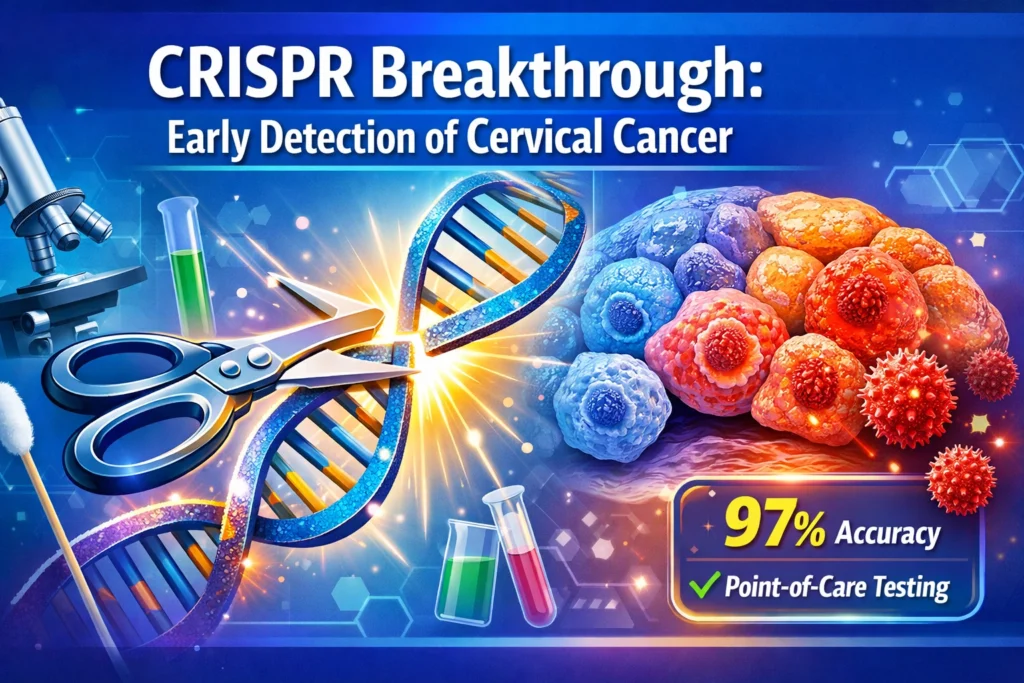
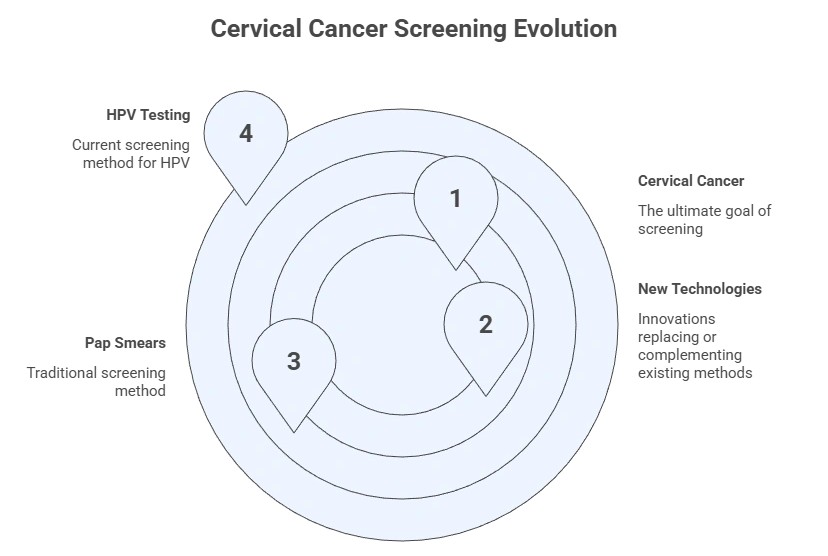
Cervical cancer remains a significant health concern for women in the United States. Early detection is crucial, as precancerous changes can be treated long before invasive cancer develops. While traditional screening methods like Pap smears and HPV DNA tests have helped reduce mortality, a new diagnostic technology is poised to revolutionize cervical cancer prevention: the CRISPR test for cervical cancer.
Unlike traditional Pap smears, which detect abnormal cells, or HPV DNA tests, which detect viral DNA, CRISPR tests identify both viral and genetic markers with high sensitivity, speed, and precision, making early detection more accessible and accurate.
How CRISPR Tests Detect Cervical Cancer
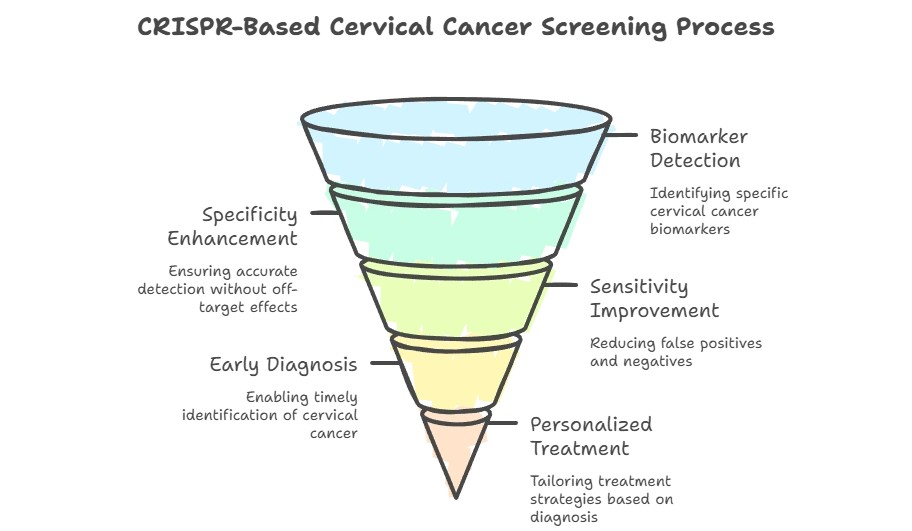
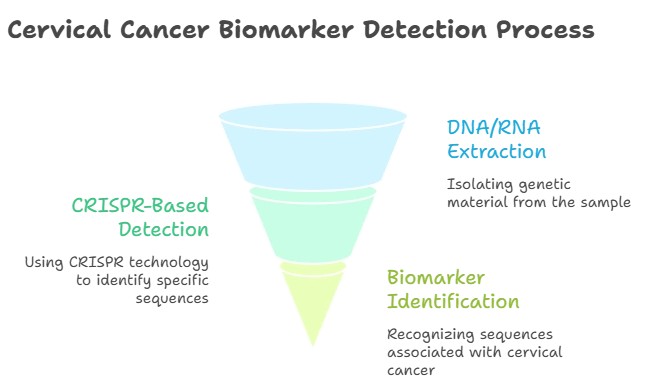
CRISPR-based cervical cancer tests follow a simple yet advanced process:
Sample Collection A small cervical swab, vaginal self-sample, urine, or blood sample is collected.
Amplification Genetic material from high-risk HPV types (like HPV16/18) or cancer biomarkers is amplified using isothermal techniques such as RPA or LAMP.
Cervical Health FAQ Carousel
The cervix is the lower part of the uterus connecting it to the vagina. It allows menstrual flow, sperm entry, and protects the uterus from infections.
Regular Pap smears, HPV tests, and gynecological exams help monitor cervical health. Most women have no symptoms when healthy.
Cervical problems include HPV infections, precancerous changes, cervical inflammation, polyps, and cervical cancer.
Yes, some women can feel the cervix through the vagina, but it does not reliably indicate health status.
Women aged 21–29: every 3 years; 30–65: every 3–5 years with HPV testing, based on guidelines.
Persistent infection with high-risk HPV strains, especially types 16 and 18, is the primary cause.
Cervical cancer affects thousands of women annually in the U.S., but regular screening has reduced incidence and mortality.
Yes, persistent high-risk HPV infections can lead to precancerous changes and, if untreated, cervical cancer.
Yes, including smoking, weakened immunity, long-term oral contraceptive use, and multiple sexual partners.
Yes. HPV vaccination, safe sexual practices, and regular screening significantly reduce risk.
A Pap smear collects cervical cells to check for abnormalities that may indicate precancerous or cervical cancer changes.
An HPV test detects high-risk HPV strains that can cause cervical cancer.
Co-testing combines a Pap smear and HPV test to improve early detection of cervical changes.
Yes. CRISPR-based molecular tests can detect HPV DNA and precancerous biomarkers faster and with high accuracy.
Some CRISPR and HPV self-collection kits exist, but professional follow-up is recommended for abnormal results.
Often none. Later signs may include abnormal bleeding, unusual discharge, or pelvic pain.
Yes. Early stages are usually asymptomatic, which is why regular screening is important.
No. They can be caused by infections or hormonal changes, but should always be evaluated by a doctor.
HPV is a virus transmitted through sexual contact. High-risk types can cause cervical cancer.
Most HPV infections clear naturally within 1–2 years, but persistent high-risk strains require monitoring.
HPV vaccination is highly effective at preventing infections from high-risk types and reducing cervical cancer risk.
The CDC recommends HPV vaccination at ages 11–12, but it can be given up to age 26 or later depending on circumstances.
Yes, it may still protect against HPV strains you haven’t been exposed to.
Your doctor may recommend repeat testing, colposcopy, or biopsy to assess precancerous changes.
Treatment may include procedures like LEEP, cryotherapy, or laser therapy to remove abnormal tissue.
A colposcopy examines the cervix under magnification, and a biopsy removes tissue for lab analysis.
Some treatments for precancerous changes may temporarily affect fertility, but most women can conceive afterward.
Yes. Early-stage cancers may need surgery, while advanced stages may require radiation, chemotherapy, or combination therapy.
Smoking increases the risk of cervical cancer by weakening the immune system and allowing HPV persistence.
Healthy lifestyle habits support immunity but do not replace HPV vaccination and regular screening.
It’s a molecular test that detects HPV DNA or precancerous biomarkers quickly with high accuracy using CRISPR technology.
CRISPR tests are faster, highly sensitive, and can detect early precancerous changes missed by Pap smears.
They primarily detect high-risk HPV types (16, 18) and can be designed to detect multiple strains simultaneously.
No. Most use a simple cervical swab, urine, or blood sample, similar to routine screenings.
Results can be available in under 2 hours at the point of care, much faster than traditional lab tests.
Some portable kits allow self-collection and testing, but professional follow-up is recommended for abnormal results.
Clinical studies report up to 97% accuracy for detecting high-risk HPV and precancerous biomarkers.
Some are in clinical trials or early adoption; full FDA approval for primary screening is anticipated in the near future.
They monitor infection and detect strains not covered by HPV vaccination, helping track vaccine effectiveness.
Yes. CRISPR can detect precancerous changes years before symptoms appear, enabling early intervention.
Point-of-care CRISPR tests may cost under $10 per test, potentially reducing barriers for widespread screening.
Not yet. They are highly promising for screening, but current guidelines still recommend traditional cytology or co-testing for confirmation.
No significant side effects have been reported; they are minimally invasive and safe.
They use CRISPR-Cas enzymes to recognize and cut target HPV DNA or precancerous gene sequences, producing a detectable signal.
When combined with biomarkers and AI analysis, they can estimate risk and progression of cervical precancer.
Yes. Portable CRISPR devices can be used without sophisticated labs, increasing screening in underserved areas.
Testing frequency may vary, but annual screening is often recommended for high-risk women or those with persistent HPV.
Positive results usually lead to colposcopy or biopsy to confirm the presence of precancerous or cancerous lesions.
Yes. Many Phase 2 trials are evaluating CRISPR-based HPV screening for accuracy and point-of-care use.
CRISPR promises faster, cheaper, and more precise detection, potentially reducing cervical cancer incidence worldwide and complementing HPV vaccination.
CRISPR Detection The CRISPR enzyme binds to specific DNA or RNA sequences, triggering a fluorescent or colorimetric signal if the target is present.
Results The signal is detected in under two hours, enabling rapid point-of-care or at-home testing.
Key Benefits:
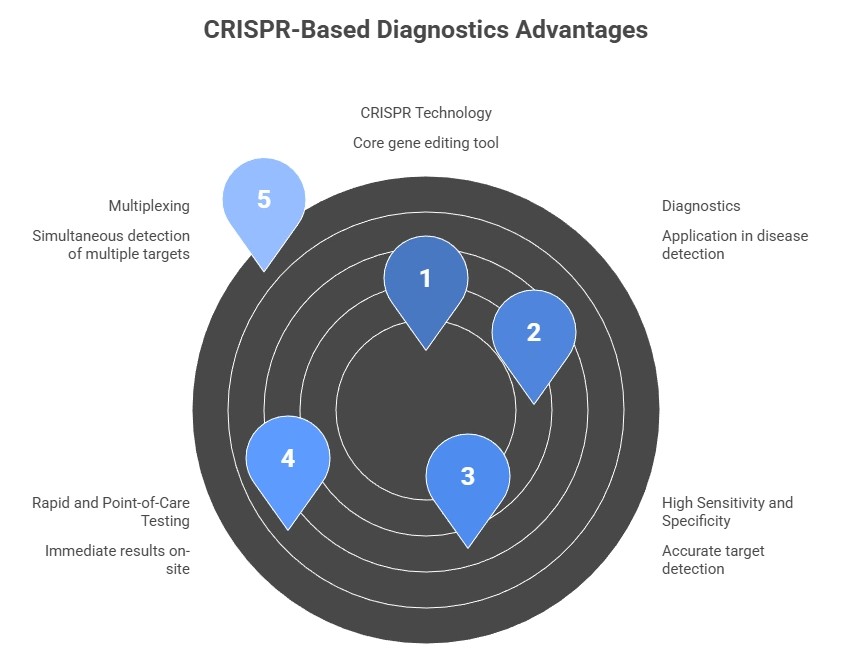
High Sensitivity and Specificity: Detects minute viral or cancer signals missed by Pap smears.
Fast Results: From hours instead of days.
Precision Screening: Identifies HPV subtypes and early cancer biomarkers.
Cost-Effective: Pilot tests cost less than $10.
Portable: Ideal for low-resource areas.
CRISPR vs Traditional Screening Methods
Screening Method
Sensitivity
Time
Cost
Invasiveness
CRISPR Test
90–97%
1–2 hours
<$10
Non-invasive
Pap Smear
60–80%
Days
$20–50
Mild
HPV DNA Test
~90%
Hours
$50–100
Mild
Colposcopy/Biopsy
95%+
Days
$200–500
Moderate
CRISPR tests outperform traditional methods in speed, affordability, and early detection capability, making them especially useful in underserved communities.
Recent Research and Developments
High-Risk HPV Detection: A 2023 study in Science Translational Medicine showed a CRISPR-Cas12a assay detecting HPV16/18 with 97% sensitivity and 100% specificity.
Cancer Biomarker Screening: CRISPR assays now detect E6/E7 oncogenes and methylation changes in genes like p16INK4a.
Point-of-Care Applications: Pilot programs in Kenya and India used portable CRISPR devices to screen women, increasing coverage and reducing unnecessary biopsies by 40–50%.
AI Integration: CRISPR outputs combined with AI models can predict cancer progression with over 90% accuracy, enabling precision screening.
Global and U.S. Health Impact
Cervical cancer affects 600,000 women worldwide, with most deaths in low-resource regions due to lack of screening. CRISPR tests could:
Increase Screening Coverage: Portable devices enable home or mobile clinic testing.
Reduce Healthcare Costs: Shifting from late-stage treatment to early detection saves billions.
Support Vaccine Monitoring: CRISPR can track HPV strains not covered by current vaccines.
Improve Equity: Women in rural or underserved areas gain access to high-quality screening.
In the U.S., CRISPR tests could complement existing screening programs, improve early detection, and help prevent cancer progression.
Challenges and Considerations
While promising, CRISPR tests face several hurdles:
Regulatory Approval: FDA approval for primary cervical cancer screening is still pending.
Training and Implementation: Requires skilled personnel for accurate use in clinics.
False Positives: Detects transient HPV infections that may not lead to cancer.
Data Privacy: Handling genetic information must comply with HIPAA regulations.
Cost and Accessibility: Initial device costs range from $500–$2000, though per-test cost remains low.
The Future of CRISPR in Cervical Cancer Screening
CRISPR-based diagnostics are poised to transform cervical cancer prevention:
Rapid, low-cost, point-of-care testing for early detection
Integration with AI for automated interpretation
Multiplex detection of HPV subtypes, cancer stages, and immune markers
Therapeutic applications targeting viral oncogenes in the future
By 2030, these technologies could help the U.S. and the world move closer to eliminating cervical cancer, aligning with WHO’s cervical cancer elimination goals.
Frequently Asked Questions
1. Can CRISPR tests replace Pap smears? Not yet. They are a complementary tool for early HPV and biomarker detection.
2. How fast are results? Typically 30 minutes to 2 hours, depending on the device.
3. Are CRISPR tests available at home? Portable devices are in trials. Home-based self-collection is possible with professional oversight.
4. Are these tests FDA-approved? Not for primary screening. Approval is expected in the next few years based on ongoing clinical trials.
Conclusion
CRISPR tests for cervical cancer represent a new frontier in early detection, combining speed, accuracy, and accessibility. For women in the U.S., integrating CRISPR diagnostics with traditional screening methods could save lives, reduce unnecessary procedures, and expand preventive care access — especially in underserved areas.
As technology advances, CRISPR is not just a test — it is a game-changer for women’s health, offering hope for a future where cervical cancer becomes preventable and treatable at its earliest stages.
Dr. Mohammed Abdul Azeem Siddiqui, MBBS, M.Tech (Biomedical Engineering – VIT, Vellore)Registered Medical Practitioner – Reg. No. 39739Physician • Clinical Engineer • Preventive Diagnostics Specialist Dr. Mohammed Abdul Azeem Siddiqui is a physician–engineer with over 30 years of dedicated clinical and biomedical engineering experience, committed to transforming modern healthcare from late-stage disease treatment to early detection, preventive intelligence, and affordable medical care. He holds an MBBS degree in Medicine and an M.Tech in Biomedical Engineering from VIT University, Vellore, equipping him with rare dual expertise in clinical medicine, laboratory diagnostics, and medical device engineering. This allows him to translate complex laboratory data into precise, actionable preventive strategies. Clinical Mission Dr. Siddiqui’s professional mission centers on three core pillars: Early Disease Detection Identifying hidden biomarker abnormalities that signal chronic disease years before symptoms appear — reducing complications, hospitalizations, and long-term disability. Preventive Healthcare Guiding individuals and families toward longer, healthier lives through structured screenings, lifestyle intervention frameworks, and predictive diagnostic interpretation. Affordable Evidence-Based Treatment Delivering cost-effective, scientifically validated care accessible to people from all socioeconomic backgrounds. Clinical & Technical Expertise Across three decades of continuous practice, Dr. Siddiqui has worked extensively with: Advanced laboratory analyzers and automation platforms
• Cardiac, metabolic, renal, hepatic, endocrine, and inflammatory biomarker systems
• Preventive screening and early organ damage detection frameworks
• Clinical escalation pathways and diagnostic decision-support models
• Medical device validation, calibration, compliance, and patient safety standards He is recognized for identifying subclinical biomarker shifts that predict cardiovascular disease, diabetes, fatty liver, kidney disease, autoimmune inflammation, neurodegeneration, and accelerated biological aging long before conventional diagnosis. Role at IntelliNewz At IntelliNewz, Dr. Siddiqui serves as Founder, Chief Medical Editor, and Lead Clinical Validator. Every article published is: Evidence-based
• Clinically verified
• Technology-grounded
• Free from commercial bias
• Designed for real-world patient and physician decision-making Through his writing, Dr. Siddiqui shares practical health intelligence, early warning signs, and preventive strategies that readers can trust — grounded in decades of frontline medical practice. Contact: powerofprevention@outlook.com 📌 Disclaimer: The content on IntelliNewz is intended for educational purposes only and does not replace personalized medical consultation. For individual health concerns, please consult your physician.