
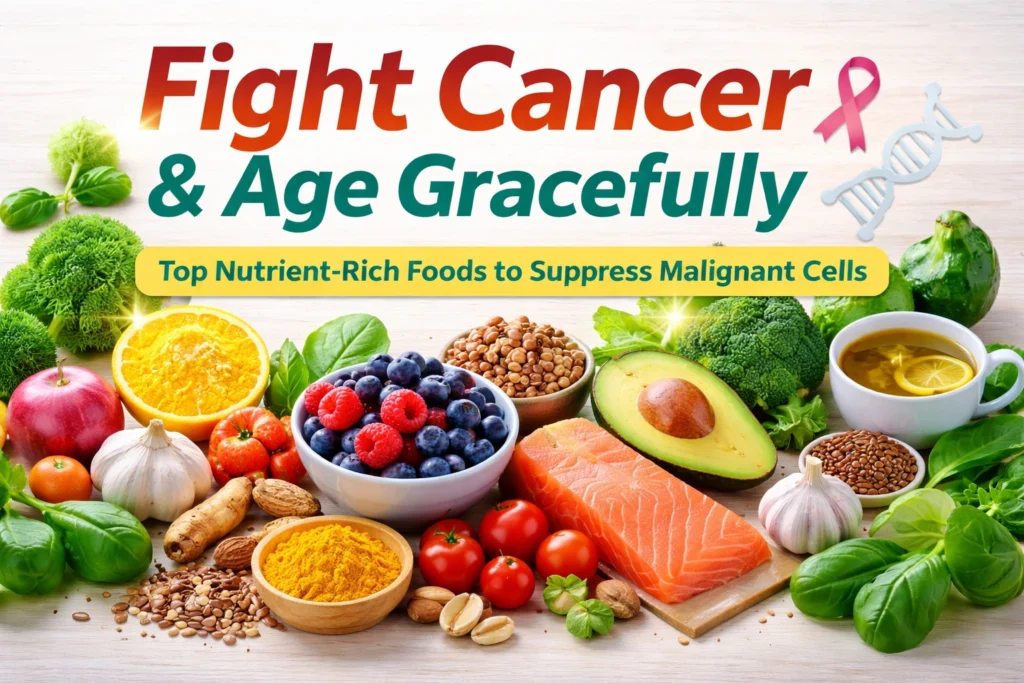

The relationship between diet and cancer is one of the most compelling and extensively researched areas in modern nutritional science. While no single food can guarantee protection against cancer, a growing body of evidence demonstrates that certain dietary patterns and specific foods can create a cellular environment that is hostile to cancer development and progression.
This article explores the detailed mechanisms by which various foods exert their anticancer effects, drawing on recent scientific literature to provide a comprehensive guide to nutrition for cancer prevention.
Understanding How Cancer Cells Grow
Before delving into specific foods, it is essential to understand what makes cancer cells different from normal cells and how dietary interventions can exploit these differences.
The Unique Biology of Cancer Cells
Cancer cells are characterized by uncontrolled growth and division, resulting from genetic mutations that disrupt normal cellular regulation. Unlike normal cells, which follow a carefully orchestrated cell cycle with checkpoints to prevent errors, cancer cells bypass these controls and proliferate without restraint .
One of the fundamental differences lies in cancer cell metabolism. Most cancer cells exhibit what is known as the Warburg effect—they consume glucose at dramatically higher rates than normal cells, even in the presence of oxygen. This metabolic reprogramming provides cancer cells with the building blocks they need for rapid proliferation .
The Role of Inflammation and Oxidative Stress
Chronic inflammation and oxidative stress create an environment conducive to cancer development. When cells are under constant oxidative assault from free radicals, DNA damage accumulates, increasing the likelihood of mutations that can lead to cancer. Dietary factors play a crucial role in modulating both inflammation and oxidative stress .
The Scientific Foundation of Anticancer Nutrition
Extensive epidemiological research has established clear links between dietary patterns and cancer risk. The European Prospective Investigation into Cancer and Nutrition (EPIC), one of the largest studies of diet and cancer, followed over 500,000 participants across Europe and provided robust evidence that plant-based dietary patterns are associated with lower cancer incidence .
The World Cancer Research Fund estimates that approximately 20% of all cancers could be prevented through optimal diet and nutrition . Regional differences in cancer rates further support this premise—populations in Southern Europe and Southeast Asia, where plant-based diets are common, generally have lower cancer rates compared to more industrialized regions like Northern Europe and North America .
Key Foods with Demonstrated Anticancer Properties
Cruciferous Vegetables: The Power of Sulforaphane
Cruciferous vegetables—including broccoli, cauliflower, cabbage, kale, and Brussels sprouts—are among the most thoroughly studied foods for cancer prevention. These vegetables contain glucosinolates, sulfur-containing compounds that are converted into bioactive molecules like sulforaphane when the plant is chopped or chewed .
Sulforaphane exerts multiple anticancer effects:
- Enhances detoxification enzymes that help eliminate carcinogens from the body
- Induces apoptosis (programmed cell death) in cancer cells
- Inhibits angiogenesis—the formation of new blood vessels that tumors need to grow
- Modulates epigenetic marks that can silence genes involved in cancer development
Research published in the Journal of Nutritional Oncology highlights that cruciferous vegetables target multiple cancer types, including breast, colorectal, lung, prostate, and stomach cancers .
Berries: Anthocyanins and Beyond
Berries—strawberries, blueberries, raspberries, and blackberries—are rich in anthocyanins, the pigments responsible for their deep colors. These compounds demonstrate potent anticancer activities through multiple mechanisms .
The anticancer effects of berries include:
- Powerful antioxidant activity that neutralizes free radicals before they can damage DNA
- Anti-inflammatory effects that reduce cancer-promoting inflammation
- Inhibition of cancer cell proliferation through regulation of cell cycle pathways
- Induction of apoptosis in malignant cells
- Epigenetic regulation that can reactivate tumor suppressor genes
Studies have shown particular benefits for breast, colorectal, esophageal, and prostate cancers .
Tomatoes: Lycopene’s Protective Role
Tomatoes are the primary dietary source of lycopene, a carotenoid with significant anticancer properties. Cooking tomatoes actually increases the bioavailability of lycopene, making tomato sauces and pastes particularly valuable .
Lycopene acts through:
- Antioxidant effects that protect cells from oxidative damage
- Regulation of growth factor signaling in cancer cells
- Inhibition of cell cycle progression in malignant cells
- Modulation of immune function to enhance cancer surveillance
Allium Vegetables: Garlic and Onions
Garlic, onions, leeks, and shallots belong to the Allium family and contain organosulfur compounds responsible for their pungent aromas and health benefits. When garlic is crushed or chopped, it releases allicin, a compound with documented anticancer effects .
Research demonstrates that allicin and other Allium compounds:
- Inhibit cancer cell proliferation by interfering with cell division
- Induce apoptosis through multiple signaling pathways
- Block the formation of carcinogens in the body
- Modulate immune function to enhance natural killer cell activity
Epidemiological studies have associated regular consumption of Allium vegetables with reduced risk of colorectal, stomach, and prostate cancers .
Soy and Isoflavones
Soybeans and soy-based foods contain isoflavones—phytoestrogens that have generated considerable research interest for their anticancer properties, particularly regarding hormone-related cancers .
The anticancer mechanisms of soy isoflavones include:
- Modulation of estrogen metabolism that may reduce breast cancer risk
- Inhibition of tyrosine kinases involved in cancer cell signaling
- Induction of apoptosis in cancer cells
- Anti-angiogenic effects that limit tumor blood supply
Contrary to early concerns, population studies consistently show that moderate consumption of whole soy foods is associated with reduced breast cancer risk, particularly in Asian populations with lifelong consumption patterns .
Turmeric: Curcumin’s Multi-Targeted Approach
Turmeric, the golden spice of Indian cuisine, contains curcumin—one of the most extensively studied natural compounds for cancer prevention. Curcumin demonstrates remarkable anticancer effects through multiple mechanisms .
Research shows that curcumin:
- Modulates over 100 different molecular targets involved in cancer development
- Inhibits NF-κB, a protein complex that controls inflammation and cancer cell survival
- Suppresses angiogenesis by downregulating vascular endothelial growth factor
- Induces apoptosis through both intrinsic and extrinsic pathways
- Sensitizes cancer cells to chemotherapy and radiation
Despite its poor bioavailability, curcumin’s effects are enhanced when consumed with black pepper, which contains piperine that significantly increases curcumin absorption .
Green Tea: Catechins and Epigenetics
Green tea is rich in catechins, particularly epigallocatechin-3-gallate (EGCG), which has demonstrated potent anticancer properties in laboratory studies .
EGCG acts through:
- Antioxidant effects that protect DNA from oxidative damage
- Inhibition of cancer cell proliferation through cell cycle arrest
- Induction of apoptosis via multiple signaling pathways
- Epigenetic modifications that can reactivate silenced tumor suppressor genes
- Anti-angiogenic effects that prevent tumor vascularization
Population studies in Asian countries, where green tea consumption is common, have shown associations with reduced risk of breast, prostate, and colorectal cancers .
Pomegranate: Ellagic Acid Benefits
Pomegranates contain ellagic acid and other ellagitannins that are metabolized by gut bacteria into urolithins—compounds with demonstrated anticancer activity .
The anticancer mechanisms include:
- Antioxidant and anti-inflammatory effects
- Inhibition of cancer cell proliferation
- Induction of apoptosis
- Anti-angiogenic activity
- Modulation of hormone signaling
Mushrooms: Immune Modulation
Medicinal mushrooms, including shiitake, reishi, and maitake, contain beta-glucans and other compounds that enhance immune function and directly inhibit cancer cell growth .
Research demonstrates that mushroom compounds:
- Activate immune cells including macrophages, natural killer cells, and T-cells
- Stimulate cytokine production that enhances immune surveillance
- Inhibit tumor growth through direct effects on cancer cells
- Reduce chemotherapy side effects when used as adjunctive therapy
Mediterranean Diet Components
The Mediterranean dietary pattern, characterized by high consumption of fruits, vegetables, whole grains, legumes, nuts, and olive oil, with moderate fish and poultry intake, has been associated with reduced cancer risk .
Key components include:
- Olive oil’s polyphenols that reduce inflammation and oxidative stress
- Fatty fish’s omega-3 fatty acids that modulate inflammatory pathways
- Nuts and seeds providing vitamin E and other antioxidants
- Red wine in moderation offering resveratrol from grapes
Fermented Plant-Based Foods
Emerging research suggests that fermentation enhances the anticancer properties of plant foods. A 2025 study published in Foods examined fermented tiger nut, carob, and rice beverages and found that fermentation significantly increased their antiproliferative activity against colorectal cancer cells .
Fermented tiger nut beverage demonstrated remarkable effects:
- Reduced cancer cell viability from 77.4% to 39.6%
- Induced apoptosis in 76.9% of cancer cells
- Caused extensive DNA fragmentation in cancer cells
Fermented carob beverage worked through different mechanisms, inducing cell cycle arrest without oxidative stress, demonstrating that different fermented foods may target cancer through complementary pathways .
Betalain-Containing Foods
Betalains are pigments found in beets and prickly pear cactus that give these foods their vibrant red and purple colors. A comprehensive review published in 2025 highlighted their antitumoral potential, with studies showing that betanin can reduce malignant cells by up to 65% in laboratory settings .
Betalains act through:
- Activation of caspases that execute apoptosis
- Antioxidant effects that protect healthy cells
- Modulation of inflammatory pathways
Mechanisms of Action: How Foods Fight Cancer
Antioxidant Effects
Many phytochemicals function as antioxidants, neutralizing free radicals before they can damage DNA and initiate carcinogenesis. However, the story is more complex than simple antioxidant activity—many plant compounds actually induce mild oxidative stress in cancer cells, pushing them toward apoptosis while leaving healthy cells unharmed .
Anti-Inflammatory Effects
Chronic inflammation creates an environment conducive to cancer development. Many dietary compounds, including curcumin, resveratrol, and omega-3 fatty acids, suppress inflammatory pathways that promote tumor growth .
Modulation of Cell Cycle and Apoptosis
Cancer cells evade the normal controls on cell division and resist programmed cell death. Numerous phytochemicals restore these controls by:
- Arresting the cell cycle at specific checkpoints
- Activating apoptotic pathways that cancer cells have suppressed
- Inhibiting survival signals that keep cancer cells alive
Inhibition of Angiogenesis
For tumors to grow beyond a microscopic size, they must develop their own blood supply—a process called angiogenesis. Compounds in foods like green tea, berries, and soy inhibit angiogenesis, starving tumors of nutrients and oxygen .
Epigenetic Regulation
Emerging research reveals that dietary compounds can influence gene expression without changing DNA sequence. This field of nutrigenomics shows that:
- Sulforaphane from broccoli can reactivate silenced tumor suppressor genes
- Curcumin modifies histone acetylation patterns
- Green tea catechins affect DNA methylation
Enhanced Detoxification
Many phytochemicals, particularly those in cruciferous vegetables and Allium family, induce phase II detoxification enzymes that help the body eliminate carcinogens before they can cause damage .
Foods to Limit
While emphasizing protective foods is important, reducing exposure to cancer-promoting foods is equally crucial.
Processed Meats
The World Health Organization classifies processed meats as carcinogenic to humans, with strong evidence linking consumption to colorectal cancer. The preservatives used in processing, particularly nitrates and nitrites, can form carcinogenic N-nitroso compounds in the body .
Red Meat
High consumption of red meat is associated with increased cancer risk, particularly colorectal cancer. The mechanisms may involve heme iron, heterocyclic amines formed during high-temperature cooking, and N-nitroso compound formation .
Ultra-Processed Foods
Diets high in ultra-processed foods contribute to obesity, inflammation, and metabolic dysfunction—all risk factors for cancer. These foods are typically low in protective phytochemicals and high in sugar, unhealthy fats, and sodium .
Alcohol
Alcohol consumption is causally linked to several cancers, including breast, liver, colorectal, and esophageal cancers. Alcohol metabolism produces acetaldehyde, which damages DNA, and also impairs nutrient absorption .
Practical Dietary Recommendations
Building an Anticancer Plate
A practical approach to anticancer eating involves:
- Filling half your plate with colorful vegetables and fruits
- Including cruciferous vegetables several times weekly
- Adding Allium vegetables to meals regularly
- Using herbs and spices liberally, especially turmeric, ginger, and garlic
- Choosing plant proteins like legumes and soy foods
- Incorporating fermented foods for gut health and enhanced phytochemical activity
- Drinking green tea as a beverage of choice
- Limiting red meat to occasional consumption
- Avoiding processed meats entirely
The Importance of Variety
No single food provides all protective compounds. The synergistic effects of consuming diverse phytochemicals likely exceed the sum of individual benefits. Aim for a rainbow of colors on your plate to ensure exposure to different classes of protective compounds .
Whole Foods vs. Supplements
Research consistently shows that whole foods provide greater benefits than isolated supplements. The complex matrix of whole foods enhances bioavailability and provides synergistic combinations of compounds that work together. Supplements cannot replicate these effects and may even be harmful in high doses .
Special Considerations
Personalized Nutrition
Emerging research in nutrigenomics suggests that individual genetic variations influence how people respond to dietary compounds. Future cancer prevention strategies will likely incorporate genetic information to provide personalized dietary recommendations .
Cancer Patients
For individuals undergoing cancer treatment, nutrition plays a supportive role in maintaining strength, managing treatment side effects, and potentially enhancing treatment efficacy. However, cancer patients should consult with their oncology team before making significant dietary changes, as some supplements may interact with treatments .
Sustainability Considerations
The integration of agri-food by-products—peels, seeds, and pomace typically discarded—into the diet offers opportunities for both cancer prevention and environmental sustainability. These by-products often contain concentrated levels of bioactive compounds and represent an underutilized resource .
🔬 Cancer-Fighting Foods & Prevention FAQs
1. What kills cancer cells in the body naturally?
No single food “kills” cancer cells outright, but foods like broccoli, berries, garlic, turmeric, and green tea contain compounds that may slow cancer growth and support the body’s natural defense systems.
2. 16 cancer-causing foods to avoid
Highly processed meats, red meat (excess), sugary drinks, refined carbs, fried foods, alcohol, processed snacks, artificial trans fats, charred meats, high-salt foods, canned foods with BPA, ultra-processed foods, fast food, excess dairy (in some cases), artificial sweeteners (controversial), and mold-contaminated grains.
3. 5 worst foods for cancer
Processed meats, sugary beverages, deep-fried foods, ultra-processed snacks, and excessive alcohol are considered the most harmful when consumed regularly.
4. What are 15 foods that prevent cancer?
Broccoli, cauliflower, kale, spinach, berries, citrus fruits, tomatoes, garlic, onions, turmeric, green tea, nuts, seeds, whole grains, and fatty fish.
5. Natural foods that prevent cancer cells from growing
Plant-based foods rich in antioxidants and phytochemicals—such as leafy greens, berries, cruciferous vegetables, and legumes—help reduce inflammation and support cellular repair.
6. Breakfast foods that prevent cancer cells from growing
Oats with berries, green smoothies, nuts and seeds, whole-grain toast, yogurt with fruit, and green tea provide fiber, antioxidants, and anti-inflammatory benefits.
7. What foods stop cancer growth?
Foods like broccoli, turmeric, garlic, green tea, berries, and tomatoes may help slow cancer cell growth by reducing inflammation and oxidative stress.
8. How can I stop cancer cells from growing naturally?
Adopt a healthy lifestyle: eat a plant-rich diet, exercise regularly, maintain a healthy weight, avoid smoking, limit alcohol, and manage stress.
9. What are the top 10 cancer-fighting supplements?
Common supplements include vitamin D, curcumin, omega-3 fatty acids, green tea extract, selenium, zinc, probiotics, resveratrol, quercetin, and vitamin C (consult a doctor before use).
10. What can I drink to reduce cancer?
Green tea, herbal teas, fresh vegetable juices, and water with lemon are beneficial due to antioxidants and hydration support.
11. 7 fruits that kill cancer cells
Blueberries, strawberries, grapes, apples, citrus fruits, pomegranates, and cherries contain compounds that may protect against cancer.
12. What are the top 10 cancer-fighting foods?
Broccoli, berries, garlic, turmeric, green tea, tomatoes, nuts, leafy greens, whole grains, and fatty fish.
13. What are the top 5 cancer-fighting foods?
Broccoli, berries, garlic, turmeric, and green tea are among the most researched.
14. What food kills cancer cells in the body?
No single food can kill cancer cells, but a combination of nutrient-rich foods supports the body’s ability to fight abnormal cells.
15. What food prevents cancer the most?
There is no single food; a balanced diet rich in fruits, vegetables, whole grains, and healthy fats is most effective.
16. What are 10 ways to prevent cancer?
Healthy diet, regular exercise, no smoking, limit alcohol, maintain weight, sun protection, vaccinations (HPV, Hep B), reduce processed foods, manage stress, and regular screenings.
17. What is 90% of cancer caused by?
Most cancers are linked to lifestyle and environmental factors such as smoking, poor diet, obesity, infections, and exposure to toxins.
18. What foods are high risk for cancer?
Processed meats, charred foods, sugary drinks, ultra-processed foods, excessive alcohol, and foods high in trans fats are linked to increased cancer risk.
Conclusion
The evidence supporting the anticancer effects of specific foods is robust and growing. While no single food can prevent cancer, dietary patterns rich in plant-based functional foods—vegetables, fruits, legumes, whole grains, herbs, and spices—create an internal environment hostile to cancer development and progression.
The mechanisms through which these foods act are diverse and complementary: antioxidant protection, anti-inflammatory effects, modulation of cell cycle and apoptosis, inhibition of angiogenesis, epigenetic regulation, and enhanced detoxification of carcinogens. By understanding these mechanisms, we can appreciate how dietary choices influence cancer risk at the molecular level.
Importantly, cancer prevention through diet must be viewed within the context of overall lifestyle. Physical activity, maintaining healthy body weight, avoiding tobacco, limiting alcohol, and protecting against environmental carcinogens all work synergistically with a healthy diet to reduce cancer risk.
The future of nutritional oncology lies in personalized approaches based on individual genetic makeup, microbiome composition, and metabolic profiles. However, the fundamental message remains clear: a diet abundant in diverse plant foods, prepared in healthful ways, provides powerful protection against one of humanity’s most challenging diseases.
Disclaimer: This content is for informational purposes only and does not constitute medical advice. It is not intended to diagnose, treat, cure, or prevent any disease, including cancer. Always consult a qualified healthcare professional before making dietary or health changes