
Medically reviewed by Dr. Zehra Siddiqui, MSc, PhD
Last Updated: 2025-12-28
Introduction
Foraging is rewarding — but safety is non-negotiable.
“Most plant poisoning cases are due to harvesting from contaminated or misidentified plants.” — CDC Environmental Health

5 Non-Negotiable Safety Rules
| Rule | Why It Matters |
|---|---|
| Avoid sprayed lawns | Prevent chemical ingestion |
| Harvest young leaves | Lower toxin load |
| Wash thoroughly | Remove parasites & bacteria |
| Introduce slowly | Prevent digestive shock |
| Cross-verify ID | Prevent poisoning |
Safe Harvest Zones
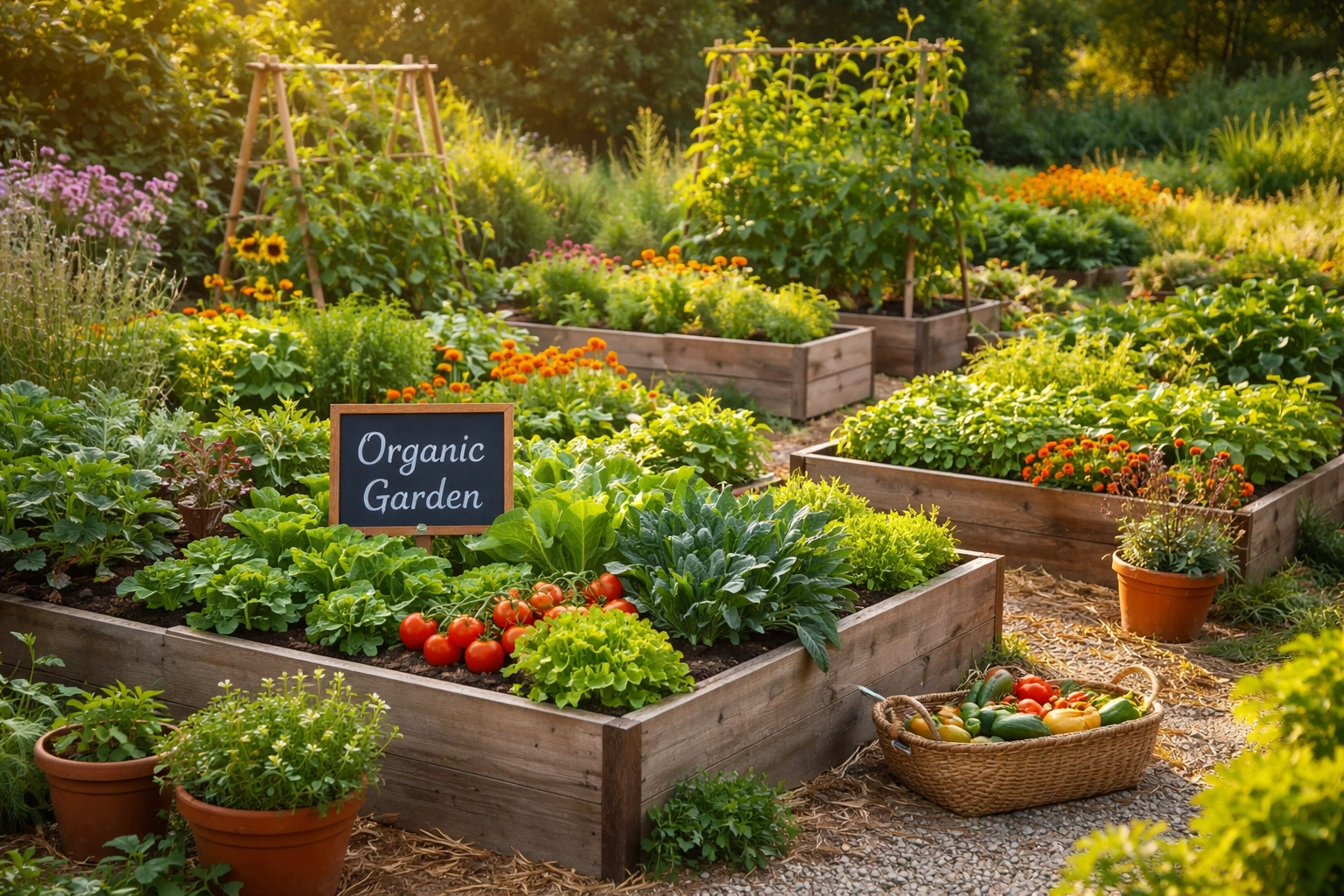
- Organic gardens
- Untreated yards
- Away from traffic pollution
“Plants absorb heavy metals from soil.” — Environmental Health Perspectives
Signs to Stop Eating
- Burning mouth
- Dizziness
- Severe cramps
- Rash
Backyard gardening and foraging are growing trends — but very few people realize that plants absorb not only nutrients from soil, but also heavy metals such as lead, cadmium, mercury, and arsenic.
These metals do not break down. Once absorbed, they accumulate inside plant tissues and can enter the human body through food — creating silent long-term health risks.
“Soil contamination is one of the most underestimated sources of chronic heavy metal exposure.” — Environmental Health Perspectives
This guide explains how plants absorb heavy metals, which plants accumulate them most, how to reduce risk, and what areas should never be used for growing edible plants.
How Plants Absorb Heavy Metals
Plants pull water and nutrients from soil through their roots. Unfortunately, heavy metals mimic essential minerals, so roots absorb them easily.
Once inside, metals are transported into:
- Leaves
- Stems
- Fruits
- Seeds
They cannot be washed off because they become part of the plant tissue itself.
“Leafy vegetables accumulate the highest heavy metal concentrations due to large surface area and rapid nutrient uptake.” — Journal of Environmental Sciences
Heavy Metals of Greatest Concern
| Heavy Metal | Common Sources | Health Effects |
|---|---|---|
| Lead (Pb) | Old paint, traffic fumes | Brain damage, anemia |
| Cadmium (Cd) | Fertilizers, batteries | Kidney damage |
| Mercury (Hg) | Industrial pollution | Nervous system toxicity |
| Arsenic (As) | Pesticides, groundwater | Cancer risk |
Plants That Accumulate Heavy Metals the Most
These plants absorb metals more aggressively:
| High Accumulators | Why |
|---|---|
| Spinach | Thin leaves, fast growth |
| Lettuce | High transpiration |
| Purslane | Strong mineral uptake |
| Kale | Deep root systems |
| Dandelion | Bio-accumulator species |
“Wild greens growing in urban soil often show metal levels several times higher than cultivated farmland produce.” — Environmental Pollution Journal
Areas You Should Never Harvest Edible Plants
Avoid harvesting from:
- Roadsides
- Old painted buildings
- Near factories
- Near construction waste
- Flood-prone land
Soils in these areas often contain lead, petroleum residues, and industrial metals.
Can Washing Remove Heavy Metals?
No. Washing removes surface dirt, bacteria, and parasites — but not internalized metals.
“Heavy metals incorporated into plant tissue cannot be removed by rinsing or cooking.” — World Health Organization
How to Reduce Your Risk
- Test soil before planting
- Use raised garden beds with clean soil
- Avoid wild foraging in urban zones
- Rotate crops
- Add organic matter to dilute contamination
Warning Signs of Chronic Heavy Metal Exposure
- Fatigue
- Brain fog
- Digestive distress
- Numbness
- Weak immunity
Long-term exposure can lead to neurological disorders, kidney disease, and cardiovascular issues.
Final Thoughts
Wild and backyard plants can be nutritional powerhouses — but only when grown in clean soil. Understanding soil safety is now a critical part of healthy eating.
Nature heals — but contaminated soil can silently harm.

Dr. Mohammed Abdul Azeem Siddiqui, MBBS
Registered Medical Practitioner (Reg. No. 39739)
With over 30 years of dedicated clinical experience, Dr. Siddiqui has built his career around one clear mission: making quality healthcare affordable, preventive, and accessible.
He is deeply passionate about:
Early disease diagnosis – empowering patients with timely detection and reducing complications.
Preventive healthcare – guiding individuals and families towards healthier, longer lives through lifestyle interventions and screenings.
Affordable treatments – ensuring cost-effective, evidence-based medical solutions that reach people from all walks of life.
Through his blog, Dr. Siddiqui shares practical health insights, early warning signs, and preventive strategies that readers can trust. Every article is rooted in evidence-based medicine and enriched by decades of hands-on clinical practice.
EMAIL: powerofprevention@outlook.com
📌 Disclaimer: The content in this blog is for educational purposes only and should not replace personalized medical consultation. For specific health concerns, please consult your physician.
Leave a Reply