
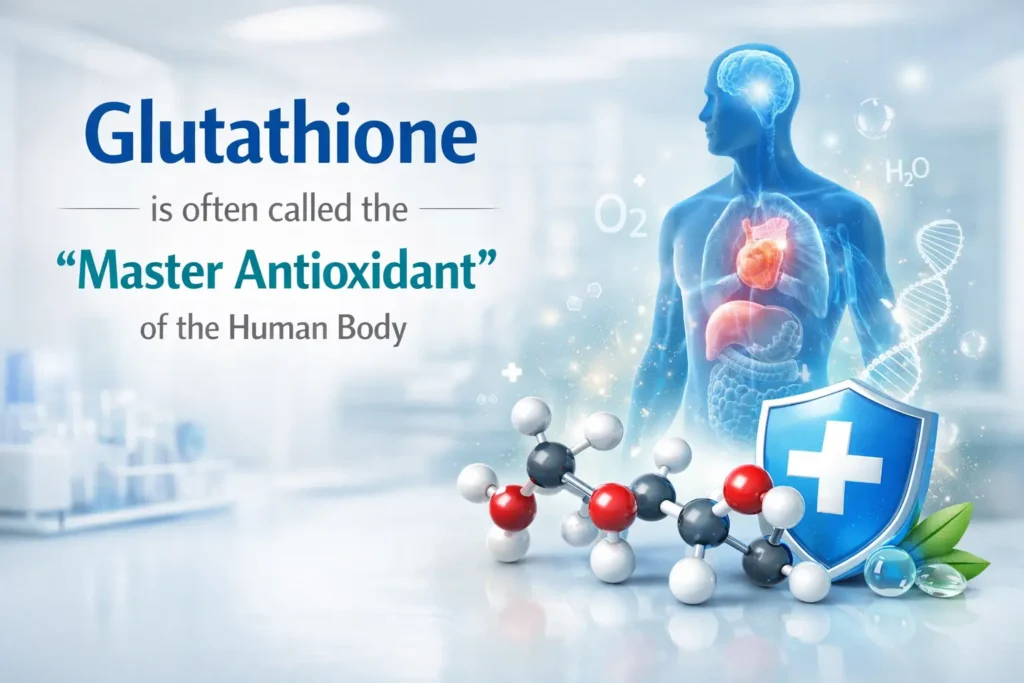

Glutathione is often called the “master antioxidant” of the human body. It is a naturally occurring molecule made from three amino acids—glutamine, cysteine, and glycine. Glutathione plays a vital role in detoxification, immune function, liver health, and protection against oxidative stress.
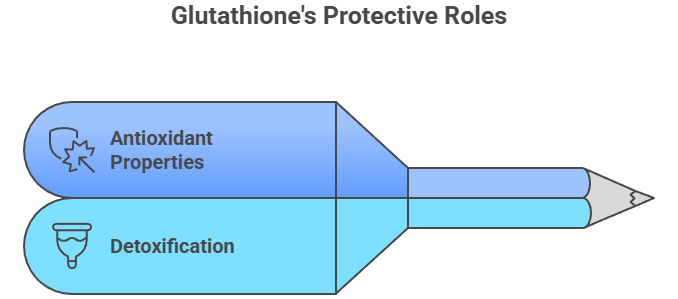
As we age, or due to illness, pollution, stress, or poor lifestyle habits, glutathione levels can decline. In certain medical and clinical situations, glutathione supplementation may be recommended under professional guidance.
This article explains the clinical indications for glutathione supplementation, in simple language, with real-life examples and scientific references.
Glutathione is a naturally occurring antioxidant found in every cell of the human body. It plays a central role in detoxification, immune regulation, cellular repair, and protection against oxidative stress. Because of these essential functions, glutathione has become an important topic in preventive and integrative medical care.
In certain clinical situations, glutathione levels may be reduced, and supplementation may be considered as an adjunctive therapy under qualified medical supervision. This article outlines the clinical indications for glutathione supplementation in clear, patient-friendly language, suitable for readers in the United States and worldwide.
What Is Glutathione?
Expert Clinical Perspective
“In clinical practice, glutathione deficiency is often underestimated, despite its central role in detoxification, mitochondrial function, and immune resilience.”
— Dr. Mohammed Abdul Azeem Siddiqui
Glutathione is a tripeptide composed of:
- Glutamine
- Cysteine
- Glycine
It is highly concentrated in the liver, lungs, brain, and immune cells. Often referred to as the “master antioxidant,” glutathione helps protect the body from environmental toxins, metabolic waste, infections, and age-related cellular damage.
Why Glutathione Levels May Decline
Reduced glutathione levels have been observed in association with:
- Aging
- Chronic medical conditions
- Liver disease
- Diabetes and metabolic disorders
- High stress levels
- Smoking or alcohol use
- Environmental pollution
- Certain prescription medications
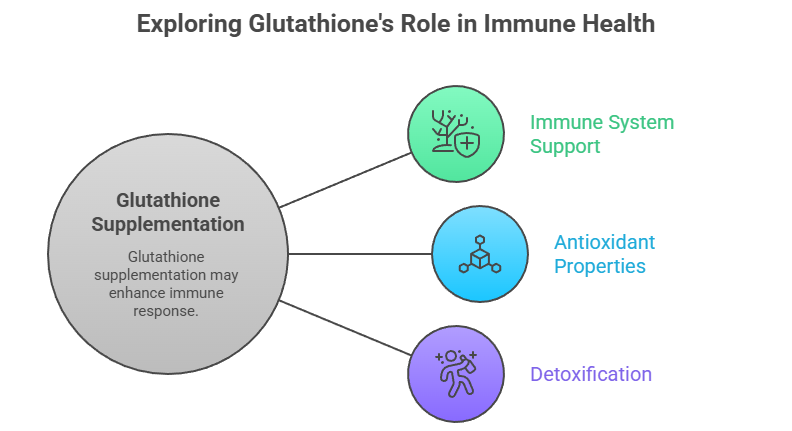
Low glutathione levels can impair the body’s ability to manage oxidative stress and inflammation.
Clinical Indications for Glutathione Supplementation
1. Liver Health and Detoxification Support
Common clinical considerations include:
- Non-alcoholic fatty liver disease (NAFLD)
- Alcohol-related liver stress
- Medication-related liver strain
- Chronic toxin exposure
Clinical relevance:
The liver relies heavily on glutathione for detoxification processes. In liver dysfunction, glutathione reserves may be significantly depleted.
Clinical example:
Patients with elevated liver enzymes related to fatty liver disease may be evaluated for antioxidant support, including glutathione, as part of a comprehensive care plan.
2. Conditions Involving Oxidative Stress
Clinical considerations include:
- Type 2 diabetes
- Cardiovascular disease
- Chronic inflammatory conditions
- Metabolic syndrome
[doctor_qa_carousel]
Clinical relevance:
Oxidative stress contributes to tissue damage and disease progression. Glutathione helps neutralize free radicals and supports cellular protection.
3. Immune System Support
Clinical considerations include:
- Recurrent infections
- Prolonged recovery after illness
- Reduced immune resilience
Clinical relevance:
Glutathione supports immune cell activity, including T-lymphocytes and natural killer cells, which are essential for normal immune response.
4. Neurological and Cognitive Health
Clinical considerations include:
- Parkinson’s disease
- Alzheimer’s disease
- Age-related cognitive decline
Clinical relevance:
The brain is particularly sensitive to oxidative damage. Reduced glutathione levels have been documented in several neurodegenerative conditions.
5. Skin Health and Pigmentation Concerns
Clinical considerations include:
- Hyperpigmentation
- Melasma
- Photoaging
- Uneven skin tone
Clinical relevance:
Glutathione plays a role in reducing oxidative skin damage and influencing melanin production. Any use for skin-related concerns should be medically supervised.
6. Respiratory Health
Clinical considerations include:
- Asthma
- Chronic obstructive pulmonary disease (COPD)
- Long-term exposure to air pollution
Clinical relevance:
Glutathione helps protect lung tissue from oxidative injury caused by pollutants and inflammation.
7. Aging and General Wellness (Adjunctive Use)
Clinical considerations include:
- Declining antioxidant capacity with age
- Fatigue related to oxidative stress
- Reduced cellular repair mechanisms
Clinical relevance:
Natural glutathione synthesis declines with age, which may affect overall resilience and recovery.
Forms of Glutathione Used in Clinical Settings
- Oral glutathione supplements
- Liposomal glutathione
- Intravenous (IV) glutathione (administered in a medical setting)
- Glutathione precursors such as N-acetylcysteine (NAC)
Selection depends on the clinical indication, patient history, and provider judgment.
Safety and Regulatory Considerations (U.S. & Global)
- In the United States, dietary supplements are regulated under the Dietary Supplement Health and Education Act (DSHEA)
- Glutathione supplements are not FDA-approved to diagnose, treat, cure, or prevent disease
- IV glutathione should only be administered by licensed healthcare professionals
- Supplementation should complement—not replace—standard medical care
Glutathione supplementation may be clinically relevant in conditions involving oxidative stress, liver dysfunction, immune imbalance, neurological health concerns, and aging-related decline. When used appropriately and under medical supervision, it can serve as a supportive component of patient-centered care.
Patients should consult a qualified healthcare provider to determine whether glutathione supplementation is appropriate for their individual health needs.
FAQs:1. What is the indication of glutathione?
Glutathione (GSH) is a tripeptide composed of glutamine, cysteine, and glycine, functioning as the body’s master antioxidant. It protects cells from oxidative stress, detoxifies harmful substances, and supports immune function.
Clinical indications include:
- Oxidative stress-related conditions:
- Chronic diseases like diabetes, cardiovascular disease, neurodegenerative disorders (e.g., Parkinson’s, Alzheimer’s)
- Liver dysfunction or toxic overload
- Skin lightening / pigmentation disorders:
- Used in some clinical or cosmetic settings for melasma, hyperpigmentation, although this is more controversial.
- Detoxification support:
- Acetaminophen overdose: IV glutathione or its precursor N-acetylcysteine (NAC) is life-saving in acetaminophen toxicity.
- Chronic heavy metal exposure (arsenic, mercury) may benefit indirectly via antioxidant pathways.
- Adjunctive therapy in chronic infections or immune compromise:
- Some studies suggest improved immune cell function in HIV or chronic viral hepatitis.
- Adjunct in chemotherapy or radiation therapy:
- Can help reduce oxidative damage and support liver function during treatment.
Key point: Oral supplementation is sometimes less effective than IV or liposomal forms because glutathione is partially degraded in the gut.
2. Is glutathione safe for pregnant women?
The safety of glutathione in pregnancy is not fully established.
- Current evidence:
- No large-scale randomized trials in pregnant women.
- Glutathione is naturally produced in the body and is part of normal cellular metabolism, so dietary sources are generally safe.
- Caution:
- High-dose IV glutathione or supplements for skin lightening are not routinely recommended during pregnancy.
- Safety concerns revolve around unknown effects on fetal oxidative balance and immune system development.
Bottom line: Pregnant women should only take glutathione under specialist supervision, preferably via dietary support rather than high-dose supplementation.
3. Who needs to supplement with glutathione?
Not everyone needs supplementation. It is usually considered in:
- People with chronic oxidative stress:
- Smokers, heavy alcohol users, or those exposed to environmental toxins
- Patients with liver disease:
- Chronic hepatitis, non-alcoholic fatty liver disease, cirrhosis
- People with autoimmune or chronic inflammatory conditions:
- Rheumatoid arthritis, chronic fatigue syndrome, neurodegenerative disorders
- Those with documented glutathione deficiency:
- Rare genetic disorders like Glutathione synthetase deficiency
- Aging population:
- Glutathione levels naturally decline with age; supplementation may help improve antioxidant defense and cellular health.
- Adjunct therapy for certain medical treatments:
- Chemotherapy, radiation therapy, acetaminophen overdose (IV route)
Note: Supplementation should be personalized; blanket use is not necessary or recommended.
4. Why do doctors prescribe glutathione?
Doctors prescribe glutathione for several therapeutic reasons:
- Medical therapy:
- IV glutathione in acetaminophen toxicity or liver injury
- Adjunct for chemotherapy or radiation to reduce oxidative stress
- Antioxidant support:
- In conditions associated with chronic oxidative stress, e.g., diabetes, cardiovascular disease, neurodegeneration
- Detoxification:
- To enhance the body’s natural detoxification pathways for heavy metals or toxins
- Skin or cosmetic indications (select cases):
- For hyperpigmentation or melasma, sometimes prescribed under clinical supervision
Important: Many cosmetic uses are off-label, and evidence varies. Doctors generally weigh benefits vs risks before prescribing high-dose or IV glutathione.
Conclusion: Glutathione supplementation has well-recognized clinical indications, particularly in liver disorders, immune dysfunction, oxidative stress-related conditions, neurological diseases, and skin health concerns. When used responsibly and under medical supervision, it can serve as a valuable supportive therapy in modern clinical practice. Patients are advised to consult a qualified healthcare provider to determine whether glutathione supplementation is appropriate for their individual health needs.References
- Lu SC. Glutathione synthesis and liver health. Biochim Biophys Acta. 2013.
- Pizzorno J. Glutathione and chronic disease. Integrative Medicine. 2014.
- Dröge W, Breitkreutz R. Glutathione and immune function. Proc Nutr Soc. 2000.
- Müller T et al. Glutathione deficiency in Parkinson’s disease. Neurosci Lett. 2004.
- Weschawalit S et al. Glutathione and skin health. Clin Cosmet Investig Dermatol. 2017.
- Rahman I, MacNee W. Oxidative stress and respiratory disease. Eur Respir J. 2000.
Medical Disclaimer
This content is intended for educational purposes only. It does not constitute medical advice and should not replace consultation with a licensed healthcare provider.

Clinical Indications for Glutathione: The Master Antioxidant Explained
Glutathione is often called the “master antioxidant” of the human body. It protects cells from oxidative stress, supports liver detoxification, and boosts immune health. Learn who should supplement, why doctors prescribe it, and safety considerations during pregnancy.
FAQs: Glutathione – The Master Antioxidant
Glutathione is primarily indicated for protecting cells from oxidative stress and supporting detoxification. Doctors use it in liver disorders, chronic diseases like diabetes or neurodegeneration, and to reduce chemotherapy-induced oxidative damage. It also helps in conditions with high oxidative stress and supports overall immune health.
While glutathione is naturally present in the body, high-dose supplementation, especially IV or cosmetic doses, is not recommended during pregnancy. Dietary sources of glutathione are generally safe, but pregnant women should always consult a doctor before supplementation.
Supplementation is usually considered for individuals with chronic oxidative stress (smokers, alcohol users, environmental toxin exposure), patients with liver disease or autoimmune conditions, older adults as glutathione levels naturally decline with age, those undergoing chemotherapy or radiation therapy, and people with documented glutathione deficiency.
Doctors prescribe glutathione to protect the liver in cases of drug-induced injury or toxicity, enhance detoxification of toxins and heavy metals, support antioxidant defenses in chronic diseases, and occasionally, in a controlled clinical setting, to improve skin pigmentation disorders.