
Urban lifestyles hide silent nutrient deficiencies—choline, selenium, chromium, magnesium, and iodine. Learn signs, sources, and how to protect your health.”
In today’s fast-paced urban lifestyle, we often focus on calories, protein, and vitamins—but hidden nutrient deficiencies silently erode health without obvious warning signs. Research shows that choline, selenium, chromium, magnesium, and iodine are among the most overlooked nutrients in city dwellers’ diets. The consequences? Fatigue, brain fog, metabolic imbalance, and long-term disease risks. Let’s uncover how these silent deficiencies impact urban health and what you can do to protect yourself.
🌆 Why Urban Populations Are at Risk
Living in cities brings convenience—but also hidden risks:
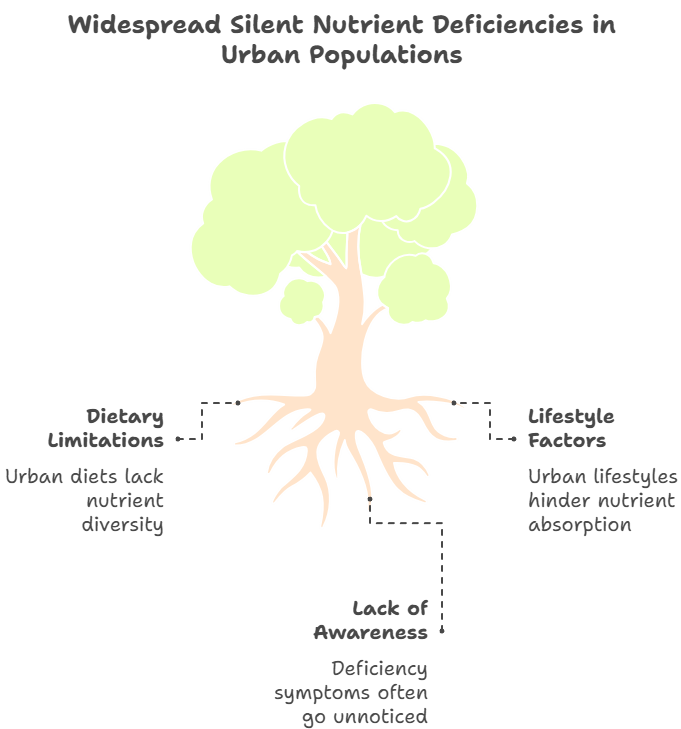
- Processed foods dominate diets, stripping away trace minerals.
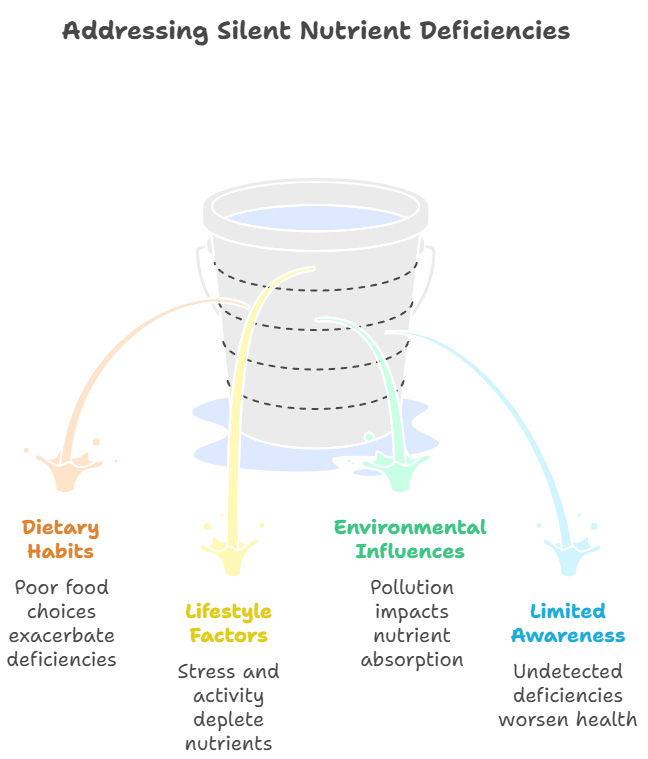
- High stress and pollution increase nutrient demands.
- Sedentary lifestyles reduce metabolic efficiency.
- Limited sunlight and soil depletion lower natural nutrient content in food.
The result? Even people who “eat well” may unknowingly be deficient in critical micronutrients.
🧠 Choline: The Brain’s Memory Nutrient
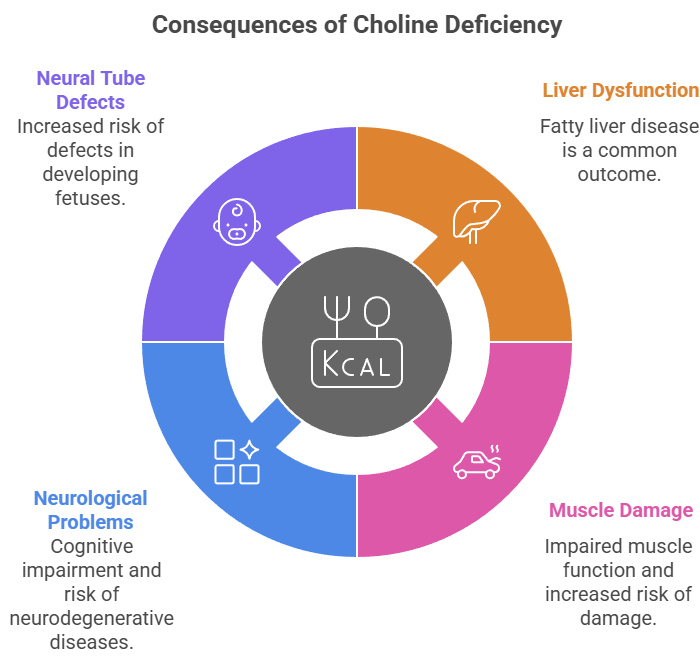
- Role: Essential for brain development, neurotransmitter function, and liver health.
- Urban challenge: Low intake from diets lacking eggs, fish, and organ meats.
- Deficiency signs: Memory issues, mood swings, liver fat accumulation.
- Sources: Eggs, salmon, chicken, soybeans, cauliflower.
👉 Power tip: Add 2 boiled eggs or a cup of soy milk daily for a choline boost.

⚡ Selenium: The Antioxidant Protector
- Role: Shields cells from oxidative stress, supports thyroid health, and immunity.
- Urban challenge: Selenium levels in crops are falling due to soil depletion.
- Deficiency signs: Weak immunity, hair loss, thyroid imbalance, fatigue.
- Sources: Brazil nuts (just 1–2 per day covers needs), fish, mushrooms, whole grains.
👉 Power tip: Swap processed snacks with a handful of selenium-rich nuts.
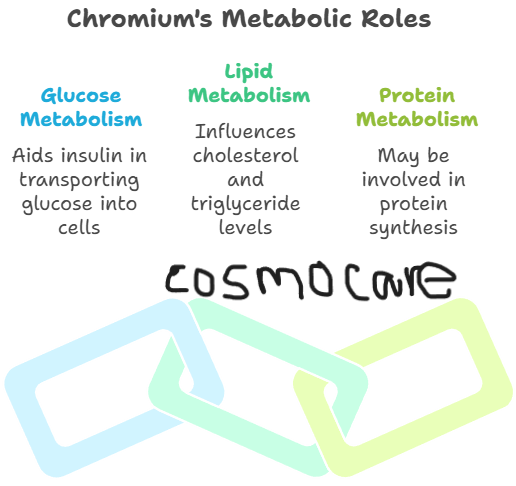
🔄 Chromium: The Blood Sugar Balancer
- Role: Helps insulin regulate blood glucose and supports energy metabolism.
- Urban challenge: Refined carbs and sugar dominate urban diets, increasing chromium demand while lowering intake.
- Deficiency signs: Sugar cravings, fluctuating energy, insulin resistance risk.
- Sources: Broccoli, whole grains, apples, nuts, green beans.
👉 Power tip: Replace sugary beverages with green tea and chromium-rich fruits.
💪 Magnesium: The Stress Mineral
- Role: Involved in 300+ biochemical reactions, including muscle relaxation, sleep, and heart rhythm.
- Urban challenge: High caffeine, alcohol, and stress drain magnesium reserves.
- Deficiency signs: Anxiety, insomnia, muscle cramps, irregular heartbeat.
- Sources: Pumpkin seeds, spinach, almonds, dark chocolate, avocados.
👉 Power tip: A bedtime snack of magnesium-rich nuts can improve sleep quality.
🦋 Iodine: The Thyroid’s Lifeline
- Role: Critical for thyroid hormone production and metabolism regulation.
- Urban challenge: Many people avoid iodized salt or rely on fast foods with non-iodized salt.
- Deficiency signs: Goiter, weight fluctuations, brain fog, fatigue.
- Sources: Iodized salt, seaweed, fish, dairy.
👉 Power tip: Choose iodized salt consciously, not just fancy gourmet salt.
🌱 How to Stay Protected
- Eat a whole-food diet rich in variety.
- Limit processed, packaged, and ultra-refined foods.
- Get regular blood tests for micronutrient status.
- Consult a medical practitioner before supplementation.
✅ Key Takeaway
Urban life silently robs us of choline, selenium, chromium, magnesium, and iodine, yet these nutrients are the pillars of brain power, energy balance, thyroid health, and disease prevention. By making small but powerful food choices, you can protect your long-term health and thrive in the city.
❓ Frequently Asked Questions (FAQs)
Q1: What are the most common silent nutrient deficiencies in urban populations?
The most overlooked deficiencies include choline, selenium, chromium, magnesium, and iodine. These nutrients are often missing due to processed diets, soil depletion, and lifestyle stress.
Q2: How do I know if I have a nutrient deficiency?
Early signs include fatigue, brain fog, mood changes, muscle cramps, thyroid issues, and sugar cravings. A simple blood test guided by your doctor can confirm deficiencies.
Q3: Can I get enough nutrients from food alone?
Yes, but only if your diet is rich in whole foods like eggs, nuts, leafy greens, seafood, and iodized salt. Urban diets heavy in processed foods often lack these essentials.
Q4: Should I take supplements for these nutrients?
Supplements may help if dietary intake is insufficient, but always consult a healthcare professional before starting any supplement to avoid overdose or interactions.
Q5: Why are city dwellers at higher risk of hidden deficiencies?
Factors like refined diets, stress, pollution, and reliance on packaged foods increase nutrient demand while lowering intake, making urban populations more vulnerable.