
Medically reviewed by Dr. Zehra Siddiqui, MSc, PhD
Last Updated: 2025-12-28
Introduction
Edible weeds contain powerful phytonutrients — but proper cooking unlocks their benefits and improves digestibility.
“Light cooking enhances mineral absorption and neutralizes plant defense compounds.” — Journal of Nutrition Science
Prep Rules
- Wash 3 times
- Trim damaged leaves
- Blanch stinging plants first
5 Easy Beginner Recipes
| Weed | Recipe | Benefit |
|---|---|---|
| Purslane | Garlic stir-fry | Heart health |
| Chickweed | Smoothie | Skin glow |
| Dandelion | Lemon salad | Liver detox |
| Nettle | Soup | Joint support |
| Lamb’s Quarters | Sauté | Iron boost |
“Combining wild greens with olive oil improves fat-soluble vitamin absorption.” — Harvard Nutrition Source
Cooking Tips
- Never microwave raw nettle
- Add lemon or vinegar to reduce bitterness
- Start with small portions
What Are Phytonutrients?
Phytonutrients are naturally occurring bioactive compounds found in plant foods that protect plants from environmental stress, pests, and disease — and provide powerful disease-preventive benefits to humans.
They are not vitamins or minerals, but they strongly influence inflammation, immunity, detoxification, cell repair, and aging processes.
There are over 25,000 known phytonutrients identified so far.
Why Phytonutrients Matter
Regular intake is associated with:
- Lower cancer risk
- Reduced cardiovascular disease
- Better blood sugar control
- Slower cellular aging
- Improved liver detoxification
- Stronger immune defense
- Reduced chronic inflammation
They work at the cellular and genetic level, influencing gene expression and oxidative stress.
Major Classes of Phytonutrients
| Group | Key Compounds | Main Benefits | Food Sources |
|---|---|---|---|
| Polyphenols | Flavonoids, Resveratrol, Catechins | Anti-aging, heart protection | Green tea, berries, cocoa, grapes |
| Carotenoids | Beta-carotene, Lycopene, Lutein | Vision, skin, cancer prevention | Carrots, tomatoes, leafy greens |
| Glucosinolates | Sulforaphane, Indoles | Detox enzymes, anti-cancer | Broccoli, cabbage, kale |
| Alkaloids | Quercetin, Caffeine | Immune modulation, focus | Onions, apples, coffee |
| Terpenoids | Curcumin, Limonene | Anti-inflammatory, liver support | Turmeric, citrus peels |
| Saponins | Ginsenosides | Cholesterol control | Legumes, ginseng |
| Organosulfur Compounds | Allicin | Antibacterial, heart health | Garlic, onions |
How Phytonutrients Work
They:
- Neutralize free radicals
- Activate detox enzymes (Phase I & II liver detox)
- Repair DNA damage
- Reduce inflammation signaling (NF-κB, COX-2)
- Inhibit cancer cell growth
- Improve mitochondrial energy production
Color = Phytonutrient Signal
| Color | Dominant Nutrients | Supports |
|---|---|---|
| Red | Lycopene | Prostate, heart |
| Orange | Beta-carotene | Immunity, skin |
| Yellow | Flavonoids | Digestion |
| Green | Chlorophyll, lutein | Detox, eyes |
| Blue/Purple | Anthocyanins | Brain, memory |
| White | Allicin | Antimicrobial |
Best Natural Sources
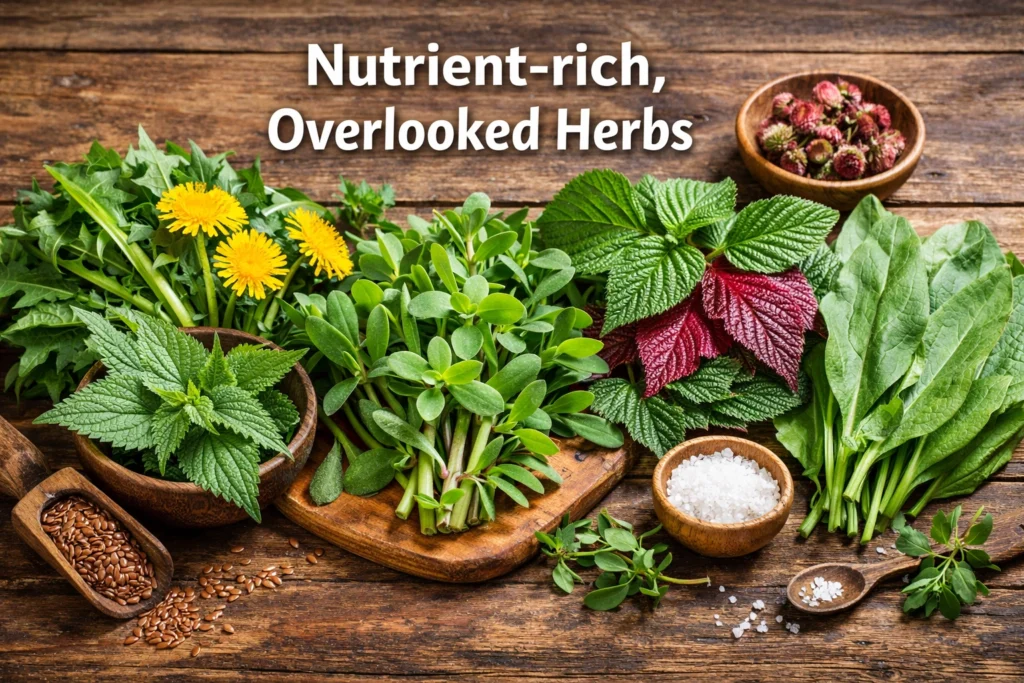
- Leafy weeds: dandelion, chickweed, purslane, nettle
- Berries (blueberry, blackberry, strawberry)
- Cruciferous vegetables (broccoli, cabbage, kale)
- Herbs and spices (turmeric, oregano, cloves)
- Green tea
- Garlic and onions
Key Takeaway
Vitamins keep you alive.
Phytonutrients protect your cells from disease and premature aging.
A diet low in phytonutrients but high in calories is one of the strongest predictors of modern chronic illness.

Dr. Mohammed Abdul Azeem Siddiqui, MBBS
Registered Medical Practitioner (Reg. No. 39739)
With over 30 years of dedicated clinical experience, Dr. Siddiqui has built his career around one clear mission: making quality healthcare affordable, preventive, and accessible.
He is deeply passionate about:
Early disease diagnosis – empowering patients with timely detection and reducing complications.
Preventive healthcare – guiding individuals and families towards healthier, longer lives through lifestyle interventions and screenings.
Affordable treatments – ensuring cost-effective, evidence-based medical solutions that reach people from all walks of life.
Through his blog, Dr. Siddiqui shares practical health insights, early warning signs, and preventive strategies that readers can trust. Every article is rooted in evidence-based medicine and enriched by decades of hands-on clinical practice.
EMAIL: powerofprevention@outlook.com
📌 Disclaimer: The content in this blog is for educational purposes only and should not replace personalized medical consultation. For specific health concerns, please consult your physician.
Leave a Reply