

Introduction
Ever wondered why some men grow thick, full beards while others struggle with patchy or uneven growth? The most common answer you’ll hear is genetics. But is beard growth 100% genetic, or can you influence it with lifestyle changes and grooming habits?
Let’s dive into the science and separate myth from fact.

1. The Role of Genetics in Beard Growth
Your genes are the blueprint of your beard. They determine how many androgen receptors your hair follicles have and how they respond to hormones like testosterone and DHT (dihydrotestosterone) — both key drivers of beard growth.
If your father or grandfather had thick facial hair, you’ve probably inherited the same genetic advantage. However, genetics also influence where your beard grows, its density, and growth speed.
2. Is Beard Growth 100% Genetic? Not Completely.
While genetics form the foundation, it’s not the only deciding factor. Experts estimate that 70–80% of beard growth is genetic, while the rest depends on hormones, nutrition, skin care, and stress levels.
Non-genetic factors that affect beard growth:
- Hormone levels: Low testosterone can lead to patchy growth.
- Diet & nutrition: Deficiency in biotin, zinc, or vitamin D can weaken follicles.
- Skin health: Dead skin and clogged pores can limit growth.
- Sleep & stress: Stress affects hormone balance and cell regeneration.
So, even if your genes aren’t ideal, you can still improve beard growth naturally.
3. Proven Ways to Boost Beard Growth Naturally
Here are a few science-backed beard growth tips that can help maximize your genetic potential:
✅ Top Beard Growth Tips:
- Eat a balanced diet – Include eggs, fish, spinach, and nuts for biotin and protein.
- Use a beard growth oil or serum – Ingredients like castor oil, caffeine, and Redensyl improve circulation.
- Keep your skin clean and exfoliated – Promotes better follicle activation.
- Exercise regularly – Boosts testosterone and improves blood flow.
- Sleep 7–8 hours daily – Essential for hormone regulation and tissue repair.
4. Best Beard Growth Products on Amazon (with Affiliate Links)
To help you on your beard-growing journey, here are some of the best-selling and effective beard products available on Amazon India:
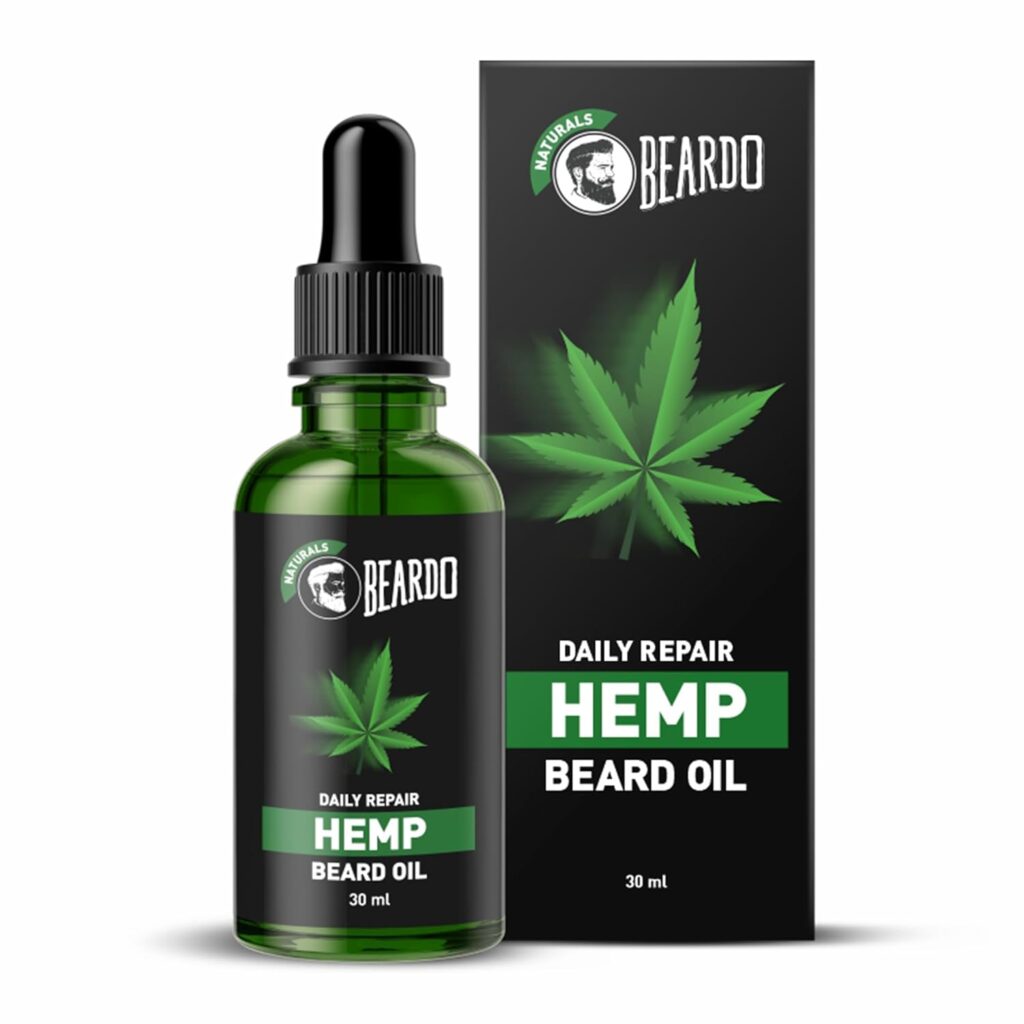
- Beardo Beard & Hair Growth Oil – Contains natural oils that nourish roots and promote growth.
- Ustraa Beard Growth Serum (Advanced) – Infused with Redensyl and DHT boosters for faster results.
- Bombay Shaving Company Beard Growth Kit – A complete kit to stimulate and maintain beard density.
💡 Tip: Use these products consistently for at least 3–4 months to see visible improvement.
5. When to Consult a Dermatologist
If you’ve tried multiple methods and still notice minimal beard growth after a few months, consider visiting a dermatologist or endocrinologist. They can assess your hormone levels, genetic markers, or suggest medical treatments like minoxidil or PRP therapy under supervision.
Conclusion
So, is beard growth 100% genetic?
Not entirely. While your genes determine your natural potential, factors like diet, stress, grooming routine, and skincare can make a big difference.
A healthier lifestyle, consistent grooming, and the right beard care products can help you achieve the beard you’ve always wanted — even if genetics didn’t give you a head start.