

Discover how Moringa tea aids weight loss, boosts energy, and improves health. Learn how to make it at home, when to drink it, and the side effects to avoid.
Introduction
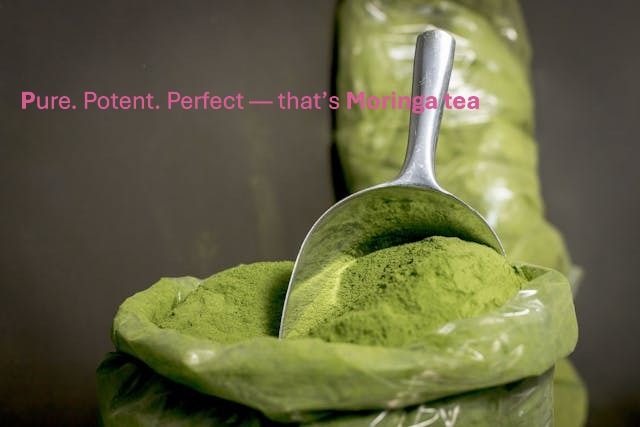
In the world of superfoods and natural wellness, few ingredients have gained as much attention as Moringa — often called the “Miracle Tree.” Every part of this plant, from its leaves to its seeds, is brimming with essential nutrients. Among its many forms, Moringa tea has emerged as a gentle yet powerful health drink that supports weight management, detoxification, and immunity.
If you’ve been searching for a natural way to boost your metabolism, burn fat, and enhance your overall wellness, this article will show you everything you need to know — from Moringa tea benefits for weight loss to how to make it at home, the best time to drink it, and even how it compares with green tea.
1. What Is Moringa Tea?
Moringa tea is made from the dried leaves of Moringa oleifera, a plant native to India and parts of Africa. These leaves are rich in vitamins A, C, and E, calcium, potassium, and amino acids — nutrients that play a crucial role in energy production and immune function.
What sets Moringa tea apart is that it’s caffeine-free, making it an excellent option for those seeking a healthy beverage that calms rather than overstimulates. Its slightly earthy flavor can be enjoyed hot or cold, and it pairs beautifully with lemon, mint, or honey.

2. Moringa Tea Benefits for Weight Loss
One of the most talked-about advantages of Moringa tea is its potential to aid weight loss naturally. Here’s how it helps:
- Boosts metabolism: The antioxidants and chlorogenic acid found in Moringa can speed up fat metabolism, helping your body burn calories more efficiently.
- Reduces cravings: Regular consumption may help regulate blood sugar levels, minimizing sudden hunger pangs and sugar cravings.
- Detoxifies the body: Moringa acts as a gentle detoxifier, flushing out toxins that may hinder weight loss progress.
- Improves digestion: The fiber content supports a healthy gut, which is essential for maintaining a healthy weight.

A 2019 study published in the Journal of Food Science and Human Wellness noted that Moringa leaf extract has anti-obesity properties, making it a promising addition to balanced diets.
If you want to experience these benefits yourself, try organic options like Kuli Kuli Organic Moringa Tea or FGO Organic Moringa Leaf Tea available on Amazon.
💡 Tip: The best time to drink Moringa tea for maximum benefits is in the morning on an empty stomach or 30 minutes before meals — this enhances absorption and fat metabolism.
3. How to Make Moringa Tea at Home
Making Moringa tea is incredibly easy — you can brew it in just a few minutes using dried leaves or powder.
Here’s a simple recipe:
- Boil one cup (250 ml) of water.
- Add one teaspoon of dried Moringa leaves or ½ teaspoon of Moringa powder.
- Let it steep for 5–7 minutes.
- Strain and enjoy hot, or chill it for an iced version.
Optional additions:
- Add lemon juice for extra vitamin C and flavor.
- Sweeten with honey or stevia for a smoother taste.
- Mix with mint or ginger for added digestive benefits.
You can also try FGO Organic Moringa Leaf Tea Bags for convenience.
🍃 Pro Tip: Avoid over-boiling Moringa leaves as excessive heat may reduce antioxidant levels.
4. Moringa Tea vs Green Tea – Which Is Better?
Both Moringa tea and green tea are celebrated for their health benefits, but they differ in composition and effect.
| Feature | Moringa Tea | Green Tea |
|---|---|---|
| Caffeine Content | Caffeine-free | Contains caffeine |
| Vitamin Content | High in Vitamins A, C, Calcium | Moderate vitamins |
| Antioxidants | Flavonoids & chlorogenic acid | Catechins (EGCG) |
| Energy Boost | Natural & calm | Stimulant effect |
| Taste | Earthy, mild | Slightly bitter |
So, which is better?
If you’re looking for a calm, nutrient-dense drink that supports detox and weight loss without caffeine, Moringa tea is the better choice. However, if you need a mild energy boost, green tea can complement your mornings well.
Many wellness experts even suggest alternating between the two for a balanced routine.

5. Best Time to Drink Moringa Tea for Maximum Benefits
Timing matters when it comes to maximizing the health effects of Moringa tea:
- Morning (Empty Stomach): Helps activate metabolism and detox pathways.
- Before Lunch: Supports digestion and nutrient absorption.
- Evening: Promotes relaxation without interfering with sleep, thanks to its caffeine-free nature.
For most people, one to two cups a day is sufficient to enjoy its benefits without overconsumption.
🌅 Best practice: Drink your first cup in the morning and your second mid-afternoon to maintain consistent antioxidant activity throughout the day.
6. Moringa Tea Side Effects and How to Avoid Them
While Moringa tea is generally safe and well-tolerated, it’s important to be aware of potential side effects if consumed excessively:
- Digestive issues: High doses may cause mild nausea or diarrhea.
- Low blood pressure: Those already on blood pressure medication should monitor intake.
- Thyroid interaction: Avoid combining with thyroid medications unless advised by a doctor.
To stay safe, start with one cup a day, observe how your body responds, and gradually increase to two cups. Pregnant or breastfeeding women should consult a healthcare provider before use.
✅ Remember: Natural doesn’t always mean risk-free — moderation and awareness are key.
Conclusion
Moringa tea is truly a nutrient powerhouse — rich in antioxidants, vitamins, and essential minerals that can rejuvenate your body from within. Whether you’re trying to lose weight, boost your immunity, or simply enjoy a caffeine-free wellness ritual, this herbal drink offers a safe, sustainable solution.
Ready to experience its benefits? Try adding Moringa tea to your daily routine and see the transformation yourself.
👉 Recommended Product:
Your body deserves nature’s best — sip, relax, and let the “Miracle Tree” work its magic.
Always consult a qualified healthcare professional before starting any new dietary supplement or herbal tea, especially if you are pregnant, nursing, or on medication.
Dr. Mohammed Abdul Azeem Siddiqui, MBBS
Registered Medical Practitioner (Reg. No. 39739)
With over 30 years of dedicated clinical experience, Dr. Siddiqui has built his career around one clear mission: making quality healthcare affordable, preventive, and accessible.
He is deeply passionate about:
- Early disease diagnosis – empowering patients with timely detection and reducing complications.
- Preventive healthcare – guiding individuals and families towards healthier, longer lives through lifestyle interventions and screenings.
- Affordable treatments – ensuring cost-effective, evidence-based medical solutions that reach people from all walks of life.
Through his blog, Dr. Siddiqui shares practical health insights, early warning signs, and preventive strategies that readers can trust. Every article is rooted in evidence-based medicine and enriched by decades of hands-on clinical practice.
Contact us on: powerofprevention@outlook.com
📌 Disclaimer: The content in this blog is for educational purposes only and should not replace personalized medical consultation. For specific health concerns, please consult your physician.
This post contains affiliate links. If you purchase through them, I may earn a small commission at no extra cost to you. Thanks for supporting the blog!***************************************************************