
As the pursuit of healthspan replaces the simple counting of candles on a birthday cake, oxidative stress has emerged as one of the most critical—and measurable—drivers of how fast we truly age. This biological imbalance between damaging free radicals and protective antioxidants acts as a silent rust, gradually corroding our DNA, cell membranes, and proteins decades before chronic disease or visible aging ever appears.
Thanks to advances in preventive testing, we can now quantify this cellular wear and tear through specific biomarkers like 8-OHdG, MDA, and F2-Isoprostanes, transforming oxidative stress from an abstract concept into a trackable metric that empowers individuals to intervene early with personalized lifestyle and therapeutic strategies.
How to Test Oxidative Stress Biomarkers in the USA (2026 Options)
- At-Home Tests: Urine-based kits (e.g., MDA strips) deliver results in minutes—ideal for tracking diet/exercise impact on free radicals.
- Lab Panels: Comprehensive urine/saliva/blood tests measure multiple markers + genetics; often include Oxidative Damage Scores estimating “aging speed.”
- Integration with Wearables/AI: Pair results with CGM or smart rings for holistic views—e.g., how sleep or “food as medicine” reduces stress.
Many are accessible without insurance via direct-to-consumer labs; look for CLIA-certified options emphasizing longevity.
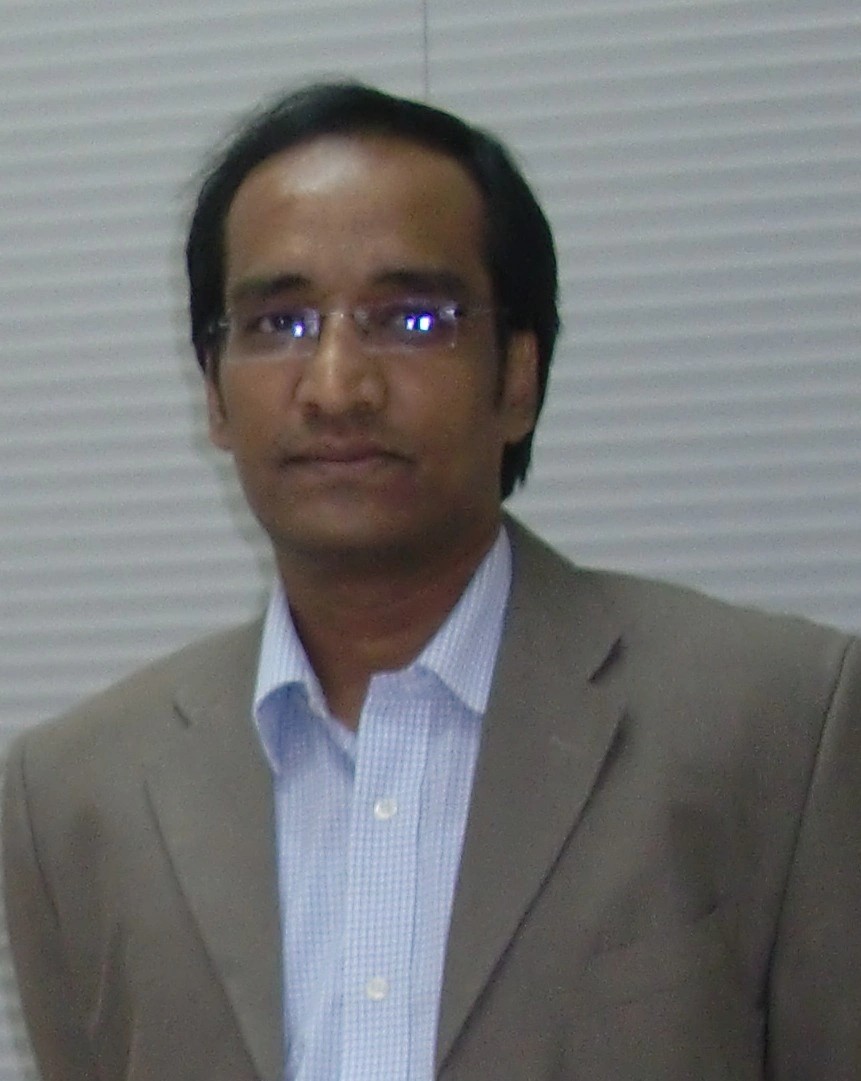
Dr. Mohammed Abdul Azeem Siddiqui, MBBS, M.Tech (Biomedical Engineering – VIT, Vellore)
Registered Medical Practitioner – Reg. No. 39739
Physician • Clinical Engineer • Preventive Diagnostics Specialist
Dr. Mohammed Abdul Azeem Siddiqui is a physician–engineer with over 30 years of dedicated clinical and biomedical engineering experience, committed to transforming modern healthcare from late-stage disease treatment to early detection, preventive intelligence, and affordable medical care.
He holds an MBBS degree in Medicine and an M.Tech in Biomedical Engineering from VIT University, Vellore, equipping him with rare dual expertise in clinical medicine, laboratory diagnostics, and medical device engineering. This allows him to translate complex laboratory data into precise, actionable preventive strategies.
Clinical Mission
Dr. Siddiqui’s professional mission centers on three core pillars:
Early Disease Detection
Identifying hidden biomarker abnormalities that signal chronic disease years before symptoms appear — reducing complications, hospitalizations, and long-term disability.
Preventive Healthcare
Guiding individuals and families toward longer, healthier lives through structured screenings, lifestyle intervention frameworks, and predictive diagnostic interpretation.
Affordable Evidence-Based Treatment
Delivering cost-effective, scientifically validated care accessible to people from all socioeconomic backgrounds.
Clinical & Technical Expertise
Across three decades of continuous practice, Dr. Siddiqui has worked extensively with:
Advanced laboratory analyzers and automation platforms
• Cardiac, metabolic, renal, hepatic, endocrine, and inflammatory biomarker systems
• Preventive screening and early organ damage detection frameworks
• Clinical escalation pathways and diagnostic decision-support models
• Medical device validation, calibration, compliance, and patient safety standards
He is recognized for identifying subclinical biomarker shifts that predict cardiovascular disease, diabetes, fatty liver, kidney disease, autoimmune inflammation, neurodegeneration, and accelerated biological aging long before conventional diagnosis.
Role at IntelliNewz
At IntelliNewz, Dr. Siddiqui serves as Founder, Chief Medical Editor, and Lead Clinical Validator. Every article published is:
Evidence-based
• Clinically verified
• Technology-grounded
• Free from commercial bias
• Designed for real-world patient and physician decision-making
Through his writing, Dr. Siddiqui shares practical health intelligence, early warning signs, and preventive strategies that readers can trust — grounded in decades of frontline medical practice.
Contact:
powerofprevention@outlook.com
📌 Disclaimer: The content on IntelliNewz is intended for educational purposes only and does not replace personalized medical consultation. For individual health concerns, please consult your physician.