


The Best Multivitamins for Perimenopause Survival Guide: to Balance Hormones, Energy & Mood
Perimenopause can feel like your body is rewriting its own rules. One month you’re energetic and focused; the next, you’re exhausted, irritable, and struggling with sleep. These changes aren’t “just stress” — they are driven by fluctuating estrogen, progesterone, and nutrient depletion that begin years before menopause.

While lifestyle changes form the foundation, the right multivitamin can significantly support hormone balance, energy levels, and emotional well-being during perimenopause.
This evidence-based guide explains which nutrients matter most, how to choose the best perimenopause multivitamin, and what to avoid, so you can feel more in control during this transition.
What Is Perimenopause and Why Nutrient Needs Change
Perimenopause usually begins in a woman’s late 30s to mid-40s and can last 4–10 years. During this phase:
- Estrogen levels fluctuate unpredictably
- Progesterone steadily declines
- Cortisol sensitivity increases
- Nutrient absorption becomes less efficient
These changes increase the risk of:
- Fatigue and brain fog
- Mood swings, anxiety, and low mood
- Poor sleep quality
- Weight gain and insulin resistance
- Bone density loss
A targeted multivitamin for perimenopause helps bridge these nutritional gaps.
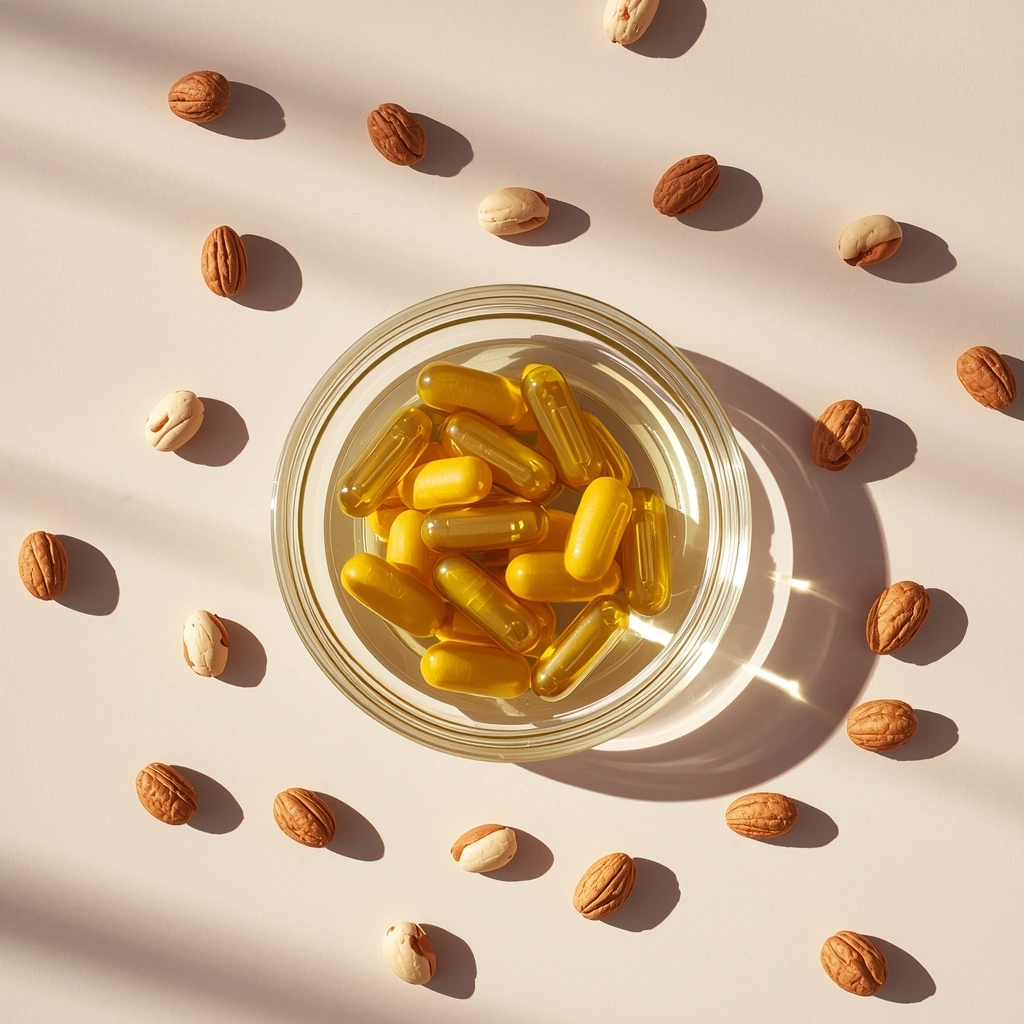
Best Multivitamin Nutrients for Perimenopause (Backed by Science)
1. Vitamin B Complex (Especially B6, B9, B12)
Why it matters:
B vitamins support neurotransmitter production and energy metabolism.
Benefits in perimenopause:
- Reduces fatigue
- Supports mood stability
- Helps with PMS-like symptoms
2. Magnesium (Glycinate or Citrate Preferred)
Why it matters:
Magnesium is critical for nervous system regulation.
Benefits:
- Improves sleep quality
- Reduces anxiety and irritability
- Helps with muscle tension and headaches
3. Vitamin D3
Why it matters:
Over 40% of midlife women are vitamin D deficient.
Benefits:
- Supports mood and immune health
- Improves calcium absorption
- May reduce depression risk
4. Calcium (Balanced with Vitamin K2)
Why it matters:
Bone loss accelerates during perimenopause due to estrogen decline.
Benefits:
- Preserves bone density
- Reduces fracture risk
- Supports muscle function
5. Zinc & Selenium
Why they matter:
These trace minerals support thyroid function and immune balance.
Benefits:
- Supports hormonal signaling
- Improves hair and skin health
- Enhances metabolic stability
6. Omega-3 Fatty Acids (Often Separate from Multivitamins)
Why it matters:
Omega-3s reduce inflammation and support brain health.
Benefits:
- Improves mood and focus
- Supports heart health
- Reduces joint pain
What Makes the Best Multivitamin for Perimenopause?
When choosing a supplement, look for:
✅ Designed for women 40+
✅ Methylated B vitamins (better absorption)
✅ Iron-free or low iron (unless prescribed)
✅ Magnesium included or paired separately
✅ Third-party tested (USP, NSF, GMP)
❌ Avoid:
- Excessive vitamin A (retinol form)
- High iron without medical need
- Sugar-loaded gummies
Can Multivitamins Really Help Hormone Balance?
Multivitamins do not replace hormones, but they:
- Support hormone metabolism
- Reduce stress on adrenal glands
- Improve neurotransmitter balance
- Enhance energy and emotional resilience
When combined with:
- Adequate protein intake
- Sleep hygiene
- Stress management
…they become a powerful tool for perimenopause symptom relief.
When to Take Multivitamins During Perimenopause
🕒 Best time: Morning with food
⚠️ Avoid taking with coffee or tea (reduces absorption)
💊 Magnesium is often better taken at night
Consistency matters more than brand.
Frequently Asked Questions
Do I need a special multivitamin for perimenopause?
Yes. Standard women’s multivitamins often lack magnesium, omega-3s, and adequate B vitamins needed during hormonal transition.
Can multivitamins help perimenopause anxiety and mood swings?
They can significantly help when deficiencies are contributing factors, especially magnesium, B6, and vitamin D.
Should I take iron during perimenopause?
Only if blood tests confirm deficiency. Excess iron may worsen fatigue and inflammation.
Perimenopause isn’t a condition — it’s a biological transition. The right multivitamin won’t “fix” hormones overnight, but it can restore nutritional balance, support energy, stabilize mood, and protect long-term health.
Struggling With Fatigue, Mood Swings, or Hormonal Chaos? These Perimenopause Multivitamins Can Help
Perimenopause can quietly drain your energy, disrupt your mood, and throw hormones off balance years before menopause begins. The right multivitamin can make a real difference—if it contains the nutrients your body actually needs during this transition. From magnesium and B vitamins to vitamin D and zinc, discover what science says works best for hormone balance, energy, and emotional stability in perimenopause—and what to avoid when choosing supplements after 40.
What is the best multivitamin for perimenopause?
The best multivitamin for perimenopause contains vitamin B complex, magnesium, vitamin D3, calcium, zinc, and selenium, with little or no iron unless prescribed. These nutrients support hormone metabolism, energy levels, mood balance, and bone health during hormonal fluctuations.
Can multivitamins help balance hormones during perimenopause?
Multivitamins do not replace hormones, but they support hormone regulation by improving nutrient availability, reducing stress-related deficiencies, and supporting neurotransmitter and adrenal function—key factors in perimenopause symptom management.
Which vitamin is best for perimenopause fatigue?
B vitamins (especially B12 and B6), magnesium, and vitamin D are the most effective nutrients for combating fatigue during perimenopause.
Do perimenopausal women need iron supplements?
Most perimenopausal women do not need iron unless blood tests show deficiency. Excess iron may worsen fatigue, inflammation, and digestive discomfort.
🧾 3. Best Multivitamin Comparison Table
| Feature | Ideal for Perimenopause | Why It Matters |
|---|---|---|
| Vitamin B6, B9, B12 | ✅ Yes | Supports mood, energy & brain health |
| Magnesium (glycinate/citrate) | ✅ Essential | Reduces anxiety & improves sleep |
| Vitamin D3 | ✅ 1,000–2,000 IU | Mood, immunity & bone health |
| Calcium + Vitamin K2 | ✅ Balanced dose | Prevents bone loss |
| Iron | ❌ Low or none | Avoid excess unless deficient |
| Omega-3 | ➕ Separate supplement | Brain & heart support |
| Sugar / Gummies | ❌ Avoid | Blood sugar & absorption issues |
Best Format: Capsule or tablet
Certifications to Look For: USP, NSF, GM