
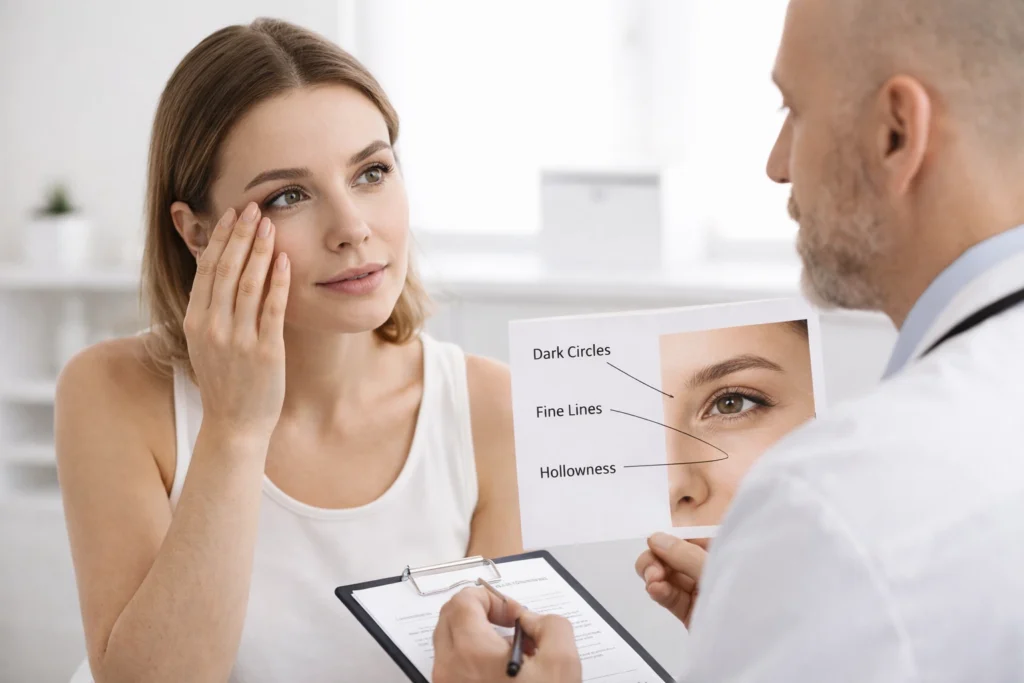

Compare PRP, fillers, and Botox side by side. Learn how they work, how long results last, downtime, pain levels, and which option fits your goals. Learn how long PRP under eyes lasts, healing time, pain levels, risks, and whether it’s worth it. Clear, doctor-reviewed guidance.
PRP vs Fillers vs Botox: Quick Comparison Cards
| Feature | PRP | Fillers | Botox |
|---|---|---|---|
| Primary Goal | Skin regeneration | Volume replacement | Muscle relaxation |
| Uses Your Own Tissue | Yes | No | No |
| Results | Gradual | Immediate | Fast |
| Longevity | 6–12 months | 9–18 months | 3–4 months |
| Downtime | Low | Low–Moderate | Minimal |
| Natural Look | Very high | Moderate–High | High |
| Best for Under Eyes | Skin quality | Deep hollows | Fine lines |
🩸 PRP (Platelet-Rich Plasma)
Best for:
Skin quality, under-eye rejuvenation, collagen stimulation, natural improvement
How it works:
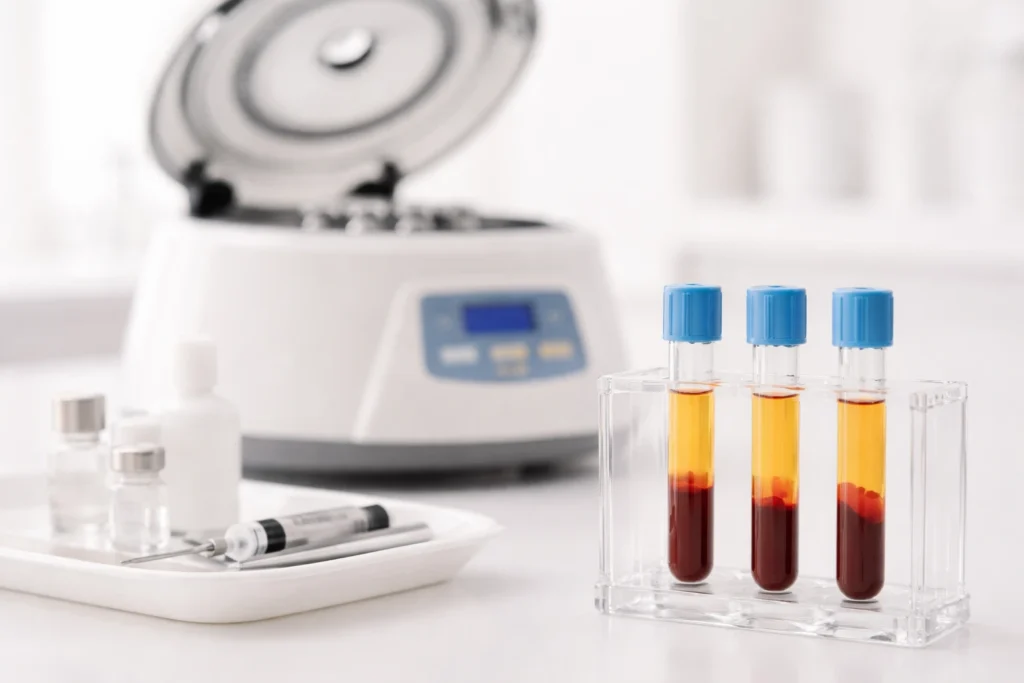
Uses your own blood plasma to stimulate tissue repair and collagen production
Invasiveness:
Minimally invasive (micro-injections or microneedling)
Results timeline:
Gradual (visible in 2–4 weeks, peak at 2–3 months)
How long results last:
6–12 months (maintenance recommended)
Look & feel:
Subtle, natural, refreshed
Downtime:
Low (1–3 days)
Ideal patient:
Those who prefer regenerative, biologic treatments and natural results
💉 Dermal Fillers (Hyaluronic Acid)
Best for:
Volume loss, hollows, tear trough correction, contouring
How it works:
Injectable gel restores volume and structure instantly
Invasiveness:
Minimally invasive injections
Results timeline:
Immediate
How long results last:
9–18 months (product-dependent)
Look & feel:
More noticeable, sculpted
Downtime:
Low to moderate (swelling/bruising possible)
Ideal patient:
Those seeking instant correction of volume loss
💊 Botox (Botulinum Toxin)
Best for:
Dynamic wrinkles caused by muscle movement (crow’s feet, frown lines)
How it works:
Relaxes targeted facial muscles to soften expression lines
Invasiveness:
Minimally invasive injections
Results timeline:
3–7 days
How long results last:
3–4 months
Look & feel:
Smoother, relaxed expressions
Downtime:
Minimal (same-day activities)
Ideal patient:
Those targeting movement-related wrinkles

Why PRP Treatment Is Gaining Popularity in the USA
1. Uses Your Own Blood — No Foreign Substances
PRP (Platelet-Rich Plasma) is derived from the patient’s own blood, making it especially appealing to U.S. patients who prefer natural, biologic treatments over synthetic fillers or long-term medications.
2. Minimally Invasive with No Surgery or Implants
PRP is performed through small injections or microneedling, avoiding incisions, stitches, or implants. This aligns well with the U.S. trend toward non-surgical cosmetic and regenerative procedures.
3. Low Downtime for Busy American Lifestyles
Most patients return to work or normal activities within 24–48 hours, making PRP a practical option for professionals, parents, and active individuals who cannot afford extended recovery periods.
4. Regenerative, Not Just Cosmetic
Unlike treatments that simply add volume or temporarily relax muscles, PRP stimulates the body’s own repair mechanisms, promoting collagen production and tissue renewal. This regenerative aspect strongly resonates with U.S. patients seeking long-term skin health.
5. Natural, Gradual Results That Look Authentic
PRP results develop gradually over weeks, reducing the risk of an “overdone” appearance. This fits well with the American preference for subtle, natural-looking outcomes rather than dramatic changes.
6. Broad Acceptance Across Medical Specialties
In the U.S., PRP is widely used not only in aesthetics but also in orthopedics, sports medicine, dermatology, and hair restoration, reinforcing patient confidence in its clinical credibility.
7. Customizable to Individual Patient Goals
PRP protocols can be adjusted based on age, skin condition, and treatment goals, allowing practitioners to create personalized treatment plans, a key expectation among U.S. healthcare consumers.
8. Favorable Safety Profile When Properly Performed
Because PRP uses autologous material, the risk of allergic reaction is extremely low. When performed by trained professionals following U.S. medical standards, PRP has a strong safety record.
9. Supports Preventive and Proactive Care
PRP fits well into the U.S. healthcare shift toward preventive and regenerative medicine, helping patients address early signs of aging or tissue damage before more invasive treatments are needed.
10. Cost-Effective Compared to Surgical Alternatives
While PRP is an investment, it is often more affordable than surgery and carries fewer risks, making it attractive to patients seeking effective results without major procedures.
How PRP Delivers Results
- Improves skin texture and tone
- Stimulates collagen and elastin production
- Enhances under-eye appearance naturally
- Supports long-term tissue health
- Complements other treatments like Botox or microneedling
**************************************************************************************************************************************************
With extensive hands-on experience in PRP therapy, aesthetic medicine, and preventive care, Dr. Siddiqui emphasizes realistic outcomes, patient safety, and ethical medical practice. He regularly educates patients on scientifically supported treatments while discouraging exaggerated claims or unsafe trends.
Dr. Siddiqui is particularly known for his balanced approach—integrating modern regenerative techniques such as Platelet-Rich Plasma (PRP) with holistic health principles, ensuring treatments are both effective and medically appropriate.
Disclaimer: For educational purposes only; not a substitute for professional medical advice.



Hi