
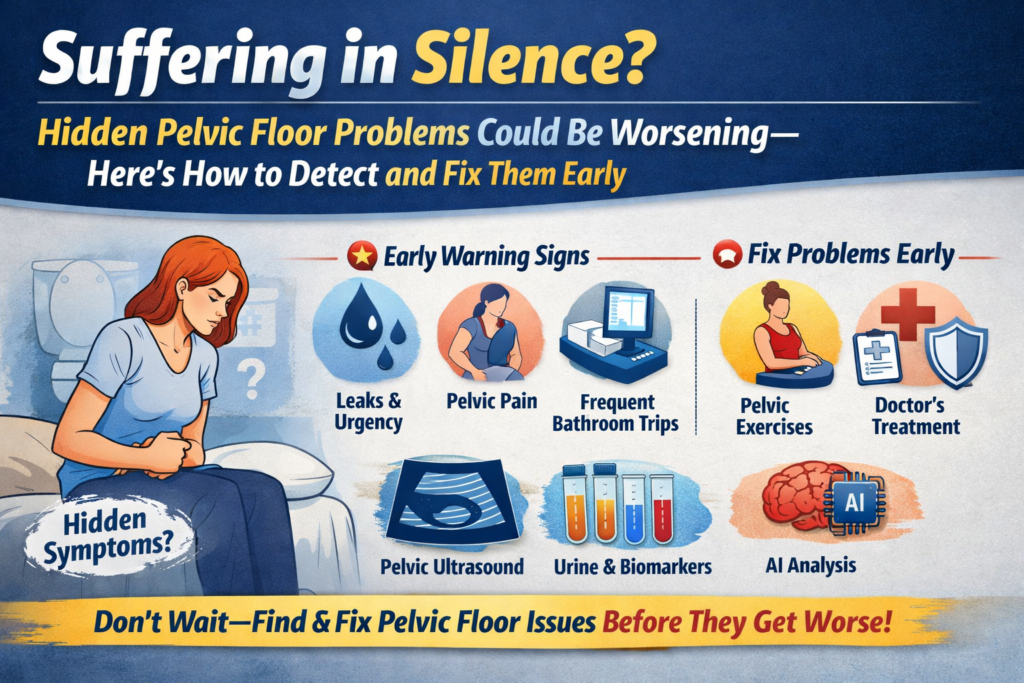

Ignoring your pelvic floor could be causing hidden health problems—and most people don’t even realize it until it’s too late. A weak pelvic floor can quietly lead to bladder control issues, pain, and discomfort, but understanding what it is and how to strengthen it early can completely transform your health.
This often-overlooked muscle plays a critical role, and from leaks to chronic pain, recognizing the problem is the first step to taking back control fast. Many suffer in silence or assume nothing is wrong, missing subtle warning signs that could point to underlying dysfunction.
The good news is that modern diagnostic tests can reveal these hidden pelvic floor disorders early—before they get worse.
Whether symptoms feel confusing or go unnoticed, knowing how doctors diagnose these conditions step-by-step can turn uncertainty into clear answers and early solutions, helping you prevent long-term damage and regain confidence.
1️⃣ How Are Pelvic Floor Disorders Diagnosed?
Pelvic floor disorders are diagnosed using a combination of clinical evaluation, functional testing, and imaging.
Common diagnostic methods:
- Medical history & symptom review (urinary, bowel, sexual function)
- Physical pelvic exam (to assess muscle strength, organ position)
- Urinalysis (to rule out infection or underlying issues)
- Urodynamic testing (measures bladder pressure and urine flow)
- Pelvic ultrasound or MRI (visualizes structural abnormalities)
- Cystoscopy (examines bladder lining if needed)
👉 Emerging methods include:
- Biomarker testing (urine proteins, microbiome)
- AI-assisted imaging
- Wearable-based monitoring
Bottom line: Diagnosis focuses on identifying both structural defects and functional dysfunction.
🔍 What is the diagnosis process for pelvic floor disorders?
Pelvic floor disorders are diagnosed using a combination of medical history, physical examination, and specialized tests that evaluate bladder, bowel, and pelvic muscle function.
🩺 Step-by-step diagnosis
💡 Don’t wait until symptoms get worse.
👉 Explore doctor-recommended pelvic floor devices on Amazon (USA), carefully curated for early diagnosis and recovery.➡️ Shop Now via CosmoClinic-20 (Trusted Picks for Pelvic Health)
🔹 Smart Pelvic Floor Trainers (Diagnosis + Guided Therapy)
Product Best For Key Features Rating CTA Elvie Trainer Beginners + Smart Tracking App-guided exercises, real-time biofeedback ⭐⭐⭐⭐☆ 👉 Shop on Amazon (CosmoClinic-20) Perifit Care Trainer Gamified Training Interactive app games, progress tracking ⭐⭐⭐⭐⭐ 👉 View Deals Now Yarlap System Hands-Free Therapy Auto-Kegel technology, FDA-cleared ⭐⭐⭐⭐☆ 👉 Check Price on Amazon 🔹 Kegel Exercisers (Budget-Friendly Strengthening)
Product Best For Key Features Rating CTA Intimate Rose Kegel Weights Strength Training Weighted resistance, medical-grade silicone ⭐⭐⭐⭐⭐ 👉 Buy Now – CosmoClinic-20 LELO Luna Beads Beginners Progressive weights, ergonomic design ⭐⭐⭐⭐☆ 👉 Shop on Amazon Basic Kegel Exerciser Set Entry-Level Users Affordable, simple design ⭐⭐⭐⭐☆ 👉 See Latest Price 🔹 Pelvic Floor Stimulators (Clinical-Level Relief)
Product Best For Key Features Rating CTA iStim PR-02 Moderate Incontinence EMS stimulation, dual channel ⭐⭐⭐⭐☆ 👉 Check Availability TensCare Elise 2 Advanced Therapy Clinically tested, multiple programs ⭐⭐⭐⭐⭐ 👉 Shop Now – CosmoClinic-20 Kegel8 Ultra 20 Severe Cases 20 programs, rechargeable ⭐⭐⭐⭐⭐ 👉 View on Amazon 🔹 At-Home Monitoring & Smart Health Devices
Product Best For Key Features Rating CTA Elvie Trainer (Biofeedback) Early Detection Tracks muscle strength, app insights ⭐⭐⭐⭐☆ 👉 Buy on Amazon Perifit Smart Device Gamified Monitoring Real-time tracking + games ⭐⭐⭐⭐⭐ 👉 Check Price
1. Medical history & symptom review
Doctors assess:
- Urinary leakage or urgency
- Bowel movement issues
- Pelvic pain or pressure
- Pregnancy and childbirth history
2. Physical pelvic exam
A clinical exam checks:
- Muscle strength
- Organ positioning (prolapse)
- Tissue integrity
3. Diagnostic tests
Common tests include:
- Urinalysis → rules out infection
- Urodynamic testing → measures bladder pressure and flow
- Pelvic ultrasound or MRI → identifies structural issues
- Cystoscopy → examines bladder lining
4. Advanced & early diagnostics
- Biomarker testing (urine proteins, microbiome)
- AI-powered imaging
- Wearable bladder monitoring devices
Pelvic floor disorders are diagnosed through medical history, pelvic exams, and tests like urodynamics, ultrasound, and urinalysis. Advanced methods include AI imaging and biomarker testing to detect early dysfunction.
Can pelvic floor dysfunction be diagnosed without imaging?
Yes, mild cases can often be diagnosed through symptoms and physical examination.
Is urodynamic testing painful?
It may cause mild discomfort but is generally well tolerated.
2️⃣ What Are the Symptoms of Pelvic Floor Dysfunction?
Symptoms vary depending on the condition but often include urinary, bowel, and pelvic symptoms.
Common symptoms:
- Urinary leakage (especially when coughing, sneezing, exercising)
- Frequent or urgent need to urinate
- Difficulty starting or stopping urine flow
- Feeling of incomplete bladder emptying
- Pelvic pressure or heaviness
- Pain in the pelvic region, lower back, or during intercourse
- Constipation or difficulty with bowel movements
Early (often ignored) signs:
- Mild urine leakage occasionally
- Increased bathroom visits without clear reason
- Subtle pelvic discomfort
👉 Many people have early-stage dysfunction without obvious symptoms, which is why early diagnostics matter.
👩⚕️ Does a urologist treat pelvic floor dysfunction?
Yes—but not exclusively.
Specialists who treat pelvic floor dysfunction:
- Urologists → focus on bladder and urinary issues
- Urogynecologists → specialize in female pelvic floor disorders
- Gynecologists → manage structural and reproductive aspects
- Pelvic floor physiotherapists → provide rehabilitation and exercises
👉 In many cases, treatment is multidisciplinary, combining medical, surgical, and physical therapy approaches.
⚠️ What are the common symptoms of pelvic floor dysfunction?
Pelvic floor dysfunction causes urinary, bowel, and pelvic symptoms due to weakened or uncoordinated muscles.
🚨 Most common symptoms
Urinary symptoms:
- Leakage during coughing, sneezing, or exercise
- Frequent urge to urinate
- Difficulty emptying the bladder
Bowel symptoms:
- Constipation
- Straining during bowel movements
- Loss of bowel control
Pelvic symptoms:
- Pressure or heaviness in the pelvis
- Pain in lower abdomen or lower back
- Pain during intercourse
🧠 Early warning signs (often ignored)
- Occasional minor leakage
- Increased bathroom frequency
- Mild pelvic discomfort
👉 These may indicate early-stage dysfunction before diagnosis
Symptoms of pelvic floor dysfunction include urinary leakage, frequent urination, constipation, pelvic pressure, and pain. Early signs may include mild leakage and increased bathroom visits.
Can pelvic floor dysfunction cause back pain?
Yes, weak pelvic muscles can affect core stability and cause lower back pain.
Are symptoms always obvious?
No, early-stage dysfunction can be subtle or symptom-free.
3️⃣ Does a Urologist Treat Pelvic Floor Dysfunction?
👩⚕️ Who treats pelvic floor dysfunction?
Yes, a urologist treats pelvic floor dysfunction—especially conditions involving the bladder and urinary system.
🧑⚕️ Specialists involved
Urologist
- Focus: bladder, urinary tract, incontinence
- Performs diagnostic tests and medical/surgical treatment
Urogynecologist
- Specializes in female pelvic floor disorders
- Treats prolapse, incontinence, childbirth-related issues
Gynecologist
- Manages reproductive and structural concerns
Pelvic floor physiotherapist
- Provides non-surgical treatment through exercises and rehabilitation
🤝 Multidisciplinary care
Most patients benefit from a team-based approach, combining:
- Medical treatment
- Physical therapy
- Lifestyle interventions
Yes, urologists treat pelvic floor dysfunction, particularly urinary issues. Treatment may also involve urogynecologists, gynecologists, and pelvic floor physiotherapists for comprehensive care.Should I see a urologist or urogynecologist first?
If symptoms are urinary, start with a urologist; for female pelvic issues, a urogynecologist may be ideal.
Do all cases require surgery?
No, many cases are treated with exercises and lifestyle changes.
4️⃣ What Is the Pelvic Floor (ACOG Definition)?
📘 What is the pelvic floor according to American College of Obstetricians and Gynecologists?
The American College of Obstetricians and Gynecologists (ACOG) defines the pelvic floor as:
A group of muscles, ligaments, and connective tissues that support the pelvic organs—including the bladder, uterus, and rectum—and help control urinary and bowel function.
Key functions:
- Supports pelvic organs
- Maintains continence (bladder and bowel control)
- Assists in sexual function
- Stabilizes core and posture
👉 When these muscles weaken or become dysfunctional, it can lead to:
- Urinary incontinence
- Pelvic organ prolapse
- Bowel control issues
The pelvic floor is a group of muscles, ligaments, and connective tissues that support pelvic organs and control bladder and bowel function.Pelvic floor disorders are diagnosed through physical exams, imaging, and functional tests like urodynamics. Symptoms include urinary leakage, pelvic pressure, and bowel issues. Treatment may involve urologists, urogynecologists, and physiotherapists.
According to ACOG, the pelvic floor is a group of muscles that support pelvic organs and control bladder and bowel function.
🧠 Key functions of the pelvic floor
- Supports organs (bladder, uterus, rectum)
- Controls urination and bowel movements
- Assists in sexual function
- Stabilizes core and posture
⚠️ What happens when the pelvic floor weakens?
- Urinary incontinence
- Pelvic organ prolapse
- Bowel control issues
- Chronic pelvic pain
📌 Featured Snippet Answer
According to ACOG, the pelvic floor is a group of muscles and connective tissues that support pelvic organs and help control bladder and bowel function.
❓ FAQs
Can the pelvic floor be strengthened?
Yes, through exercises like Kegels and physiotherapy.
Does aging affect the pelvic floor?
Yes, muscle strength declines with age and hormonal changes.
⚠️ Medical & Affiliate Disclaimer
The information provided in this article is for educational and informational purposes only and is not intended as medical advice, diagnosis, or treatment. Always consult a qualified healthcare professional or licensed physician before starting any new health program, using medical devices, or making decisions regarding your pelvic health.
Pelvic floor disorders and related conditions can vary significantly between individuals. The tools, devices, and strategies mentioned here are general recommendations and may not be suitable for everyone.
Some links on this page may be affiliate links, which means we may earn a small commission at no additional cost to you if you make a purchase through these links. As an Amazon Associate, we earn from qualifying purchases. These commissions help support our content and allow us to continue providing valuable health information.
We only recommend products and services that are carefully researched and believed to offer value to our readers. However, we do not guarantee the effectiveness or outcomes of any product mentioned.
🩺 Quick Note
If you are experiencing symptoms such as persistent pelvic pain, urinary leakage, or discomfort, seek guidance from a qualified specialist such as a urologist, urogynecologist, or pelvic floor physiotherapist.