
For generations, diagnosing urinary tract infections (UTIs), overactive bladder (OAB), and chronic kidney disease relied on a reactive model: you feel symptoms, you go to a lab, you provide a sample, and you wait days for results. But what if your smartphone could predict a UTI before you feel the burning sensation? What if a wearable could track your hydration levels in real-time?
Welcome to the era of digital biomarkers.
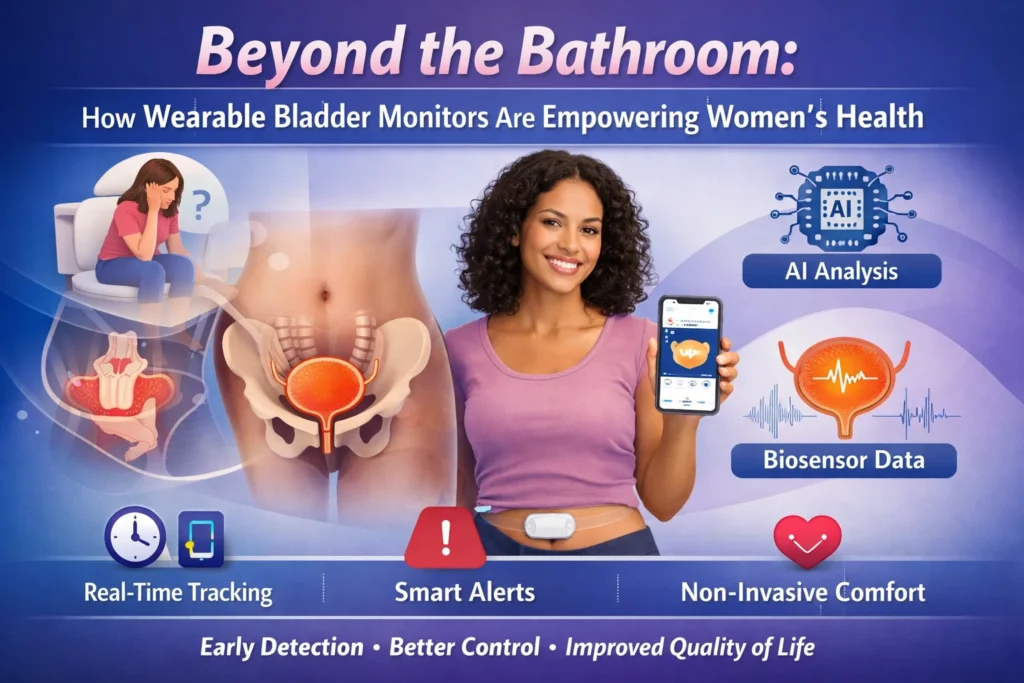
These are physiological, behavioral, or chemical data points collected via digital devices (smartphones, wearables, smart toilets) that serve as indicators of health outcomes. In urinary health, digital biomarkers are transforming how women and men monitor everything from infection risk to bladder function—moving from subjective symptom tracking to objective, continuous data.
What Exactly Is a Urinary Digital Biomarker?
Traditional biomarkers are biological—things like protein levels, white blood cells, or glucose in your urine. Digital biomarkers are the quantified measurements captured by sensors.
For example:
- Changes in urine color detected via a smartphone camera (indicating dehydration).
- Voiding frequency and volume tracked by a smart toilet or wearable device.
- Nocturnal bathroom trips logged automatically by a sleep tracker.
- Pelvic floor muscle activity measured by an insertable biofeedback sensor.
When aggregated over time, these digital signals can predict, diagnose, or monitor urinary conditions with remarkable accuracy.
The Science: Clinical Validation of Digital Urinary Biomarkers
The academic community is rapidly validating these tools. A 2024 comprehensive review published in Nature Reviews Urology examined 47 studies on digital health technologies for lower urinary tract symptoms. The conclusion? Smartphone-based uroflowmetry and bladder diaries are now approaching clinical-grade accuracy for conditions like benign prostatic hyperplasia (BPH) and OAB.
Similarly, researchers at Stanford Medicine have been developing algorithms that analyze voice biomarkers (subtle changes in vocal cord tension caused by kidney stress) to predict acute kidney injury hours before lab tests would detect it. While still in trials, the implication is staggering: your phone’s microphone could one day monitor your renal health.
Commercially Available Tools for Digital Urinary Biomarker Tracking
For US consumers, several FDA-registered and clinically backed products now allow you to collect urinary digital biomarkers at home. Below are the top tools available on Amazon.
1. Vivoo At-Home Urine Test Strips + App
Best for daily metabolic and UTI biomarker tracking.
Vivoo is not a standard test strip. It pairs disposable strips with a smartphone camera-based reader. The app uses computer vision to analyze 9 key urinary biomarkers, including pH, leukocytes (infection markers), specific gravity (hydration), and magnesium. Over time, the app generates trend graphs that function as true digital biomarkers.
- Biomarkers tracked: Hydration, UTI risk, kidney stress, liver function.
- Output: Personalized nutritional advice and a wellness score.
- Search Link: Click here to check price and availability for Vivoo on Amazon
2. Healthy.io Minuteful Kidney
Best for chronic kidney disease (CKD) home monitoring.
Healthy.io has received FDA clearance for its smartphone-based albumin-to-creatinine ratio (ACR) test—the gold standard biomarker for kidney disease. Using their dipstick and app, patients can perform a clinical-grade kidney test at home. The app uses computer vision to read the strip with accuracy equivalent to a lab analyzer.
- Digital Biomarker: Albumin-creatinine ratio trends over time.
- Use Case: FDA-cleared for patients with diabetes or hypertension to monitor CKD progression.
- Search Link: Click here to check price and availability for Healthy.io on Amazon
3. Inne Mini Lab (Hormone + Hydration Tracker)
Best for women tracking hydration and UTI susceptibility.
While primarily a fertility monitor, Inne’s mini lab measures estrone-3-glucuronide and progesterone metabolites in saliva and urine. Hormonal fluctuations directly impact urinary health (estrogen decline is a major risk factor for recurrent UTIs in perimenopausal women). Tracking these biomarkers digitally allows for preventive interventions.
- Digital Biomarker: Hormonal patterns linked to urinary microbiome changes.
- Output: Daily hormone levels via app-based algorithm.
- Search Link: Click here to check price and availability for Inne on Amazon
4. Bowtie Health At-Home UTI Test Kit
Best for rapid UTI biomarker detection.
This kit uses nitrite and leukocyte esterase detection—the two primary digital biomarkers for bacterial infection. The accompanying app allows you to scan the result, store it historically, and share a PDF trend report with your doctor.
- Biomarkers Tracked: Nitrites (specific to E. coli) and leukocytes (general infection).
- Digital Feature: Timestamped, shareable urinary health log.
- Search Link: Click here to check price and availability for Bowtie UTI Test on Amazon
5. Withings U-Scan (Smart Toilet Analyzer)
Best for passive, continuous biomarker monitoring.
The U-Scan is a revolutionary device that sits inside your toilet bowl. Each time you urinate, it captures a sample, analyzes it using cartridge-based chemistry, and syncs the data to your smartphone. No active testing required.
- Biomarkers Tracked: pH, specific gravity, ketones, vitamin C, and (with specific cartridges) ovulation hormones.
- Digital Output: Daily hydration score, ketosis tracking, and menstrual cycle insights.
- Search Link: Click here to check price and availability for Withings U-Scan on Amazon
Why This Matters for US Patients
The shift from episodic to continuous monitoring is not just convenient—it is clinically superior. Traditional urinalysis captures a single moment. Digital biomarkers capture trends.
For a woman with recurrent UTIs, tracking leukocyte levels daily allows her to start hydration or D-mannose at the first sign of elevation, potentially aborting a full infection. For a patient with heart failure on diuretics, tracking urine specific gravity (hydration status) prevents dangerous dehydration. For a man with BPH, tracking flow rate and frequency helps his urologist adjust medications remotely.
The Future: Multi-Modal Digital Biomarkers
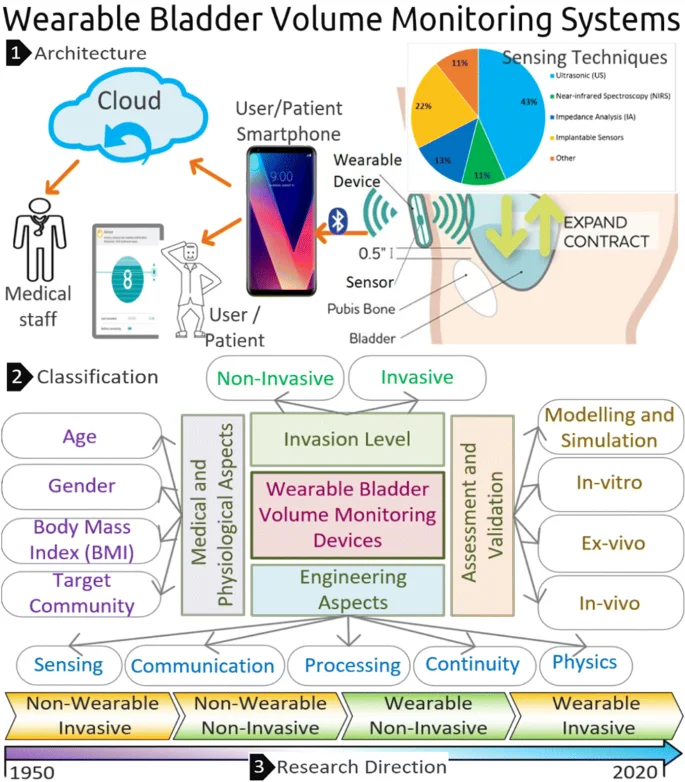
The next frontier combines data streams. Imagine a wearable device that simultaneously tracks:
- Bladder fullness (via ultrasound or bioimpedance).
- Pelvic floor muscle activity (via electromyography sensors).
- Urine chemistry (via colorimetric analysis).
- Gait and sleep disruption (via accelerometer, as nocturia affects movement).
Companies like Toto (the toilet manufacturer) and researchers at the Wyss Institute at Harvard are already developing smart toilets with urine analyzers built into the bowl. These will soon detect not just UTIs, but early markers of pancreatic cancer, kidney disease, and even COVID-19 from urine metabolites.
A Practical Note for Consumers
Digital biomarkers are powerful, but they are not a replacement for clinical diagnosis. If you have symptoms (pain, blood, fever), see a doctor. However, for prevention, trend tracking, and chronic condition management, these tools offer an unprecedented window into your urinary health.
Disclaimer: This article contains affiliate links. As an Amazon Associate, the author may earn a commission from qualifying purchases. Always consult a healthcare provider before making medical decisions based on home test results.
Summary Table: Digital Biomarker Tools at a Glance
| Product | Primary Biomarker | Best For | Amazon Link |
|---|---|---|---|
| Vivoo | pH, leukocytes, specific gravity | Daily wellness & UTI risk | Search on Amazon → |
| Healthy.io | Albumin-creatinine ratio | Kidney disease monitoring | Search on Amazon → |
| Inne | Estrone-3-glucuronide | Hormone-linked UTI risk | Search on Amazon → |
| Bowtie | Nitrites, leukocytes | Rapid UTI detection | Search on Amazon → |
| Withings U-Scan | pH, ketones, specific gravity | Passive continuous tracking | Search on Amazon → |