
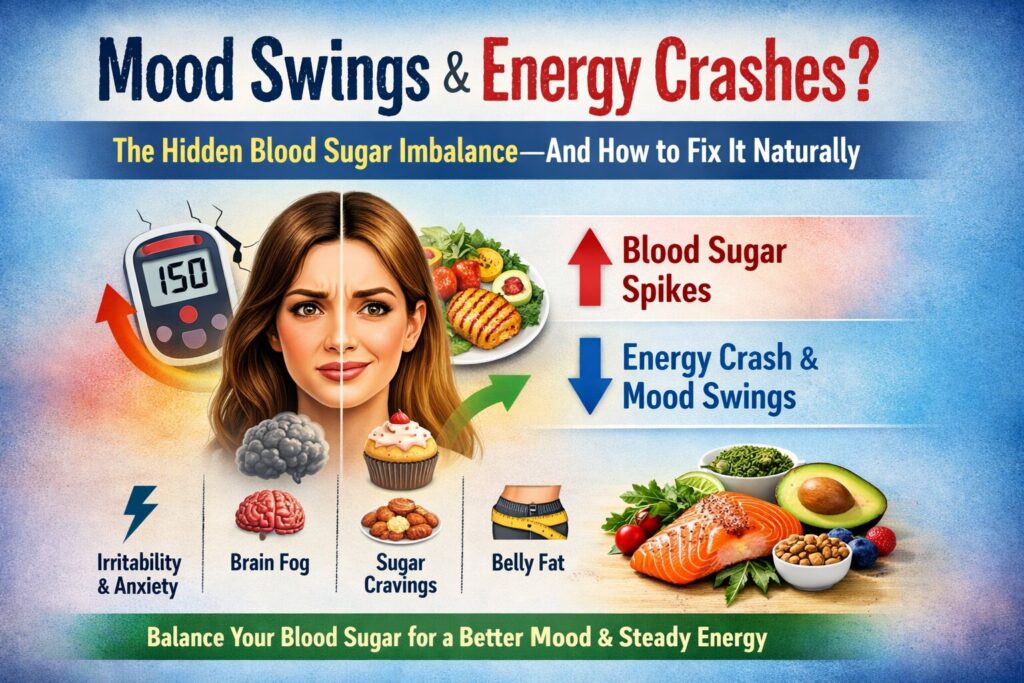

Do you experience afternoon irritability, sudden anxiety after meals, or unexplained energy crashes? These symptoms are often dismissed as stress or emotional sensitivity. However, they may reflect unstable blood sugar levels — a metabolic issue that affects mood, cognition, and long-term health.
Blood sugar regulation is not just about preventing diabetes. It plays a direct role in how you think, feel, and function daily.
Silent Blood Sugar Spikes Quiz
Test your knowledge about hidden glucose fluctuations & metabolic health
Silent blood sugar spikes are temporary glucose elevations (typically above 140 mg/dL) that occur after eating but don’t produce immediate noticeable symptoms. Unlike diabetic hyperglycemia that causes thirst or frequent urination, these spikes happen subtly, often in people with normal fasting glucose levels.
Absolutely. Research using continuous glucose monitors (CGMs) reveals that up to 90% of non-diabetic individuals experience significant glucose spikes above 140 mg/dL after certain meals.
Your body has evolved remarkable compensatory mechanisms. When glucose rises, your pancreas releases insulin efficiently (if you’re not insulin resistant), clearing sugar from your bloodstream before symptoms appear.
Extremely common. Data from metabolic testing companies like Levels and Nutrisense shows that approximately 3 out of 4 people with “normal” metabolic health markers experience frequent glucose spikes above optimal ranges.
Surprisingly, it’s not always the obvious suspects:
- White rice and potatoes (higher glycemic impact than table sugar)
- Commercial breakfast cereals (even “healthy” ones)
- Fruit juice and smoothies (fiber removal accelerates absorption)
- Low-fat processed foods (often replace fat with sugar)
- “Healthy” snack bars (frequently sugar bombs in disguise)
Yes, often dramatically. White rice has a glycemic index of 73, while table sugar (sucrose) is 65.
In many cases, yes. While both are problematic, fruit juice lacks fiber entirely, allowing fructose and glucose to flood your system immediately.
Marginally better, but still problematic. Blending breaks down fiber, reducing its glucose-buffering effect. A smoothie’s liquid form allows faster digestion than chewing whole fruit.
Absolutely. Your brain consumes 20% of your body’s glucose but can’t store it. When blood sugar swings, your brain’s fuel supply becomes unstable.
That post-meal slump—”food coma”—often results from reactive hypoglycemia. After a glucose spike, insulin overshoots, dropping blood sugar too low.
The glucose-mood connection is biochemical:
- High glucose → inflammation → irritability
- Low glucose → stress hormones → anxiety
- Fluctuating glucose → unstable neurotransmitter production → mood instability
The beginning stage where your cells start ignoring insulin’s signal to take in glucose. Your pancreas compensates by producing more insulin, so blood sugar remains normal while insulin levels rise.
For years to decades, yes. This “silent phase” causes damage long before diabetes diagnosis.
Increasingly recommended for metabolic awareness. A 2-4 week CGM trial can reveal individual responses to foods, stress, sleep, and exercise.
Optimal postprandial (after-meal) glucose stays under 140 mg/dL.
- Spikes to 140-180 mg/dL indicate emerging issues
- Consistent spikes above 180 mg/dL suggest significant metabolic dysfunction
- This can occur even with normal fasting levels
This educational quiz is for informational purposes only and does not constitute medical advice. The information provided is based on current medical research and clinical understanding but should not replace consultation with qualified healthcare professionals.
Always consult with your physician or healthcare provider before making any changes to your diet, exercise, or medication regimen. Individual health needs vary based on medical history, current conditions, and other factors.
The Modern Blood Sugar Problem
Prediabetes affects millions of adults, and many are unaware they have it. But long before a diagnosis appears on lab results, subtle symptoms may already be affecting your mental clarity, emotional stability, and energy levels.
Blood sugar fluctuations can contribute to:
- Anxiety and irritability
- Brain fog
- Fatigue
- Sleep disturbances
- Intense carbohydrate cravings
- Abdominal weight gain
These are often early signs of insulin resistance — a metabolic condition where cells become less responsive to insulin, leading to unstable glucose levels.
How Blood Sugar Impacts Your Brain
Your brain relies heavily on glucose for energy. Although it makes up only a small percentage of your body weight, it consumes a significant portion of circulating glucose. Unlike muscles or the liver, the brain cannot store glucose — it depends on a steady supply.
When you consume high-glycemic foods (refined carbohydrates, sugary snacks, pastries), the following sequence often occurs:
- Blood sugar spikes rapidly.
- Insulin surges to lower it.
- Blood sugar may drop too quickly.
- Stress hormones (cortisol and adrenaline) are released.
That stress response can cause:
- Irritability
- Anxiety
- Shakiness
- Difficulty concentrating
- Sudden hunger
Repeated cycles of spikes and crashes create ongoing metabolic stress, which may affect both mood regulation and long-term insulin sensitivity.
Early Signs of Blood Sugar Imbalance
Many warning signs appear years before diabetes develops:
1. The 3 PM Energy Crash
Frequent afternoon fatigue often reflects post-lunch glucose fluctuations.
2. Mood Changes After Meals
Feeling anxious, low, or irritable within two hours of eating can signal reactive hypoglycemia.
3. Brain Fog
Difficulty concentrating may indicate inconsistent glucose delivery to the brain.
4. Sleep Disruption
Waking between 2–3 AM can sometimes reflect nighttime glucose instability.
5. Strong Carb Cravings
Intense sugar cravings are often biological signals, not lack of willpower.
6. Central Weight Gain
Excess abdominal fat is strongly associated with insulin resistance.
7. Borderline Fasting Glucose
Fasting levels in the upper-normal range (90–99 mg/dL) may indicate early metabolic strain.
The Blood Sugar–Mood Cycle
Blood sugar instability can become self-reinforcing:
High-carb meal → glucose spike → insulin surge → crash → stress hormones → cravings → repeat
Over time, this cycle may contribute to:
- Chronic inflammation
- Increased insulin resistance
- Mood instability
- Reduced metabolic flexibility
Stabilizing blood sugar often improves both physical and emotional resilience.
A 4-Week Plan to Stabilize Blood Sugar and Improve Mood
Week 1: Build the Foundation
Prioritize protein at breakfast.
Aim for at least 20 grams of protein within the first hour of waking.
Examples:
- Eggs with vegetables
- Greek yogurt with seeds
- Protein smoothie with nut butter
Use the plate method:
- ½ non-starchy vegetables
- ¼ quality protein
- ¼ complex carbohydrates
- Add healthy fats (olive oil, avocado, nuts)
Focus on adding nutrient-dense foods rather than restricting immediately.
Week 2: Improve Timing and Food Order
Practice food sequencing:
Eat vegetables and protein before carbohydrates. This can reduce post-meal glucose spikes.
Time-restricted eating:
Consider a consistent 10–12 hour eating window.
Increase fiber intake:
Aim for 30–40 grams daily from vegetables, legumes, seeds, and whole foods.
Fiber slows glucose absorption and improves insulin response.
Week 3: Support Metabolism
Nutrients linked to glucose regulation include:
- Magnesium (leafy greens, nuts, seeds)
- Chromium (broccoli, whole grains)
- Alpha-lipoic acid
- Berberine (consult a healthcare provider)
Always seek professional guidance before starting supplements.
Week 4: Lifestyle Integration
Walk after meals.
A 10–15 minute walk can significantly reduce glucose spikes.
Prioritize sleep.
One night of poor sleep can temporarily reduce insulin sensitivity.
Manage stress.
Chronic stress elevates cortisol, which increases blood sugar.
Simple breathing practices or daily mindfulness can improve metabolic stability.
Smart Food Swaps for Stable Energy
Breakfast
Avoid: Sugary cereal, toast with jam, pastries
Choose: Eggs, yogurt, protein smoothie, vegetable omelet
Lunch
Avoid: Pasta, white bread sandwiches
Choose: Large salad with protein and healthy fats
Dinner
Avoid: Large portions of rice or refined grains
Choose: Grilled fish or chicken with vegetables and moderate complex carbs
Snacks
Avoid: Granola bars, crackers
Choose: Nuts, apple with nut butter, boiled egg, yogurt
When to See a Healthcare Provider
Lifestyle changes are powerful, but medical evaluation is important if you notice:
- Fasting glucose above 100 mg/dL
- HbA1c of 5.7% or higher
- Persistent fatigue or mood changes
- Strong family history of diabetes
Early intervention significantly improves outcomes.
The Bigger Picture
Blood sugar imbalance affects:
- Workplace productivity
- Mental health
- Long-term cardiovascular risk
- Healthcare costs
What many consider normal aging — fatigue, brain fog, weight gain — may actually reflect early metabolic dysfunction.
Action Steps You Can Start Tomorrow
- Eat a protein-rich breakfast.
- Walk after your largest meal.
- Eat vegetables before carbohydrates.
- Replace sweetened drinks with water.
- Monitor your fasting glucose periodically.
Conclusion: Stabilize Blood Sugar, Stabilize Mood
Blood sugar is not only a metabolic marker — it is a neurological and emotional regulator. Energy crashes, cravings, irritability, and brain fog are often biological signals, not personal shortcomings.
By stabilizing blood glucose through nutrition, movement, sleep, and stress management, you may improve:
- Mood consistency
- Cognitive clarity
- Energy levels
- Weight regulation
- Long-term metabolic health
Balanced blood sugar is not just about preventing diabetes. It is about creating steady energy, mental resilience, and sustainable vitality — starting today.
FAQs:
1️⃣ Can blood sugar fluctuations cause anxiety or mood swings?
Yes. Rapid spikes and drops in blood glucose can trigger the release of stress hormones like cortisol and adrenaline. These hormones may cause symptoms such as irritability, anxiety, shakiness, and sudden mood changes. Stabilizing blood sugar through balanced meals often reduces these effects.
2️⃣ What are the early signs of blood sugar imbalance?
Common early signs include afternoon energy crashes, strong sugar cravings, brain fog, waking during the night, irritability after meals, and gradual weight gain around the abdomen. These symptoms may appear years before diabetes develops.
3️⃣ How does high-carb food affect mood?
High-glycemic carbohydrates can cause a rapid rise in blood sugar followed by a sharp drop. This “crash” may lead to fatigue, irritability, low mood, and increased hunger. Pairing carbohydrates with protein, fiber, and healthy fats helps prevent these swings.
4️⃣ Can stabilizing blood sugar improve mental clarity?
Yes. The brain relies on a steady supply of glucose. Large fluctuations may impair concentration and memory. Balanced nutrition, regular movement, adequate sleep, and stress management support consistent glucose delivery to the brain.
5️⃣ Is blood sugar imbalance linked to prediabetes?
Frequent glucose spikes and crashes can indicate early insulin resistance, which is a precursor to prediabetes. Monitoring fasting glucose and HbA1c levels helps assess metabolic risk.
6️⃣ What is the fastest way to stabilize blood sugar naturally?
Start with:
- Eating 20–30g of protein at breakfast
- Walking for 10–15 minutes after meals
- Increasing fiber intake
- Reducing refined carbohydrates
- Sleeping 7–8 hours consistently
Small daily adjustments can significantly improve glucose stability.