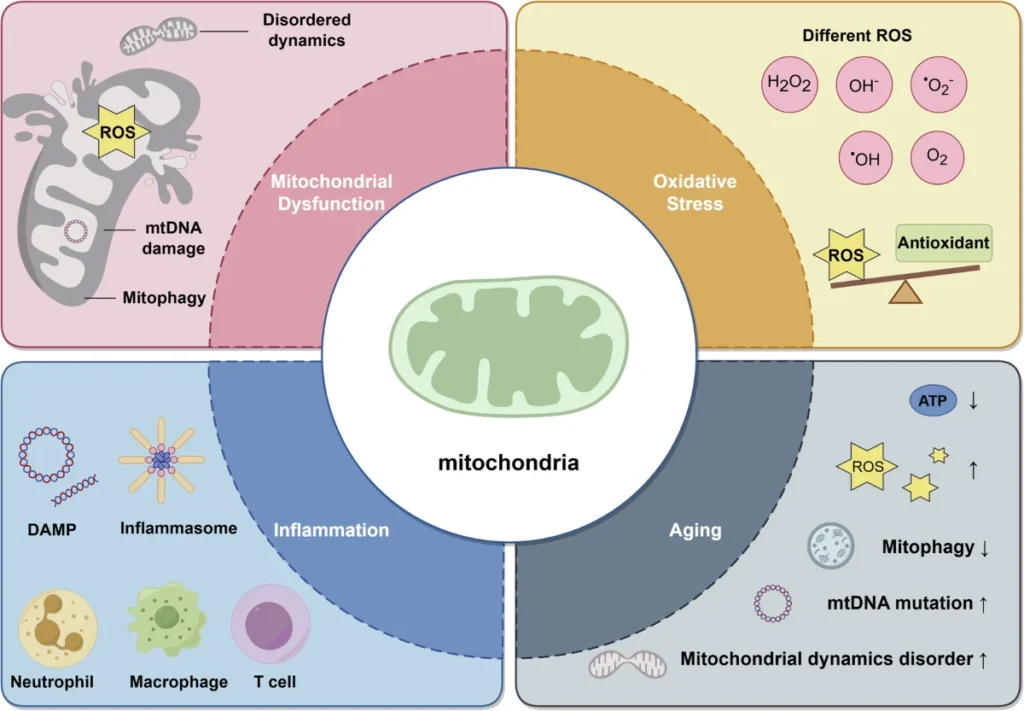
Aging is a complex, multifaceted process influenced by genetics, lifestyle, and environment. While chronological age marches forward, biological aging—the progressive decline in cellular and tissue function—can be accelerated or slowed. One of the most researched drivers of this decline is oxidative stress, an imbalance where reactive oxygen species (ROS) and other free radicals overwhelm the body’s antioxidant defenses.
This imbalance damages cells, fuels chronic inflammation, and contributes to many age-related diseases. Recent 2025 research continues to highlight oxidative stress as a central hub in aging, linking mitochondrial dysfunction, inflammation, and declining healthspan—the years lived with vitality and independence. Beat Aging and Boost Energy, The Science-Backed Way to Defeat Oxidative Stress Naturally.
What Exactly Is Oxidative Stress?
Oxidative stress arises when ROS—highly reactive molecules like superoxide (O₂⁻•), hydrogen peroxide (H₂O₂), and hydroxyl radicals (•OH)—build up faster than antioxidants can neutralize them. Mitochondria, the cell’s energy factories, produce most ROS during ATP generation via the electron transport chain. In youth, this is tightly regulated: low ROS levels act as beneficial signals for adaptation (hormesis), while antioxidants like superoxide dismutase (SOD), catalase (CAT), glutathione peroxidase (GPx), and glutathione maintain balance.
With advancing age, however, mitochondrial efficiency drops: electron leakage increases, mtDNA accumulates mutations, mitophagy (clearance of damaged mitochondria) weakens, and antioxidant systems decline. This creates a vicious cycle of rising ROS, oxidative damage to lipids (peroxidation), proteins (misfolding), and DNA (mutations), accelerating aging.
In the evolving landscape of preventive healthcare, oxidative stress biomarkers are emerging as a powerful frontier in anti-aging and disease prevention. As Americans increasingly prioritize healthspan—the number of years lived in good health—over mere lifespan, understanding and tracking oxidative stress offers a proactive way to detect “silent” aging processes early and intervene with lifestyle, diet, or targeted therapies.

Reverse Cellular Damage: Proven Strategies to Conquer Oxidative Stress and Feel Younger
Imagine what happens to an apple slice when left exposed to air—it turns brown. Or think about iron rusting over time. A similar process occurs inside our bodies, and scientists call this oxidative stress .
At its core, oxidative stress is simply an imbalance between two opposing forces :
- Free radicals (reactive oxygen species, or ROS): Unstable molecules that damage cells, proteins, and DNA by stealing electrons
- Antioxidants: The body’s defense system that neutralizes free radicals
Think of free radicals as sparks flying from a campfire. A few sparks are normal and harmless. But when too many sparks land on surrounding grass, you need firefighters to prevent a blaze. Antioxidants are those firefighters .
The Oxygen Paradox
Here’s an interesting twist: oxygen, essential for life, also creates these damaging free radicals with every breath we take. In 1995, researcher Kelvin Davies coined the term “The Oxygen Paradox” to describe this phenomenon .
“Oxidative stress is what causes iron to rust and apples to go brown. For humans, it’s also part of the process that causes wrinkles, many diseases and even aging” .
Why Does Oxidative Stress Matter for Aging?
Oxidative stress accelerates aging through several mechanisms. It damages three critical components of our cells :
- DNA: Causes mutations and genetic instability
- Proteins: Impairs their normal function
- Lipids (fats): Damages cell membranes through a process called lipid peroxidation
This cellular damage accumulates over time and drives the hallmarks of aging, including mitochondrial dysfunction, chronic inflammation, and cellular senescence (when cells stop dividing but don’t die—they just linger and cause trouble) .
Diseases Linked to Oxidative Stress
When oxidative stress overwhelms the body’s defenses, it doesn’t just cause general aging—it contributes to specific chronic diseases :
| Disease Category | Specific Conditions |
|---|---|
| Cardiovascular | Atherosclerosis, high blood pressure, heart disease |
| Neurodegenerative | Alzheimer’s disease, Parkinson’s disease |
| Metabolic | Diabetes, insulin resistance |
| Inflammatory | Rheumatoid arthritis, inflammatory bowel disease |
| Other | Cancer, premature aging syndromes |
The Good News: A Little Stress Can Be Beneficial
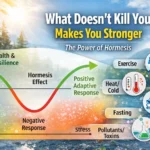
Surprisingly, not all oxidative stress is bad. Low-level oxidative stress actually strengthens our cells through a process called hormesis—what doesn’t kill you makes you stronger .
When exposed to mild stress, cells:
- Slow their growth to conserve energy
- Activate protective genes
- Produce more antioxidant enzymes
- Repair damage more efficiently
This is why moderate exercise is beneficial—it creates temporary oxidative stress that triggers adaptive responses, making cells more resilient over time .
How to Assess Oxidative Stress: Biomarkers You Should Know
Here’s where preventive healthcare gets exciting. We can’t directly measure free radicals—they’re too short-lived, lasting only fractions of a second . But we can measure the damage they leave behind, much like investigators studying footprints at a crime scene.
Types of Oxidative Stress Biomarkers
Scientists assess oxidative stress by measuring three main types of damage markers :
| Biomarker Type | What It Measures | Examples |
|---|---|---|
| DNA damage | Oxidized DNA excreted in urine | 8-hydroxy-2′-deoxyguanosine (8-OHdG) |
| Lipid peroxidation | Damaged fats from cell membranes | 8-isoprostaglandin-F2α (8-isoPGF2α), malondialdehyde (MDA) |
| Protein oxidation | Oxidized proteins | Protein carbonyls |
| Antioxidant levels | Body’s defense capacity | Glutathione, superoxide dismutase (SOD), catalase |
Advanced Testing Methods
Recent technological advances now allow simultaneous measurement of multiple biomarkers from a single urine sample. One validated method can quantify four key markers in just 12 minutes, detecting levels as low as 0.12 nanograms per milliliter .
Urinary biomarkers commonly measured include :
- 8-OHdG: DNA damage marker
- 8-isoPGF2α: Lipid peroxidation marker
- aMT6s: Melatonin metabolite (antioxidant-related)
- 11-DH-TXB2: Inflammation-related marker
Some comprehensive profiles now measure up to 16 markers of oxidative damage plus 32 genetic variants that affect how well your body produces antioxidant enzymes .
What About Genetics?
Your genes influence your antioxidant defenses. Key enzymes include :
- Superoxide dismutase (SOD): Converts superoxide radicals to hydrogen peroxide
- Catalase (CAT): Breaks down hydrogen peroxide into water
- Glutathione peroxidase (GPx): Neutralizes various peroxides
Genetic variations in these enzymes can affect your natural protection against oxidative stress—and knowing your status allows for personalized interventions .
Practical Ways to Reduce Oxidative Stress
The good news? You have significant control over your oxidative stress levels through lifestyle choices.
Dietary Strategies
Antioxidant-rich foods are your first line of defense :
| Food Category | Examples |
|---|---|
| Berries | Blueberries, strawberries, raspberries |
| Fruits | Cherries, citrus fruits, prunes, tomatoes, olives |
| Vegetables | Dark leafy greens, broccoli, carrots |
| Other | Nuts, seeds, green tea, coffee, dark chocolate |
Polyphenols, found abundantly in plant foods, are particularly effective at reducing oxidative damage markers and increasing antioxidant levels . The Mediterranean diet, rich in olive-derived polyphenols like oleuropein and hydroxytyrosol, has demonstrated geroprotective effects by activating key antioxidant pathways .
Oxidative Stress No More: How Simple Lifestyle Hacks Protect Your Cells and Youth
Simple daily habits make a significant difference :
- Exercise moderately and regularly: This strengthens your body’s antioxidant defenses through hormesis
- Don’t smoke: Avoid both active and secondhand smoke
- Protect your skin: Use sunscreen to prevent UV-induced oxidative damage
- Limit alcohol: Excessive intake increases free radical production
- Prioritize sleep: Critical for maintaining antioxidant balance
- Reduce toxin exposure: Be mindful of pesticides, pollution, and industrial chemicals
Targeted Supplementation
For some individuals, personalized antioxidant supplements may be beneficial. These can include :
- Vitamins C and E
- Selenium
- Coenzyme Q10
- Melatonin
- Specialized polyphenol formulations
The key is personalization—matching supplements to your specific oxidative stress profile and genetic predispositions .
Feel Younger, Stronger, Energized: The Science of Reducing Oxidative Stress Daily
Oxidative stress is not just an abstract biological concept—it’s a measurable, manageable factor in how well we age. By understanding this balance between free radicals and antioxidants, we can take proactive steps to protect our cellular health.
The emerging field of oxidative stress assessment offers something unprecedented: the ability to detect aging processes before they manifest as disease and to tailor interventions specifically to each person’s needs .
The Evolving Mitochondrial Free Radical Theory of Aging
First proposed by Denham Harman in the 1950s, the mitochondrial free radical theory posits that cumulative oxidative damage from mitochondrial ROS drives aging. While early versions emphasized inevitable damage accumulation, modern updates (including 2025 reviews) incorporate nuances:
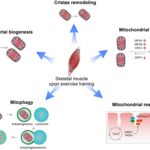
- Dose-dependent dual roles of ROS: Chronic high ROS accelerates damage and aging; transient low/moderate ROS (mitohormesis) activates protective pathways like AMPK and Nrf2, improving mitochondrial health.
- Mitochondria as central hubs linking oxidative stress, inflammation (via DAMPs and inflammasomes), and age-related decline.
- Declining mitophagy and dynamics exacerbate ROS leakage, energy deficits, and tissue dysfunction (e.g., sarcopenia, neurodegeneration).
Evidence from 2025 studies reinforces this: mitochondrial stress interventions (e.g., mitohormesis strategies) show promise for preserving muscle function and reducing frailty in aging models.
How Oxidative Stress Drives Age-Related Decline
Excessive oxidative stress contributes to:
- Cardiovascular issues — Oxidized LDL promotes atherosclerosis; suppressed cerebrovascular reactivity in older adults.
- Neurodegeneration — Neuronal damage in Alzheimer’s and Parkinson’s; midlife onset of oxidative/neuroinflammatory changes.
- Metabolic disorders — Insulin resistance, diabetes via impaired mitochondrial function.
- Muscle and bone loss — Sarcopenia and osteoporosis from protein/lipid damage.
- Cancer and immune dysfunction — DNA mutations and inflammaging.
Paradoxically, some interventions (e.g., probiotics like Lactobacillus plantarum) reduce oxidative stress markers (MDA) while boosting SOD, CAT, and gut barrier integrity in aging models.
Practical Ways to Manage Oxidative Stress for Healthier Aging
The good news: oxidative stress is modifiable. Lifestyle interventions reduce biomarkers and support healthy aging, as shown in 2025 community programs and mechanistic studies.
- Nutrient-dense, antioxidant-rich diet — Prioritize berries, citrus, leafy greens, nuts, and colorful produce rich in vitamins C/E, polyphenols (e.g., curcumin, resveratrol). These activate Nrf2, the master regulator of antioxidant genes.
- Regular physical activity — Moderate exercise induces beneficial ROS signaling, enhancing mitochondrial biogenesis and defenses.
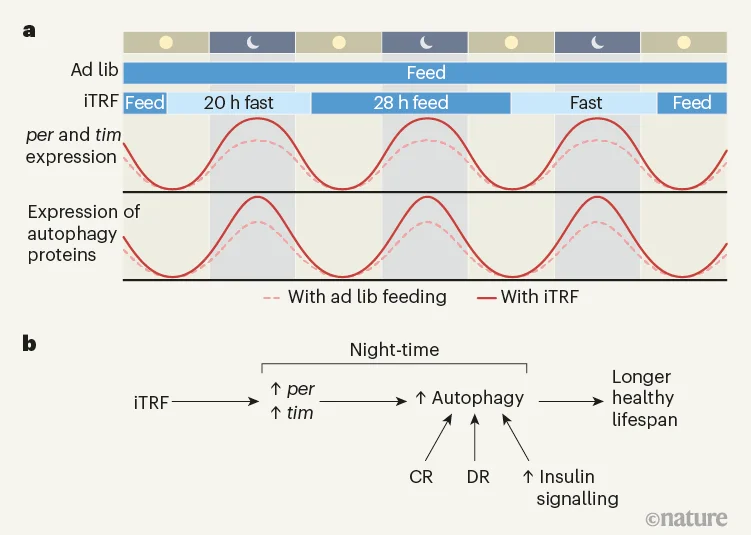
- Caloric restriction or intermittent fasting — Triggers AMPK, autophagy, and reduced metabolic ROS.
- Stress reduction and quality sleep — Chronic stress elevates ROS; restorative sleep aids repair.
- Targeted Nrf2 activation — Natural compounds (e.g., sulforaphane from broccoli) or emerging therapies sustain antioxidant responses.
Key takeaways:
- Oxidative stress is an imbalance between free radicals and antioxidants that accelerates aging
- It contributes to major chronic diseases including heart disease, diabetes, and neurodegeneration
- Biomarker testing can assess your personal oxidative stress levels through urine samples
- Lifestyle choices—diet, exercise, sleep, and avoiding toxins—powerfully influence your oxidative balance
- Personalized interventions based on testing and genetics offer the most effective approach
As research continues to evolve, one thing becomes clear: managing oxidative stress is not about eliminating it entirely—that’s neither possible nor desirable. Instead, the goal is balance, resilience, and informed choices that support healthy aging from the inside out.
Looking Ahead: Empowerment and Caution
2025 research underscores oxidative stress as a modifiable target: community lifestyle programs improve biomarkers like total antioxidant capacity (TAC) and reduce lipid peroxidation, independent of age or sex. While high-dose antioxidants can sometimes blunt adaptive responses (e.g., exercise benefits), balanced approaches—emphasizing whole foods, movement, and recovery—enhance resilience.
Healthy aging isn’t about avoiding all stress but harnessing mild challenges (hormesis) while curbing chronic oxidative burden. Small, consistent habits—a daily walk, berry-rich breakfast, good sleep—accumulate into profound protection against age-related decline. As science advances, from Nrf2-targeted therapies to mitochondrial interventions, understanding oxidative stress empowers us to age not just longer, but better—with energy, independence, and joy. Start today; your future cells are counting on it.
FAQs on Oxidative Stress
1. What is oxidative stress?
Oxidative stress occurs when there’s an imbalance between free radicals (reactive oxygen species) and the body’s antioxidant defenses. Excess free radicals can damage cells, proteins, and DNA, contributing to aging and chronic diseases.
2. What is the role of oxidative stress in ageing?
Oxidative stress accelerates aging by damaging cellular components and impairing repair mechanisms. Over time, this leads to mitochondrial dysfunction, inflammation, tissue degeneration, and age-related diseases like cardiovascular disease, neurodegeneration, and skin aging.
3. What is the blood test for oxidative stress?
Blood tests for oxidative stress typically measure biomarkers of oxidative damage (like malondialdehyde or 8-OHdG) and antioxidant capacity (like glutathione, superoxide dismutase activity). These tests help assess the body’s oxidative balance.
4. What supplements are good for oxidative stress?
Supplements that can help counter oxidative stress include:
- Vitamin C and Vitamin E – powerful antioxidants
- Coenzyme Q10 (CoQ10) – supports mitochondrial health
- Alpha-lipoic acid – regenerates other antioxidants
- Polyphenols (green tea, resveratrol) – reduce oxidative damage
- N-acetyl cysteine (NAC) – supports glutathione production
5. How can diet reduce oxidative stress?
Eating a diet rich in antioxidants—fruits, vegetables, nuts, seeds, and colorful plant foods—helps neutralize free radicals. Limiting processed foods, sugar, and trans fats also reduces oxidative damage.
6. Can exercise affect oxidative stress?
Yes. Moderate exercise increases antioxidant defenses and reduces oxidative damage long-term. However, excessive intense exercise without recovery can temporarily increase oxidative stress.
7. Are there lifestyle changes to manage oxidative stress?
Lifestyle strategies include:
- Adequate sleep
- Stress management (meditation, yoga)
- Avoiding smoking and excessive alcohol
- Regular physical activity
- Sun protection to reduce UV-induced oxidative damage
8. What diseases are linked to oxidative stress?
Oxidative stress contributes to cardiovascular disease, diabetes, neurodegenerative diseases (Alzheimer’s, Parkinson’s), cancer, and premature skin aging.
9. Can antioxidants reverse oxidative stress damage?
Antioxidants can neutralize free radicals and support repair, but they may not fully reverse accumulated damage. Combining diet, lifestyle, and targeted supplementation is the most effective strategy for long-term protection
Disclaimer: This article is for informational purposes only and is not medical advice. Consult with a healthcare provider before starting any new testing or supplement regimen.

Dr. Mohammed Abdul Azeem Siddiqui, MBBS, M.Tech (Biomedical Engineering – VIT, Vellore)
Registered Medical Practitioner – Reg. No. 39739
Physician • Clinical Engineer • Preventive Diagnostics Specialist
Dr. Mohammed Abdul Azeem Siddiqui is a physician–engineer with over 30 years of dedicated clinical and biomedical engineering experience, committed to transforming modern healthcare from late-stage disease treatment to early detection, preventive intelligence, and affordable medical care.
He holds an MBBS degree in Medicine and an M.Tech in Biomedical Engineering from VIT University, Vellore, equipping him with rare dual expertise in clinical medicine, laboratory diagnostics, and medical device engineering. This allows him to translate complex laboratory data into precise, actionable preventive strategies.
Clinical Mission
Dr. Siddiqui’s professional mission centers on three core pillars:
Early Disease Detection
Identifying hidden biomarker abnormalities that signal chronic disease years before symptoms appear — reducing complications, hospitalizations, and long-term disability.
Preventive Healthcare
Guiding individuals and families toward longer, healthier lives through structured screenings, lifestyle intervention frameworks, and predictive diagnostic interpretation.
Affordable Evidence-Based Treatment
Delivering cost-effective, scientifically validated care accessible to people from all socioeconomic backgrounds.
Clinical & Technical Expertise
Across three decades of continuous practice, Dr. Siddiqui has worked extensively with:
Advanced laboratory analyzers and automation platforms
• Cardiac, metabolic, renal, hepatic, endocrine, and inflammatory biomarker systems
• Preventive screening and early organ damage detection frameworks
• Clinical escalation pathways and diagnostic decision-support models
• Medical device validation, calibration, compliance, and patient safety standards
He is recognized for identifying subclinical biomarker shifts that predict cardiovascular disease, diabetes, fatty liver, kidney disease, autoimmune inflammation, neurodegeneration, and accelerated biological aging long before conventional diagnosis.
Role at IntelliNewz
At IntelliNewz, Dr. Siddiqui serves as Founder, Chief Medical Editor, and Lead Clinical Validator. Every article published is:
Evidence-based
• Clinically verified
• Technology-grounded
• Free from commercial bias
• Designed for real-world patient and physician decision-making
Through his writing, Dr. Siddiqui shares practical health intelligence, early warning signs, and preventive strategies that readers can trust — grounded in decades of frontline medical practice.
Contact:
powerofprevention@outlook.com
📌 Disclaimer: The content on IntelliNewz is intended for educational purposes only and does not replace personalized medical consultation. For individual health concerns, please consult your physician.