


Discover the top genetically modified crops used worldwide, including corn, soybeans, cotton, papaya, and more. Learn how GM crops increase yield, reduce pests, and support sustainable farming with real-world examples.
1. What are genetically modified crops?
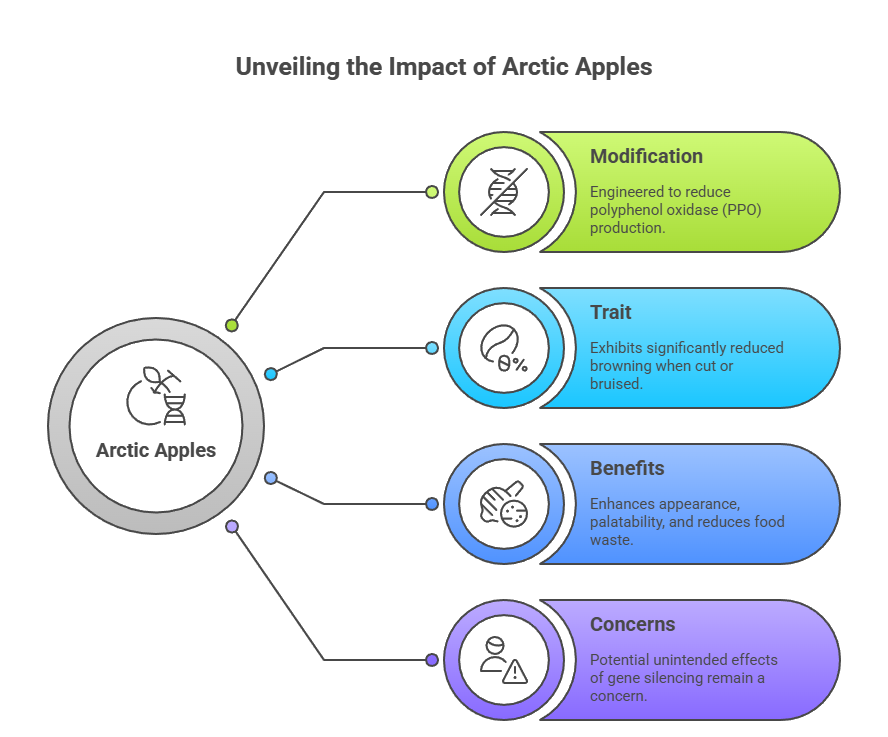
Genetically modified crops are plants whose DNA has been altered using biotechnology to improve traits such as pest resistance, drought tolerance, nutrient content, or herbicide tolerance.
2. Why are GM crops used in agriculture?
Farmers use GM crops to achieve higher yields, reduce crop losses, minimize pesticide use, and grow food efficiently in challenging weather or soil conditions.
3. Are genetically modified crops safe to eat?
Major scientific bodies, including WHO and FAO, have stated that approved GM crops are safe for human consumption when regulated properly. Safety evaluations are conducted before release.
4. Which countries grow the most GM crops?
The leading growers include the United States, Brazil, Argentina, India, and Canada. Adoption continues to expand across Africa and Asia as farming technology evolves.
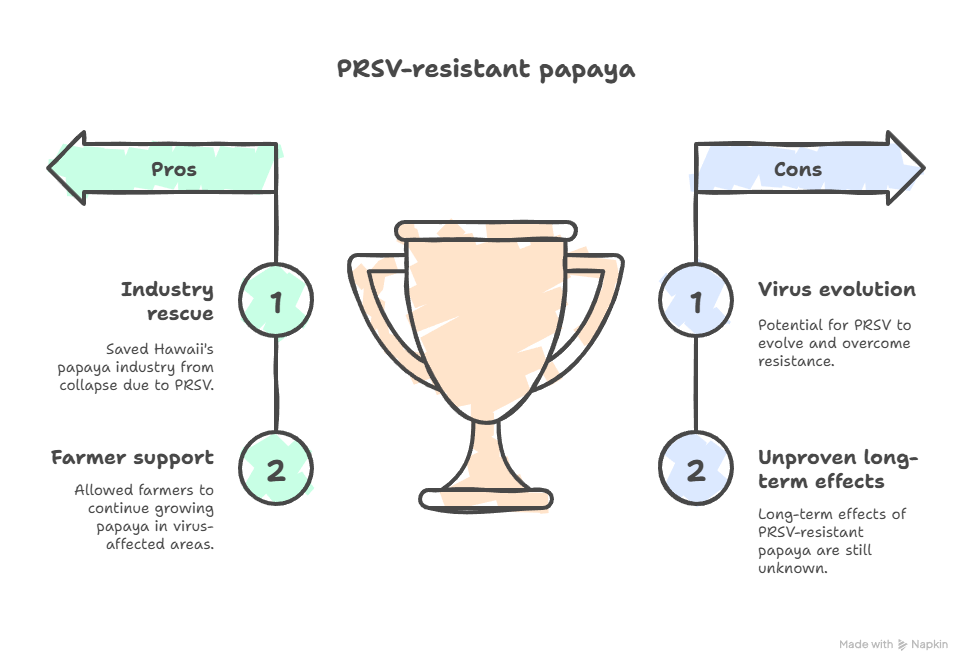
PapayaOne of the most notable success stories is GM papaya, engineered to resist Papaya Ringspot Virus (PRSV). This technology saved the Hawaiian papaya industry from collapse and continues to be a leading example of GM crops aiding disease-stricken regions.
5. Do GM crops reduce pesticide use?
Yes, many GM crops such as Bt cotton and Bt corn significantly reduce the need for chemical insecticides because they produce natural pest-resistant traits.
Comparison Table: GM Crops vs. Non-GM Crops
| Feature / Factor | GM Crops | Non-GM Crops |
|---|---|---|
| Pest Resistance | Engineered to resist pests (e.g., Bt corn) | Vulnerable; often require chemical pesticides |
| Herbicide Tolerance | Many varieties tolerate herbicides for easier weed control | Limited tolerance; more manual or chemical weed management |
| Yield Potential | Higher yields due to better resilience | Lower yields, especially under stress |
| Nutritional Enhancement | Can be fortified (e.g., high-oleic soy) | Nutrient levels depend on traditional breeding |
| Environmental Impact | Reduces pesticide use in many cases | Requires more chemical intervention |
| Cost of Cultivation | Sometimes higher seed cost but savings in chemicals | Lower seed cost but higher pesticide and labor expenses |
| Disease Resistance | Engineered against viruses and diseases (e.g., papaya PRSV) | More susceptible to crop diseases |
| Climate Resilience | Some types withstand drought, heat, or cold | More sensitive to extreme conditions |
| Adoption by Farmers | Widely adopted in the U.S., India, Brazil, Canada | Dominates in regions preferring organic or traditional farming |
Genetically modified (GM) crops have become a critical part of modern agriculture, helping farmers increase yield, reduce crop losses, and improve nutritional value. Today, millions of acres worldwide are cultivated with GM varieties that offer better resistance to pests, diseases, and harsh climatic conditions.
If you are researching examples of genetically modified crops, this guide highlights the most widely adopted GM crops currently in use and how they impact global food systems.
1. Corn (Maize)GM corn is one of the most common genetically modified crops. It is widely engineered for:
- Insect resistance (Bt corn)
- Herbicide tolerance
- Improved drought tolerance
This crop is used in everything from animal feed to snack foods, corn syrup, and even biofuels.
2. Soybeans
A huge share of the global soybean supply comes from genetically modified soybeans. Key benefits include:
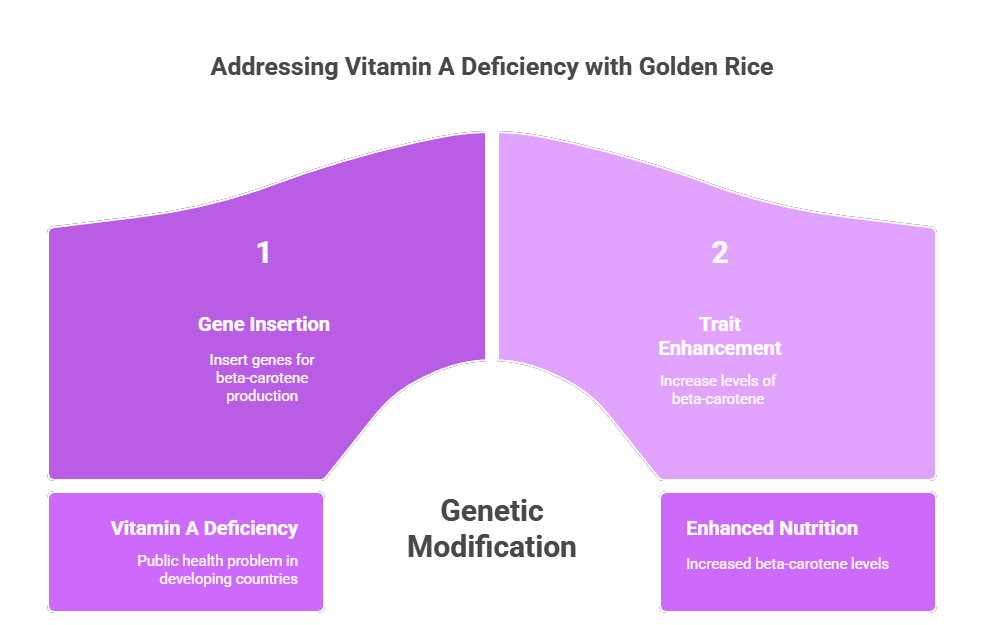
GM technology supports sustainable agriculture by reducing chemical dependence, improving tolerance to extreme weather, and enhancing nutritional value in emerging biofortified crops.
- Resistance to popular herbicides
- Higher oil quality
- Improved disease tolerance
These soybeans are extensively used in vegetable oils, tofu, plant-based protein products, and livestock feed.
3. CottonGM cotton, especially Bt cotton, is popular in India, China, and the United States. It is engineered to:
- Reduce crop damage from bollworms
- Improve fiber quality
- Lower the use of chemical pesticides
Bt cotton has significantly improved yields for farmers in many cotton-producing regions.
4. Canola (Rapeseed)
Genetically modified canola is primarily altered for herbicide tolerance. This makes weed management easier and boosts oil production. Canola oil from GM crops is widely used in cooking, packaged foods, and biodiesel production.
5. Sugar Beet
In the United States and Europe, GM sugar beet is engineered to tolerate herbicides, allowing cleaner fields and more efficient harvesting. More than half of the sugar on American shelves is produced from genetically modified sugar beet.
6. PapayaOne of the most notable success stories is GM papaya, engineered to resist Papaya Ringspot Virus (PRSV). This technology saved the Hawaiian papaya industry from collapse and continues to be a leading example of GM crops aiding disease-stricken regions.
7. Alfalfa
GM alfalfa is primarily used as livestock feed. It is modified for better weed control, faster regrowth, and improved forage quality, making it crucial for dairy and cattle farming operations.
8. Potatoes
Modern genetically modified potatoes are developed for:
- Late blight disease resistance
- Reduced bruising
- Lower acrylamide formation during cooking
These improvements benefit both farmers and consumers by reducing waste and enhancing food safety.
9. Eggplant (Brinjal)
In select countries such as Bangladesh, Bt brinjal is engineered to resist the devastating fruit and shoot borer pest. Farmers using GM eggplant have seen:
- Higher yields
- Lower pesticide usage
- Improved crop quality
Why GM Crops Continue to Grow in Popularity
The demand for genetically modified crops is increasing as global food systems face challenges like:
- Climate change
- Pest outbreaks
- Depleted soil quality
- Rising food demand
GM technology supports sustainable agriculture by reducing chemical dependence, improving tolerance to extreme weather, and enhancing nutritional value in emerging biofortified crops.
Conclusion
Genetically modified crops such as corn, soybeans, cotton, papaya, canola, sugar beet, and others have reshaped modern farming by boosting productivity and crop resilience. Whether used for food, feed, or industry, these GM crops are now deeply integrated into global agriculture and will continue evolving with new biotechnological advancements.
************************************************************************
*************************************************************************
Disclaimer:
Dr. Mohammed Abdul Azeem Siddiqui, MBBS
Registered Medical Practitioner (Reg. No. 39739)
With over 30 years of dedicated clinical experience, Dr. Siddiqui has built his career around one clear mission: making quality healthcare affordable, preventive, and accessible.
He is deeply passionate about:
- Early disease diagnosis – empowering patients with timely detection and reducing complications.
- Preventive healthcare – guiding individuals and families towards healthier, longer lives through lifestyle interventions and screenings.
- Affordable treatments – ensuring cost-effective, evidence-based medical solutions that reach people from all walks of life.
Through his blog, Dr. Siddiqui shares practical health insights, early warning signs, and preventive strategies that readers can trust. Every article is rooted in evidence-based medicine and enriched by decades of hands-on clinical practice.
Contact us on: powerofprevention@outlook.com
📌 Disclaimer: The content in this blog is for educational purposes only and should not replace personalized medical consultation. For specific health concerns, please consult your physician.