
📑 Table of Contents
🛡️ The best sunscreen for photoaging is a broad-spectrum SPF 50+ formula that protects against both UVA (aging) and UVB (burning) rays. Recent research shows 96.8% of dermatologists recommend mineral sunscreen as the top product for preventing fine lines and wrinkles. Look for formulas with antioxidants, hyaluronic acid, and DNA-repairing ingredients to actively combat existing damage while preventing future aging. Your future skin will thank you!
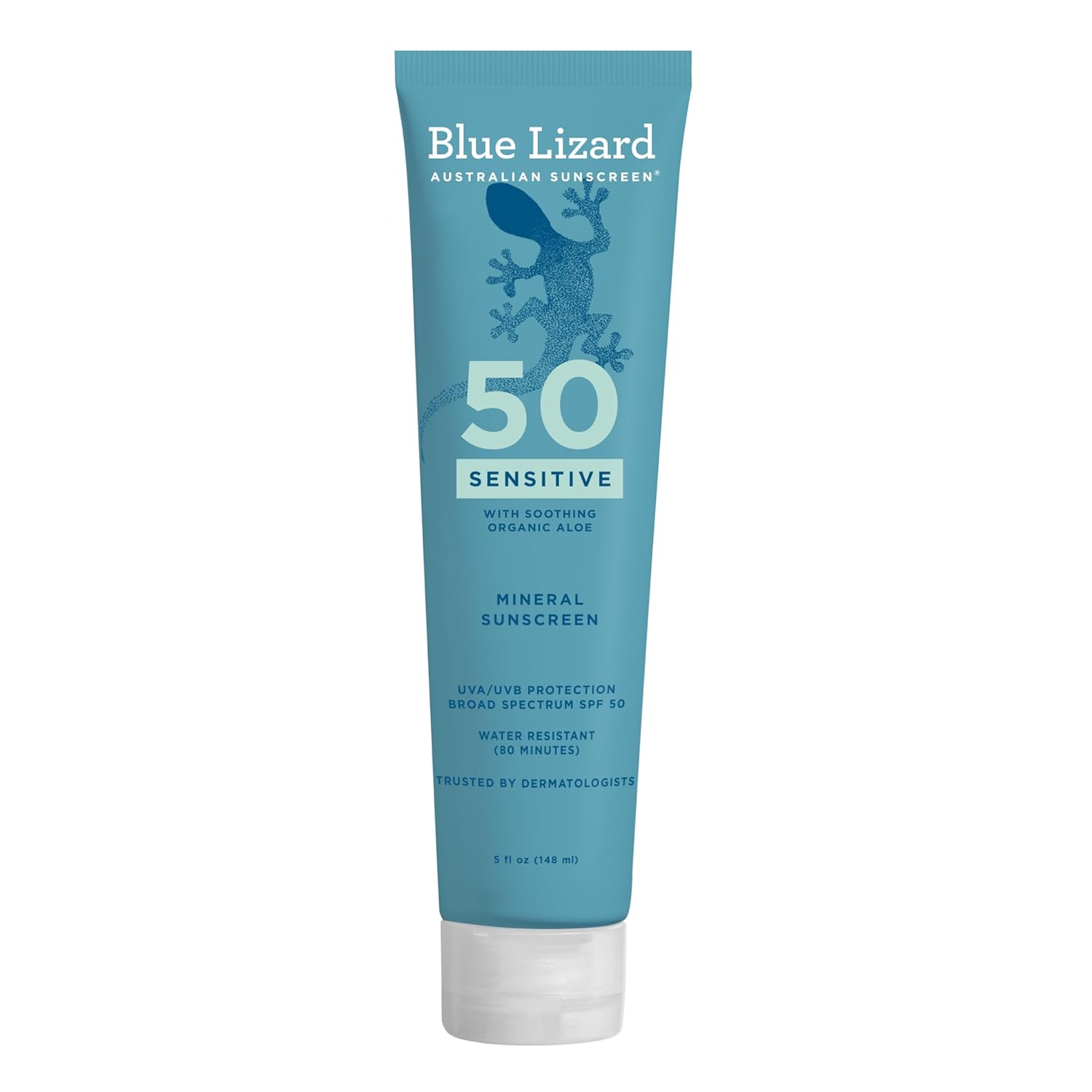
👉 Shop top-rated anti-aging sunscreens
The best anti-aging investment costs less than $50 and takes 30 seconds a day.
Don’t let photoaging steal your skin’s youth—start protecting today. Your future skin is counting on you!
What Is Photoaging and Why Should You Care?
Photoaging is the premature aging of your skin caused by repeated exposure to ultraviolet (UV) radiation. Unlike chronological aging (which happens naturally over time), photoaging is largely preventable. It’s responsible for:
- Fine lines and wrinkles
- Sunspots and hyperpigmentation
- Loss of skin elasticity and firmness
- Rough, leathery skin texture
- Broken capillaries and redness
UVB rays cause sunburn, but UVA rays penetrate deeper into the skin, breaking down collagen and elastin—the proteins that keep your skin firm and springy. The scary part? UVA rays pass through windows, meaning photoaging happens even when you’re indoors or driving.
Why Sunscreen Is the #1 Anti-Aging Product
Here’s a truth that might surprise you: Sunscreen is more important than any expensive anti-aging serum when it comes to preventing wrinkles.
Research published in the Journal of the American Academy of Dermatology surveyed 62 dermatologists across 43 academic centers. The results were overwhelming:
- 96.8% of dermatologists ranked mineral sunscreen as the #1 product for preventing fine lines and wrinkles
- It was rated as equally important as retinoids (the gold standard in anti-aging skincare)
- 95.2% said it’s the most helpful product for combating facial redness
The takeaway: Before you invest in expensive creams, invest in daily SPF protection.
Mineral vs. Chemical: What’s Best for Photoaging?
Why Dermatologists Recommend Mineral Sunscreen
Mineral sunscreens (also called physical sunscreens) use zinc oxide or titanium dioxide to create a barrier that reflects and scatters UV rays away from your skin. Here’s why they’re the top choice for preventing photoaging:
- Gentle on sensitive skin — As skin ages, it often becomes more reactive. Mineral sunscreens are less likely to cause irritation or allergies.
- Instant protection — Unlike chemical sunscreens, which require 15-20 minutes to become effective, mineral sunscreens work immediately.
- Naturally broad-spectrum — They protect against both UVA and UVB rays without additional chemical filters.
- More photo-stable — They don’t break down in sunlight like some chemical filters do.
- Less heat generation — Chemical sunscreens absorb UV rays and convert them to heat, which can worsen melasma and hyperpigmentation.
Chemical Sunscreens: Pros and Cons
Chemical sunscreens (using ingredients like avobenzone, homosalate, and octisalate) absorb UV rays and convert them to heat.
The verdict: Mineral sunscreens are the preferred choice for photoaging prevention, especially for mature or sensitive skin.
Key Ingredients to Look For in Anti-Aging Sunscreens
The best sunscreen for photoaging goes beyond just SPF. Look for these powerhouse ingredients:
- Broad-Spectrum Protection — Must protect against both UVA and UVB rays.
- Zinc Oxide or Titanium Dioxide — Mineral filters that provide gentle, effective protection.
- Licochalcone A — A powerful antioxidant that neutralizes free radicals caused by UV and HEVIS light.
- Glycyrrhetinic Acid — Supports your skin’s own DNA repair mechanism, helping fix sun damage at a cellular level.
- Hyaluronic Acid — Attracts moisture to plump skin and visibly reduce wrinkles.
- Niacinamide (Vitamin B3) — Calms inflammation, evens skin tone, and supports skin barrier function.
- Vitamin C — Provides antioxidant protection and helps brighten skin.
- Peptides — Help plump and firm skin by supporting collagen production.
Top Picks: The Best Sunscreen for Photoaging
Why it’s exceptional: Specifically formulated to prevent photoaging with Advanced Spectral Technology combining broadband UVA/UVB filters with Licochalcone A (antioxidant) and Glycyrrhetinic Acid (DNA repair). Contains hyaluronic acid for wrinkle reduction.
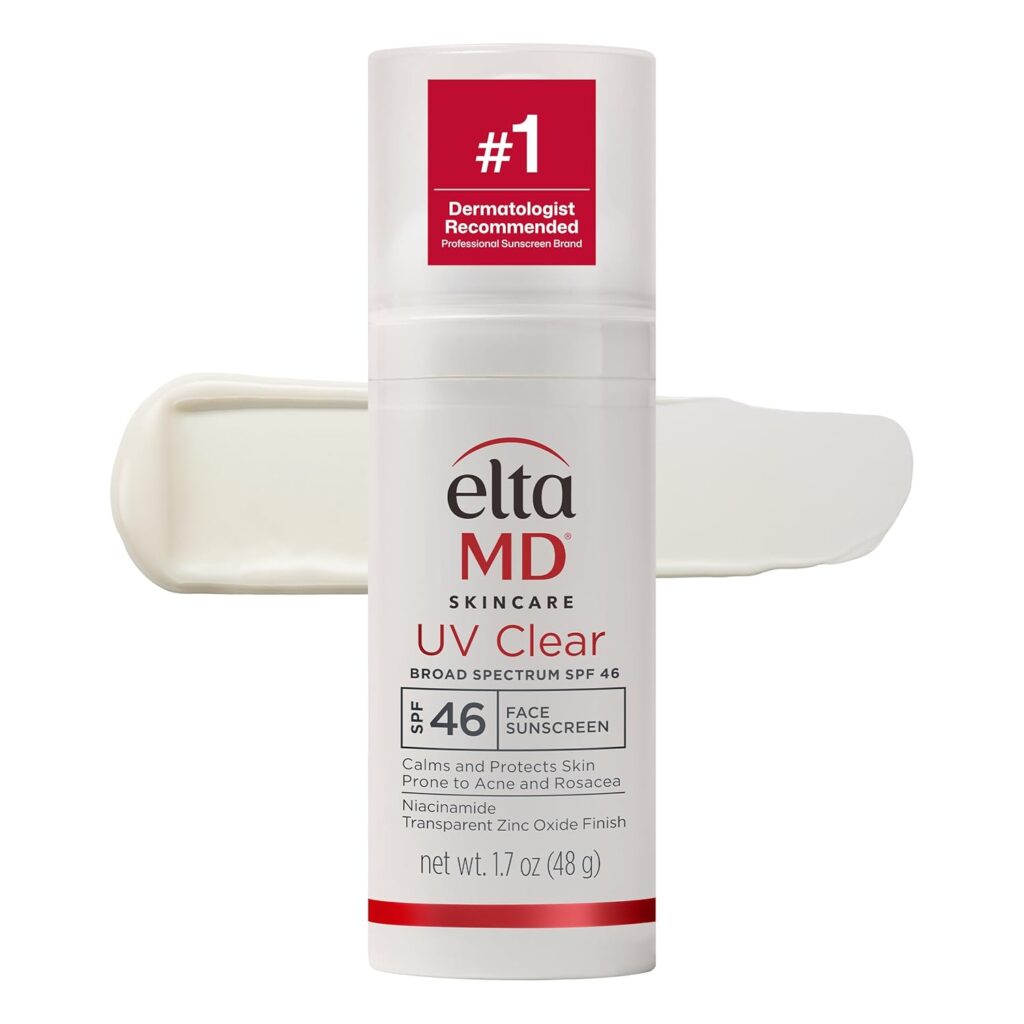
Why it’s exceptional: Board-certified dermatologists call this “an excellent choice for mature skin.” Zinc-based mineral sunscreen with niacinamide for skin-calming and tone-evening benefits. Lightweight, oil-free, available in tinted version.
Why it’s exceptional: A dermatologist favorite with serious SPF 50 protection and ultralight texture. Fragrance-free with thermal spring water for soothing benefits. Quick-absorbing with no white cast on deeper skin tones.
Why it’s exceptional: An Allure 2025 Best of Beauty Award winner delivering visible glow, lasting hydration, and blue-light protection. Contains peptides and vitamin C for anti-aging benefits.
✨ Find the Best Sunscreen for Photoaging
How to Apply for Maximum Protection
Even the best sunscreen for photoaging won’t work if you apply it incorrectly:
- Use enough product: For your face, neck, and décolleté, apply a thick line of sunscreen from the tip of your middle finger down to your wrist.
- Don’t forget these spots: Ears and the back of your neck are easy to miss.
- Apply generously before sun exposure and reapply frequently—especially after swimming, perspiring, or toweling.
- Allow product to absorb completely before makeup application.
- Apply 15-20 minutes before sun exposure for chemical sunscreens; mineral sunscreens work instantly.
- Reapply every 2 hours when in direct sunlight.
- Don’t skip indoor protection: UVA rays pass through windows.
Frequently Asked Questions
Q: Can sunscreen really reverse photoaging?
A: While sunscreen primarily prevents future damage, certain formulations contain ingredients (like glycyrrhetinic acid and hyaluronic acid) that can help repair existing damage and visibly reduce wrinkles.
Q: What SPF is best for preventing photoaging?
A: SPF 50+ offers the best protection. SPF 50 blocks about 98% of UVB rays, while SPF 30 blocks about 96%. For photoaging prevention, the extra protection matters.
Q: Can I use the same sunscreen for my face and body?
A: Yes, but face-specific sunscreens are often formulated to be less greasy and more compatible with makeup. The décolletage and hands also show signs of photoaging—don’t neglect them.
Q: Is SPF in makeup enough?
A: No. You’d need to apply 2-3 times the normal amount of foundation to get the stated SPF protection. Always use a dedicated sunscreen.
Q: Does sunscreen prevent collagen breakdown?
A: Yes. UV rays break down collagen and elastin, leading to wrinkles and sagging. Sunscreen blocks these rays, preserving your skin’s structure.
Final Thoughts
The best sunscreen for photoaging isn’t just about preventing sunburn—it’s about preserving your skin’s youth, health, and vitality for years to come. With 96.8% of dermatologists recommending mineral sunscreen as the top anti-aging product, the evidence is clear: daily SPF is your most powerful weapon against wrinkles.
Whether you choose Eucerin’s Photoaging Control with its DNA-repairing technology, EltaMD’s gentle mineral protection, or La Roche-Posay’s lightweight fluid, consistency is key. Apply daily, indoors or out, and watch your skin thank you.
“The best sunscreen is the one that you’ll actually wear consistently” — Dr. Spearman, board-certified dermatologist
Protect your skin today and keep it looking youthful tomorrow.
The best anti-aging investment costs less than $50 and takes 30 seconds a day.
Don’t let photoaging steal your skin’s youth—start protecting today! ✨ Your future skin is counting on you. ✨
This article contains affiliate links. If you purchase through these links, I may earn a small commission at no extra cost to you. I only recommend products I trust and that dermatologists recommend.
© 2026 · Photoaging Prevention Guide · always consult a dermatologist for personalized advice.