
📑 Table of Contents
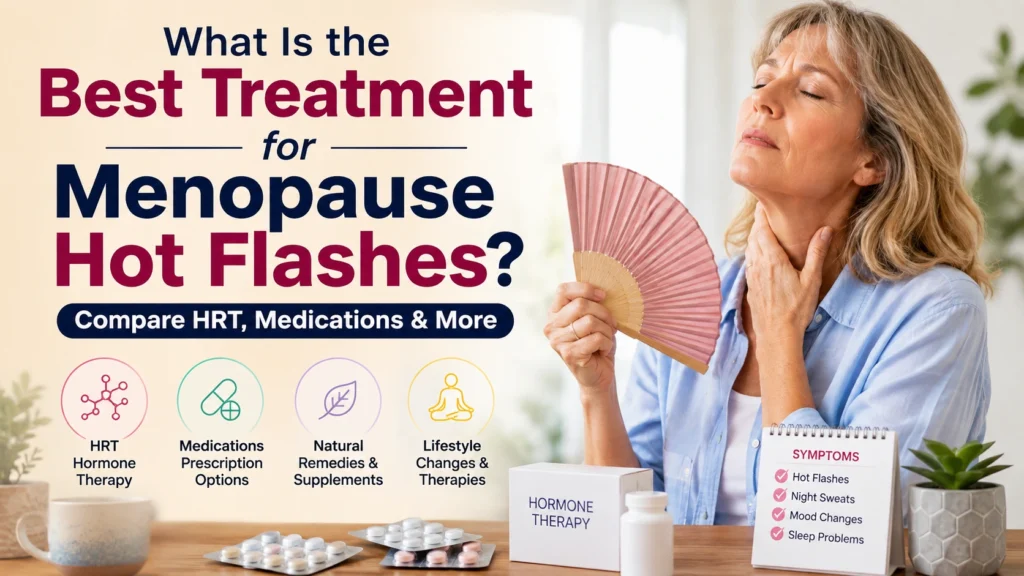
If you’re waking up drenched in sweat or suddenly feeling a wave of heat during a work meeting, you’re not alone. More than 75% of women experience hot flashes during perimenopause and menopause. The burning question — what is the best treatment for menopause hot flashes — doesn’t have a one-size-fits-all answer, but science has uncovered powerful strategies that work.
From hormone therapy to plant-based remedies, let’s explore the most effective, evidence-backed treatments so you can find your personal “cool down” plan.
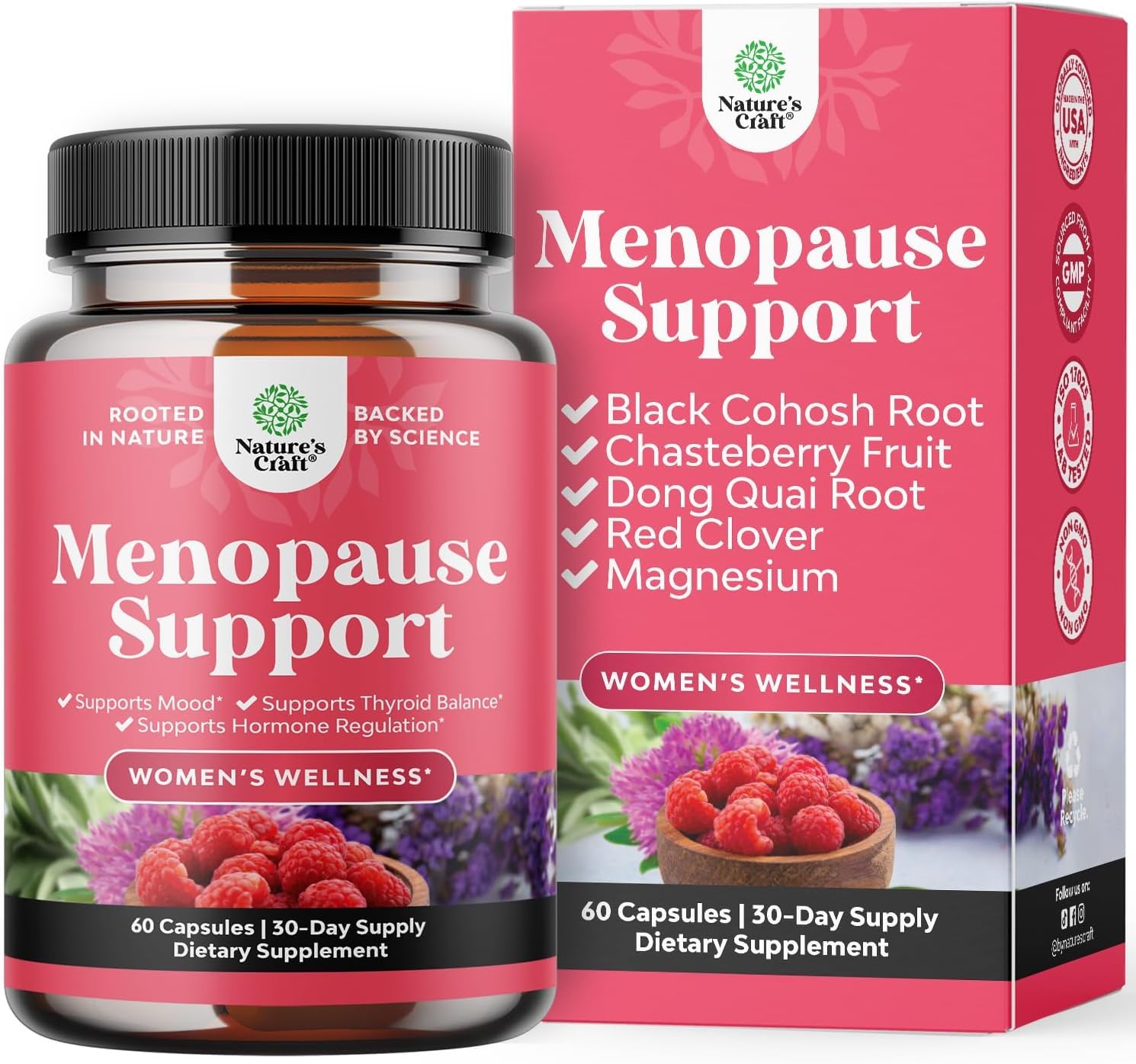
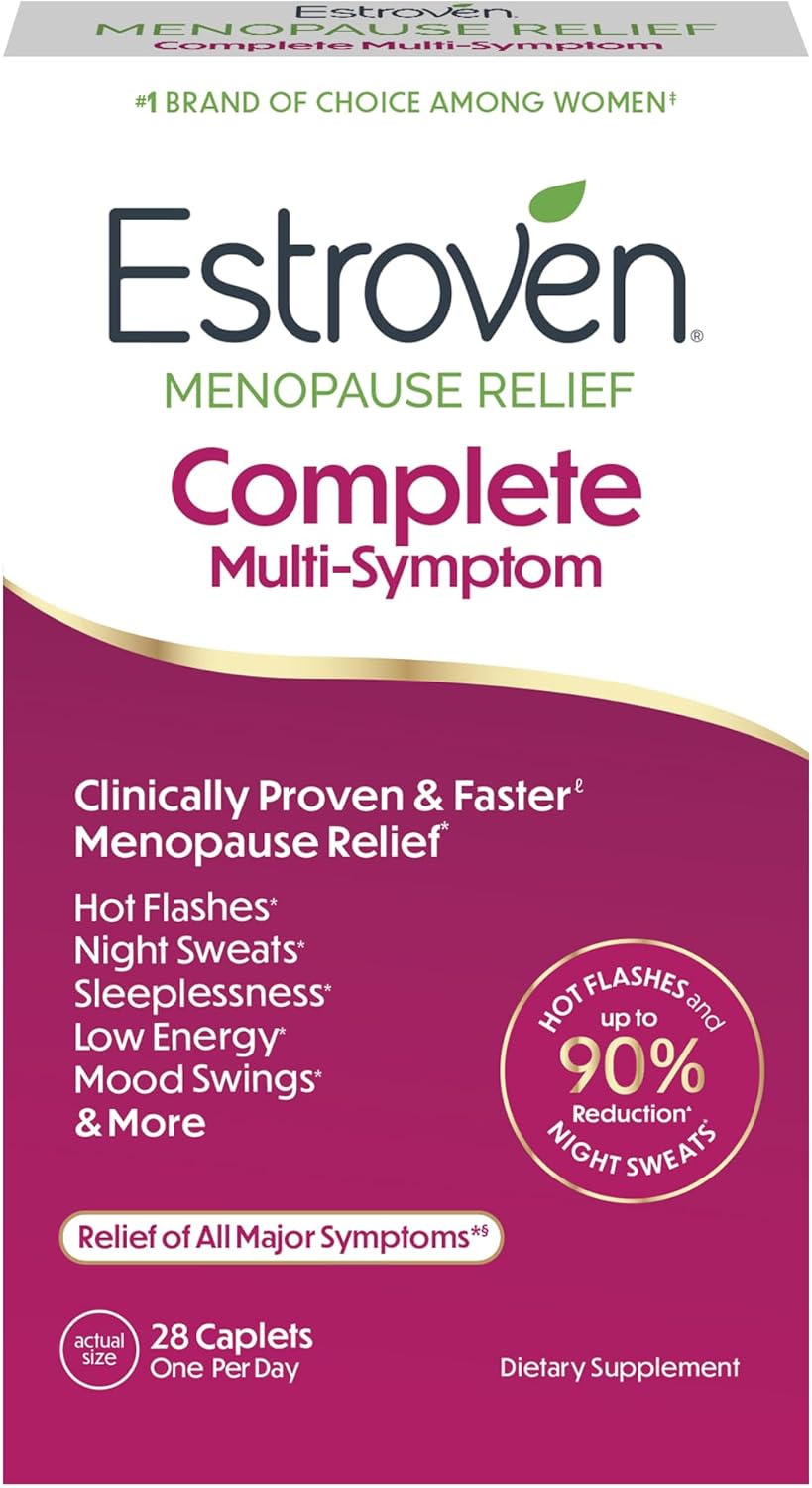
⭐ Top-rated supplements for hot flash relief — see why thousands of women are switching.
1. Hormone Replacement Therapy (HRT) — The Gold Standard
For decades, estrogen therapy (often combined with progesterone for those with a uterus) has been the most rigorously studied and effective treatment for hot flashes. It works by replenishing the hormones that drop during menopause, stabilizing the hypothalamus — your body’s internal thermostat.
- Effectiveness: Reduces hot flash frequency and severity by 70–90%.
- Forms: Patches, gels, pills, or vaginal rings.
- Best for: Healthy women under 60 or within 10 years of menopause onset.
Always discuss personal risks (breast cancer, blood clots, stroke) with your doctor. For many, the benefits far outweigh the risks when started early.
2. Non-Hormonal Prescription Options
If HRT isn’t suitable, several non-hormonal medications have shown impressive results:
- SSRIs/SNRIs (e.g., paroxetine, venlafaxine) — reduce hot flashes by up to 60%.
- Gabapentin — especially helpful for nighttime hot flashes and sleep disruption.
- Clonidine — a blood pressure medication that can lower hot flash intensity.
These options are often prescribed off-label but are backed by clinical trials and can be excellent alternatives.
3. Lifestyle & Dietary Strategies
Simple daily adjustments can make a surprising difference:
- Dress in layers — breathable cotton or linen.
- Avoid triggers — spicy foods, caffeine, alcohol, and hot beverages.
- Mind-body practices — yoga, deep breathing, and meditation lower stress-induced hot flashes.
- Cooling tools — portable fans, cooling pillows, and chilled water bottles.
- Weight management — excess weight can worsen hot flashes; even modest loss helps.
4. Supplements & Botanicals
Many women turn to natural products, though evidence varies. The most studied include:
- Black cohosh — widely used; some studies show modest benefit.
- Evening primrose oil — may reduce hot flash severity.
- Red clover — contains phytoestrogens; mixed results.
- Flaxseed — ground flaxseed (40g/day) showed reduction in some trials.
- Vitamin E — mild benefit for some women.
Always choose high-quality supplements and consult your pharmacist about interactions.
📸 Additional top-rated botanicals
❓ Frequently Asked Questions
Remove layers, sip cold water, place a cold pack on your neck or wrists, and practice slow, deep breathing (4-7-8 technique). This activates the parasympathetic nervous system and can shorten the episode.
No. HRT is not recommended for women with a history of breast cancer, blood clots, or stroke. For others, the “window of opportunity” (starting within 10 years of menopause) is key to minimizing risks.
While diet won’t eliminate them, avoiding triggers and eating phytoestrogen-rich foods (soy, flaxseeds, chickpeas) may reduce frequency for some women. It’s best used alongside other treatments.
On average, 4–10 years, but some women experience them for a shorter or longer period. Treatment can significantly improve quality of life during this time.
Black cohosh and evening primrose oil have the most supportive research. However, responses vary — what works for one person may not work for another.
This article contains affiliate links. If you click on a link and make a purchase, we may earn a small commission at no extra cost to you. All product recommendations are based on research and general user feedback — they are not intended to diagnose, treat, or cure any condition.
Medical Disclaimer: The information provided here is for educational and informational purposes only and does not constitute medical advice. Always consult your healthcare provider before starting or changing any treatment, supplement, or medication, especially during menopause.
© 2026 · Evidence-based menopause guidance · Always consult your clinician.