

📖 Table of Contents
- TL/DR
- Introduction
- What is the medicinal use of marigold flower?
- Science behind the petals
- Topical power: skin & wounds
- Internal use: teas & tinctures
- Calendula vs. Aztec Marigold
- Conclusion & safety note
- References & PS
⚡ TL/DR
The marigold flower, especially Calendula officinalis and Tagetes erecta, is a powerful medicinal plant. Its primary uses are:
- Anti-inflammatory: compounds like faradiol and triterpenoids reduce inflammation.
- Wound healing & skin care: treats minor wounds, burns, eczema, and nappy rash.
- Antioxidant: rich in flavonoids and carotenoids (lutein).
- Internal health: tea for oral lesions, extracts for eye and liver support.
Introduction
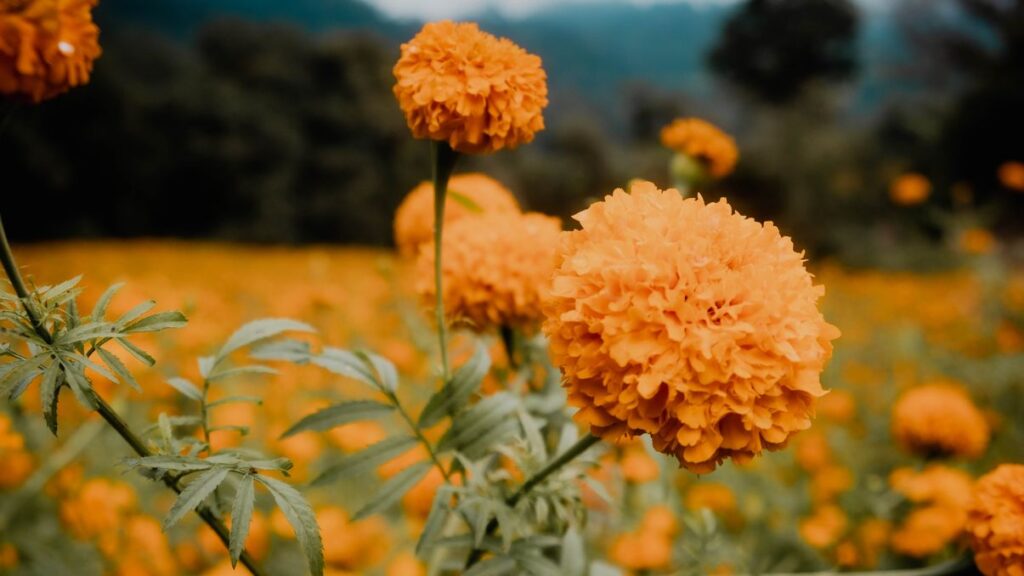
For centuries, the vibrant marigold has been more than just a garden ornament. Known scientifically as Calendula officinalis, its name itself hints at its historical role—”officinalis” refers to the workshop where medicines were once prepared. From medieval Europe to traditional medicine systems worldwide, the question of “what is the medicinal use of marigold flower” has been answered with a long list of healing applications.
Today, modern science is confirming these ancient uses, revealing a flower packed with potent bioactive compounds. Whether used as a cream for skin irritations or a soothing tea, marigold stands as a testament to nature’s pharmacy.
📌 Make this your preferred source for health and wellness information.
If you find our content helpful, help us reach more readers like you. Click the button below to select Intellinewz.com as a preferred source in eligible Google features (like Search and the Discover feed). This helps us continue providing evidence-based articles.
Disclosure: This feature is provided by Google to help users personalize their content experience. Your selection helps our site’s visibility.
What is the Medicinal Use of Marigold Flower? The Core Question
To answer this fully, we must look at two different plants often called “marigold”: Calendula officinalis (Pot Marigold) and Tagetes erecta (Aztec or African Marigold). Both possess significant medicinal properties, with the most well-documented being their powerful anti-inflammatory and antioxidant effects.
Scientific studies have demonstrated that marigold extracts can inhibit the production of pro-inflammatory cytokines like TNF‑α and IL‑6, which are key drivers of inflammation in the body. In fact, the triterpene alcohol, faradiol, found abundantly in Calendula, showed anti-inflammatory effects comparable to the synthetic drug indomethacin in test models. Furthermore, a 2023 study published in Cureus found that a marigold flower tea formulation exhibited better anti‑inflammatory and antioxidant activities than the controls.
The Science Behind the Petals: Key Active Compounds
The healing power of marigold comes from a rich profile of secondary plant substances:
- Triterpenoids (e.g., Faradiol): primary drivers of anti‑inflammatory action.
- Flavonoids (e.g., Quercetin, Rutin): potent antioxidants that neutralize free radicals.
- Carotenoids (e.g., Lutein): protect cells and support eye health. Tagetes erecta is a major commercial source of lutein.
- Polysaccharides & Saponins: support immune function and skin‑soothing properties.
Topical Power: Skin, Wounds, and Inflammation
When considering “what is the medicinal use of marigold flower,” topical application is by far the most common and celebrated use. Calendula officinalis is renowned for its ability to treat skin conditions and injuries.
- Wound Healing: stimulates skin regeneration and blood flow.
- Inflammation of the Skin: soothes sunburn, rashes, and eczema.
- Specific Skin Conditions: potential in treating acne, nappy rash, and diabetic foot ulcers.
Internal Use: Teas and Tinctures for Wellness
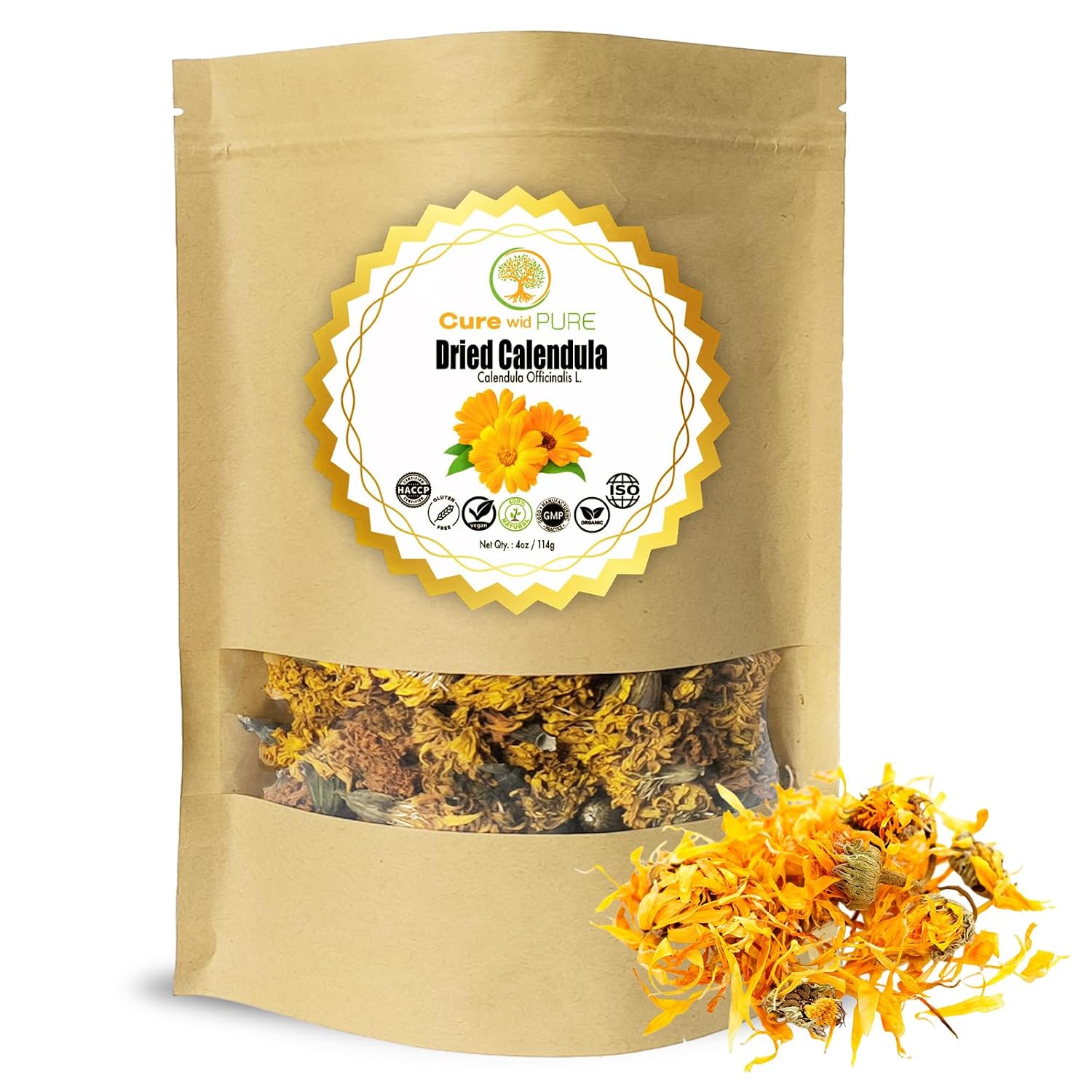
While less common, internal use of marigold is also valid, primarily in the form of tea, tinctures, or extracts.
- Oral Health: a standard tea infusion is recommended for inflammation of the mouth and throat.
- Anti‑inflammatory & Antioxidant: marigold tea delivers systemic benefits.
- Emerging Research: Tagetes erecta extract shows promise for dry eye syndrome and liver protection.
Spotlight on Two Types: Calendula vs. Aztec Marigold
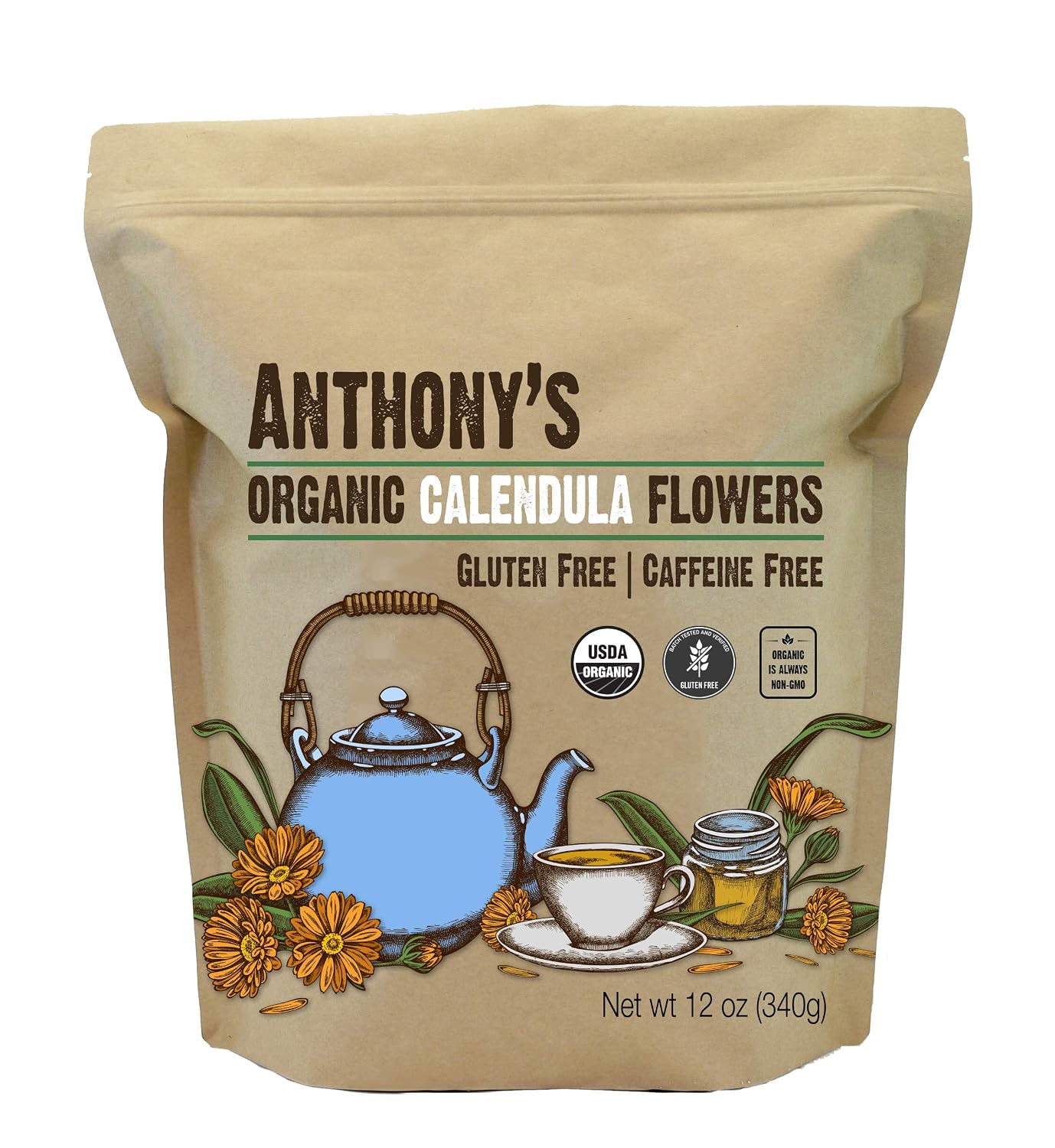
It is important to differentiate the two main medicinal marigolds:
- Calendula officinalis (Pot Marigold): the classic “medicinal” marigold used in topical creams, oils, and for mouth and throat inflammation.
- Tagetes erecta (Aztec Marigold): richer in lutein, researched for strong anti‑inflammatory and antioxidant potential, and used internally for liver and eye health.
Conclusion & Important Safety Note
In conclusion, the answer to “what is the medicinal use of marigold flower” is multifaceted and supported by a growing body of scientific evidence. It serves as a potent anti‑inflammatory, an effective wound‑healer, a powerful antioxidant, and a source of valuable nutrients. From soothing skin irritations with Calendula cream to potentially improving eye health with Tagetes extracts, this golden flower is a versatile and valuable plant.
⚠️ Important Disclaimer: This article is for informational purposes only and does not constitute medical advice. While marigold is generally considered safe, always consult with a healthcare professional before using it for medicinal purposes, especially if you are pregnant, breastfeeding, or taking other medications. Some individuals may have allergies to plants in the Asteraceae family (like ragweed).
References & Further Reading
- AGES – Medicinal plant – marigold
- In Vitro Evaluation of Antioxidant and Anti‑inflammatory Potentials (Cureus, 2023)
- Anti‑inflammatory mechanism of Tagetes erecta (Journal of Ethnopharmacology, 2024)
- High‑pressure extraction of marigold & pharmacological potential (ScienceDirect, 2026)
- ScienceDirect Topics – Calendula
- Pharmacological evaluation of Tagetes erecta (ScienceDirect, 2025)
- Bioactivity of anti‑inflammatory triterpenoids in Calendula (Nature Communications, 2025)
- Ameliorative effects of Tagetes erecta against dry eye symptoms (BVS, 2024)
- UPLC‑MS/MS‑based metabolomics of Tagetes erecta (ScienceDirect, 2024)
- Mechanism of anti‑hepatitis potential of Tagetes erecta (ScienceDirect, 2025)
📌 PS — In case you missed it, I recently wrote about the top 5 herbs for natural pain relief, which you might also find interesting.
🛒 Product Recommendations:
• For the garden or home apothecary: Check out these Marigold seeds to start growing your own healing flowers: https://amzn.to/45UfWv5
• For ready‑to‑use topical relief: A high‑quality Calendula ointment is a must‑have for every first‑aid kit: https://amzn.to/4gG9oFn
Disclosure: As an Amazon Associate, I earn from qualifying purchases. Product links are for informational purposes and are not a substitute for professional medical advice.
© 2026 · Intellinewz.com · All rights reserved.