

TL;DR
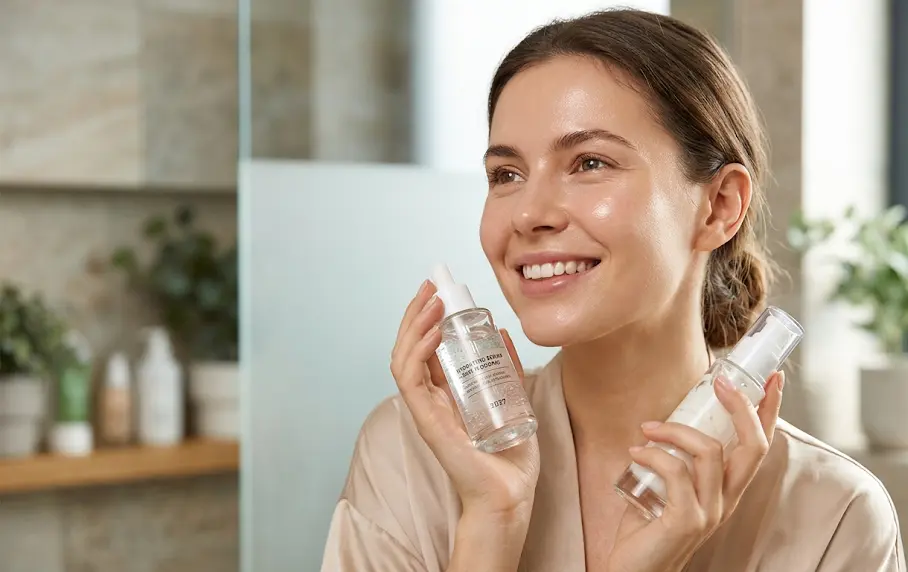
What Is Skin Flooding Treatment? It is a layering technique that “floods” damp skin with multiple lightweight hydrating products—toners, essences, serums, and a sealing moisturiser—to boost water content and restore a plump, glowy barrier. It works best for dehydrated, tight, or dull skin, and it is less suitable for very oily or actively acne-prone complexions. The golden rule is damp skin, light-to-rich layering, and a final seal. You do not need ten products; three to four intentional layers are enough.
Quick product direction: Look for multi-weight hyaluronic acid, glycerin, ceramides, and panthenol. A mist or essence is optional but helpful for keeping skin damp between steps. A gel-cream or barrier cream finishes the routine. If you want a curated starting point, the affiliate picks below can save you hours of label-reading.
Table of Contents
- Introduction: Why Skin Flooding Still Matters in 2027
- What Is Skin Flooding Treatment, Really?
- Who Should Try It (and Who Should Skip It)
- The 4-Step Skin Flooding Routine
- Best Hydrating Serums for Skin Flooding
- Best Moisturisers to Seal It All In
- Skin Flooding vs. Normal Moisturising
- How to Shop Smart in 2027
- FAQ
- Disclosure & Disclaimer
Introduction
Your skin feels tight after cleansing. Your foundation catches on dry patches by noon. You have tried “rich” creams that sit on top of your face like a greasy blanket instead of sinking in.
What Is Skin Flooding Treatment? It is the answer your dehydrated skin has been waiting for—not another heavy product, but a smarter method.
Skin flooding is not a new ingredient or a miracle molecule. It is a technique: you cleanse gently, leave your skin slightly damp, and layer hydrating products from the thinnest texture to the richest. The goal is to pull water into the skin and then lock it there.
The trend exploded on social media, but dermatologists and aestheticians have used layered hydration for years. In 2027, the conversation has shifted from “how many layers can I stack?” to “which layers actually work together?” That is exactly what this guide answers.
Stop drowning your skin in one heavy cream. Start flooding it with the right water-smart layers.
A quick word before we dive in: If you want a shortcut to products that fit this method without the guesswork, the box below is where I would start.
SHOUTOUT / AFFILIATE BOX (Before the Fold)
Ready to flood your skin without wasting money on the wrong textures? These curated picks are chosen for layering-friendly hydration—light enough to stack, rich enough to seal.
Shop the Skin Flooding Starter Picks Here Browse Barrier-Sealing Moisturisers HereAffiliate links. We may earn a commission at no extra cost to you.
Add us as a Preferred Source on Google
What Is Skin Flooding Treatment, Really?
What Is Skin Flooding Treatment? In plain terms, it is layered hydration on damp skin.
Here is the difference between skin flooding and your usual routine. Normally, you might cleanse, apply one serum, and finish with a moisturiser on dry skin. In skin flooding, you apply each hydrating layer while the previous one is still slightly wet. This helps humectants—ingredients like hyaluronic acid and glycerin—draw water into the skin rather than just sitting on the surface.
The technique usually follows a simple order:
- Gentle cleanse — no stripping foams.
- Hydrating toner or mist — to reintroduce water immediately.
- Essence or lightweight serum — the hydration workhorse.
- Moisturiser — the seal.
Some routines add a second serum or a sheet mask, but more is not always better. Aestheticians warn that over-layering on already congested skin can backfire.
Hydration is not about one hero product. It is about the handoff between layers.
Who Should Try It (and Who Should Skip It)
Skin flooding works beautifully for:
- Dehydrated skin that feels tight even after moisturising.
- Dry or flaky skin that needs water, not just oil.
- Dull, stressed skin after travel, air-conditioning, or winter weather.
- Skin using retinoids or acids that needs barrier support without extra actives.
Be cautious or skip it if:
- You have severe oily or active acne-prone skin. Too many layers can feel suffocating and may contribute to congestion.
- Your barrier is hyperreactive. If your skin stings with water, fix the barrier first with a simple ceramide routine before layering.
- You have fungal acne triggers. Stick to fungal-acne-safe hydrators and avoid heavy essences.
If you are unsure, start with three layers (toner, serum, moisturiser) once in the evening. Your skin will tell you quickly whether it wants more or less.
More hydration is not always more progress. Listen to your barrier, not the TikTok count.
The 4-Step Skin Flooding Routine
Step 1: Cleanse Gently
Use a cream or gel cleanser that leaves your skin comfortable, not squeaky. The goal is to remove dirt without stripping the lipids that hold water in.
Step 2: Mist or Tone While Damp
Pat your skin dry only slightly—leave it damp. Apply a hydrating toner or thermal water mist. Ingredients to look for: glycerin, beta-glucan, panthenol, or low-weight hyaluronic acid.
Step 3: Layer a Hydrating Serum
This is the “flood” step. Press—do not rub—a humectant-rich serum into damp skin. If you use an essence, this is where it goes, before the serum.
Step 4: Seal with Moisturiser
A moisturiser with ceramides, squalane, or shea butter creates a breathable seal. Without this step, the water you just layered can evaporate and leave skin tighter than before.
Evening is the best time for skin flooding because you are not layering under makeup or sunscreen. Once daily is enough for most people.
The seal is not optional. Hydration without occlusion is just evaporation with extra steps.
MID-ARTICLE SHOUTOUT / AFFILIATE BOX
Still staring at a cart full of maybes? These two links go straight to hydrating heroes that layer beautifully and seal without greasiness.
Best Layering Serums & Essences Best Sealing Moisturisers for Flooded SkinYour future plump skin says thank you.
Best Hydrating Serums for Skin Flooding
A skin-flooding serum should be water-light, humectant-heavy, and low on unnecessary actives. You are not looking for a 10-ingredient acid cocktail here. You want hydration that plays well with others.
What to look for:
- Multi-weight hyaluronic acid for surface and deeper hydration.
- Glycerin near the top of the ingredient list.
- Panthenol or beta-glucan for soothing.
- Fragrance-free if your skin is reactive.
What to avoid in this step: high percentages of exfoliating acids, strong retinoids, or thick oils that block the next layer from absorbing.
Product direction for 2027: The market has moved toward “barrier hydrators” that combine hyaluronic acid with ceramides or peptides. A lightweight gel serum with three molecular weights of HA remains the gold standard for this step. If your skin is sensitive, choose a formula with no fragrance and no essential oils.
One dermatologist-tested category worth watching is HA + peptide hybrids—they hydrate while supporting firmness, which makes the routine feel less like a trend and more like long-term barrier care.
Your serum should be the quiet worker in the routine—not the loudest active on the shelf.
Best Moisturisers to Seal It All In
If the serum is the flood, the moisturiser is the dam. A good sealing moisturiser for skin flooding is rich enough to lock water in but not so heavy that it smothers the layers underneath.
Ingredient priorities:
- Ceramides (especially ceramide NP or a ceramide complex) to reinforce the barrier.
- Squalane for lightweight emollience.
- Shea butter or jojoba oil for dry patches, if your skin tolerates them.
- Niacinamide if you also want barrier support and gentle tone evening.
Texture matters: A gel-cream works well for combination or normal skin. A cream-balm is better for dry or winter-stressed skin. Avoid thick occlusive balms for daytime under makeup—they can pill.
What the testing shows: In 2026–2027 moisturiser testing, the best-performing dry-skin formulas consistently paired ceramides with glycerin and niacinamide, and fragrance-free options scored highest for sensitive skin. That aligns perfectly with a skin-flooding seal: barrier ingredients, no unnecessary irritants.
A good seal does not feel like a mask. It feels like your skin finally exhaled.
Skin Flooding vs. Normal Moisturising
This is the question that makes skin flooding click for most people.
Normal moisturising often means applying one cream to dry skin. The cream may contain water and humectants, but its main job is to prevent water loss. If your skin is already dehydrated, one cream may not add enough water to fix the problem.
Skin flooding flips the order. You add water first—through mists, toners, essences, and serums—and then seal it in. The moisturiser becomes the final step, not the only step.
Think of it like watering a plant. You do not just put a lid on dry soil. You water the soil, then maybe add a layer of mulch to keep the moisture from escaping. Skin flooding is the watering; the moisturiser is the mulch.
You would not skip watering a thirsty plant and just put a lid on the pot. Your skin is no different.
How to Shop Smart in 2027
1. Do not buy a whole new routine at once. Start with what you have. Add one hydrating toner or serum and see how your skin responds.
2. Check the texture order. Thin to thick. If a product feels like it is sitting on top, it is probably too rich to be a middle layer.
3. Fragrance is optional—and often unnecessary. For a routine that layers multiple products, fragrance-free reduces the risk of cumulative irritation.
4. Look for “barrier” language, not just “hydrating.” In 2027, the smartest hydrating products combine humectants with barrier lipids (ceramides, cholesterol, fatty acids) so the water stays where you put it.
5. Give it two weeks. Skin flooding is not a one-night miracle. The plumpness builds as your barrier’s water-holding capacity improves.
Smart shopping is not buying more. It is buying layers that actually talk to each other.
FAQ
Is skin flooding safe for sensitive skin?
Yes, if you keep the layers simple and fragrance-free. Skip strong actives in the flooding steps and patch-test new serums. If your skin stings, stop and simplify.
Can I do skin flooding every day?
Once daily—usually at night—is enough for most skin types. Oily skin may prefer every other day or a lighter three-step version.
Do I need a mist between every layer?
No. The key is that your skin stays damp. If your serum absorbs and your skin feels dry before the next step, a quick mist helps. If your skin still feels damp, move on.
Will skin flooding clog my pores?
Not if you choose lightweight, non-comedogenic products and avoid over-layering. If you are acne-prone, use fewer layers and skip heavy essences.
Is skin flooding just for dry skin?
Dehydrated skin can happen to any skin type—oily skin included. But oily and acne-prone skin should use fewer layers and lighter textures.
Disclosure & Disclaimer
Affiliate Disclosure: This article contains affiliate links. If you purchase through the links marked with rel="sponsored", we may earn a small commission at no extra cost to you. We only link to product categories that are relevant to the routine discussed.
Disclaimer: This article is for informational purposes only and is not a substitute for professional dermatological advice. Skin flooding is a cosmetic technique, not a medical treatment. If you have a diagnosed skin condition, active breakouts, or a compromised barrier, consult a qualified dermatologist before changing your routine. Product availability and formulations may change; always check the current ingredient list before purchasing.